Attractions and Places To See around Saint-Sauvant - Top 8
Best attractions and places to see around Saint-Sauvant, a "Petite Cité de Caractère" in Charente-Maritime, offer a blend of historical landmarks and natural beauty. The village is situated in the Coran valley, featuring a rocky spur overlooking the landscape. Visitors can explore its historical heritage, including ancient structures and medieval streets, alongside extensive natural areas like forests and river trails. This region provides diverse opportunities for outdoor activities and cultural discovery.
Best attractions and places to see around Saint-Sauvant
- The…
Last updated: May 21, 2026
Church of Our Lady and Saint Junien
Highlight • Other
Translated by Google •
Tip by

voulon bridge
Highlight • Other
Natural Environment:
Translated by Google •
Tip by

Sign up now to discover places like this
Get recommendations on the best single tracks, peaks, & plenty of other exciting outdoor places.
Sign up for free
The Payré Islands
Highlight • Natural
Translated by Google •
Tip by
Orangerie of Richelieu
Highlight • Historical Site
Translated by Google •
Tip by
Mongoulin Mill
Highlight • Other
Translated by Google •
Tip by

Sign up for free to discover even more attractions around Saint-Sauvant.
Sign up for free
Already have an account?
Start today with a free account
Your next adventure awaits.
Login or Signup



Tips from the Community

The Voulon bridge is a concrete slab bridge, with a small barrier, the bridge itself is nothing extraordinary, but it is the hiking and mountain biking area that could impose a look of tranquility interspersed with birdsong. Natural Environment: Clain River: The bridge crosses the Dive River, which meanders peacefully through the Vienne countryside. The view of the river from the bridge is particularly pleasant, offering a beautiful perspective on the surroundings. Bucolic Landscapes: The setting around the bridge is green and peaceful, with tree-lined banks and meadows that stretch as far as the eye can see. It is a perfect place for walks and moments of relaxation in the heart of nature.
1
0

Using the power of moving water to drive a mill wheel is an ancient invention that dates back to pre-Christian times. Thanks to such a construction, human or animal muscle power could easily be replaced by a watercourse - natural or artificial - in order, for example, to grind grains into grain. There are essentially two different ways to drive water mills: either the water simply hits the blades of the water wheel from below to set it in motion; or the water flow is guided above the wheel and falls onto the blades, with this design there is greater efficiency due to natural gravity.
0
0
As Jacques' pictures show, there are no spectacular highlights to be found here, but Paul put it very aptly with "A place where you can linger". Exactly the right place for the hiker, who can interrupt his tour here to linger a little and will certainly enjoy it.
0
0


A beautiful place with quietly flowing water and wildflowers. A place where it is good to linger.
3
0
The Notre-Dame et St-Junien church was built in the 11th century and developed in the 12th-15th centuries. The area around the church has been recently landscaped, which gives a pleasant appearance to the church and its surroundings.
3
0
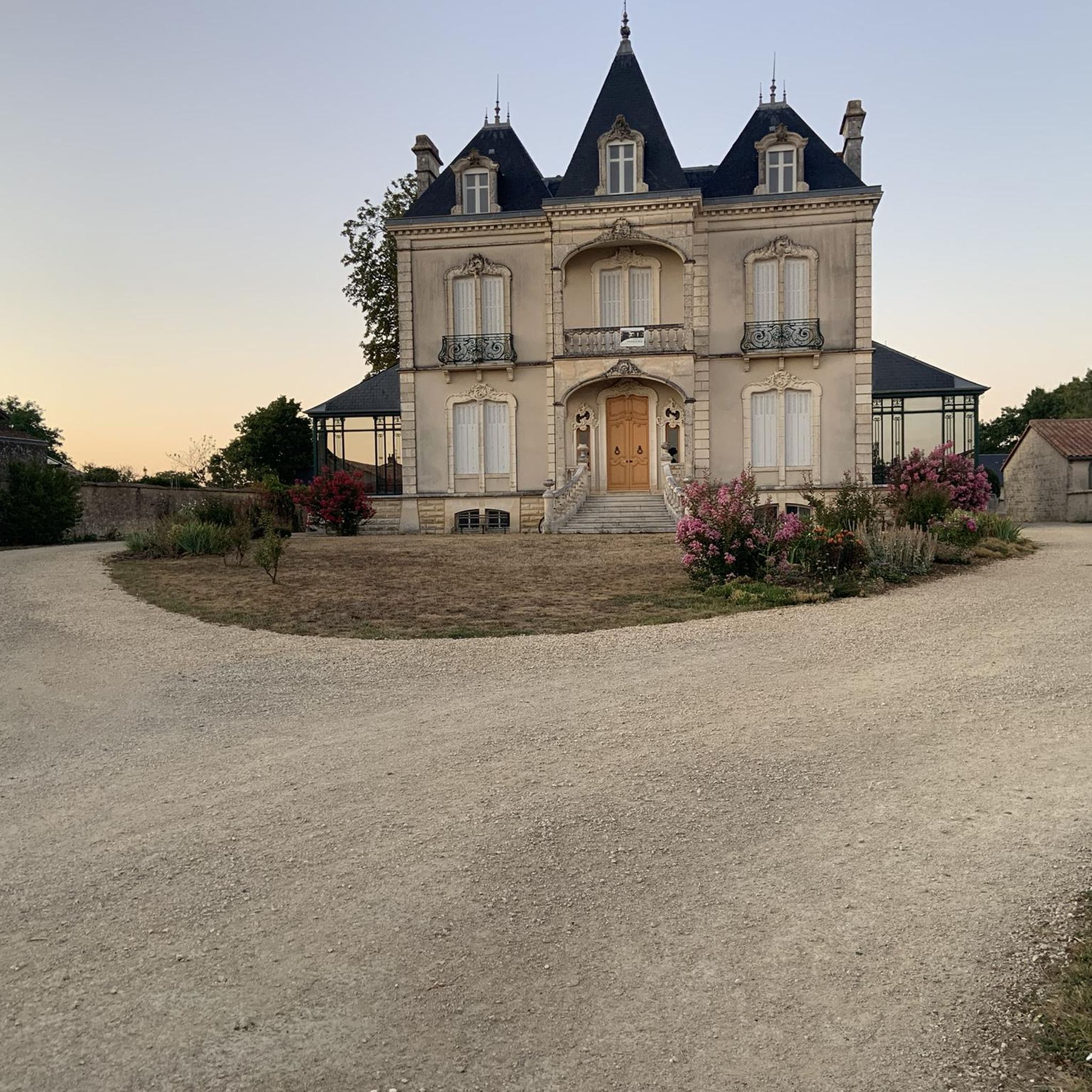
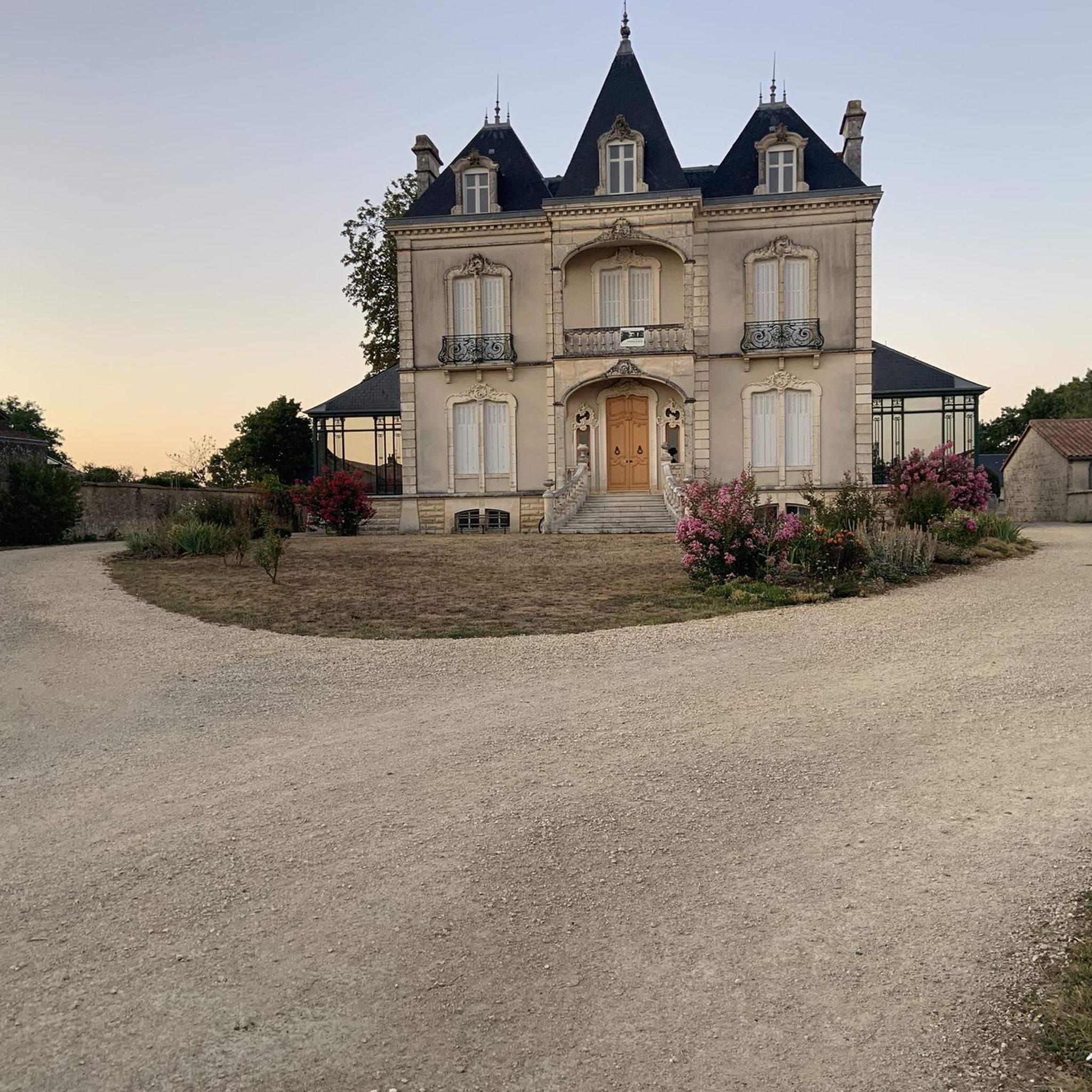
This castle was built in 1634 by Nicolas TILLON, master mason of Richelieu. The main building was bought in 1840 and then sold by the stone. Fortunately, the Orangerie building avoided such a fate. Its gardens and interiors are open to events and free to the public.
2
0

8 hectares of ponds and canals bordering the Dive, with many well-developed paths.
2
0
Frequently Asked Questions
What historical sites can I explore in Saint-Sauvant?
Saint-Sauvant is rich in history. You can visit the Romanesque Église Saint-Sylvain, a 12th-century church with a 17th-century altarpiece, and the 14th-century Medieval Tower, both classified historical monuments. Explore the ancient City Gate and wander through the steep, narrow medieval streets. Don't miss the historic Old Wash Houses, such as the Lavoir de la Font-Bigot. Additionally, the Orangerie of Richelieu, a historical site from 1634, offers gardens open to the public, and the Church of Our Lady and Saint Junien, an 11th-century former priory church, is also nearby.
Are there natural areas for relaxation and outdoor activities?
Yes, Saint-Sauvant is surrounded by natural beauty. The village is nestled in the Coran valley, offering the scenic Sentiers du Coran for hiking. The extensive Forêt Domaniale de Saint-Sauvant provides marked trails for hiking, equestrian, and mountain biking, featuring points of interest like the 'Fort à l'Anglais' and 'Chaire à Moïse'. You can also discover the tranquil The Payré Islands, an 8-hectare area of ponds and canals perfect for lingering amidst wildflowers and quietly flowing water.
What family-friendly activities are available around Saint-Sauvant?
For families, the The Payré Islands offer well-developed paths around ponds and canals, ideal for a leisurely stroll. The Orangerie of Richelieu also welcomes families to explore its gardens. Additionally, the Forêt Domaniale de Saint-Sauvant has marked trails suitable for various ages, including a path of the ponds to discover wetland flora and fauna.
What kind of outdoor activities can I do near these attractions?
The region around Saint-Sauvant is excellent for various outdoor activities. You can enjoy hiking on trails like 'The church Notre-Dame et Saint-Junien – loop' or explore the 'Forêt communale du Grand Parc loop'. For road cycling, routes such as 'Lusignan Historic Town Center – Rom loop' are available. If you prefer running, consider trails like 'Base de Loisirs de Vauchiron loop'. You can find more details and routes for hiking, road cycling, and running in the area.
Are there any ancient Roman connections in Saint-Sauvant?
Yes, Saint-Sauvant has a connection to ancient Roman history. The famous Via Agrippa, an ancient Roman road that connected Saintes to Lyon, once traversed the area, cutting through the Coran valley. This highlights the region's long historical significance as a passage point.
What are the most popular natural spots according to visitors?
Visitors particularly enjoy The Payré Islands for their peaceful atmosphere, quietly flowing water, and wildflowers, making it a great place to linger. The natural environment around the Voulon bridge, with its views of the Dive River and bucolic landscapes, is also appreciated for walks and relaxation.
Can I find any medieval gardens in Saint-Sauvant?
Yes, Saint-Sauvant is known for its preserved medieval gardens. These tranquil spaces offer a peaceful retreat and an opportunity to appreciate the town's historical charm and horticultural heritage.
What is the significance of the Église Saint-Sylvain?
The Église Saint-Sylvain is a significant Romanesque church dating back to the 12th century. It stands majestically on a height overlooking the Coran and Pidou valleys. Its robust buttresses give it a defensive appearance, and inside, visitors can admire a remarkable 17th-century altarpiece. It has been classified as a historical monument since 1914, making it a key architectural and historical landmark.
What is the 'Villages de pierres et d'eau' label?
Saint-Sauvant is recognized with the 'Villages de pierres et d'eau' (Villages of Stone and Water) label. This distinction highlights the village's unique character, emphasizing its beautiful stone architecture and its picturesque location alongside waterways, particularly within the Coran valley.
Are there any old mills to see in the area?
Yes, the Pidou Valley, near the Église Saint-Sylvain, features ancient water mills. These mills once played a crucial role in the town's craft economy, harnessing the power of the water. You can also see the Mongoulin Mill, which showcases the historical use of water power.
What do visitors appreciate most about Saint-Sauvant?
Visitors appreciate Saint-Sauvant for its charming blend of historical sites, natural landscapes, and tranquil waterways. The peaceful atmosphere of places like The Payré Islands and the historical depth of its medieval streets and monuments are frequently highlighted. The komoot community has shared 26 photos and 20 upvotes, reflecting a positive experience of the area's beauty and heritage.

Get inspired with the komoot mobile app


Explore more
Still not found the Highlight you’re looking for? See guides of the top attractions in other regions:
