Attractions and Places To See around Trouhaut - Top 20
Best attractions and places to see around Trouhaut include a tranquil setting in the Côte-d'Or department of the Burgundy-Franche-Comté region of France. The area features local points of interest like the 12th-century Église Saint-Philibert and the 16th-century Chapelle Saint-Éloi. Dominating the village at 598 meters, Mont Tasselot offers views of the Auxois and Morvan regions. Trouhaut serves as a base for exploring a variety of attractions, from historical sites to natural features.
Best attractions and places to see around Trouhaut
…Last updated: July 7, 2026
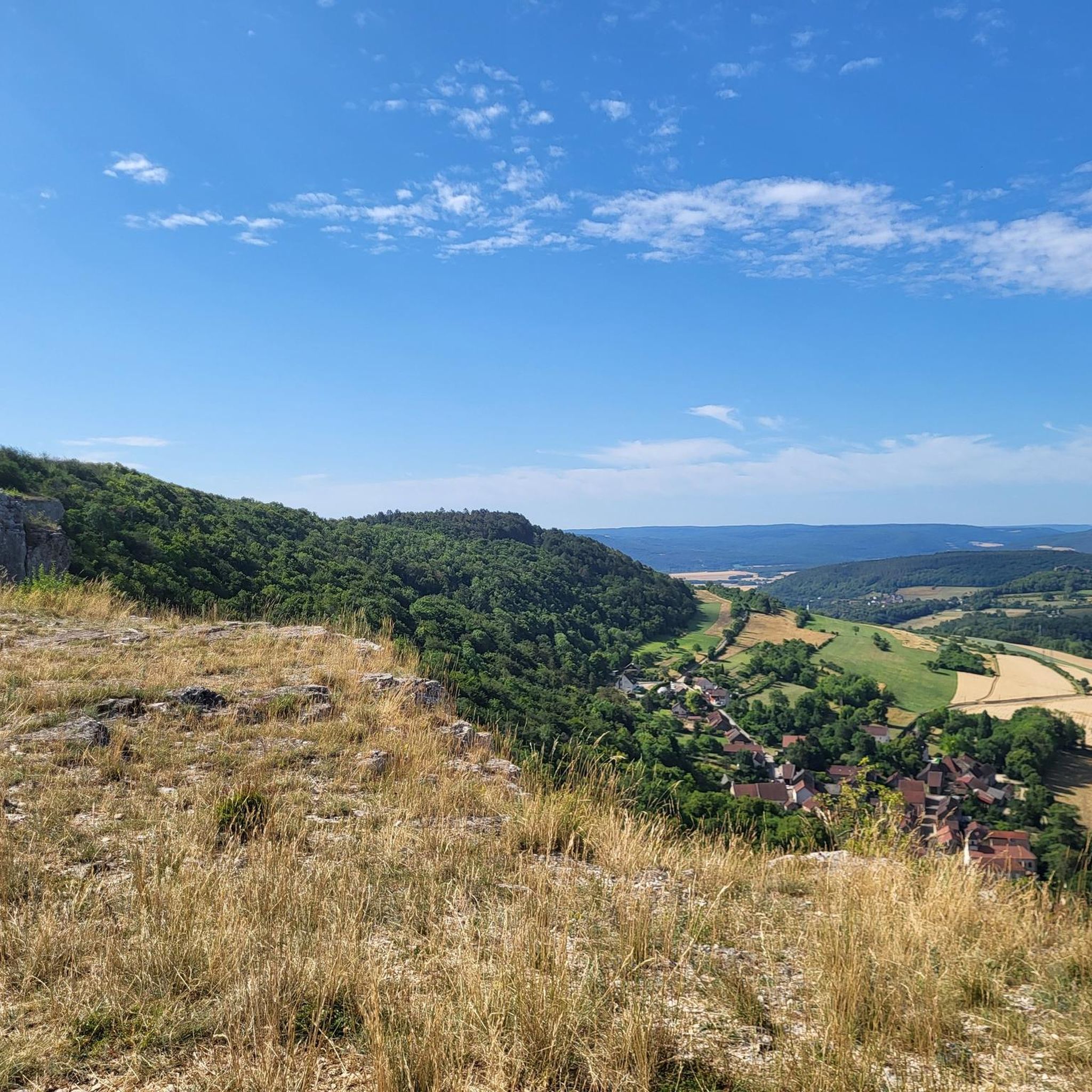
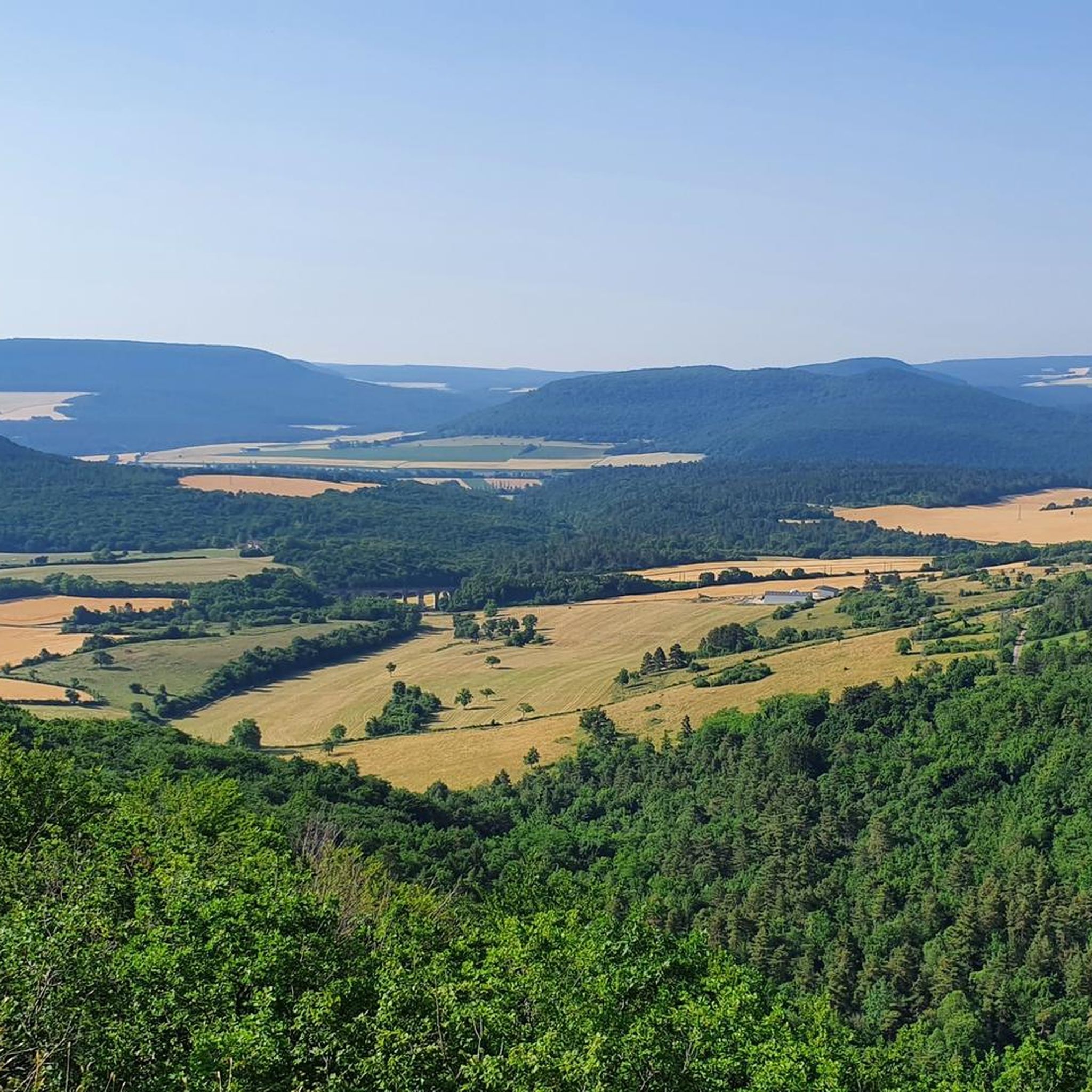
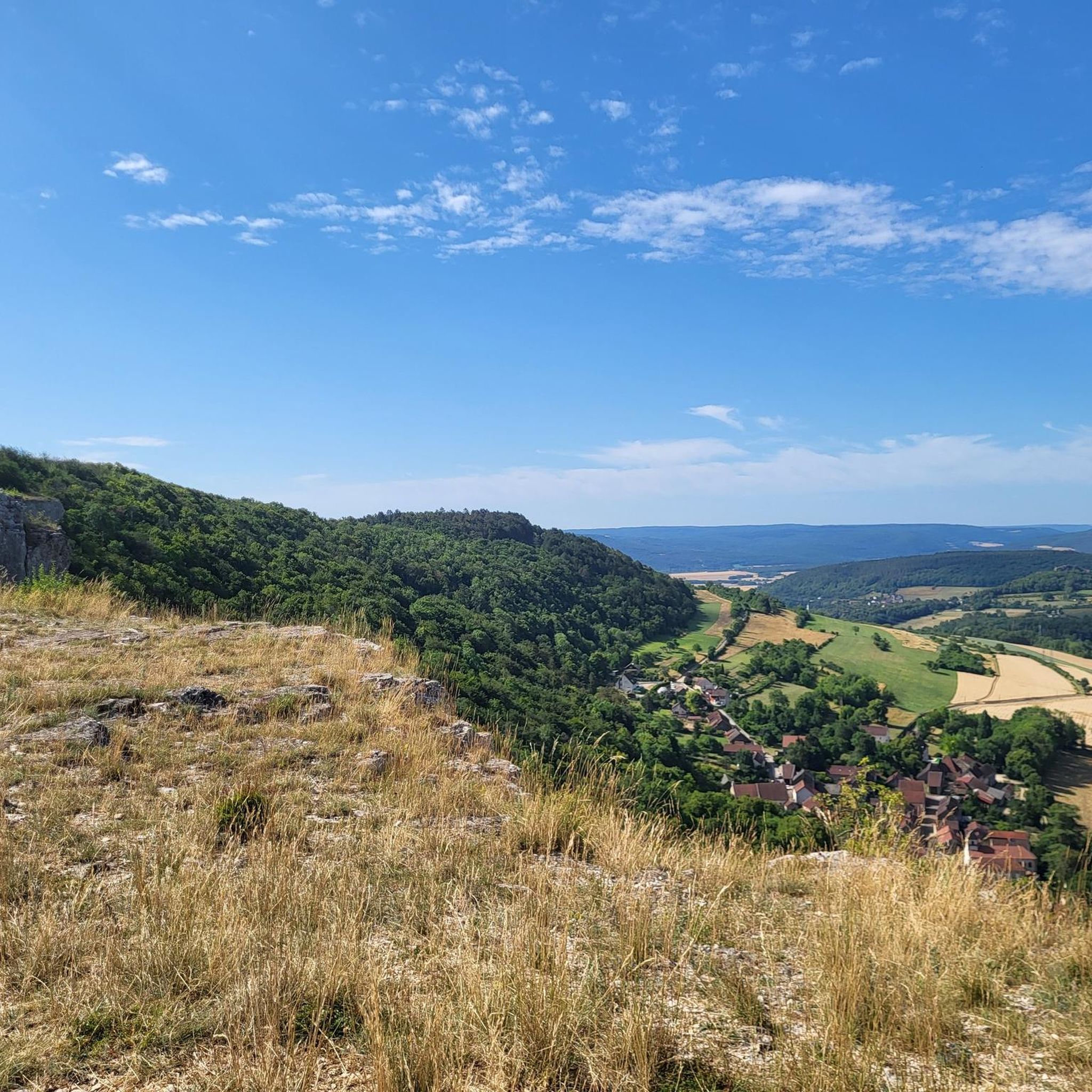
Panorama of the Baulme‑la‑Roche Rocks
Highlight • Natural Monument
Translated by Google •
Tip by

La Roche Virante
Highlight • Natural Monument
At the bottom …
Translated by Google •
Tip by

Sign up now to discover places like this
Get recommendations on the best single tracks, peaks, & plenty of other exciting outdoor places.
Sign up for free
Source of the Seine
Highlight • River
Translated by Google •
Tip by

CLM Canal de Bourgogne
Highlight (Segment) • Other
Translated by Google •
Tip by
Gouffre du creux Percé
Highlight • Viewpoint
Translated by Google •
Tip by

Sign up for free to discover even more attractions around Trouhaut.
Sign up for free
Already have an account?
Start today with a free account
Your next adventure awaits.
Login or Signup

Tips from the Community

A bucolic, clean, well-maintained, and shaded spot, with tables and trash cans for picnicking. It's officially a Paris commune, but it looks nothing like Paris.
0
0

The Creux Percé is an inverted cone-shaped collapsed chasm approximately 60 m deep and with a circumference ranging from 35 to 25 m at the surface. This chasm is primarily known to speleologists. Exploration of this chasm and its lateral networks began in the 19th century. This site has long been a natural icehouse with a bottom that reaches sub-zero temperatures, even in summer. https://www.bourgogne-tourisme.com/ In May 2025, a special outing, supervised by the Dijon Speleo Club, will allow visitors to descend into this crater.
1
0
There's a signposted and very beautiful circular trail that includes the source of the Seine. Learn more on the official website here: https://www.cotedor-randonnee.com/
1
0

Not only rivers as natural watercourses run through the country, but also many - artificially created - canals. In times long past, they were an essential part of the transport infrastructure, before rail and road took over this role. But even if this canal flowing through Burgundy is nowhere near as famous as the almost legendary "Canal du Midi" (which has at least been declared a UNESCO World Heritage Site), the "Canal de Bourgogne" here near Dijon offers very nice opportunities for exercise in nature.
0
0
Wikipedia reports: "The source of the Seine is located on the plateau of Langres, 25 km north-west of Dijon in the Côte-d'Or department in the Bourgogne-Franche-Comté region, 470 m above sea level. A special feature is that the sources of the Seine were the property of the city of Paris from 1864 onwards. An artificial grotto was built a year later to protect the main source and a statue of a nymph was erected to symbolize the river. Paris has since returned the property to the region. Near the source are the remains of a Gallo-Roman temple in which a Dea Sequana (Latin goddess of the Seine) was worshipped. The archaeological finds from this are now in the archaeological department of the Musée des Beaux-Arts in Dijon."
2
1

The Seine is a river 777 km long and flows into the English Channel.
4
0

At the top of the valley, this huge rock is a top climbing spot. The view is also impressive.
2
0
From the top of these cliffs, the panoramic view is magnificent. The cliffs have a height of about 100 meters and a dizzying drop, so you have to be careful.
6
0
Frequently Asked Questions
What are some highly-rated natural attractions around Trouhaut?
The region around Trouhaut offers several impressive natural sites. The Panorama of the Baulme‑la‑Roche Rocks provides magnificent views from cliffs about 100 meters high over the Baulme-la-Roche valley and the Ouche valley. Another popular spot is the Source of the Seine, marked by a grotto and sculpture, offering a pleasant area for picnics. You can also explore La Roche Virante, a natural monument known for hiking and climbing, featuring cliffs and a cave with impressive valley views.
What historical and cultural sites can I visit near Trouhaut?
Trouhaut is a great base for exploring rich historical and cultural sites. Dijon, the regional capital, is about 23 km away and boasts the magnificent Palais des Ducs et des États de Bourgogne, the distinctive Church of Notre Dame, and the Cathédrale Saint-Bénigne de Dijon. Further afield, you can visit Fontenay Abbey, a UNESCO World Heritage site and the oldest Cistercian abbey, or the historic Hospices de Beaune with its iconic colorful roof tiles.
Are there any 'most beautiful villages' to explore near Trouhaut?
Yes, two of France's 'most beautiful villages' are located near Trouhaut. Châteauneuf-en-Auxois, approximately 21 km away, is a charming village recognized for its beauty. Another is Flavigny-sur-Ozerain, about 22 km distant, known for its ancient center and fortified walls.
Where can I find panoramic views of the region?
For breathtaking panoramic views, visit the Panorama of the Baulme‑la‑Roche Rocks, offering vistas over the Baulme-la-Roche and Ouche valleys. Another excellent spot is Point de vue des Celerons, which provides fantastic views over the Combe des Vaux des Roches gorge. Mont Tasselot, dominating Trouhaut at 598 meters, also offers beautiful views of the Auxois and Morvan regions.
Are there opportunities for hiking or mountain biking near Trouhaut?
Absolutely. The area around Trouhaut is excellent for outdoor activities. You can find numerous hiking trails, including routes like 'Les roches de Baulme la Roche' or 'Celerons viewpoint – Creux Perçé Chasm loop'. For mountain biking, trails like 'La Roche Virante – Baulme-la-Roche Cliff loop' are available. You can find detailed routes and guides for these activities on the Hiking around Trouhaut and MTB Trails around Trouhaut guide pages.
What unique natural phenomena can I discover?
Near Trouhaut, you can explore the Creux Percé, an inverted cone-shaped collapsed chasm approximately 60 meters deep, historically known as a natural icehouse due to its consistently sub-zero temperatures. The region also features several accessible caves, with at least one that can be walked through, offering a glimpse into the area's geological formations.
Are there family-friendly attractions or activities around Trouhaut?
Yes, several attractions are suitable for families. The Source of the Seine offers a spacious meadow with wooden tables, perfect for picnics and playing. The Panorama of the Baulme‑la‑Roche Rocks is also equipped for family picnics, with marked paths and nearby parking. Additionally, the Morvan Regional Natural Park, about 41 km away, provides quiet countryside ideal for family outings.
What is the best time of year to visit Trouhaut and its surrounding attractions?
The best time to visit Trouhaut and its surrounding attractions is generally from spring to early autumn (April to October). During these months, the weather is typically pleasant for outdoor activities like hiking and exploring historical sites. Summer offers warmer temperatures, ideal for picnics and longer days, while spring and autumn provide beautiful scenery with blooming flowers or vibrant fall foliage.
What local historical sites are located directly within Trouhaut?
Within Trouhaut itself, you can visit the Église Saint-Philibert, a church originally from the 12th century and rebuilt in the 15th, featuring a unique lava roof connecting it to the presbytery. The Chapelle Saint-Éloi in the hamlet of Fromenteau, a 16th-century chapel with an inverted boat hull-shaped timber frame, is also notable. Additionally, Trouhaut is home to an 18th-century Château and the historic Ancien Prieuré Saint-Eutrope.
What do visitors enjoy most about the attractions around Trouhaut?
Visitors particularly enjoy the stunning panoramic views, such as those from the Panorama of the Baulme‑la‑Roche Rocks, often described as one of the most beautiful in the region. The tranquil setting of the Source of the Seine, with its picnic areas, is also highly appreciated. Many are drawn to the opportunities for hiking and climbing in areas like La Roche Virante, which offers an almost mountainous atmosphere and impressive vistas.
Are there any specific walking tours or trails in Dijon?
Yes, in Dijon, you can follow the 'Owl Walk' (Parcours de la Chouette), a self-guided walking tour that leads visitors to the city's main historical spots. The path is marked by bronze owl arrows on the ground, making it an engaging way to explore the capital's rich heritage.
Can I find any châteaux or abbeys to visit in the wider region?
Beyond Trouhaut, the region is rich in châteaux and abbeys. You can visit the magnificent Fontenay Abbey, a UNESCO World Heritage site, or the historic Château de Bussy-Rabutin, a National Monument. There's also the notable Château d'Arcelot and the Abbaye de la Bussière, which features remarkable gardens.
Most popular routes around Trouhaut
Most popular attractions around Trouhaut

Get inspired with the komoot mobile app


Explore more
Still not found the Highlight you’re looking for? See guides of the top attractions in other regions:
