Attractions and Places To See around Valdivienne - Top 13
Best attractions and places to see around Valdivienne include a variety of historical sites and natural features. Located in the Vienne department of Nouvelle-Aquitaine, France, the region blends historical richness with natural beauty. The area is characterized by its position in the Vienne River valley, offering scenic landscapes. Visitors can explore medieval heritage and diverse outdoor activities.
Best attractions and places to see around Valdivienne
- The most popular attractions is Medieval City of Chauvigny, a historical site known for…
Last updated: August 25, 2026
Medieval City of Chauvigny
Highlight • Historical Site
Translated by Google •
Tip by

Merovingian Necropolis
Highlight • Historical Site
Translated by Google •
Tip by

Sign up now to discover places like this
Get recommendations on the best single tracks, peaks, & plenty of other exciting outdoor places.
Sign up for free
Château de Morthemer
Highlight • Castle
Translated by Google •
Tip by

Lussac Pond
Highlight • Other
Translated by Google •
Tip by
Saint Peter's Collegiate Church
Highlight • Religious Site
Translated by Google •
Tip by

Sign up for free to discover even more attractions around Valdivienne.
Sign up for free
Already have an account?
Start today with a free account
Your next adventure awaits.
Login or Signup

Tips from the Community

Chauvigny is a charming commune located in the Vienne department of the Nouvelle-Aquitaine region in west-central France. Famous for its historical heritage, Chauvigny is a true treasure of the region, offering a rich combination of medieval monuments, picturesque landscapes, and cultural activities. History and Architecture Medieval Heritage: Chauvigny is renowned for its impressive medieval remains. The town is dominated by several castles, including the Château des Evêques, the Château de Gouzon, and the Château de la Mothe. These fortifications are a testament to Chauvigny's strategic importance in the Middle Ages. Église Saint-Pierre: The Église Saint-Pierre is another notable example of Chauvigny's religious heritage. It is renowned for its Romanesque architecture and sculptures. Les Remparts: The town's well-preserved ramparts offer panoramic views of the surrounding area and add to the town's historical charm. Activities and Attractions Regional Natural Park: Chauvigny is located near the Brenne Regional Natural Park, a region known for its biodiversity and natural landscapes, offering many opportunities for hiking and wildlife observation. Guided Tours: The city offers guided tours to discover its rich architectural and historical heritage. Tourist trails highlight key sites and their history.
1
0

“Death would gladly walk through the realm of joy, He would gladly press his hand on flowery brows. In ashes tomorrow and torn garments, With bowed head, the memory of joy will be a reproach and a pain to us. Our games are followed by funeral processions; For us Saturnalia can be the cradle, Woe to us! of songs of the dead alone!” Text: Victor HUGO, (1802 – 1885): “Ode sur la mort du duc de Berry” (1820)
0
0

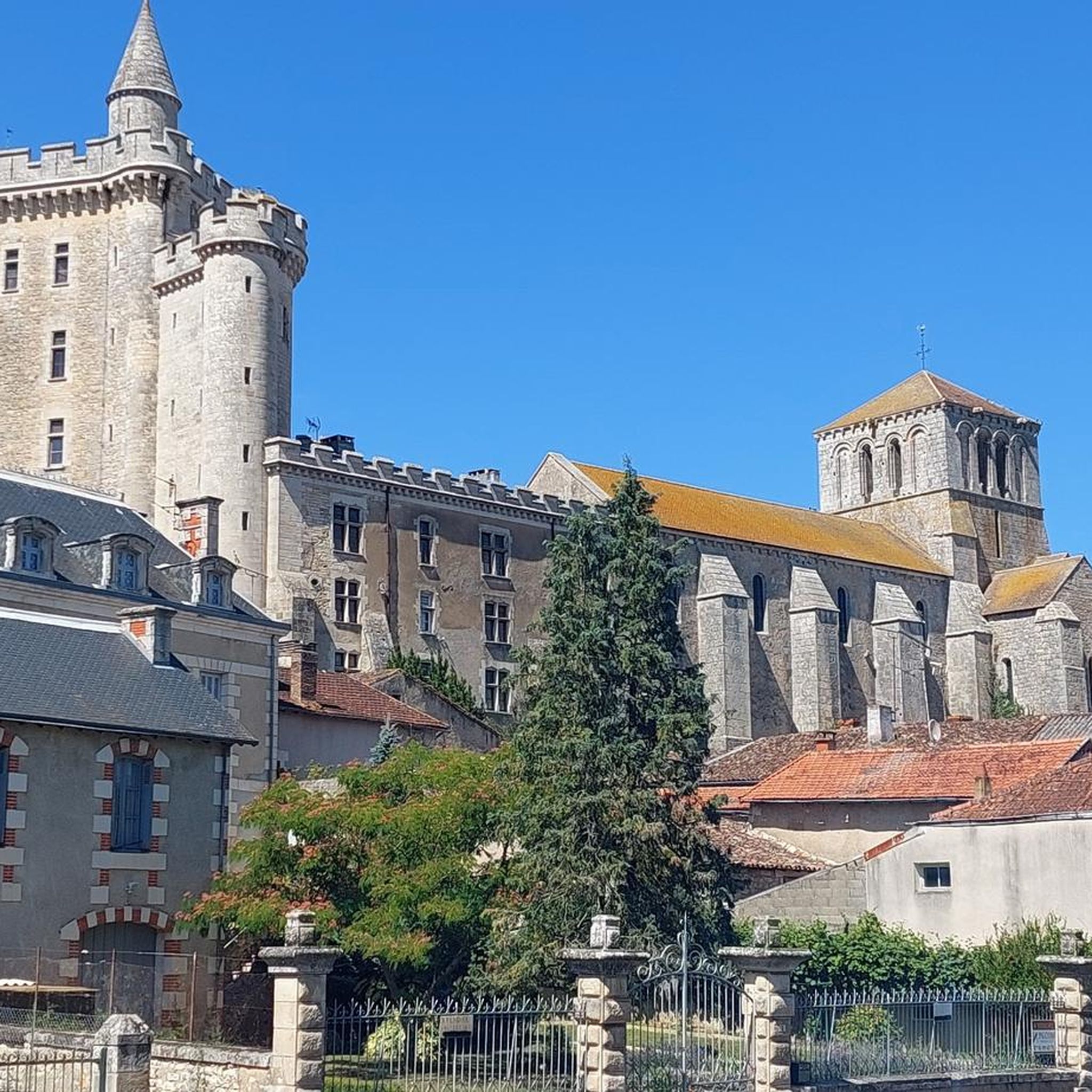
The Romanesque keep of the Château de Morthemer is mentioned as early as 1077 and is a fantastic example of a church-castle in Vienne.
3
0
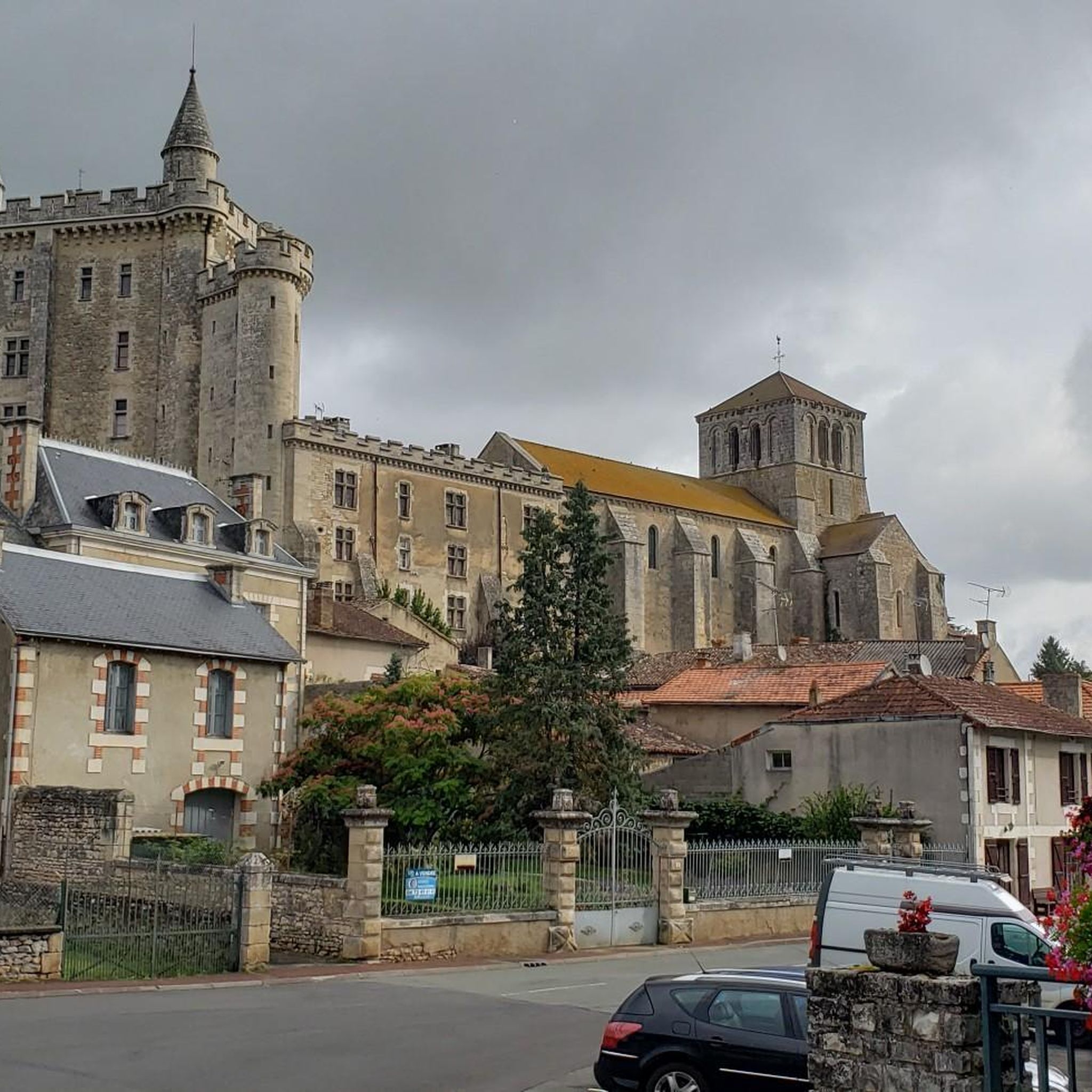
The Romanesque keep of Morthemer castle is mentioned as early as 1077 and is a fantastic example of a church-castle in Vienne.
3
0

Quite impressive necropolis dating from the 4th century and which has housed more than 1000 graves! The place is fascinating and mysterious.
1
0
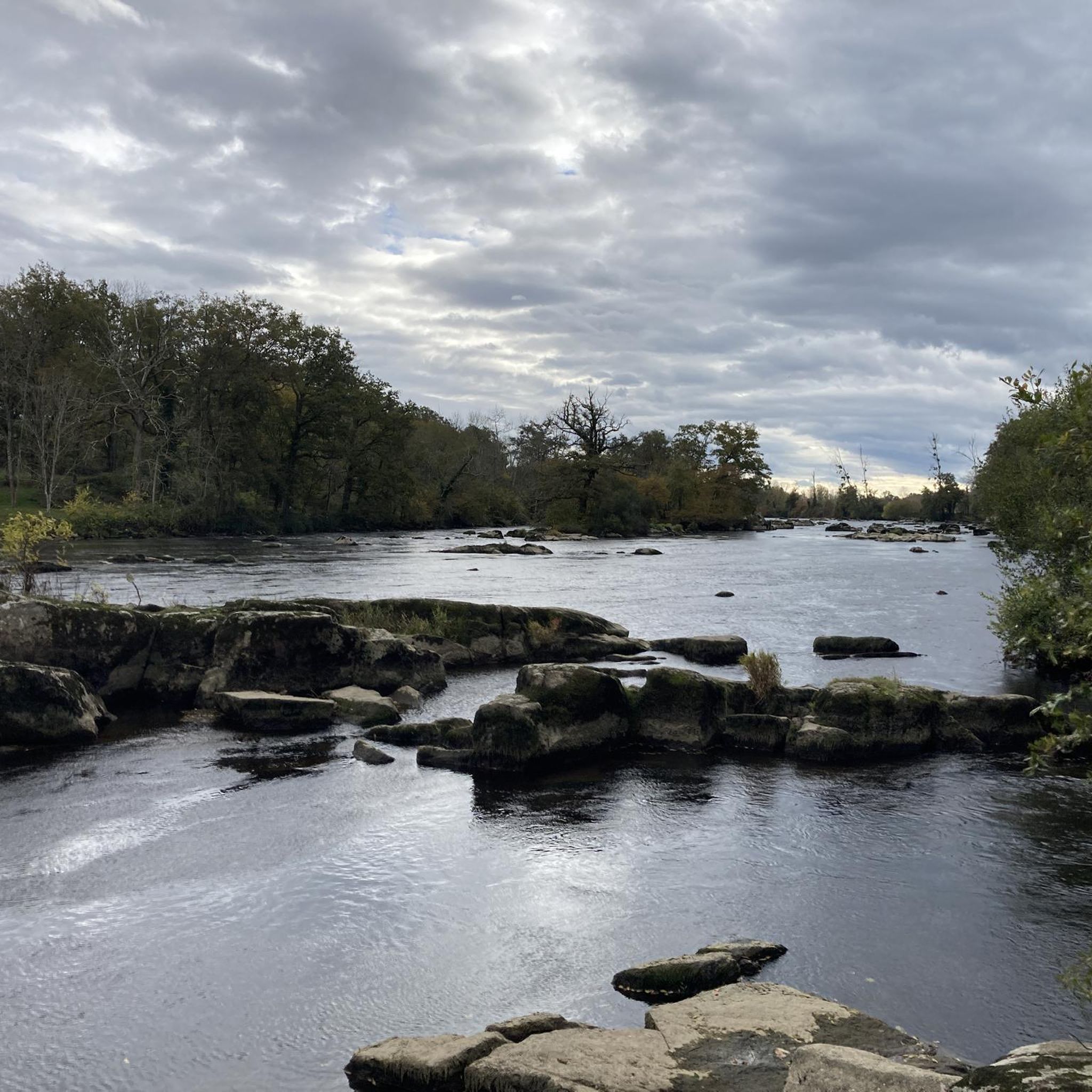
Located close to the city center, the pond is bordered by prehistoric caves. You can also see the piles of the old medieval drawbridge. Picnic tables on the banks.
1
0

Its perched castle with its historic district, its eagle show, its market on Saturday mornings in the lower part of the town, just as delightful...Unmissable for those who don't know!
2
0

Seat of a castellany mentioned as early as 1077 and erected as a barony in the 15th century, the Romanesque keep of the castle of Morthemer has been the subject of excessive restoration on the elevation. These works were entrusted from 1865 by Baron de Soubeyran, a wealthy financier and deputy, to Boeswillwald, a disciple of Viollet-le-Duc. The keep was originally a square five-storey tower; it was connected to the church by a 17th century dwelling. Outrageous, this restoration perfectly applies the theories and options of the architect relating to fortified castles; in this respect, the example is unique in Vienne. The building nevertheless remains a spectacular example of a castle-church. Registration Historic Monuments in 1927.
3
0
Frequently Asked Questions
What historical sites can I explore around Valdivienne?
The region is rich in history. You can visit the impressive Medieval City of Chauvigny, known for its castles and ramparts. Other notable historical sites include the ancient Merovingian Necropolis near Civaux, the Romanesque Saint Peter's Collegiate Church in Chauvigny, and the historic Château de Touffou. Further afield, the UNESCO World Heritage site of Abbatiale de Saint-Savin sur Gartempe, known as the "Romanesque Sistine Chapel," is also a must-see.
Are there any natural attractions or scenic spots near Valdivienne?
Yes, the area offers several natural features. Lussac Pond is a beautiful spot bordered by prehistoric caves, perfect for picnics. The Vienne River Valley provides scenic landscapes for walks and outdoor activities. Additionally, Chauvigny is close to the Brenne Regional Natural Park, which is excellent for hiking and wildlife observation.
What family-friendly activities are available around Valdivienne?
Families can enjoy several attractions. The Medieval City of Chauvigny offers guided tours and a medieval festival. For animal lovers, La Planete des Crocodiles in Civaux allows visitors to discover various crocodile species. The Chauvigny Rail Bike (VéloRail) provides a unique way to explore the countryside on a cyclo-draisine. While further away, Futuroscope is a major theme park with immersive experiences.
Where can I go hiking near Valdivienne?
There are several hiking opportunities in the area. You can find routes like the Château de Morthemer Loop or the Lime kiln loop from Tercé. For more options, explore the dedicated hiking guide: Hiking around Valdivienne.
Are there cycling routes available around Valdivienne?
Yes, the region offers various cycling routes. Options range from easy rides like the Vélorail de Chauvigny – Château de Touffou loop to more challenging ones like the Medieval City of Chauvigny – View of the Wild Vienne River loop. Discover more routes in the cycling guide: Cycling around Valdivienne.
What are some lesser-known historical gems in the Valdivienne area?
Beyond the main attractions, you can discover the historic Château de Morthemer and its Romanesque Église Notre-Dame de Morthemer, both recognized as Historic Monuments. Other ancient structures include the Château de Traineau, Tour de Fressine, and Tour de Cognac, offering glimpses into the area's medieval past.
What is the best time of year to visit Valdivienne for outdoor activities?
The spring and autumn months generally offer pleasant weather for outdoor activities, with milder temperatures ideal for hiking and cycling. Summer can be warm, but still suitable for exploring, especially around natural features like Lussac Pond. Winter might be less ideal for some outdoor pursuits but can offer a quieter experience for historical site visits.
Can I find mountain biking trails near Valdivienne?
Absolutely. The area provides several mountain biking trails, such as the View of the Wild Vienne River – Baiken Trail loop from Jardres or La Petite Blourde loop from Lussac-les-Châteaux. For a comprehensive list of trails, check out the MTB guide: MTB Trails around Valdivienne.
What do visitors enjoy most about the Medieval City of Chauvigny?
Visitors particularly enjoy its impressive medieval heritage, including the perched castles and historic district. The well-preserved ramparts offer panoramic views, and the town's cultural activities, such as the medieval festival and Saturday morning market, are highly appreciated. The Saint Peter's Collegiate Church is also noted for its striking Romanesque architecture.
Are there any castles to visit in the vicinity of Valdivienne?
Yes, the region is home to several castles. The Medieval City of Chauvigny features multiple castles, including the Château des Evêques and Château de Gouzon. The Château de Touffou, overlooking the Vienne River, is classified as a Historic Monument and offers guided tours. Additionally, the historic Château de Morthemer and Château de Traineau are notable.
What is the significance of the Merovingian Necropolis near Civaux?
The Merovingian Necropolis is an impressive historical site dating from the 4th century. It housed over 1000 graves and is described by visitors as a fascinating and mysterious place, offering a unique glimpse into ancient history near the Lussac Pond.
Most popular routes around Valdivienne

Get inspired with the komoot mobile app


Explore more
Still not found the Highlight you’re looking for? See guides of the top attractions in other regions:
