Attractions and Places To See around Tréjouls - Top 14
Best attractions and places to see around Tréjouls include a blend of historical sites and natural features within the rural commune of Tarn-et-Garonne. The region is characterized by its Tertiary lacustrine limestones, supporting diverse flora including over 20 species of orchids. Tréjouls serves as a base for exploring the heritage and landscapes of the Quercy Blanc region. The area features historical architecture and natural areas of ecological interest.
Best attractions and places to see around Tréjouls
- The most popular attractions…
Last updated: June 29, 2026
Place des Cornières de Lauzerte
Highlight • Historical Site
Many of …
Translated by Google •
Tip by

Montcuq Old Town
Highlight • Historical Site
Translated by Google •
Tip by

Sign up now to discover places like this
Get recommendations on the best single tracks, peaks, & plenty of other exciting outdoor places.
Sign up for free
Saint-Hilaire Church of Montcuq
Highlight • Religious Site
Translated by Google •
Tip by

A typical local dovecote
Highlight • Monument
The construction of the 4 pillars is very interesting. The …
Translated by Google •
Tip by
Castelnau-Montratier
Highlight • Settlement
Translated by Google •
Tip by

Sign up for free to discover even more attractions around Tréjouls.
Sign up for free
Already have an account?
Start today with a free account
Your next adventure awaits.
Login or Signup
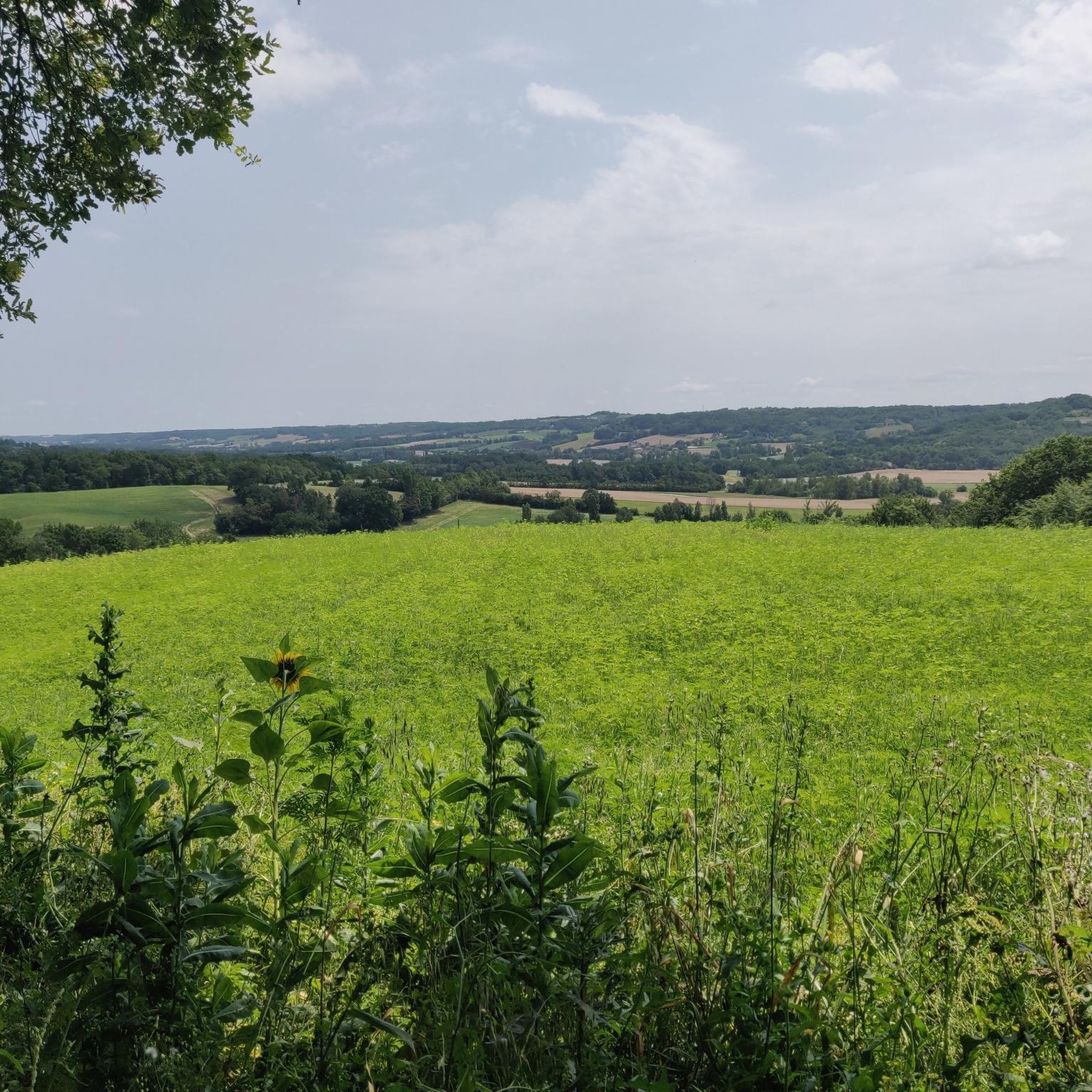
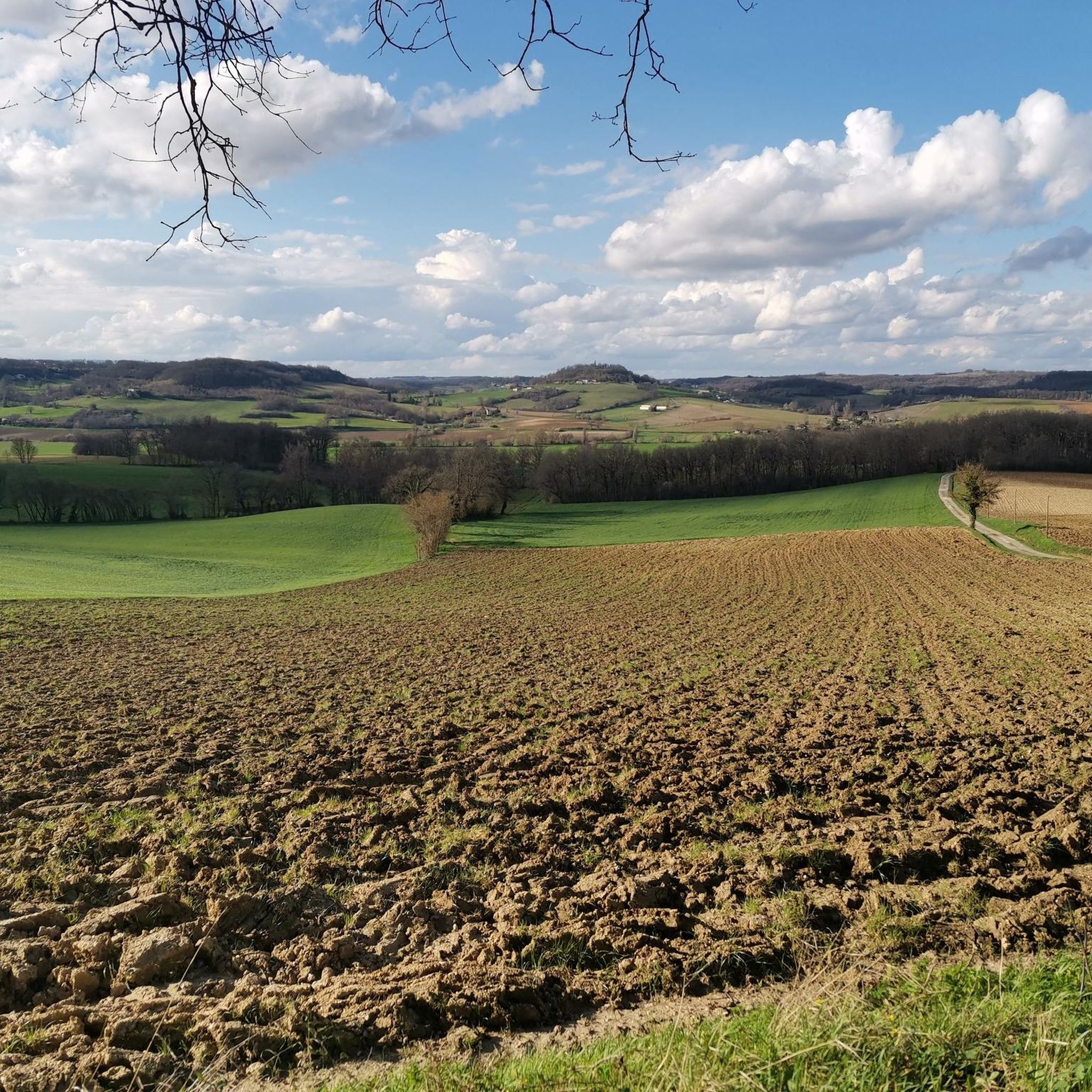
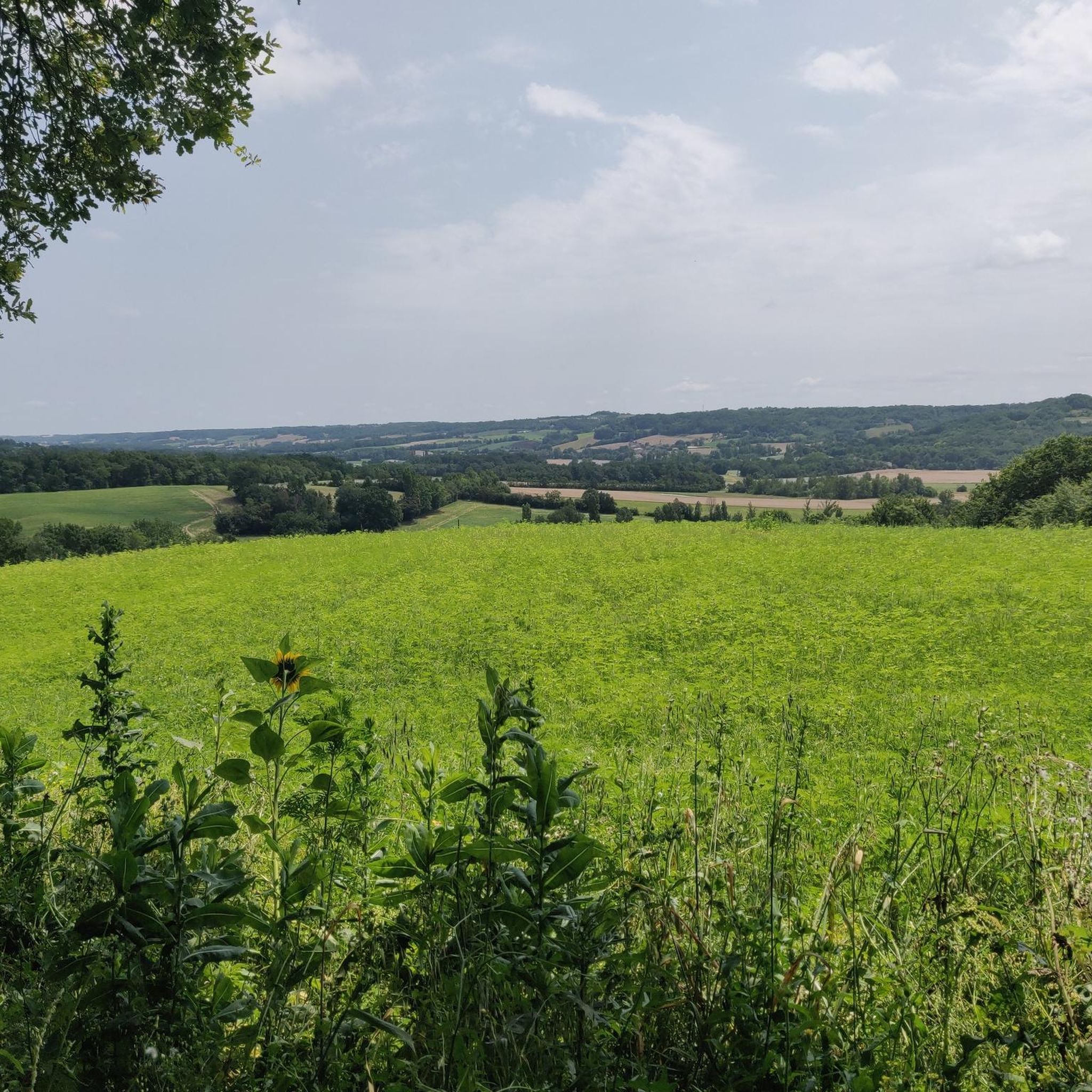

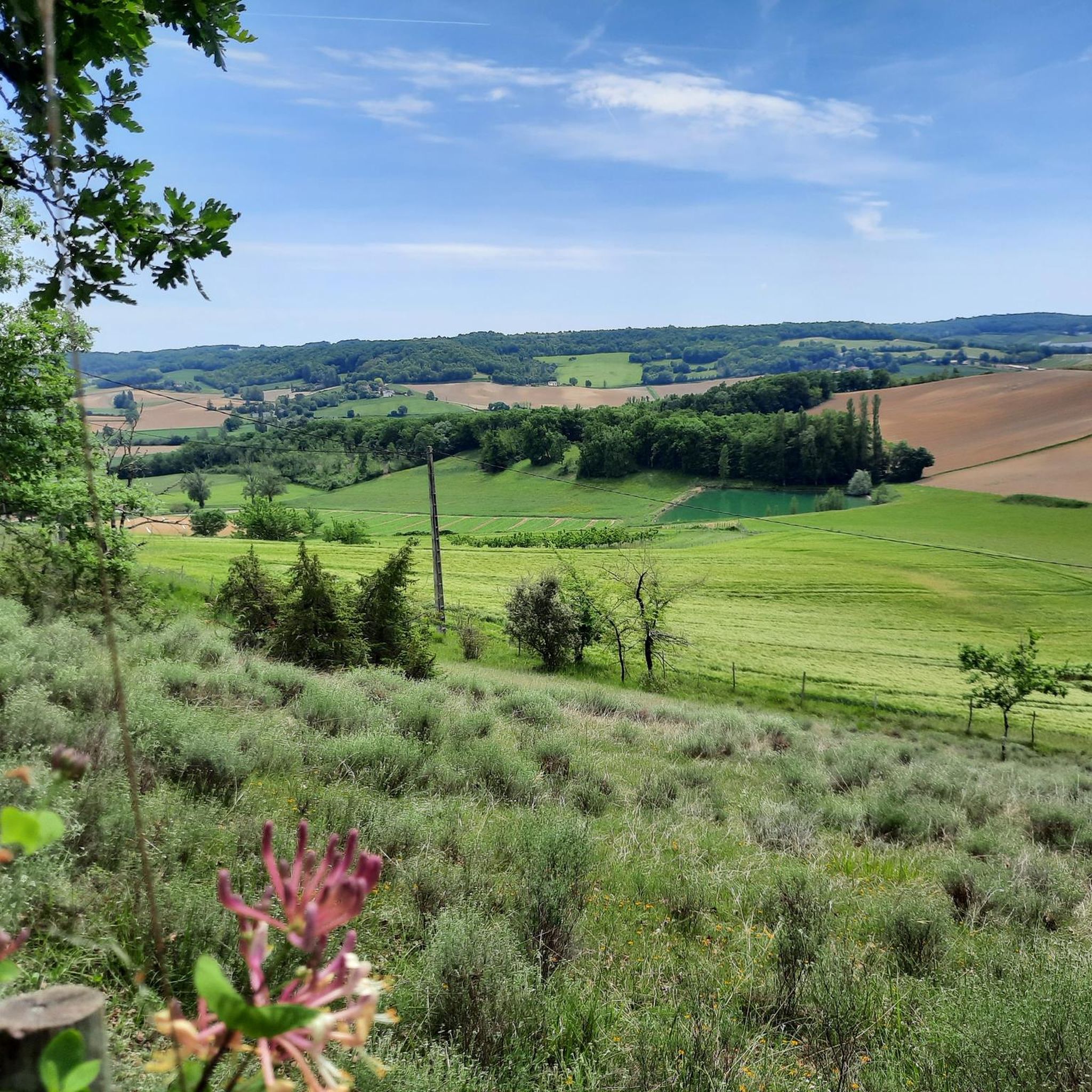

Tips from the Community

Castelnau-Montratier boasts a large arcaded square typical of fortified towns. Its Saint-Martin church features a Romanesque-Byzantine dome and offers a beautiful panoramic view of the valley. Strolling through its white stone streets, you'll discover a rich heritage of medieval houses, old mills, and Gallo-Roman remains.
0
0

Very pretty picturesque village
0
0

On the Way of St. James in Spain you can occasionally see similar constructions, which, however, do not represent pigeon houses, but used to serve as granaries. The essential detail of these buildings - standing on stilts - is the flat, plate- or lid-shaped end at the top of the supporting columns. This was of vital importance in ancient times, as they represent an insurmountable obstacle for voracious rodents such as mice or rats.
3
0

in Montcuq observe the sculptures of the St-Hilaire church, built around 1250/1270 in La COUnco (Conca in written oc, the SHELL) OUTSIDE the first ramparts (it replaced a primitive St-Sernin, located at the foot of the tower , Place del Plàn, west, therefore prior to Charlemagne) The church, said OUTSIDE the WALLS again in 1350, is marked by interior sculptures (transept, choir, apse) of the most esoteric...their hidden meanings are foreign to Christianity. ..Other old medieval houses are also rich in sculptures with secret meanings: house with the sign "Four 4", shortly after the town hall going up towards St-Hilaire, on the right, 13th century house at the bottom and on the right from the rue du Plàn, Very old names have been preserved: Pàtus (= small square) del Potz/Pouttss, Carriéro (= Rue) de l'Aste (de la Lance en oc: Asto), Carriéro Dréytsho (rue Droite) d 'others, known: quarry of the Fourns, fourn nàut é fourn batch, quarry of the Gatsharîo, quarry of the Ribiéyro de Mouncuc, Fîu Soubiràn (Sovereign Fief "or--Sup Latin eranus--- "from the top of the town"), Cantou de Quantard, Cantou de VillaBorgonh--Billobourgounn--, Plàça de la Caminada (from the Old Presbytery after 1450, below the Parish House): under the Mediatheque , Prat del Gassàyrou, Bàrri (district) of Valeta, de Rozet, Camy de Pènn..etc..), have not had the happiness of being formalized, replaced by falsely "occitanizing" names! of Montcuq of the "vanellas (banéllos), empty spaces separate the houses and wide of 75cms, two and a half feet, a distance dating from the Roman Empire! Montcuq was legendaryly founded in the year of the Millennium of Rome, a combe bears the name de Vielha Roma" (Byélyo Roumo) OLD ROME,..the house at the bottom of the Rue du Plàn seems to have been a Jewish house, even of a rabbi and descendant of the tribe of Judah...In the Tower the points of the horizon indicated by the median axes of the openings, windows and door, correspond to places loaded with myths and related to sunrises and sunsets s solar, lunar, stars, constellations, on key dates of the year and therefore of the Old Calendar of the "Old Religion", as said of the secret and mysterious depths of old Quercy, the real one, not the one Tourists, such as "More-Than-Healer" of the Pays de Montcuq..
2
0
The problem is that Montcuq is a village in the OC region and that the pronunciation of the name follows the rules of OCCITAN, and southern French, region (33 departments in the south of France...) and languages ( Occitan and southern French) where ALL the LETTERS are PRONOUNCED!!....in all the Oc countries and in Quercy in particular (White or other!) we therefore pronounce "Monkükkk" by stating very clearly the last consonant.. .and if you want to be, or pass for being, from the country you will even pronounce "Mounnkükk" or even MounKütt"..as for the inhabitants, they are not the Montcuquois but the Mountcuquiols..and Quercy is pronounced Càrci (tonic accent on Cà ,Rroulé) and Quercy Blanc is called, in Oc, Càrci Albènc (albènnkk)...As for Barguelonne, we do not know it under the name of Barguelonnette...but, in Oc, of bargoLOUno...The name de Quercy-Blanc is very recent, it has no historical roots...it is a creation of geographers...the only old name is "Pàis dels Valls" (Country dellss Ballss: Spanish style)Country Valleys...(direct tributaries of the Middle Garonne) in a North-East to South-West direction... The causses are invaded by spontaneous Mediterranean vegetation, wild fig trees, pistachio trees, terebinths, asphodels, wild asparagus, Montpelleier maples, Phillyres (sub-Saharan shrubs!) attest that ..the environment lends itself to it...the great master of the sky in these regions is the Autan Wind..coming from the Balearic Islands...and the culture is all Occitan...
2
0

Montcuq means "a pointed height" in Celtic. Like Cajarc, mentioned above, Montcuq was also the subject of a report for Jacques Martin's comedy TV show in 1976: Le Petit Rapporteur. It was Daniel Prévost who cheerfully joked about Montcuq, obviously playing on the double meaning of the village's name. He could barely contain his laughter, and the mayor at the time played along: it was a cult classic. Today, the village continues to capitalize on this reputation, banking on the tourist benefits of pilgrims coming here. In July 2022, the village was chosen over the city of Lyon to host the first Popcorn Festival. "Popcorn" is a show broadcast every Tuesday on Twitch. It is hosted by Domingo with hand-picked guests. It discusses current events, but not only that. For over two and a half hours, the viewer has no time to get bored. The event is now one of the most watched on the streaming platform. Montcuq is a charming village. Its tree-lined promenade runs along the lower part of the village, offering a lovely stroll as well as a perfect place to relax.
2
1
Pleasant walk to discover the quercy blanc. With a plus on Sunday market day. Magnificent view of the village, discovery of a japan wind phone phone booth and picnic area in a wooden cabin.
2
0

The elevated village of Lauzerte, classified as one of the most beautiful villages in France and a stopover on the route to Santiago de Compostella, dominates the valleys and hills of the Quercy Blanc. Nicknamed the Toledo of Quercy, this medieval bastide, founded in 1241 by the Count of Toulouse, is home to a beautiful square with cornières in its city center, surrounded by old stone houses with wooden facades. At one of the ends, a surprising work of art – the curled corner – gives a particularly original touch to the whole! Next door, the Saint-Barthélemy Church deserves a visit for its beautiful Baroque altarpiece in gilded wood.
4
0
Frequently Asked Questions
What historical and cultural sites are there to visit near Tréjouls?
The region around Tréjouls is rich in history. You can explore the medieval bastide of Place des Cornières de Lauzerte, known for its arcaded market square and 13th-century church. Another significant site is Montcuq Old Town, dominated by a 12th-century keep. Don't miss the Saint-Hilaire Church of Montcuq, which has a rich local history. Further afield, the Saint-Pierre Abbey in Moissac and the Pont Valentré in Cahors are notable historical landmarks.
Are there any unique or lesser-known attractions in the Tréjouls area?
Yes, Tréjouls offers some unique sights. A notable example is A typical local dovecote, a well-preserved pigeon house with a unique construction designed to protect pigeons from rodents. The commune itself also features historical churches like the Église de l'Assomption de Tréjouls and the Église Saint-Urcisse de Saint-Urcisse, both referenced in historical databases for their cultural importance.
What kind of natural features and wildlife can I expect to see around Tréjouls?
Tréjouls is situated in the Quercy Blanc region, characterized by its Tertiary lacustrine limestones. The area boasts a remarkable natural heritage, including five identified natural areas of ecological interest. You can find diverse flora, with over 20 species of orchids and a wide range of wild plants. The landscape is also shaped by polyculture, featuring vineyards and orchards.
What outdoor activities are available near Tréjouls?
The Tréjouls area is excellent for various outdoor activities. You can find numerous routes for road cycling, gravel biking, and hiking. For example, there are challenging gravel biking routes like the 'Boisse windmill – Boisse Mill loop from Montcuq' and scenic hiking trails such as the 'Beautiful view of Lauzerte – Beautiful rest area loop from Lauzerte'. You can find more details on these activities in the dedicated guides for Road Cycling, Gravel Biking, and Hiking around Tréjouls.
Are there family-friendly attractions around Tréjouls?
Yes, several attractions are suitable for families. The Place des Cornières de Lauzerte offers an engaging historical setting to explore. The Saint-Hilaire Church of Montcuq is also listed as family-friendly. Exploring the charming streets of Montcuq Old Town can also be an enjoyable experience for all ages.
What are some recommended hiking trails near Tréjouls?
For hikers, there are several trails to explore. You can enjoy easy walks like the 'Lauzerte – Lauzerte Town Hall loop from Lauzerte' (5.9 km) or more moderate options such as the 'Beautiful view of Lauzerte – Beautiful rest area loop from Lauzerte' (10.6 km). For a longer challenge, consider the 'Lavender Field – View of Montcuq loop from Laumède' (26.8 km). Many of these trails offer beautiful views of the Quercy Blanc region. Find more hiking options in the Hiking around Tréjouls guide.
What are the best day trips from Tréjouls?
Tréjouls is well-positioned for exploring nearby towns. Lauzerte, recognized as one of France's 'most beautiful villages,' is just 7.7 km away. Montcuq, with its historic keep and lake, is about 8.3 km. For a larger town experience, Moissac (21.7 km) offers the impressive Saint-Pierre Abbey, and Cahors (25.1 km) is famous for its Pont Valentré. Castelnau-Montratier, with its arcaded square and Romanesque-Byzantine dome, is also a charming option.
What is the best time of year to visit Tréjouls for outdoor activities?
The region's climate is generally favorable for outdoor activities. Spring and autumn typically offer pleasant temperatures for hiking and cycling, allowing you to enjoy the diverse flora and landscapes without extreme heat. Summer can also be enjoyable, especially for activities near water or in the early mornings/late afternoons, but be prepared for warmer weather.
Are there any cycling routes around Tréjouls?
Yes, the area around Tréjouls provides excellent opportunities for cyclists. You can find various road cycling routes, including the 'Beautiful village loop from Saint-Urcisse' (68 km) and the longer 'Pont Valentré – Moissac Canal loop from Sainte-Juliette' (131 km). For gravel biking enthusiasts, there are routes like the 'Gravel loop from Montcuq' (17.5 km). Explore more options in the Road Cycling and Gravel Biking around Tréjouls guides.
What do visitors enjoy most about the attractions around Tréjouls?
Visitors particularly appreciate the historical charm and well-preserved heritage of the area. The beautiful market square of Lauzerte with its arcades and medieval facades is often highlighted. The unique construction of local dovecotes also captures interest. Many enjoy the picturesque old towns like Montcuq, with its small streets and stone houses, offering magnificent views of the Quercy-Blanc region.
Is Tréjouls located near any famous pilgrimage routes?
Yes, Tréjouls is close to the Via Podiensis, which is part of the historic GR 65 pilgrimage route to Santiago de Compostela. This proximity offers opportunities for walkers and pilgrims to experience sections of this renowned path, with stages like Montcuq - Lauzerte passing nearby.
Most popular routes around Tréjouls

Get inspired with the komoot mobile app


Explore more
Still not found the Highlight you’re looking for? See guides of the top attractions in other regions:
