Top 5 Castles around Guéhenno
Best castles around Guéhenno are found within the Morbihan region of Brittany, offering a glimpse into centuries of local history. This area is characterized by its rural setting and historical estates, including manors and châteaux. These sites provide architectural insights and reflect the region's past. Exploring these historical buildings is a key activity in the Guéhenno countryside.
Best castles around Guéhenno
- The most popular castles is Château de Josselin seen from the Sainte-Croix bridge, a castle that was erected at the beginning of the 11th century and later modernized by the Rohan family. From this viewpoint, visitors can see the castle's imposing structure overlooking the Oust valley.
- Another must-see spot is Josselin Castle, a castle with imposing towers reflected in the River Oust. Its architecture displays a blend of feudal medieval elements on the river side and refined 15th-century Breton design on the courtyard side.
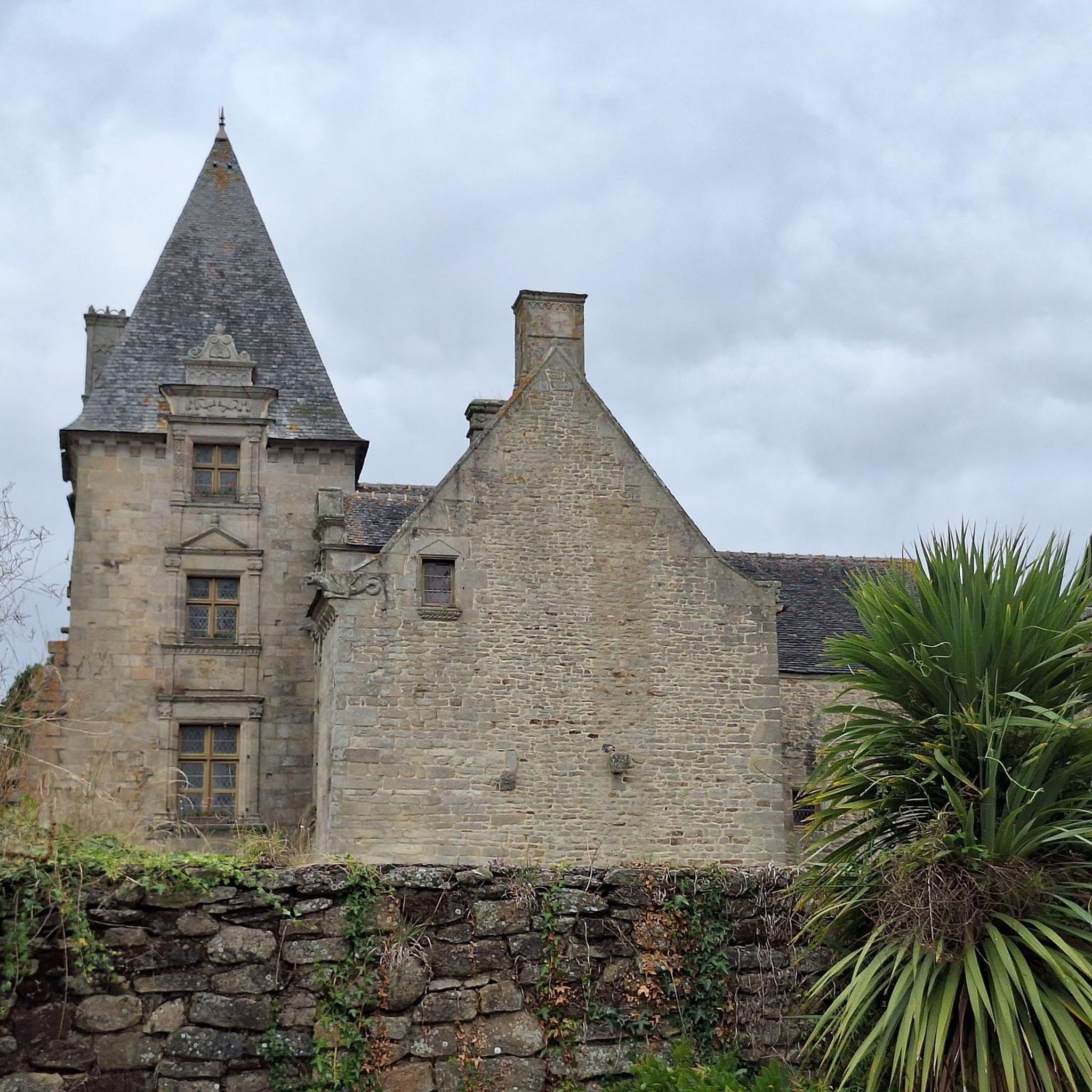
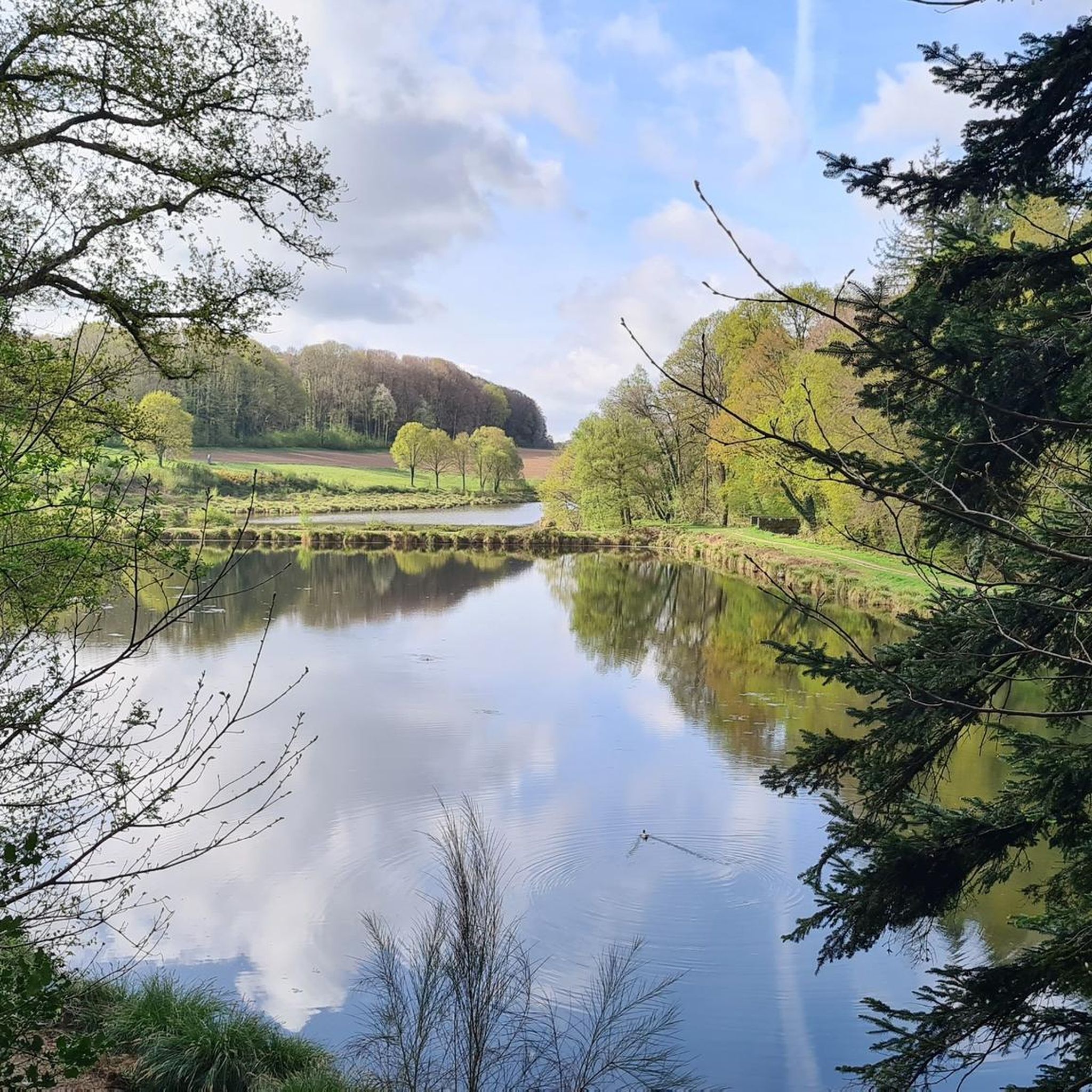
- Visitors also love Château de Trédion, a castle that belonged to the Duchy of Brittany. This private domain features a park with an artificial river, waterfall, and pond, registered in the pre-inventory of remarkable gardens.
- Guéhenno is known for its variety of historical estates, including manors and châteaux. These range from 11th-century fortresses to 17th-century manor houses, offering diverse architectural styles and historical periods to explore.
- The castles around Guéhenno are appreciated by the komoot community, with 288 upvotes and 49 photos shared by visitors.
Last updated: August 23, 2026
Château de Josselin seen from the Sainte-Croix bridge
Highlight • Castle
The castle can be visited and also houses a museum of dolls and toys.
Translated by Google •
Tip by

Josselin Castle
Highlight • Religious Site
Translated by Google •
Tip by

Sign up now to discover places like this
Get recommendations on the best single tracks, peaks, & plenty of other exciting outdoor places.
Sign up for free
Château de Trédion
Highlight • Castle
Translated by Google •
Tip by

Start today with a free account
Your next adventure awaits.
Login or Signup



Tips from the Community

Magical town with a fairytale castle. (however, I recommend you swerve the Logis Hotel-Restaurant du Chateau). Or if you can find no other accommodation, at least avoid eating in the restaurant, which was one of the few outright poor places to eat I've found in France.
0
0

Very beautiful castle on the canalized Oust
0
0

Beautiful picturesque town with a spectacular castle and old half-timbered houses
1
0

It looks beautiful when you come along the bike path along the canal.
0
0

From this point, you have a superb view of the Josselin castle. There are opportunities for free and guided tours. The annual closure is from November 1 to April 8. The Castle dates from the beginning of the 11th century, when the nearby Viscount of Porhoët had a palisade built on this rocky promontory overlooking the Oust valley. In 1370, Olivier de Clisson, constable of France, had the fortress built.
0
0

The Château de Josselin is a two-faced building whose architectural details tell a thousand-year-old story. Standing on a rocky outcrop, it overlooks the Oust valley. On the river side, an austere facade evokes the feudal struggles of the Middle Ages. On the courtyard side, a more refined sculpted granite facade offers a particularly well-preserved example of Breton architecture from the end of the 15th century and the beginning of the 16th century.
1
0

The castle's imposing towers are reflected in the River Oust. Owned by the Rohan family, one of the oldest families in Brittany, it is the symbol of this pretty town. Plan half a day to stroll through the charming streets of this "petite cité de caractère" (small, particularly picturesque town) and also visit the basilica.
3
0

Magnificent interior gardens as well
0
0
Frequently Asked Questions
What are some of the most historically significant castles or manors near Guéhenno?
Beyond the well-known castles, the region boasts several historically significant manors. The Manoir de Lemay, a 16th-century Renaissance hunting lodge near Guéhenno, is a listed Historic Monument known for its architecture and cultural events. Another notable site is the Château de Trémohar in Berric, with origins dating back to the 13th century, offering insights into 800 years of history and occasionally hosting guided tours of its park. For a glimpse into medieval fortified architecture, the Château du Bois de la Roche in Néant-sur-Yvel, though further afield, was an important fortress rebuilt in the late 15th century.
Are there family-friendly castles to visit around Guéhenno?
Yes, several castles and manors offer family-friendly experiences. Château de Josselin seen from the Sainte-Croix bridge and Josselin Castle are both listed as family-friendly and offer a rich historical experience. The castle itself houses a museum of dolls and toys, which can be engaging for younger visitors. Additionally, the park at Château de Trédion, with its artificial river, waterfall, and pond, provides a pleasant setting for families to explore.
What kind of outdoor activities can I do near the castles around Guéhenno?
The area around Guéhenno offers various outdoor activities, especially hiking and cycling. You can find numerous routes, such as the 'Moulin du Roc – Kerguéhennec Pond loop' for hiking, or longer cycling tours like the 'Josselin Castle – Malestroit Lock loop'. For more detailed information and route options, explore the dedicated guides for Hiking around Guéhenno and Cycling around Guéhenno.
What is the best time of year to visit castles near Guéhenno?
The best time to visit castles near Guéhenno is generally from spring to early autumn (April to October). During these months, the weather is more favorable for exploring the grounds and parks, and many sites, like the Château de Josselin, are fully open to visitors. For example, the pool at Manoir du Clégrio is open from April to mid-October, indicating a good season for regional visits. Some castles may have annual closures in winter, so it's always wise to check specific opening hours.
Are there any manors near Guéhenno that offer accommodation?
Yes, the Manoir du Clégrio in Guéhenno has been converted into a lodging facility. It offers three houses and atypical wooden cabin accommodations, suitable for groups of up to 30 people. Amenities include a professional kitchen, an outdoor swimming pool (open April to mid-October), a sauna, a jacuzzi, and a pétanque court, all set in a peaceful rural environment ideal for walks.
Can I visit the Château de Trémohar, and what should I expect?
The Château de Trémohar in Berric has a rich history from the 13th to 18th centuries. While it is primarily a private estate with gîtes available for rent, it occasionally hosts concerts and opens its doors for guided tours of its park during heritage days. It's advisable to check local event listings or the Rochefort-en-Terre tourism website for specific public access dates: rochefortenterre-tourisme.bzh.
What makes Josselin Castle unique compared to other castles in the region?
Josselin Castle is unique for its dual architectural character. On the river side, it presents an austere, feudal medieval facade reflecting its history of struggles. In contrast, the courtyard side showcases a refined, sculpted granite facade, offering a particularly well-preserved example of Breton Renaissance architecture from the late 15th and early 16th centuries. Its imposing towers are also famously reflected in the River Oust.
Are there any castles with notable gardens or parks around Guéhenno?
Yes, the Château de Trédion features a remarkable park. This private domain's park is registered in the pre-inventory of remarkable gardens, designed with an irregular path, an artificial river, a waterfall, a basin, a pond, as well as a vegetable garden and an orchard. It offers a beautiful natural setting to explore.
What are some practical tips for visiting castles in the Guéhenno area?
When visiting castles around Guéhenno, it's recommended to wear comfortable shoes, as many sites involve walking through grounds or uneven terrain. Check individual castle websites or local tourism offices for specific opening hours, as these can vary seasonally. For example, Château de Josselin has an annual closure from November 1 to April 8. Parking is generally available, but public transport options to more rural manors might be limited, making a car often the most convenient way to explore.
What is the historical connection of Château des Timbrieux to Guéhenno?
Historically, the Château des Timbrieux, located in Cruguel, was once part of Guéhenno. A chapel dedicated to it, founded in 1638 by Julienne de la Chesnaye, Lady of Timbrieux, mandated a daily mass to be celebrated within the castle's chapel. This highlights its past religious significance and deep roots in the local heritage of Guéhenno.
What do visitors particularly enjoy about the castles and historical sites in this region?
Visitors frequently appreciate the blend of feudal medieval elements and refined Breton architecture, especially at sites like Josselin Castle. The picturesque towns surrounding these castles, with their old half-timbered houses, also add to the charm. Many enjoy the opportunity to delve into centuries of local history and explore the well-preserved examples of regional architecture.
Most popular routes around Guéhenno
Most popular attractions around Guéhenno

Get inspired with the komoot mobile app


Explore more
Looking for the best castles somewhere else? Discover other guides around Guéhenno:
