The best road cycling routes around Saint-Armel
4.2
(204)
6,004
riders
38
rides
Road cycling routes around Saint-Armel traverse a landscape characterized by rolling terrain and rural roads connecting small towns and historical sites. The region features a mix of open countryside and areas with moderate elevation changes, suitable for varied road cycling experiences. Routes often pass by local landmarks such as churches and castles, offering points of interest along the way. The area provides a network of paths that cater to different skill levels, from moderate excursions to more challenging long-distance rides.
…Last updated: August 25, 2026
4.0
(2)
48
riders
32.7km
01:19
160m
160m
Easy road ride. Great for any fitness level. Mostly well-paved surfaces and easy to ride.
54
riders
123km
05:35
1,140m
1,140m
Hard road ride. Very good fitness required. Mostly well-paved surfaces and easy to ride.

Sign up for free
23
riders
Moderate road ride. Good fitness required. Mostly well-paved surfaces and easy to ride.
4.0
(1)
24
riders
Moderate road ride. Good fitness required. Some segments of this route may be unpaved and difficult to ride.
14
riders
70.7km
03:10
650m
650m
Moderate road ride. Good fitness required. Some segments of this route may be unpaved and difficult to ride.
Get access to more routes and recommendations from other explorers.
Sign up for free
Already have an account?
Our route recommendations are based on thousands of hikes, rides, and runs completed by other people on komoot.
Start today with a free account
Your next adventure awaits.
Login or Signup



Tips from the Community

Church attested in the 12th century. Nave flanked by a north aisle, built between 1540 and 1549 (date of consecration by the bishop of Rennes), and by a south aisle, built between 1603 and 1605 (dates inscribed). Inscription on the south door: ESTANT NOBLE ET DISCRET PRESTRE : RENE DE L'ESPINAY RECTEUR DE PIRE : SIEUR DE LA GUAYE FUT CESTE EDIF : CE COMMENCE. SA (NC) TE DEUS SA (NC) TE FORTIS SA (NC) TE IMORTALIS MISERERE NOBIS SA (NC) TE PETRE ORA P (RO) NOBIS : TOUT EST A Dieu 1603. The choir was first rebuilt in 1627, then surmounted by a dome struck by lightning in 1741, then again between 1752 and 1775, flanked by side sacristies. Bell tower at the top of the nave rebuilt in 1669. In 1874, architect Aristide Tourneux had a bay added to the north of the nave and a porch-tower surmounted by a spire built. Stained glass windows signed and dated: Claudius Lavergne 1882, and also stained glass windows from the Rault workshops and the Carmel of Le Mans. South wall of the enclosure redone in the 19th century with a monumental corner staircase.
0
0
The bell tower is visible from afar and has long dominated the town and its surroundings. The Saint-Pierre church has retained its impact on the local landscape for over a century. It was indeed in 1888 that the Fabrique Council decided to entrust Arthur Régnault, the diocese's architect, with the project for a new construction. His plan was accepted and work began in October 1889, before the blessing of the first stone on March 13, 1890. As an anecdote, the stones are extracted from the quarry of La Bouëxière. Quickly, the inhabitants discovered its citadel-like appearance, Arthur Régnault having wanted to honor the city of Châteaubourg which had not had a castle for a long time! The structural work was completed on March 28, 1893, but due to lack of funds, the bells would wait until 1894. The work on the woodwork and the construction of the high altar took place in 1911, the church being due to host the important Eucharistic congress of 1913. Maintenance work continued over the years, the church having become the property of the municipality since 1905. During the bombings of the summer of 1944, the church was spared. The inhabitants would not forget it: on May 9, 1945, the day after the armistice, the men carried Notre Dame de Boulogne in procession and paraded barefoot through the streets. The centenary was celebrated in 1992 with the decision to install the current organ. The church of Châteaubourg has thus traversed local history from the 15th century – the date of construction of the previous, much smaller church – to that designed by Arthur Régnault.
0
0

Bird watching possible!
0
0

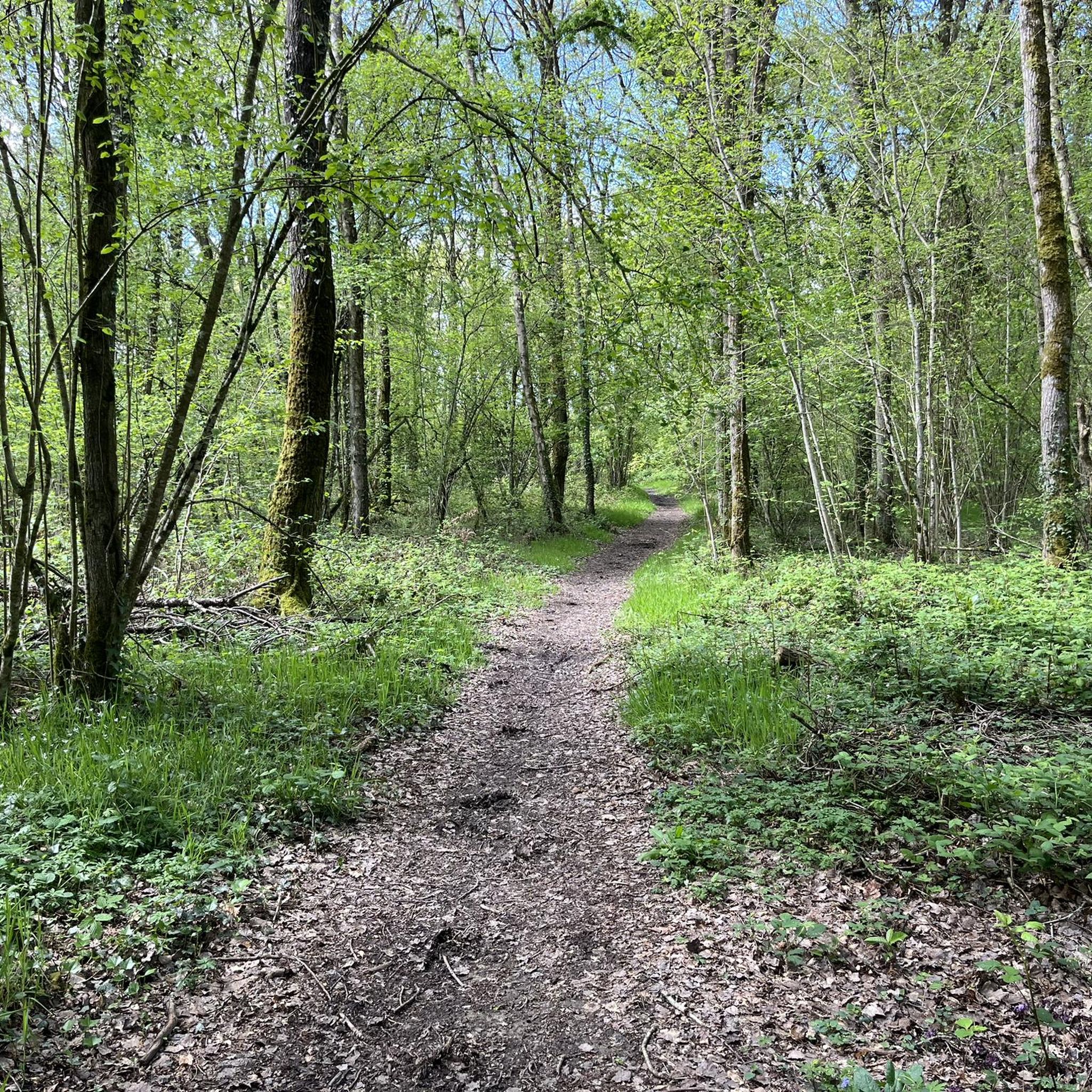
Great tour to do with the family with lots of undergrowth. Pond skirted several times. Very pleasant.
0
0

Fully secure cycle path protected from cars.
1
0
Very nice place, very friendly! I recommend !
0
0

A lovely little chapel built in the 11th century, but restored many years later (probably around the 18th century when it was common to take care of old churches and religious monuments). It is generally closed and not much happens there.
0
0
A stretch of gentle climb on a beautiful tarmac road without potholes. Watch out for cars because there are turns. Saint-Mathurin is located in the commune of Livré. It is a town of more than 2000 inhabitants.
0
0
Frequently Asked Questions
How many road cycling routes are available around Saint-Armel?
There are over 40 road cycling routes around Saint-Armel documented on komoot, offering a diverse range of experiences for cyclists of all levels.
Are there easy road cycling routes suitable for beginners in Saint-Armel?
While most routes are moderate, Saint-Armel does offer some options for beginners. The region's terrain features rolling hills and rural roads, making it generally accessible. You can find routes with less elevation gain for a gentler introduction to road cycling.
What are some challenging road cycling routes for experienced cyclists near Saint-Armel?
For experienced cyclists seeking a challenge, the region offers routes with significant elevation gain and longer distances. An example is the Châteaugiron Castle – Saint-Mathurin Hill loop from Saint-Armel, which is a difficult 77.5-mile (124.8 km) path with over 1,100 meters of elevation gain.
Are there any circular road cycling routes around Saint-Armel?
Yes, many of the road cycling routes around Saint-Armel are designed as loops, allowing you to start and finish in the same location. For instance, the popular REV Noyal-Châtillon - Rennes – Saint-Armel Church loop from Saint-Armel is a 21.6-mile (34.8 km) circular route.
What kind of landscapes can I expect to see while road cycling in Saint-Armel?
Road cycling routes in Saint-Armel traverse a landscape characterized by rolling terrain and rural roads. You'll experience a mix of open countryside, connecting small towns and villages, and areas with moderate elevation changes. Routes often pass by local landmarks, offering scenic views of the Breton countryside.
What historical landmarks or points of interest can I see along the road cycling routes?
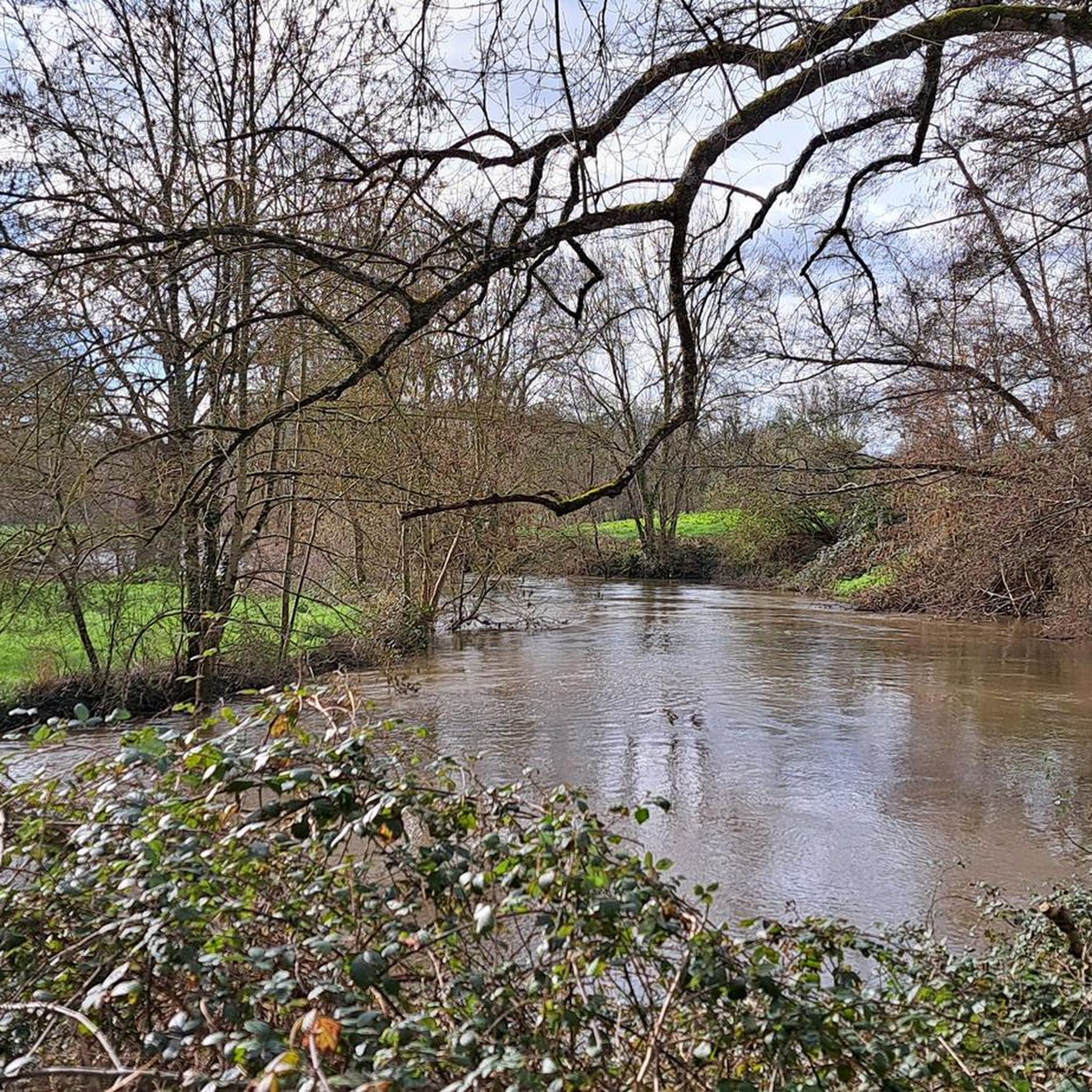
Many routes pass by historical sites and points of interest. For example, the Châteaugiron Castle – Saint-Mathurin Hill loop from Saint-Armel passes by Châteaugiron Castle. Other routes might lead you past the Saint-Maximilien-Kolbé Church or offer glimpses of the Seiche River.
What is the best time of year to go road cycling in Saint-Armel?
The best time for road cycling in Saint-Armel is typically from spring through early autumn (April to October). During these months, the weather is generally milder and more stable, with less rain and more daylight, making for more enjoyable rides through the rural landscapes.
Are there any routes that connect Saint-Armel with larger towns or cities?
Yes, some routes connect Saint-Armel with regional towns. The REV Noyal-Châtillon - Rennes – Saint-Armel Church loop from Saint-Armel, for instance, connects Saint-Armel with Rennes and Noyal-Châtillon, offering a longer ride through varied urban and rural settings.
What is the average rating for road cycling routes in Saint-Armel?
The road cycling routes in Saint-Armel are highly regarded by the komoot community, with an average score of 4.2 stars from over 6 reviews. Cyclists often praise the well-maintained rural roads and the scenic connections between local villages.
Are there any long-distance road cycling options from Saint-Armel?
Yes, for those looking for longer rides, Saint-Armel serves as a starting point for several extended routes. The Châteaubriant Castle – Saint-Maximilien-Kolbé Church loop from Saint-Armel is a substantial 114.5-kilometer (71.2-mile) route, offering a full day's adventure.
Can I find routes that pass through multiple villages or towns?
Absolutely. The road cycling network around Saint-Armel is designed to connect various local villages and towns. Routes like the Saint-Armel Church – Chanteloup loop from Saint-Armel will take you through different rural communities, allowing you to experience the local charm.
Most popular routes around Saint-Armel
Most popular attractions around Saint-Armel

Get inspired with the komoot mobile app


Explore more
Browse the best Road cycling routes in other regions.
