Attractions and Places To See around Saint-Marcel - Top 20
Attractions and places to see around Saint-Marcel, France, are primarily centered around the historic town of Malestroit, known for its medieval architecture and waterways. The region features a blend of historical monuments, such as half-timbered houses and ancient mills, alongside natural elements like the Oust River and the Canal de Nantes à Brest. Visitors can explore well-preserved historical sites and enjoy the scenic riverine landscape.
Best attractions and places to see around Saint-Marcel
- The most popular attractions is Historic centre of Malestroit, a historical site that features half-timbered houses and stone facades. This thousand-year-old village contains houses from the 15th and 16th centuries, along with locks, mills, and churches.
- Another must-see spot is Mills of Île Notre-Dame in Malestroit, a man-made monument and historical site. These water mills, installed since the 12th century, were historically used to produce tan, flour, and cloth.
- Visitors also love Montertelot Lock, an other man-made structure and viewpoint. This lock on the Canal de Nantes à Brest offers a pleasant place for a break, with a small chapel and decorated lock keeper's house.
- Saint-Marcel is known for its historical sites, riverine landscapes, and man-made monuments. The area offers a variety of attractions to see and explore, from medieval architecture to canal infrastructure.
- The attractions around Saint-Marcel are appreciated by the komoot community, with more than 150 upvotes and over 50 photos shared.
Last updated: June 22, 2026
Historic centre of Malestroit
Highlight • Historical Site
A thousand-year-old village, Malestroit still houses houses from the 15th and 16th centuries as well as locks, mills and churches full of stories.
Translated by Google •
Tip by

Le Roc-Saint-André
Highlight • Settlement
Tip by

Sign up now to discover places like this
Get recommendations on the best single tracks, peaks, & plenty of other exciting outdoor places.
Sign up for free
Malestroit Lock
Highlight • Structure
Tip by
Place du Bouffay
Highlight • Settlement
Tip by
Mills of Île Notre-Dame in Malestroit
Highlight • Monument
Translated by Google •
Tip by
Sign up for free to discover even more attractions around Saint-Marcel.
Sign up for free
Already have an account?
Start today with a free account
Your next adventure awaits.
Login or Signup

Tips from the Community

Absolutely charming town, lots of little corners with beautiful things. Definitely recommend stopping and enjoying.
0
0

... and we almost drove past. The medieval town is worth visiting twice! The buildings have great architecture and there are plenty of restaurants.
0
0

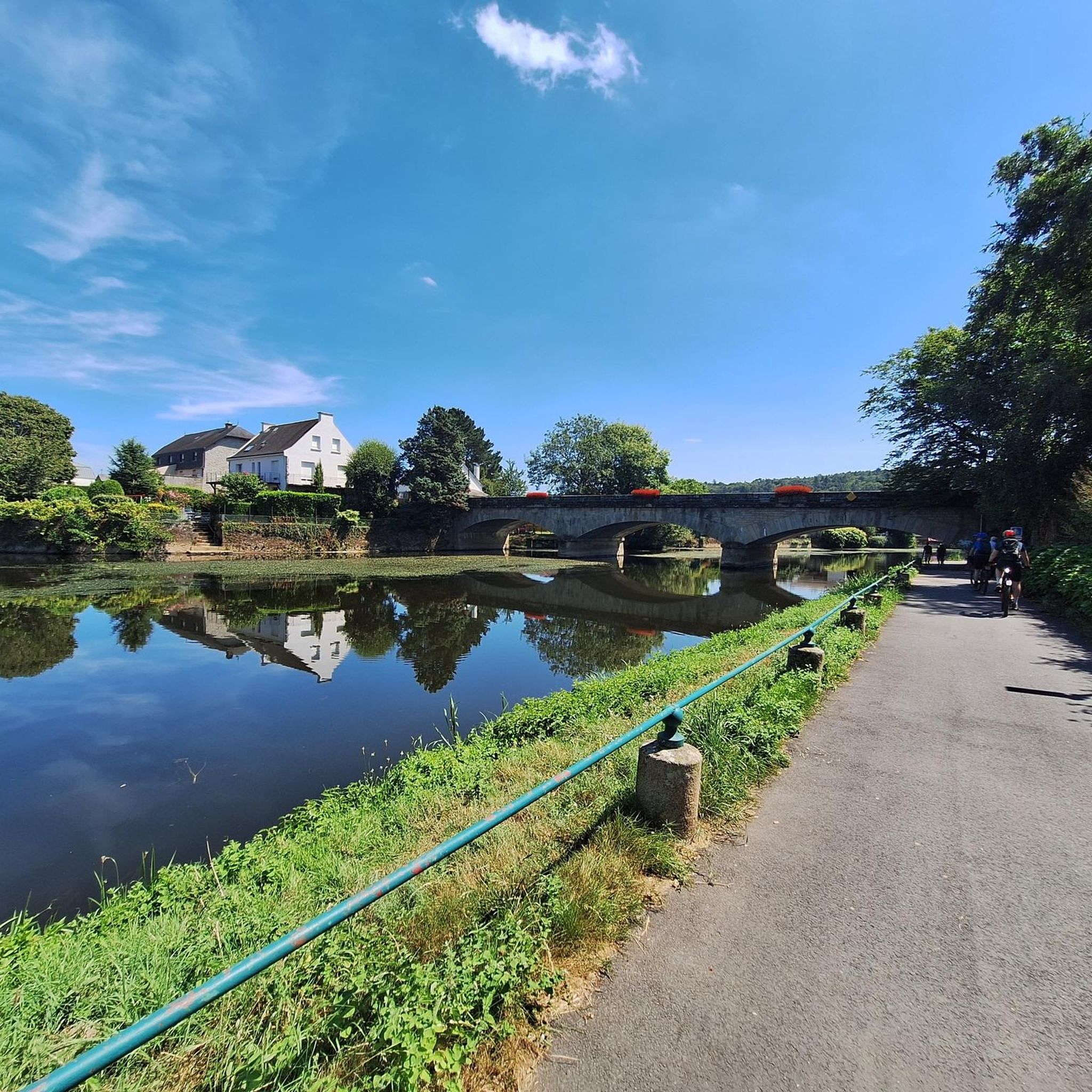
It is worth stopping here for a moment and enjoying the beautiful view. A charming little lock surrounded by well-kept greenery and flowers.
0
0
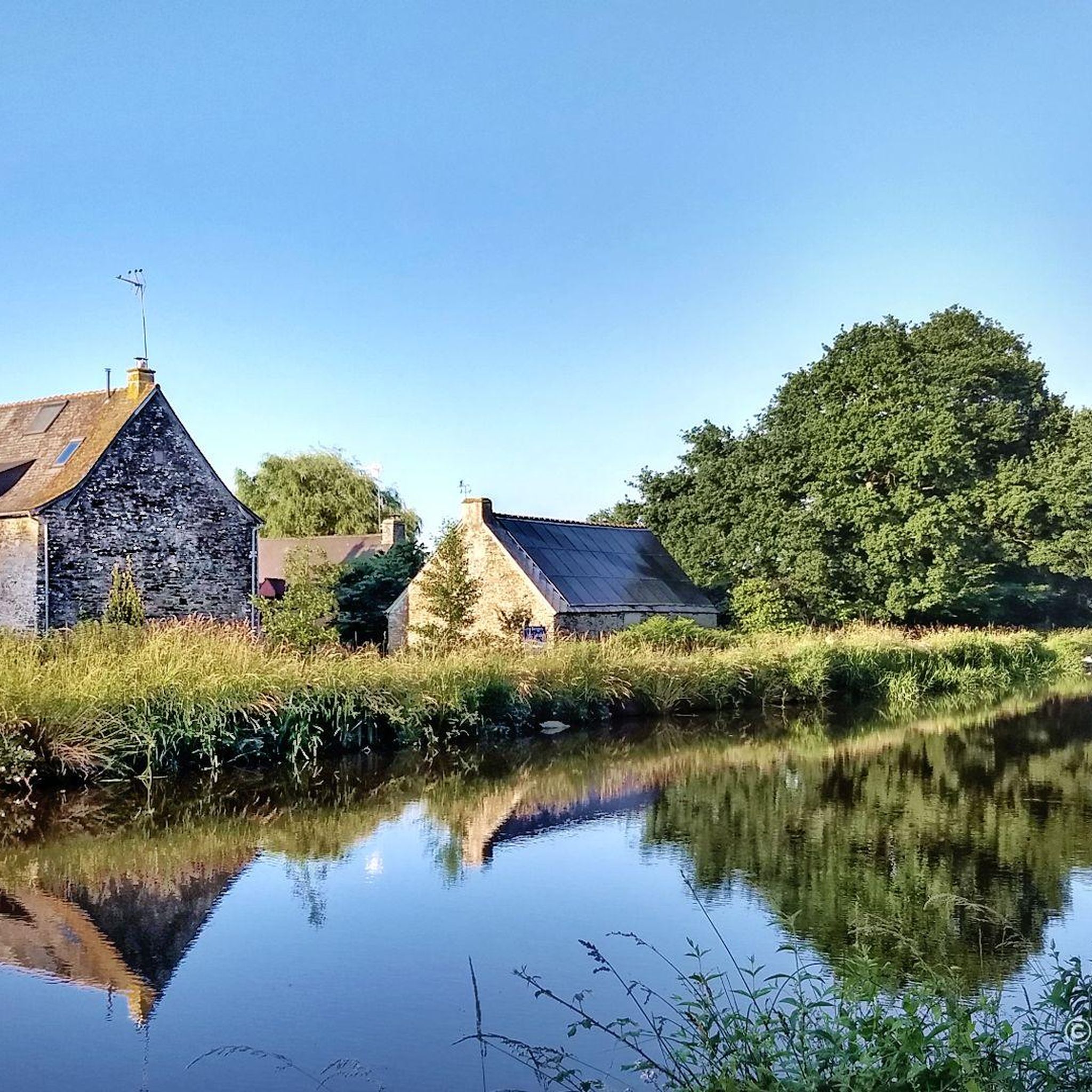
It's really worth visiting! Beautifully renovated and maintained houses from the 15th and 16th century create an amazing atmosphere of a truly historic village. True wonders of ancient architecture.
0
0

Beautiful small town with stone and half-timbered houses worth seeing. The founding of Malestroit dates back to 987, when monks settled on the banks of the Oust. The place became a stage destination on the Way of St. James, one of the pilgrimage routes to Santiago de Compostela. In 1131 the place was mentioned under the name Malestricum. During the Hundred Years' War in 1343 in the chapel de la Madeleine in Malestroit by the French king Philip VI. and the English King Edward III. signed a ceasefire. At the end of the Middle Ages, Malestroit became one of the nine baronies of Brittany. At the beginning of the 19th century, Napoleon I commissioned the construction of the Canal de Nantes à Brest, initially for military reasons, but later also with the aim of connecting the interior of Brittany to commercial goods traffic. Source: Wikipedia
1
0

A nice stop at the edge of the Nantes-Brest canal
1
0

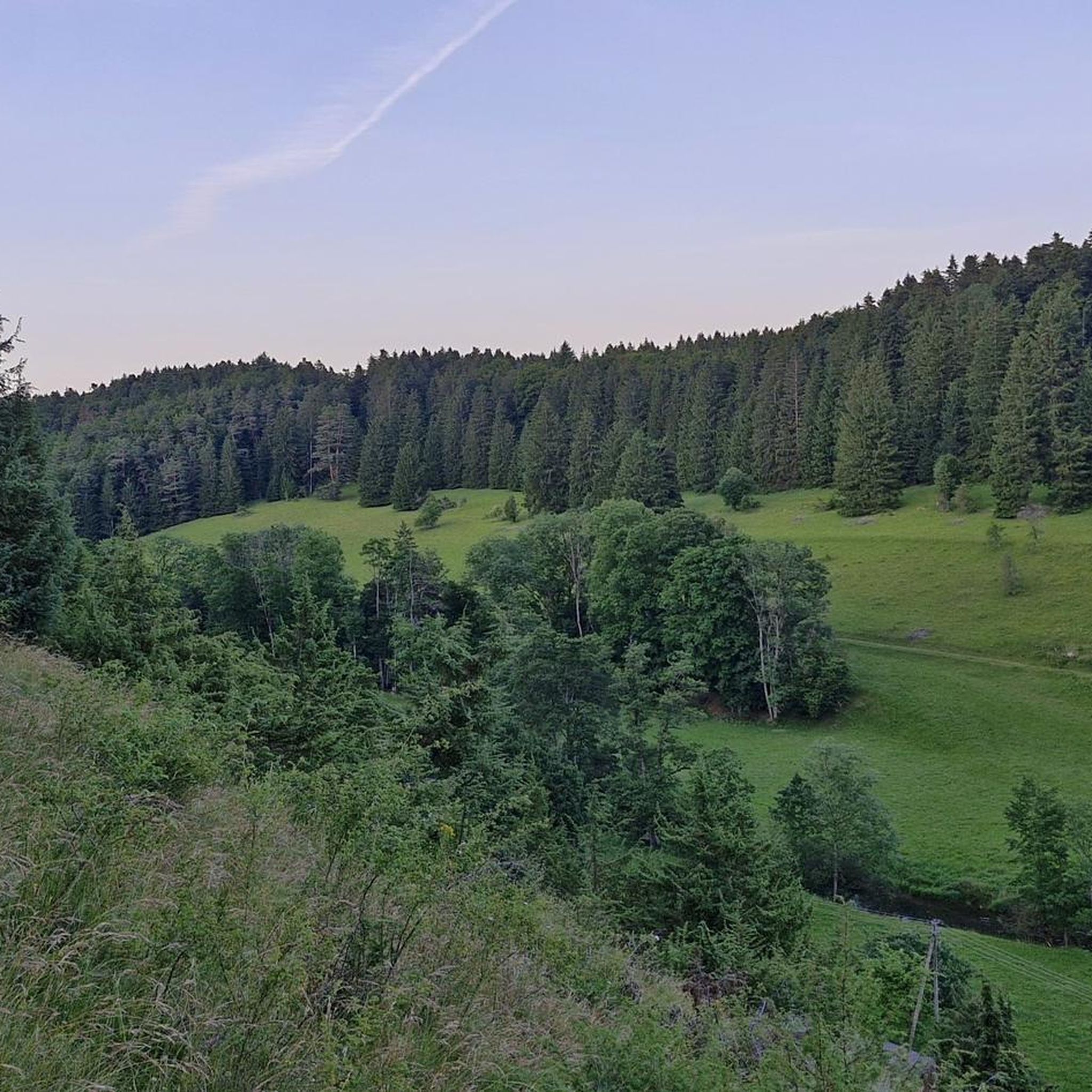
Roc-Saint-André was known under the name of Le Rotz in the 15th century. The Welsh pronunciation is “Le Rô”. In Breton Roz-Sant-Andrev, it is the name of a chapel, the Roz chapel built on a rock dedicated to Saint Andrew. It is an old truce of Sérent, later established as a commune and parish. With its high Cornish bell tower, the neo-Gothic church of Roc Saint André is part of the great church reconstruction movement which marked the 19th century. Its architect, Arthur Regnault, drew no less than 70 plans for Breton churches! The building, built under the leadership of Father Pirio, rector of the parish, dominates a rocky promontory. It replaces the 16th century church razed in 1901 due to dilapidation. https://ville-roc-saint-andre.fr/tourisme-et-patrimoine
0
1
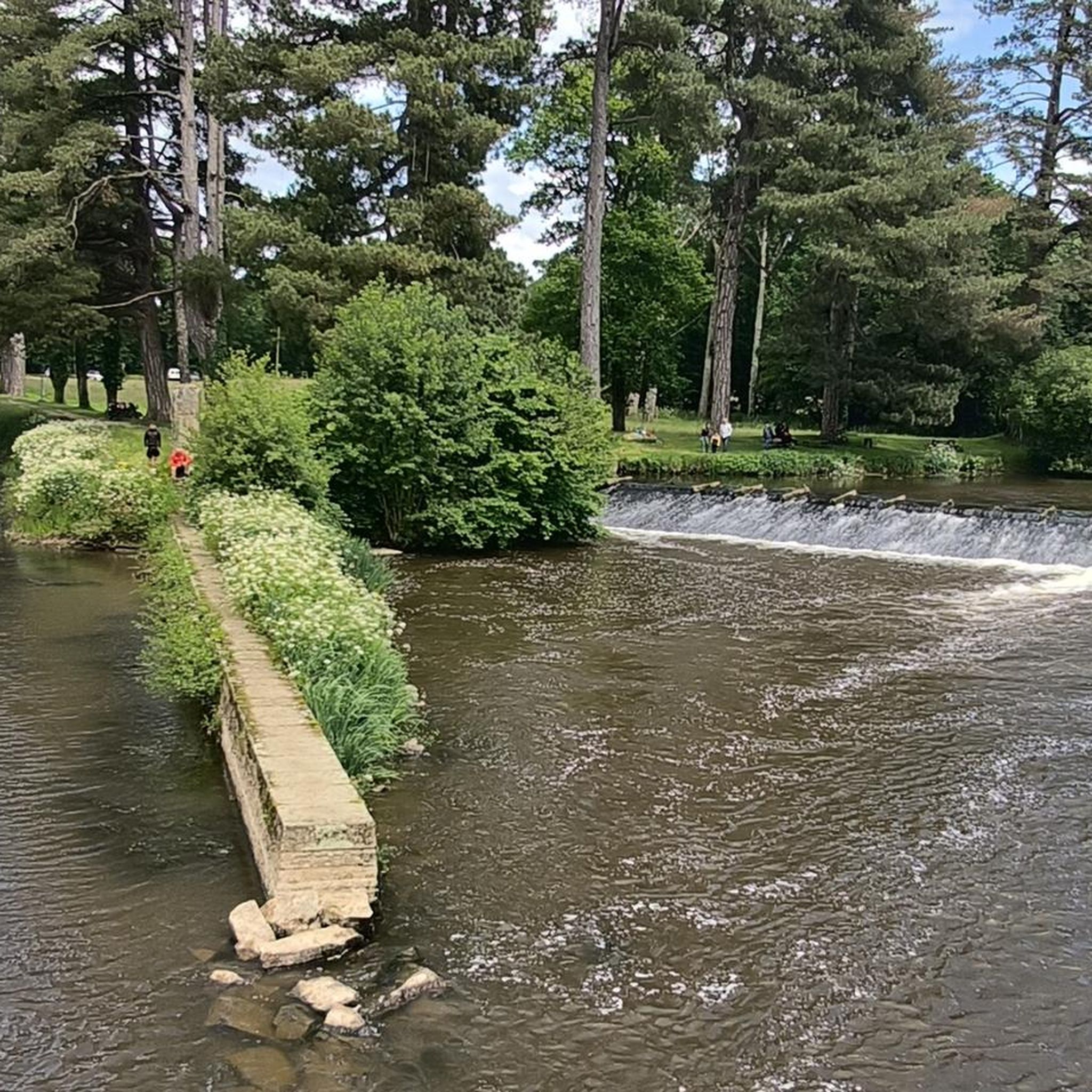
Installed since the 12th century and symbolizing seigneurial power, water mills rise on Île Notre-Dame and along the river to produce tan, essential for the activity of tanneries, flour and cloth. by treading on woven fabrics. In the 19th century, only two mills remained in Malestroit, one for tan and the other for flour. The flour mill becomes a tan mill to meet the demands of tanners: two weirs allow water to be retained. Returned to a flour mill in the 1950s, it closed in 2007
2
0
Frequently Asked Questions
What historical sites can I explore around Saint-Marcel?
The area around Saint-Marcel is rich in history, primarily centered on Malestroit. You can visit the Historic centre of Malestroit, known for its half-timbered houses and stone facades dating back to the 15th and 16th centuries. Another significant historical site is the Mills of Île Notre-Dame in Malestroit, water mills that have been operating since the 12th century.
Are there any family-friendly attractions in the Saint-Marcel area?
Yes, several attractions are suitable for families. The Historic centre of Malestroit offers an engaging walk through medieval streets. The Mills of Île Notre-Dame in Malestroit provide insight into historical industry, and Montertelot Lock is a pleasant spot for a break by the canal, often featuring a decorated lock keeper's house.
What kind of natural features can I see around Saint-Marcel?
The region is characterized by its riverine landscapes. The Oust River and the Canal de Nantes à Brest are prominent natural and man-made features. You can enjoy views of the Île-Notre-Dame, created by the Oust River splitting into several arms, particularly from Place du Bouffay.
Where can I find scenic viewpoints or places for a break?
The Montertelot Lock on the Canal de Nantes à Brest is a popular viewpoint and a pleasant place to take a break, often with a small chapel nearby. The 'new' bridge and old promenade along the Oust River near Place du Bouffay also offer great views of the Île-Notre-Dame.
What outdoor activities are available near Saint-Marcel's attractions?
The area around Saint-Marcel is excellent for outdoor activities, especially along the Canal de Nantes à Brest. You can find various cycling and hiking routes. For cycling, explore options like the 'Malestroit Lock – Port and lock loop' or 'Le Roc-Saint-André – Bridge Over the Canal loop' on the Cycling around Saint-Marcel guide. Hikers can enjoy routes such as the 'StreetArt – Place loop from Malestroit' or 'Malestroit Lock – Port and lock loop' from the Hiking around Saint-Marcel guide.
Are there road cycling routes near Saint-Marcel?
Yes, road cyclists can find several routes around Saint-Marcel. Popular options include the 'Rochefort-en-Terre loop from Rochefort' and the 'Saint Martin Church – Château de Trédion loop from Malestroit'. You can find more details and other routes in the Road Cycling Routes around Saint-Marcel guide.
What is the significance of the Mills of Île Notre-Dame?
The Mills of Île Notre-Dame in Malestroit are historical water mills, installed since the 12th century. They were crucial for the local economy, used to produce tan for tanneries, flour, and cloth. They symbolize the seigneurial power of the past and the industrial heritage of the region.
Where can I stay if I want to be close to the Oust River and town center?
The Campsite "Les Rives de l'Oust" is an excellent option. It's located directly on a towpath by the Oust River, offering spacious pitches and mobile homes. It's also conveniently situated just 300 meters from the town center of Malestroit, making it easy to visit the historic town.
What makes the Historic centre of Malestroit special?
The Historic centre of Malestroit is labeled a 'city of character' thanks to its beautifully preserved half-timbered houses, stone facades, and sculptures. This thousand-year-old village features houses from the 15th and 16th centuries, along with historic locks, mills, and churches, creating a unique historical atmosphere.
What do visitors particularly enjoy about the attractions around Saint-Marcel?
Visitors frequently praise the well-preserved medieval architecture and the charming atmosphere of Malestroit. The historical sites, such as the half-timbered houses and ancient mills, are highly appreciated. The scenic riverine landscapes and the infrastructure of the Canal de Nantes à Brest also receive positive feedback, with many enjoying the peaceful setting for walks and cycling.
Can I rent kayaks near the attractions?
Yes, if you stay at the Campsite "Les Rives de l'Oust", you can rent kayaks right next door to explore the Oust River, offering a different perspective of the area's natural beauty.
What is the significance of Place du Bouffay?
Place du Bouffay is a medieval square dominated by St Gilles church. It's a lively spot with outdoor seating for restaurants and cafés. Look for the corner building with historic woodcarvings of fairytale seated rabbits. The area also offers great views of the Île-Notre-Dame and the Oust River.
Most popular routes around Saint-Marcel

Get inspired with the komoot mobile app


Explore more
Still not found the Highlight you’re looking for? See guides of the top attractions in other regions:
