Top 8 Mountain Passes around Juliénas
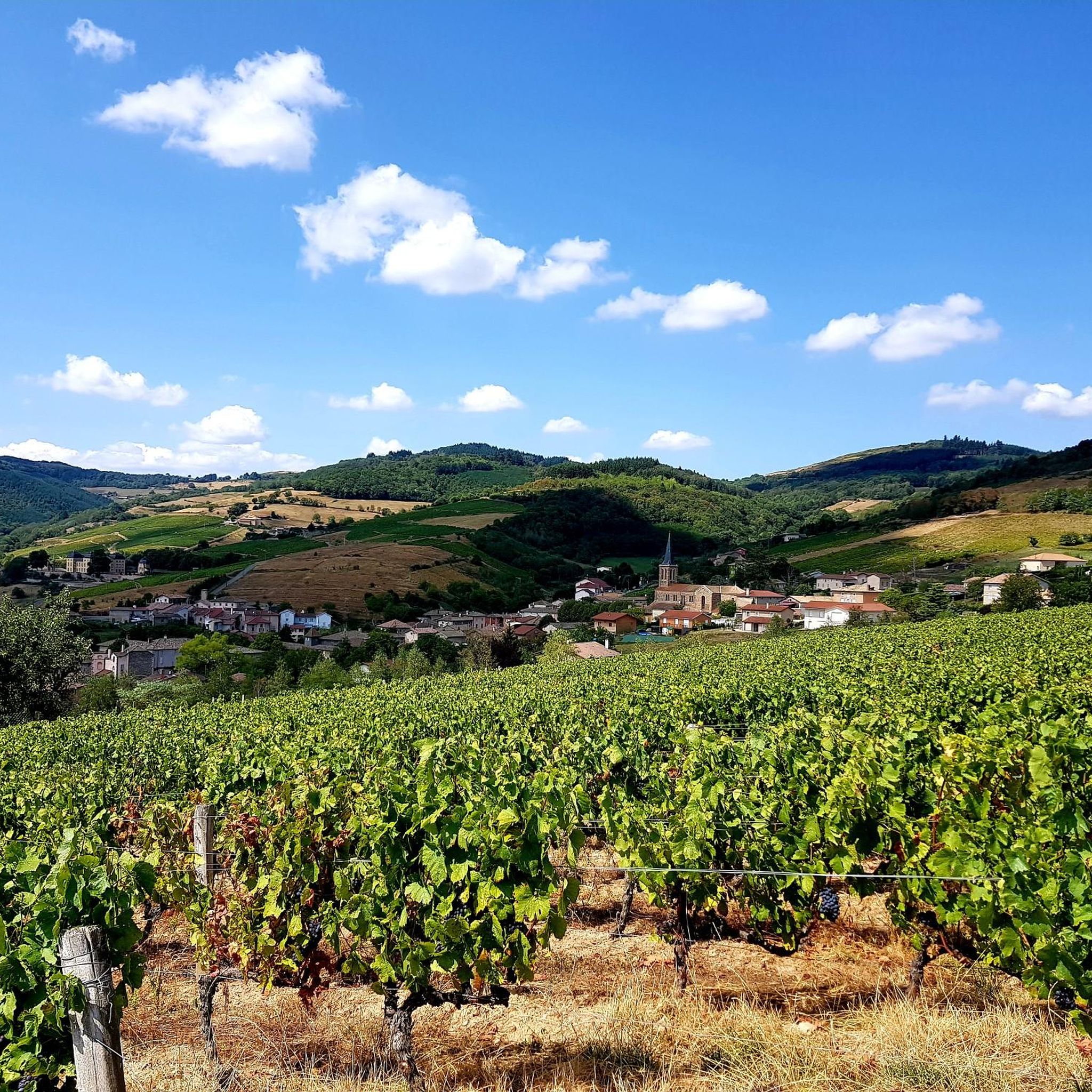
Best mountain passes around Juliénas traverse a region known for its undulating, hilly terrain and extensive vineyards in the Beaujolais area of France. The landscape features elevations ranging from approximately 217 to 655 meters, with vineyards thriving on granite, schist, and clay soils. This topography offers numerous scenic routes and elevated viewpoints, providing panoramic vistas of the vineyards and surrounding countryside. The area is ideal for exploring picturesque drives, cycling routes, and walks through its unique viticultural heart.
Best mountain…
Last updated: May 13, 2026
Col de la Grange du Bois
Highlight • Mountain Pass
Translated by Google •
Tip by

Col de la Sibérie, 638 m
Highlight • Mountain Pass
Translated by Google •
Tip by

Sign up now to discover places like this
Get recommendations on the best single tracks, peaks, & plenty of other exciting outdoor places.
Sign up for free
Col du Fût d'Avenas
Highlight • Mountain Pass
Translated by Google •
Tip by
Col de Durbize
Highlight • Mountain Pass
Showing Translation
Tip by
Boubon Pass (638 m)
Highlight • Mountain Pass
Translated by Google •
Tip by

Sign up for free to discover even more mountain passes around Juliénas.
Sign up for free
Already have an account?
Start today with a free account
Your next adventure awaits.
Login or Signup
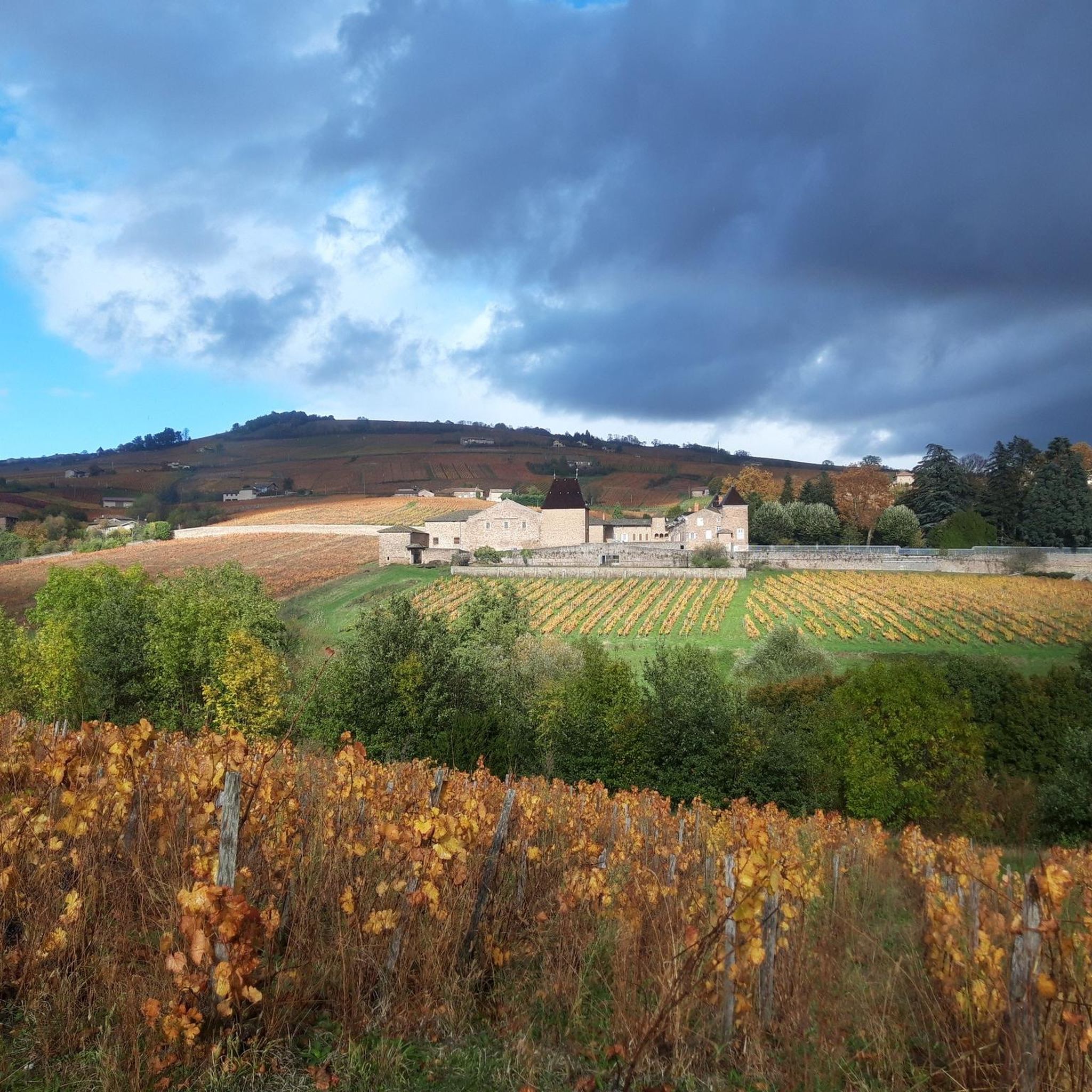
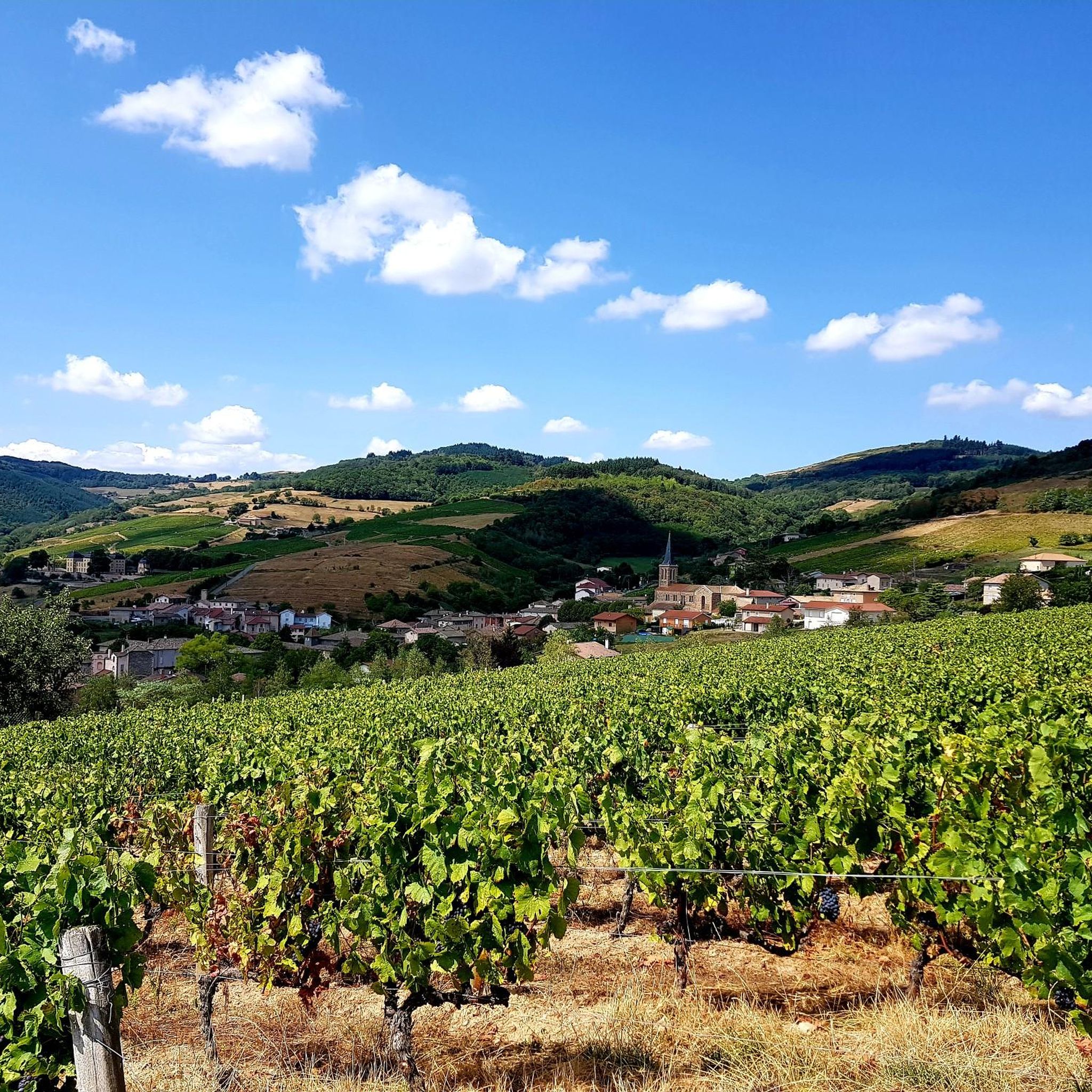
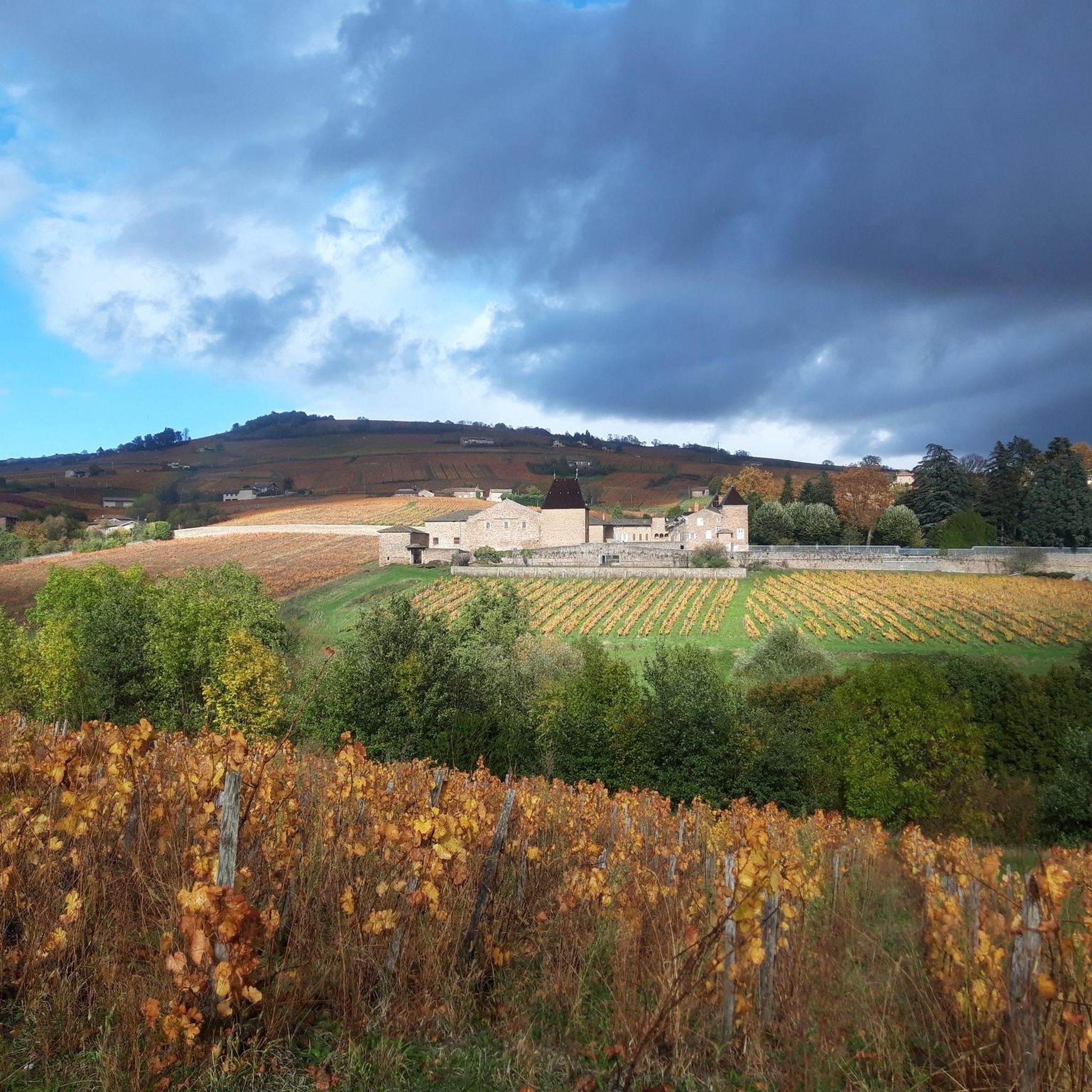
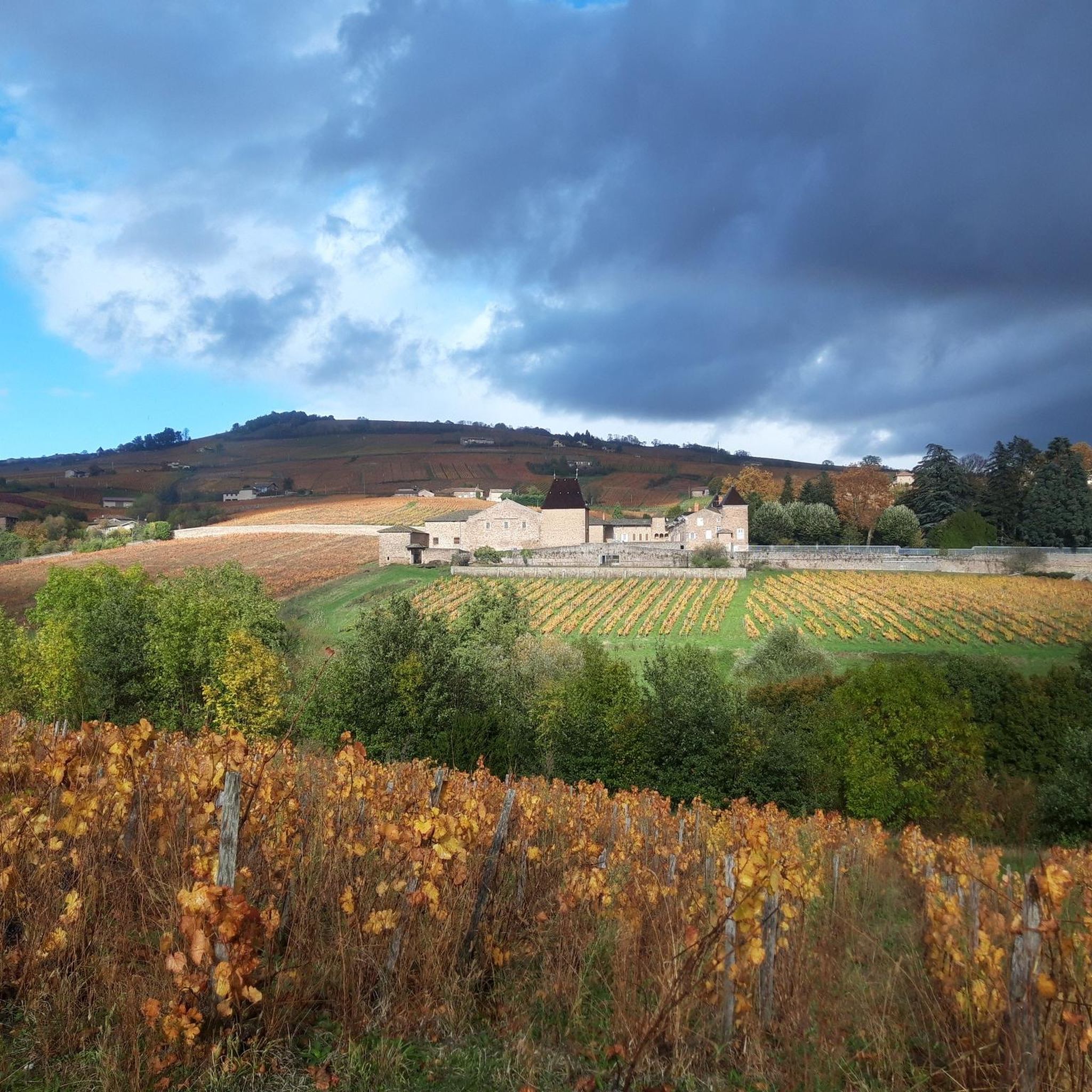

Tips from the Community


Beautiful view of Mont Blanc in good weather.
3
0

If the Col du Fût d'Avenas is a well-known site for road cycling, it is also the starting point for several secondary roads and trails that are perfect for mountain biking. Choose yours and let's play!
0
0

Magnificent view after a nice, not very technical descent
0
0

Finally there is a sign, certainly not like we are used to seeing them. Towards the orientation table, there is a post with a green border at the top where the name of the pass is indicated. In the area, that seems to be how the passes are marked, like its neighbor the Col de Pierreclos for example.
0
0

Several possible routes through the vineyards towards Villié-Morgon, notably via Chiroubles.
0
0

Passage of the Gerbet (612 m) and Siberia (611 m) are beautiful, but also recall the martyrs of resistance who fought against occupiers.
0
0
Frequently Asked Questions
What kind of mountain passes can I expect to find around Juliénas?
The Juliénas region, part of the Beaujolais, features undulating, hilly terrain rather than traditional high mountain passes. You'll find elevated viewpoints and scenic routes winding through extensive vineyards and forests. These 'passes' offer breathtaking panoramic views of the surrounding countryside, including the Beaujolais plain, the Dombes, and often the Alps and Mont Blanc on clear days.
Which mountain passes offer the best views of Mont Blanc?
Several passes around Juliénas provide stunning views of Mont Blanc on clear days. Notably, Col du Fût d'Avenas and Col de la Sibérie, 638 m are known for their incredible vistas over the Saône valley, with the Alps and Mont Blanc visible. The Boubon Pass (638 m) also offers views of Mont Blanc in good weather.
Are there good cycling routes that incorporate these mountain passes?
Yes, the region is well-suited for cycling. Passes like Col du Fût d'Avenas and Col de Durbize are popular among road cyclists, offering varied routes through vineyards and forests. The roads are generally calm, and the ascents are often described as not overly challenging, making them enjoyable for intermediate cyclists. For more cycling options, explore the Gravel biking around Juliénas guide.
What outdoor activities can I do near the mountain passes around Juliénas?
Beyond cycling, the hilly terrain and vineyards around Juliénas are perfect for hiking and running. You can find numerous trails that offer scenic views and a chance to explore the unique 'terroir' of the region. For detailed routes, check out the Hiking around Juliénas guide and the Running Trails around Juliénas guide.
What historical or cultural sites can be found near these passes?
While the passes themselves are primarily natural viewpoints, the broader region is rich in history and culture. The Col de la Sibérie, 638 m, for instance, is part of an area with a memorial to the Resistance. Additionally, the nearby Roche de Solutré and Vergisson Rock are significant prehistoric sites. The entire area is steeped in winemaking tradition, with numerous wineries offering tours and tastings.
Are there any family-friendly routes or activities around the mountain passes?
The scenic routes through the vineyards and the less strenuous ascents of many passes make them suitable for families. While specific 'family-friendly' designations for passes aren't always available, the general appeal of walking or cycling through the picturesque hills and stopping at viewpoints can be enjoyed by all ages. Consider exploring the Hiking around Juliénas guide for moderate routes.
What do visitors enjoy most about the mountain passes near Juliénas?
Visitors frequently praise the quiet roads, the majestic and extensive views, and the opportunity to see iconic landmarks like the Rock of Solutré and Mont Blanc in the distance. The combination of natural beauty, the unique vineyard landscape, and the peaceful atmosphere makes exploring these elevated routes a highly enjoyable experience.
Is it possible to find parking near the trailheads or passes?
While specific parking information for every pass is not always detailed, many of the passes and scenic routes are accessible by car, and you can often find informal parking spots or small pull-offs near viewpoints or trailheads. For example, the Boubon Pass (638 m) is noted to have toilets in Cenves, suggesting nearby facilities.
Are dogs allowed on the trails and routes around the mountain passes?
Generally, dogs are welcome on most outdoor trails in the Juliénas region, especially on public paths and roads. However, it's always advisable to keep them on a leash, particularly when passing through vineyards or near livestock, and to clean up after them. Specific restrictions might apply in certain protected areas, but these are rare for the general passes.
What is the best time of year to visit the mountain passes around Juliénas?
The region is beautiful year-round, but spring (April-May) and autumn (September-October) are particularly pleasant. In spring, the vineyards burst into life, and in autumn, the foliage offers spectacular colors. Summer can be hot, especially in open areas without shade, as noted for Col de la Grange du Bois and Boubon Pass (638 m). Clear days in any season offer the best chance to see distant views like Mont Blanc.
Are there any hidden gem mountain passes or viewpoints worth exploring?
While the listed passes are well-regarded, the charm of Juliénas lies in its countless local roads winding through the hilly vineyards. These often provide continuous scenic beauty and unexpected viewpoints. Exploring the smaller, less-trafficked routes through the Beaujolais Wine Route can reveal many 'hidden gems' and offer an immersive experience into the region's unique 'terroir'.
Where can I find amenities like cafes or restaurants near the passes?
The mountain passes themselves are generally remote and do not have direct amenities. However, the surrounding villages and towns, including Juliénas itself, offer a variety of cafes, restaurants, and accommodation options. It's recommended to plan your route to pass through these settlements for refreshments or to carry your own supplies.
Most popular routes around Juliénas
Most popular attractions around Juliénas

Get inspired with the komoot mobile app


Explore more
See even more epic mountain passes by checking out these guides around Juliénas:
