Attractions and Places To See around Javerlhac-Et-La-Chapelle-Saint-Robert - Top 19
Best attractions and places to see around Javerlhac-Et-La-Chapelle-Saint-Robert include historical landmarks, natural features, and cultural sites within the Périgord-Limousin Regional Natural Park. The commune, situated along the Bandiat river, offers a diverse landscape for exploration. Visitors can discover a range of attractions, from ancient castles and churches to traditional water mills and unique geological formations. The area provides opportunities to engage with both the natural environment and the rich heritage of the region.
Best attractions and places to see around…
Last updated: May 26, 2026
Le Moulin Martin
Highlight • Monument
Translated by Google •
Tip by

Javerlhac Castle
Highlight • Castle
Translated by Google •
Tip by

Sign up now to discover places like this
Get recommendations on the best single tracks, peaks, & plenty of other exciting outdoor places.
Sign up for free
Saint-Estèphe Pond Beach
Highlight • Beach
Tip by

The Rocking Stone
Highlight • Natural Monument
Tip by

Coulée d'OC
Highlight (Segment) • Other
Translated by Google •
Tip by

Sign up for free to discover even more attractions around Javerlhac-Et-La-Chapelle-Saint-Robert.
Sign up for free
Already have an account?
Start today with a free account
Your next adventure awaits.
Login or Signup
Popular around Javerlhac-Et-La-Chapelle-Saint-Robert


Tips from the Community

Javerlhac Castle was rebuilt around 1498 by Dauphin Pastoureau, a master blacksmith in Nontron. It is typical of Périgord manor houses, with a rectangular dwelling, a large round tower with machicolations decorated with trefoils, and a polygonal tower housing a spiral staircase. The castle retains defensive features such as gun ports, despite modernization in the early 19th century. It burned down in 1369 during the Hundred Years' War and has undergone several reconstructions. Privately owned, its facades and roofs have been listed as historic monuments since 1974.
2
0

Beautiful walk around the lake
0
0

Under the rock, you can also try to insert your mother-in-law, guaranteed effect 👍🦆👙🦐🎸🥂
0
0

Very beautiful castle. Unfortunately you can only visit it from the outside
1
0
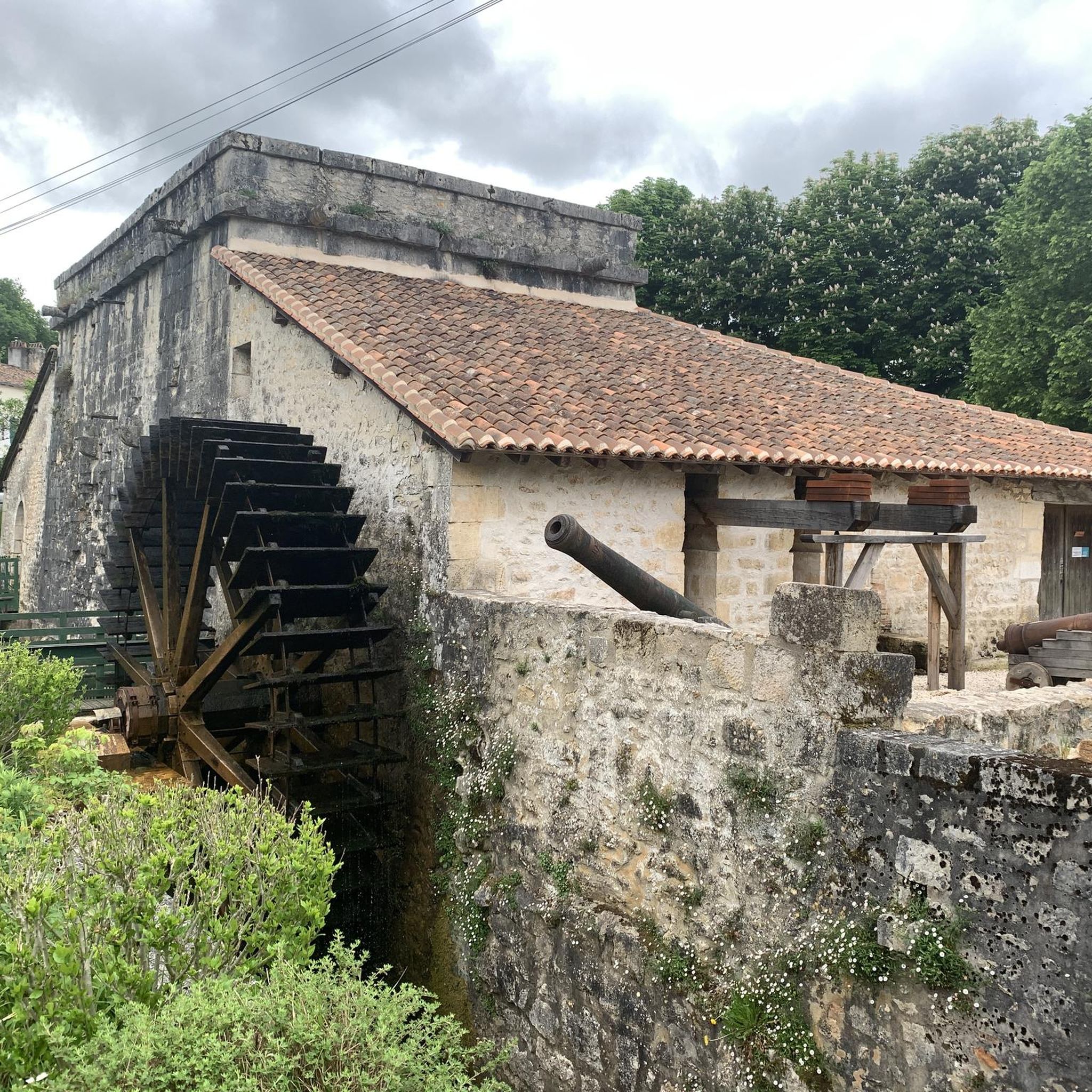
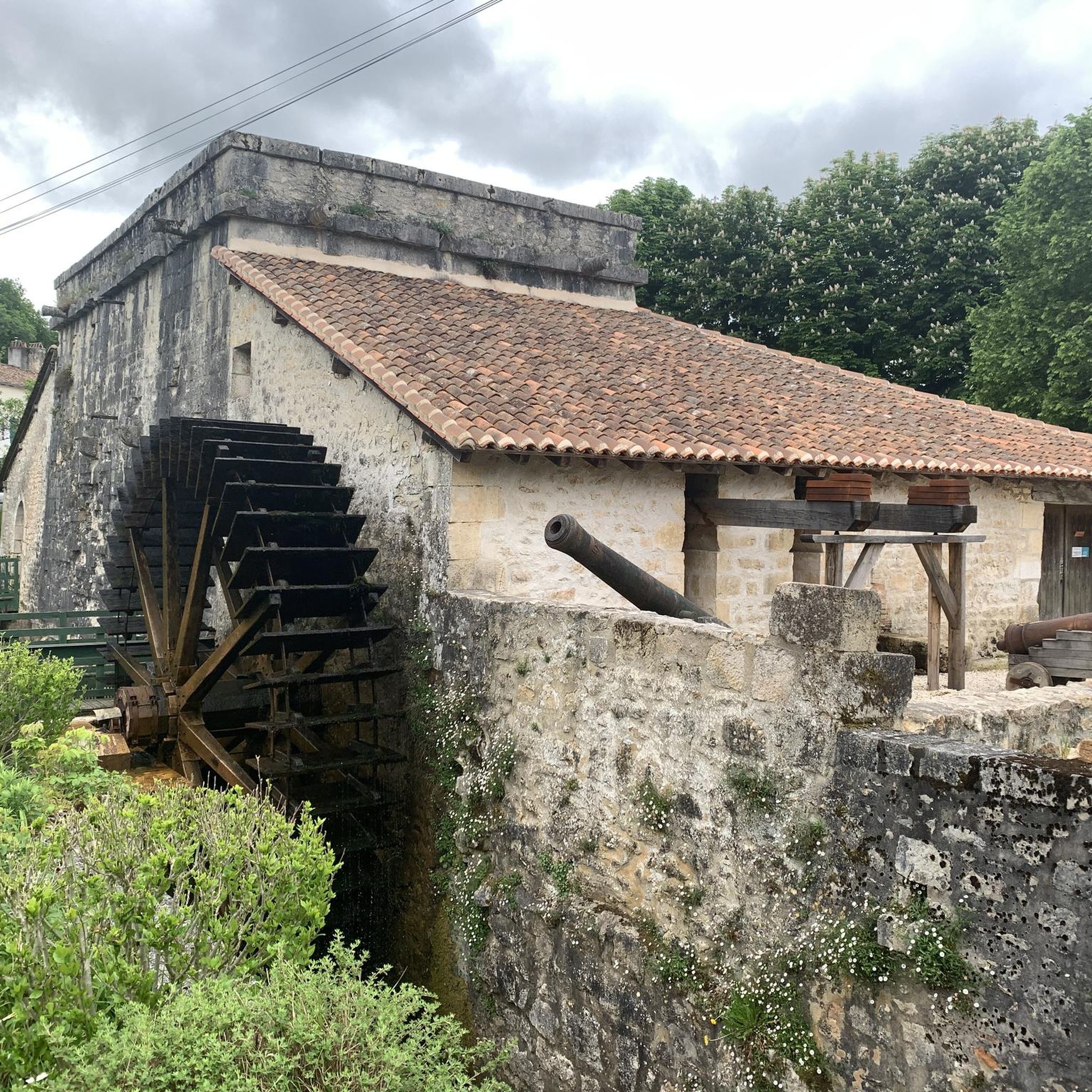
Very beautiful mill from the 18th century. Beautifully embedded in the landscape.
2
0
Beautiful swimming lake. Highly recommended
2
0

Using the power of moving water to drive a mill wheel is an ancient invention that dates back to pre-Christian times. Thanks to such a construction, human or animal muscle power could be easily replaced by a watercourse - natural or artificial - in order to grind grain into corn or press oil from fruit, for example. There are essentially two different ways of driving watermills: either the water simply hits the blades of the water wheel from below to set it in motion; or the water is guided above the wheel and falls onto the blades; this type of construction is more efficient due to natural gravity.
5
0

The Moulin Martin, which dates from the 18th century, is located in Javerlhac-et-la-Chapelle-Saint-Robert. It is a working water mill for walnut oil. It is equipped with a moving paddle wheel. It is possible to visit it by appointment.
2
0
Frequently Asked Questions
What historical sites can I visit around Javerlhac-Et-La-Chapelle-Saint-Robert?
The region is rich in history. You can admire the exterior of the 16th-century Javerlhac Castle, a typical Périgord manor house. Explore the Romanesque Church of Saint Stephen in Javerlhac, dating from the 12th or 13th century, or the equally impressive Church of La Chapelle Saint Robert, an 11th or 12th-century former Benedictine priory with a tall bell tower and sculpted capitals. The 13th-century Le Moulin Martin, a working walnut oil mill, also offers a glimpse into the past, with visits available by appointment. Additionally, the 18th-century Forgeneuve, an old royal forge, opens to visitors on Friday afternoons during mid-July to mid-August.
Are there any natural attractions or features to explore?
Yes, the area is nestled within the Périgord-Limousin Regional Natural Park, offering diverse flora and fauna, especially along the Bandiat river. A unique natural monument is The Rocking Stone, a large, oblong flint stone with historical and mythical significance. You can also enjoy the picturesque riverside environment created by the Bandiat river as it flows through the commune.
What are the best outdoor activities to do near these attractions?
The region offers various outdoor activities. For hiking, you can explore routes like the 'Saint-Estèphe Pond – The Rocking Stone loop' or 'The Rocking Stone – Devil's Rosary Rocks loop'. Cyclists can enjoy the 'Javerlhac Castle – Le Moulin Martin loop' or the paved Coulée d'OC, an old railway line transformed into a scenic path suitable for cycling, horse-riding, and walking. You can find more details on these and other routes in the hiking guide and cycling guide for the area.
Are there family-friendly activities available?
Absolutely. The Rocking Stone is a fun natural monument where children can try to make the rock wobble. The Le Moulin Martin, a working water mill, can also be an engaging visit for families. For a relaxing day, Saint-Estèphe Pond Beach offers a small sandy beach, swimming, and facilities, making it ideal for families.
What is the best time to visit Javerlhac-Et-La-Chapelle-Saint-Robert?
The region is beautiful throughout the warmer months. Mid-July to mid-August offers specific opportunities like visiting the Forgeneuve royal forge on Friday afternoons. Generally, spring and summer provide pleasant weather for exploring the natural park, enjoying outdoor activities, and visiting the various historical sites.
Are there any accessible attractions for visitors with mobility needs?
Yes, Saint-Estèphe Pond Beach is noted for its accessibility, with walkways around the lake and special beach wheelchairs available, including one that can be ridden into the water via a special causeway.
Where can I find good viewpoints in the area?
The area offers several scenic spots. The Rocking Stone is situated in a forest setting that provides interesting views. The picturesque riverside environment along the Bandiat river, especially near Javerlhac, also offers charming vistas.
What kind of architectural heritage can I see?
Beyond the castles and churches, you can observe the 19th-century Manoir du Logis and the Estate of Jommelieres, which showcase the region's architectural styles. These properties contribute to the rich visual heritage of the area.
Can I find places to eat or stay near the attractions?
While specific cafes and restaurants are not detailed for every attraction, Saint-Estèphe Pond Beach has a bar and cafe during the summer. The tip for Le Moulin Martin mentions a nice B&B behind the mill, suggesting accommodation options are available in the vicinity of some highlights.
Are there any unique local traditions or myths associated with the attractions?
Yes, The Rocking Stone holds historical and mythical significance. Some associate it with druidic worship or solar myths, and there's a tradition of trying to make it wobble or crushing a coin under it for luck.
What is the 'Old Railway Line / Green Way' and what can I do there?
The 'Old Railway Line / Green Way' is a transformed portion of a former railway line that connected Nontron and Angoulême. It's now a scenic path ideal for cycling, horse-riding, and walking, offering a pleasant way to experience the local landscape. The Coulée d'OC is a paved section of this route, known for its easy access and picnic areas.
Most popular routes around Javerlhac-Et-La-Chapelle-Saint-Robert

Get inspired with the komoot mobile app


Explore more
Still not found the Highlight you’re looking for? See guides of the top attractions in other regions:
