Attractions and Places To See around Le Plantay - Top 18
Best attractions and places to see around Le Plantay, a village in the Ain department of the Auvergne-Rhône-Alpes region of France, offer a blend of history, culture, and natural beauty. The area is situated in the heart of the Dombes, a region known as the "land of a thousand ponds." This landscape is characterized by its freshwater fish farming tradition, creating a unique natural setting rich in flora and fauna. Visitors can explore historical sites and natural environments.
Best attractions…
Last updated: May 21, 2026
Abbey of Notre-Dame des Dombes
Highlight • Religious Site
Translated by Google •
Tip by

Château de Bouligneux
Highlight • Castle
Translated by Google •
Tip by

Sign up now to discover places like this
Get recommendations on the best single tracks, peaks, & plenty of other exciting outdoor places.
Sign up for free
Sainte-Madeleine Church of Le Montellier
Highlight • Religious Site
The history of this pleasant flowered village merges with that of the castle. The origin of the name of Montellier was glimpsed by the Burgundian …
Translated by Google •
Tip by

Small road to Beaumont
Highlight (Segment) • Cycleway
Translated by Google •
Tip by

The Dombes
Highlight • Other
Translated by Google •
Tip by
Sign up for free to discover even more attractions around Le Plantay.
Sign up for free
Already have an account?
Start today with a free account
Your next adventure awaits.
Login or Signup

Tips from the Community

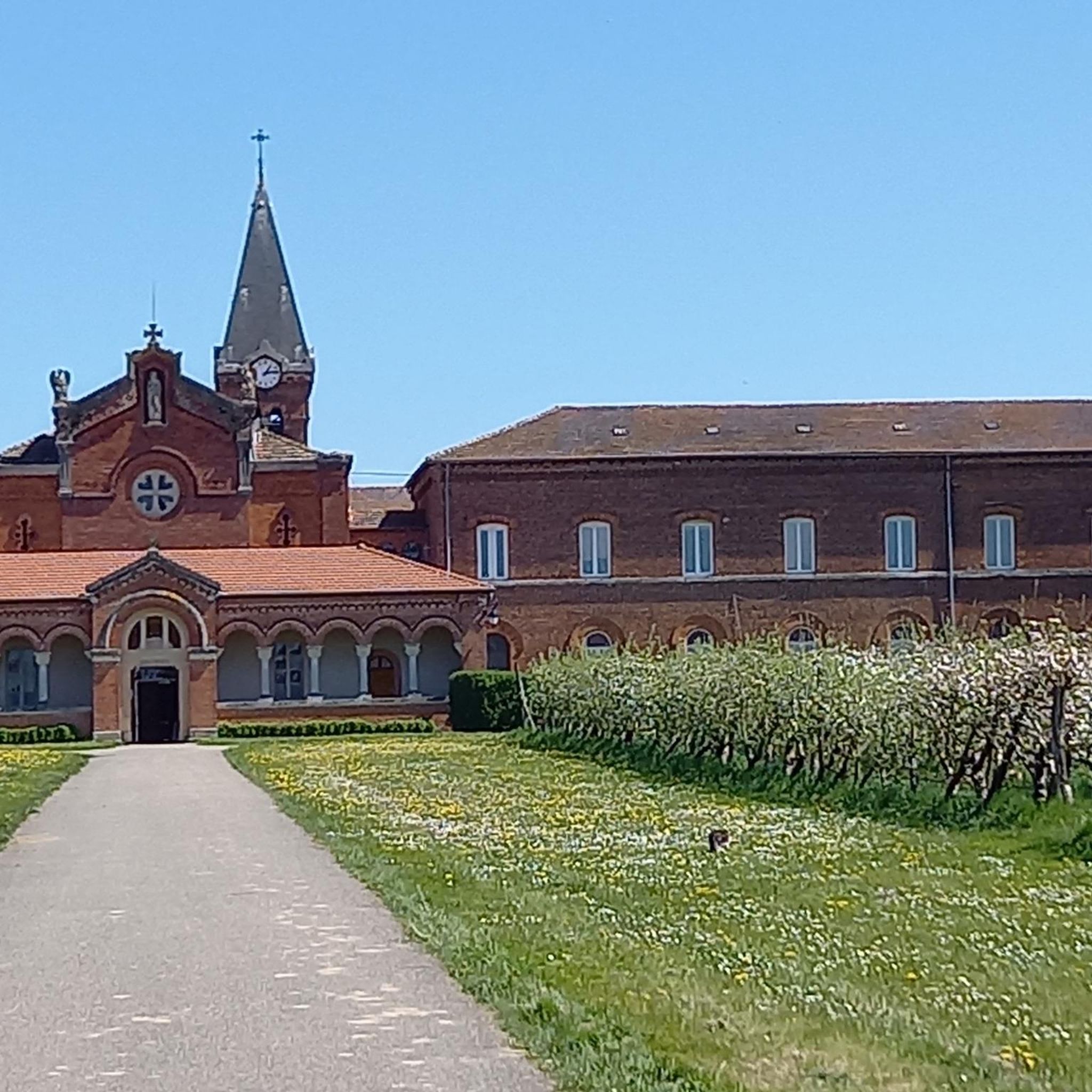
A beautiful 19th-century Cistercian abbey built in a remarkable brick style. Don't hesitate to make a short detour to see it. The church and atrium are free to visit. It is closed on Tuesdays. A local produce shop is located at the entrance to the abbey, featuring cheeses and apple products made on the abbey farm—a great way to recharge your batteries!
0
0
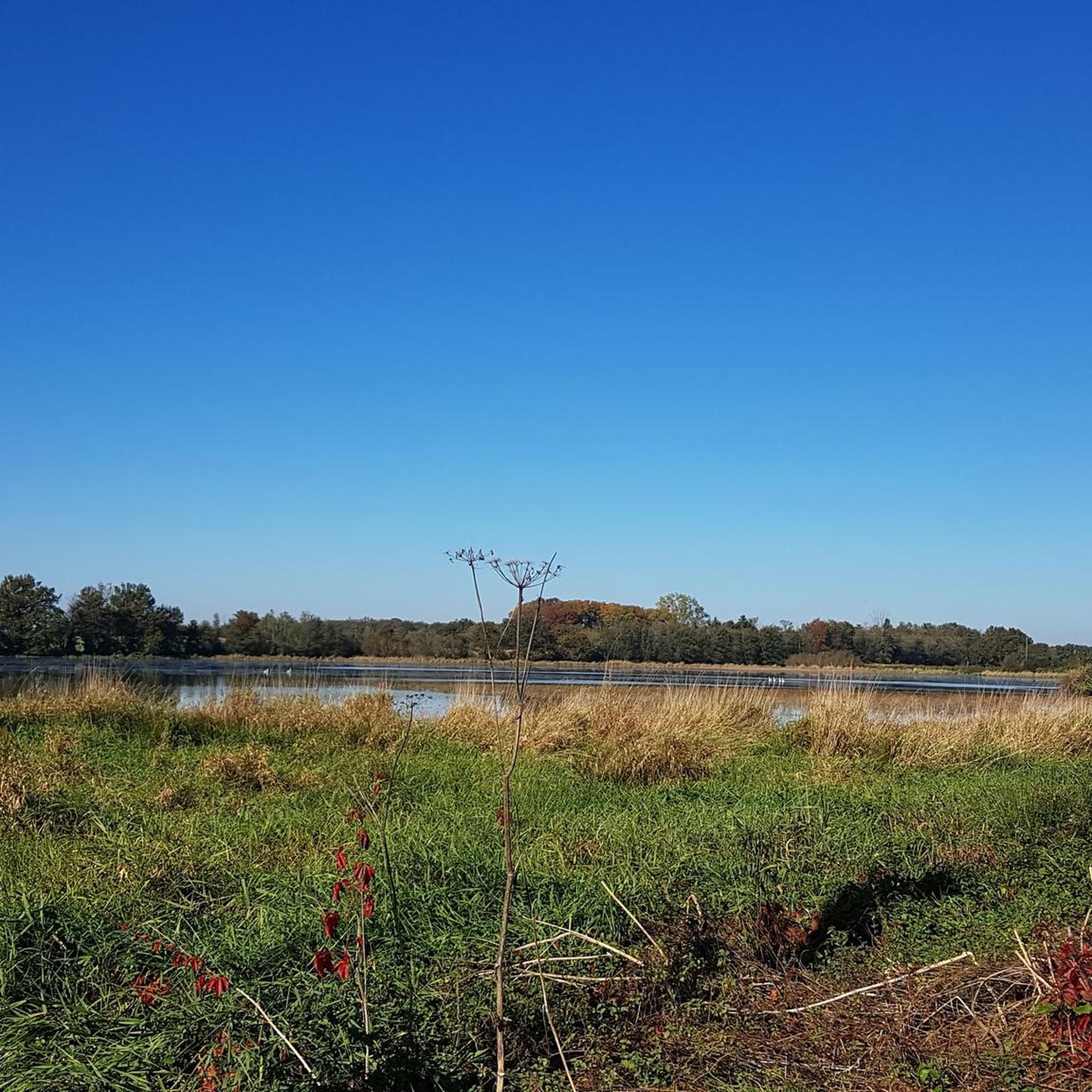
Dombes, a land of a thousand ponds, is a vast freshwater fish-farming area. This land of ancestral traditions, particularly pond fishing, is home to exceptional flora and fauna in a pristine natural setting.
0
0

Nice little town, very calm and relaxing.
0
0

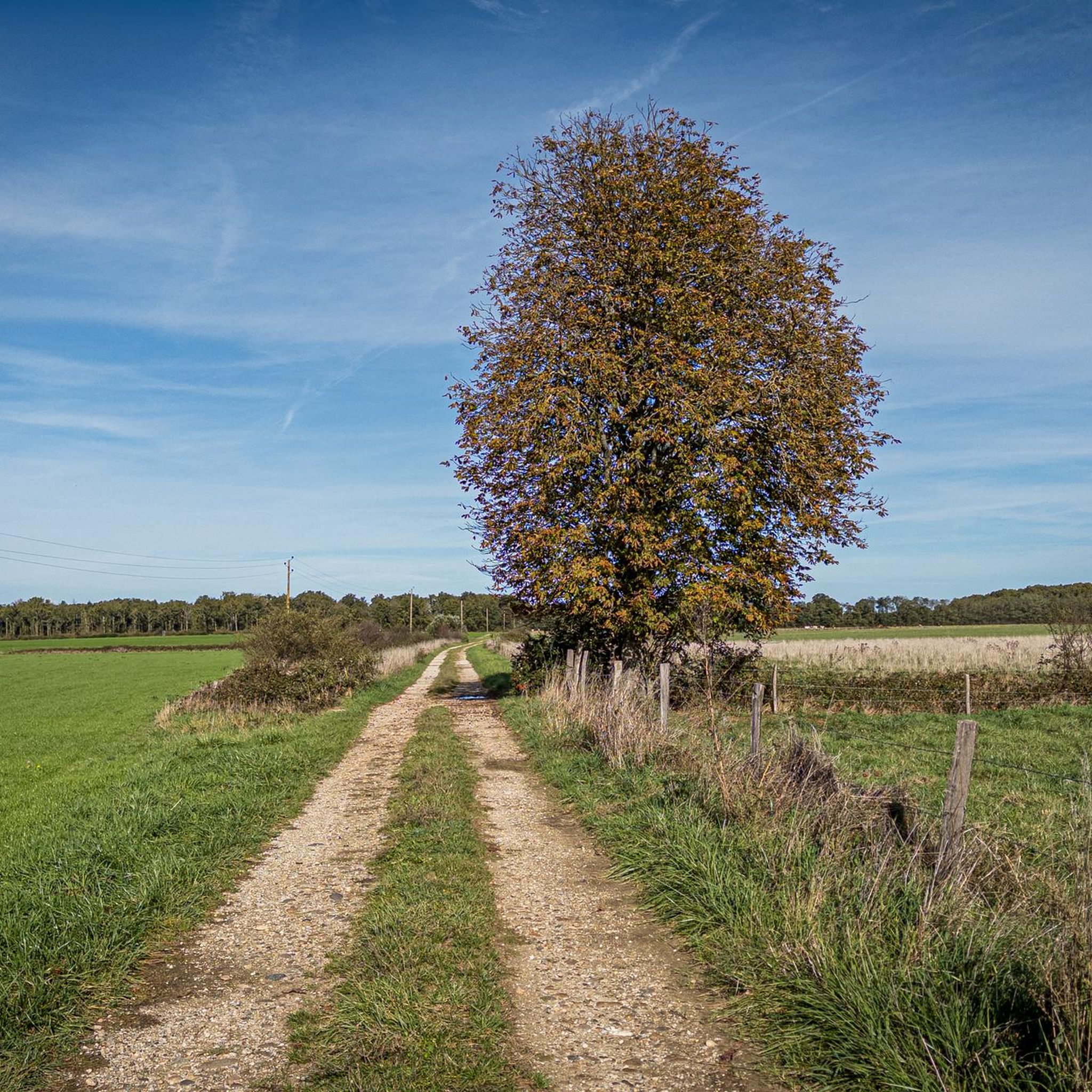
Lovely place with direct cheese sales! The surrounding roads are pleasant.
0
0

After the Blessed Virgin Mary, "Sainte MARIE MADELEINE" is the woman most frequently mentioned in the writings of the New Testament. Originally called "Mary of Magdala", after her place of origin on the Sea of Galilee, the name "Mary Magdalene" has evolved over time. According to the biblical accounts, she is one of the women and men who followed Jesus of Nazareth. According to the testimony of the evangelists, Mary Magdalene is also one of the three women who, after the crucifixion and burial of Jesus Christ, wanted to anoint the body on Easter morning after the Sabbath rest, and the very first person who ever met the Risen Christ. In theology, she is therefore also known as the "Apostle of the Apostles". The feast day of Sainte Marie-Madeleine in the calendar of saints is July 22nd.
0
0

Beautiful church with its little bus stop for a little snack break
0
0

Fortified house dating from the 14th century. Curious beveled shape of the cylindrical tower, topped during the Revolution.
0
0
Notre-Dame des Dombes Abbey, founded in the 1860s by the Cistercians. Worth the detour. Free visit to the church.
0
0
Frequently Asked Questions
What kind of attractions can I expect to find around Le Plantay?
Le Plantay, nestled in the Dombes region, offers a rich blend of historical, cultural, and natural attractions. You'll discover ancient abbeys, medieval towers, Romanesque churches, and vast natural landscapes characterized by numerous ponds. The area is perfect for those interested in history, nature, and outdoor activities.
Are there any significant historical sites to visit in Le Plantay?
Yes, Le Plantay is home to several historical sites. The Abbey of Notre-Dame des Dombes is a beautiful 19th-century Cistercian abbey. You can also see the medieval Tour du Plantay, a remnant of a 14th-century feudal castle, and the 12th-century Saint-Pierre Church of Le Plantay, known for its unique Romanesque features and frescoes.
What natural features are prominent in the Le Plantay area?
The most prominent natural feature is The Dombes region itself, often called the 'land of a thousand ponds.' This area is renowned for its freshwater fish farming tradition, creating a unique ecosystem rich in diverse flora and fauna. Visitors can enjoy serene pond landscapes and nature walks.
Are there family-friendly attractions around Le Plantay?
The Abbey of Notre-Dame des Dombes is listed as family-friendly, offering free visits to its church and atrium, and a shop with local produce. The numerous easy walking and cycling routes around the ponds also provide excellent opportunities for families to explore nature together.
What outdoor activities can I do around Le Plantay?
The region around Le Plantay is ideal for outdoor enthusiasts. You can enjoy hiking and cycling through the typical Dombes landscapes, with routes guiding you through fields, undergrowth, and along ponds. These paths offer opportunities to observe various bird species and wildlife. For specific routes, check out the hiking guide or cycling guide for Le Plantay.
Are there hiking trails suitable for different skill levels?
Yes, there are hiking trails for various skill levels. For example, the 'Tour du Plantay loop from Le Plantay' is an easy 5.6 km route, while 'The 11 ponds from Saint-Nizier-le-Désert' offers a moderate 12.4 km challenge. You can find more options in the hiking guide for Le Plantay.
Can I go cycling around Le Plantay?
Absolutely! Le Plantay and the surrounding Dombes region are excellent for cycling. There are numerous routes that allow you to explore the pond landscapes. Options range from easy loops like the 'Abbey of Notre-Dame des Dombes – Saint-Pierre du Plantay church loop' (26.7 km) to moderate road cycling routes. Explore more in the cycling guide and road cycling guide.
What is the best time to visit Le Plantay attractions?
The best time to visit Le Plantay is generally during the spring, summer, and early autumn months (April to October) when the weather is pleasant for outdoor activities like hiking and cycling, and the natural landscapes are at their most vibrant. Many attractions, especially the abbey, are open during these periods.
Are there any attractions that are free to visit?
Yes, the church and atrium of the Abbey of Notre-Dame des Dombes are free to visit, except on Tuesdays when the abbey is closed. The exterior of the Tour du Plantay can also be appreciated freely as part of hiking routes.
Can I visit the Tour du Plantay?
The Tour du Plantay, a medieval tower, is a significant historical landmark. While it is privately owned and not open for internal visits, its charm can be admired from the outside, especially when incorporated into local hiking routes. It offers a picturesque view overlooking the Grand Châtel pond.
What do visitors particularly enjoy about the attractions near Le Plantay?
Visitors often highlight the serene beauty of the Dombes region, with its unique pond landscapes, and the historical significance of sites like the Abbey of Notre-Dame des Dombes. The quiet roads and trails through fields and along ponds are also frequently praised for offering peaceful outdoor experiences and opportunities for wildlife observation.
Are there any lesser-known or 'hidden gem' attractions around Le Plantay?
Beyond the main highlights, consider visiting Château de Bouligneux, a 14th-century fortified house that survived the revolution. The Sainte-Madeleine Church of Le Montellier is also a pleasant historical site in a charming, flowered village. For a scenic ride, the Small road to Beaumont offers quiet passage through ponds and fields.
Most popular attractions around Le Plantay

Get inspired with the komoot mobile app


Explore more
Still not found the Highlight you’re looking for? See guides of the top attractions in other regions:
