Attractions and Places To See around Puits - Top 8
Best attractions and places to see around Puits, a region primarily known for its historical and cultural sites, especially within the Côte-d'Or department of France. The area features ancient abbeys, medieval castles, and natural landmarks, often situated in secluded valleys or along rivers. Visitors can explore a blend of preserved heritage and scenic landscapes. This guide highlights 5 notable attractions that offer insights into the region's past and natural beauty.
Best attractions and places to see around Puits
- The most…
Last updated: May 9, 2026
Fontenay Abbey
Highlight • Religious Site
Translated by Google •
Tip by

Pont Brémur
Highlight • Bridge
Tip by

Sign up now to discover places like this
Get recommendations on the best single tracks, peaks, & plenty of other exciting outdoor places.
Sign up for free
Villaines-en-Duesmois Castle
Highlight • Castle
Translated by Google •
Tip by
Rocheprise Castle
Highlight • Castle
Tip by
Enchanting picnic area
Highlight • Rest Area
A few meters from a …
Translated by Google •
Tip by

Sign up for free to discover even more attractions around Puits.
Sign up for free
Already have an account?
Start today with a free account
Your next adventure awaits.
Login or Signup

Tips from the Community

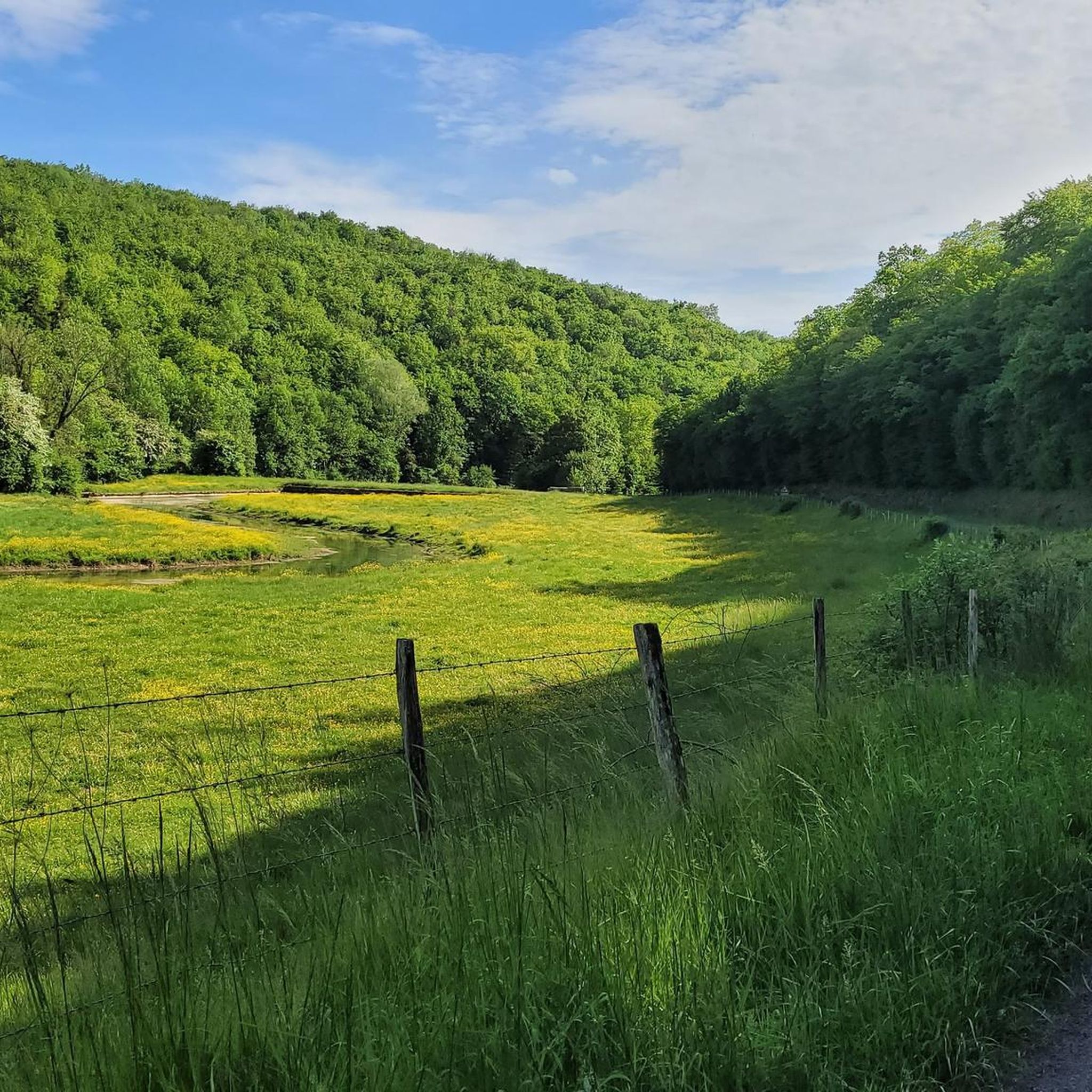
Superb place set up for picnicking, or even bivouacking, at the foot of the village of Touillon, which is reached by a steep descent path. A few meters from a perfectly restored and magnificent old wash house. On the banks of the Fontenay which then widens into a reservoir and river. Charming wooden and stone bridges leading to a tower spanning the stream.
0
0

The Abbey of Fontenay, like all monasteries and places of worship, was, of course, founded or built first and foremost as a place of prayer. Due to its outstanding significance, it has also been honored with the title of "World Heritage Site" by UNESCO. The German-language television series "Treasures of the World – Heritage of Humanity" documents these special sites around the world in quarter-hour segments. One episode also deals with this abbey, and the website reads: * "France at the end of the 11th century. Christianity has prevailed. The noble abbots of the Benedictine monasteries live in prosperity. The monastic ideal of poverty and modesty seems to have been forgotten. A new order is founded in Burgundy. It calls its followers to return to early Christian ideals: to work and poverty, to humility and seclusion from the world. The monks establish their first monastery, "Citeaux," after which they later call themselves Cistercians. The order grows rapidly. The monks clear the forests and regulate the rivers. Their religious houses soon spread throughout France, even to Germany. The Fontenay Abbey is also founded under them." The film is available in the ARD media library at the following link =>> https://www.ardmediathek.de/video/schaetze-der-welt/fontenay-frankreich-folge-11/swr/Y3JpZDovL3N3ci5kZS83MjQ3MjIw
3
0
The Abbey of Fontenay was, like all monasteries and places of worship, of course founded or built first and foremost as a place of prayer. Due to its outstanding importance, it has also been "ennobled" by UNESCO with the title of "World Cultural Heritage". The German-language television series "Treasures of the World - Heritage of Humanity" documents these special sites all over the world in quarter-hour contributions. One episode also deals with this abbey, on the website you can read: * "France at the end of the 11th century. Christianity has prevailed. The noble abbots of the Benedictine monasteries live in prosperity. The monks' ideal of poverty and modesty seems to have been forgotten. A new order is founded in Burgundy. It calls on its followers to return to original Christian ideals: to work and poverty, to humility and seclusion from the world. The monks found their first monastery "Citeaux", after which they later call themselves Cistercians. The religious order grows quickly. The monks clear the forests and regulate the rivers. Their religious houses soon spread across France and into Germany. The Fontenay monastery was founded under them." The film is available in the ARD media library at the following link: => https://www.ardmediathek.de/video/schaetze-der-welt/fontenay-frankreich-folge-11/swr/Y3JpZDovL3N3ci5kZS83MjQ3MjIw
5
0

Beautiful sight. But there is only a small sign. A visit is not possible.
3
0
The world heritage monastery is worth a visit. However, there is an entrance fee.
3
0

A world heritage abbey from the 12th century. Its territory extends over 1200 ha. The Abbey is decorated with a landscaped park classified in 2004 as a “Remarkable Garden” by the National Council of Parks and Gardens. You can book tickets in advance to visit this place on this site: https://www.abbayedefontenay.com the price starts from 9 euros.
2
0

Founded by Saint Bernard in 1118, Fontenay Abbey is one of the oldest Cistercian monasteries in Europe. The Romanesque architecture gives a remarkable homogeneity to the 12th-century buildings that have remained intact after more than eight centuries of history. The visitor discovers successively the church, the cloister, the monks' dormitory, the chapter house, the scriptorium and the great forge. After visiting the monastery, garden lovers can freely stroll through the two-hectare park and admire the new landscaped garden with numerous species of plants and shrubs. Fontenay Abbey is now privately owned and was one of the first French sites to be inscribed on the UNESCO World Heritage List in 1981. The former monastery is located in a listed and fully preserved valley. The hiking trails invite you to numerous walks through the beech and ash forest. Admission is currently 11 euros, but it's worth it ;-)
2
0

Very beautiful and impressive. It's very quiet here. Everything is lovingly cared for. It still breathes something of the history of the monastery. A special place.
3
0
Frequently Asked Questions
What historical and cultural sites can I visit around Puits?
The Puits region, particularly in Côte-d'Or, is rich in historical and cultural sites. A must-see is Fontenay Abbey, a UNESCO World Heritage site and the oldest preserved Cistercian abbey, known for its remarkable architecture and monastic history. You can also explore the ruins of Villaines-en-Duesmois Castle, where four of its original seven towers remain, and catch a glimpse of the private Rocheprise Castle from the D971 road.
Are there any natural landmarks or scenic spots near Puits?
While the guide focuses on historical sites, the region offers scenic views. Pont Brémur is a tranquil spot by the river, perfect for resting and enjoying the natural surroundings in the heart of the Parc des Forêts. The broader Côte-d'Or department features diverse landscapes, including forests and river valleys, providing a picturesque backdrop to the historical attractions.
What outdoor activities are available around Puits?
The area around Puits offers various outdoor activities, especially for running and cycling. You can find numerous routes for different skill levels. For running, explore options like the 'Running loop from Chapelle Sainte-Marguerite' or the 'Étang de la Roche – Étang du Vieux Moulin loop'. Cyclists can enjoy routes such as the 'Lake on Le Brévon – Rochefort-sur-Brévon loop' or the 'Bike loop from Coulmier-le-Sec'. More details on these activities can be found in the Running Trails around Puits and Cycling around Puits guides.
What makes Fontenay Abbey a significant historical site?
Fontenay Abbey is a UNESCO World Heritage site, founded in 1118 by Saint Bernard of Clairvaux. It is renowned as the oldest preserved Cistercian abbey in the world and a prime example of Cistercian Romanesque architecture, embodying sobriety, simplicity, and silence. The abbey's remote valley location reflects the Cistercian tradition of seclusion. Visitors can explore its church, cloisters, hospital, and even an ancient forge where monks worked iron, offering a complete view of monastic life.
Are there family-friendly attractions around Puits?
Yes, several attractions in the Puits region are suitable for families. Fontenay Abbey, with its extensive grounds and historical significance, can be an engaging visit for all ages. The Forge at Fontenay Abbey also offers an interesting glimpse into medieval craftsmanship. Additionally, Pont Brémur provides a pleasant, quiet spot for a family picnic by the river.
What is the best time of year to visit the Puits region?
The Côte-d'Or department, where Puits is located, generally experiences pleasant weather from spring to early autumn. Spring (April-May) offers blooming landscapes, while summer (June-August) is ideal for outdoor activities and exploring historical sites under warmer conditions. Early autumn (September-October) brings beautiful foliage and comfortable temperatures for hiking and cycling. Check local forecasts closer to your travel dates for specific seasonal weather in Bourgogne-Franche-Comté.
Is parking available at major attractions like Fontenay Abbey?
Yes, parking is generally available at major attractions. For Fontenay Abbey, there is dedicated parking for visitors. It's always a good idea to check the official website of specific attractions for the most up-to-date information on parking availability and any associated fees before your visit.
Can I find running trails in the Puits area?
Absolutely! The Puits area offers a variety of running trails suitable for different fitness levels. Popular routes include the 'Running loop from Chapelle Sainte-Marguerite' (8.8 km, moderate) and the 'Grotte de la Roche au Chat loop' (around 11 km, moderate). For more options and detailed route information, refer to the Running Trails around Puits guide.
Are there good cycling routes near the attractions around Puits?
Yes, the region around Puits is well-suited for cycling. You can find routes like the 'Lake on Le Brévon – Rochefort-sur-Brévon loop from Saint-Marc-sur-Seine' (33.4 km, moderate) or shorter, easier options such as the 'Bike loop from Coulmier-le-Sec' (15.7 km, easy). Road cyclists can also find challenging routes like the 'Rochefort-sur-Brévon – Lake on Le Brévon loop' (72.2 km, moderate). Explore more in the Cycling around Puits and Road Cycling Routes around Puits guides.
What do visitors enjoy most about the attractions around Puits?
Visitors particularly appreciate the blend of historical depth and natural beauty. The serene atmosphere and well-preserved architecture of Fontenay Abbey are frequently highlighted. The historical significance of sites like Villaines-en-Duesmois Castle and the picturesque setting of Pont Brémur also receive positive feedback, showcasing the diverse appeal of the region's heritage and landscapes.
Can I visit the forge at Fontenay Abbey?
Yes, during a tour of Fontenay Abbey, you can visit the Forge at Fontenay Abbey. This historical site demonstrates how the Cistercian monks processed iron as early as the 12th century, offering a fascinating insight into their self-sufficient monastic life and industrial activities.
Are there any castles that are open to the public in the Puits region?
The Puits region features several castles, though not all are fully open to the public. The ruins of Villaines-en-Duesmois Castle can be viewed, offering a glimpse into its past as a ducal castle. Rocheprise Castle is a private chateau, visible from the D971 road, but not open for public tours. For specific visiting information, it's best to check individual castle websites.

Get inspired with the komoot mobile app


Explore more
Still not found the Highlight you’re looking for? See guides of the top attractions in other regions:
