Attractions and Places To See around Missiriac - Top 20
Best attractions and places to see around Missiriac, a "Village Fleuri" in Brittany, France, include a mix of historical sites and natural landscapes. The village has roots dating back to the Merovingian era, with evidence of Roman baths. Located in the Morbihan department, Missiriac offers access to both local landmarks and diverse points of interest in its immediate surroundings.
Best attractions and places to see around Missiriac
- The most popular attractions is Historic centre of Malestroit, a historical site…
Last updated: July 6, 2026
Historic centre of Malestroit
Highlight • Historical Site
A thousand-year-old village, Malestroit still houses houses from the 15th and 16th centuries as well as locks, mills and churches full of stories.
Translated by Google •
Tip by

Le Roc-Saint-André
Highlight • Settlement
Tip by

Sign up now to discover places like this
Get recommendations on the best single tracks, peaks, & plenty of other exciting outdoor places.
Sign up for free
Malestroit Lock
Highlight • Structure
Tip by
Place du Bouffay
Highlight • Settlement
Tip by
Mills of Île Notre-Dame in Malestroit
Highlight • Monument
Translated by Google •
Tip by
Sign up for free to discover even more attractions around Missiriac.
Sign up for free
Already have an account?
Start today with a free account
Your next adventure awaits.
Login or Signup

Tips from the Community

Absolutely charming town, lots of little corners with beautiful things. Definitely recommend stopping and enjoying.
0
0

... and we almost drove past. The medieval town is worth visiting twice! The buildings have great architecture and there are plenty of restaurants.
0
0

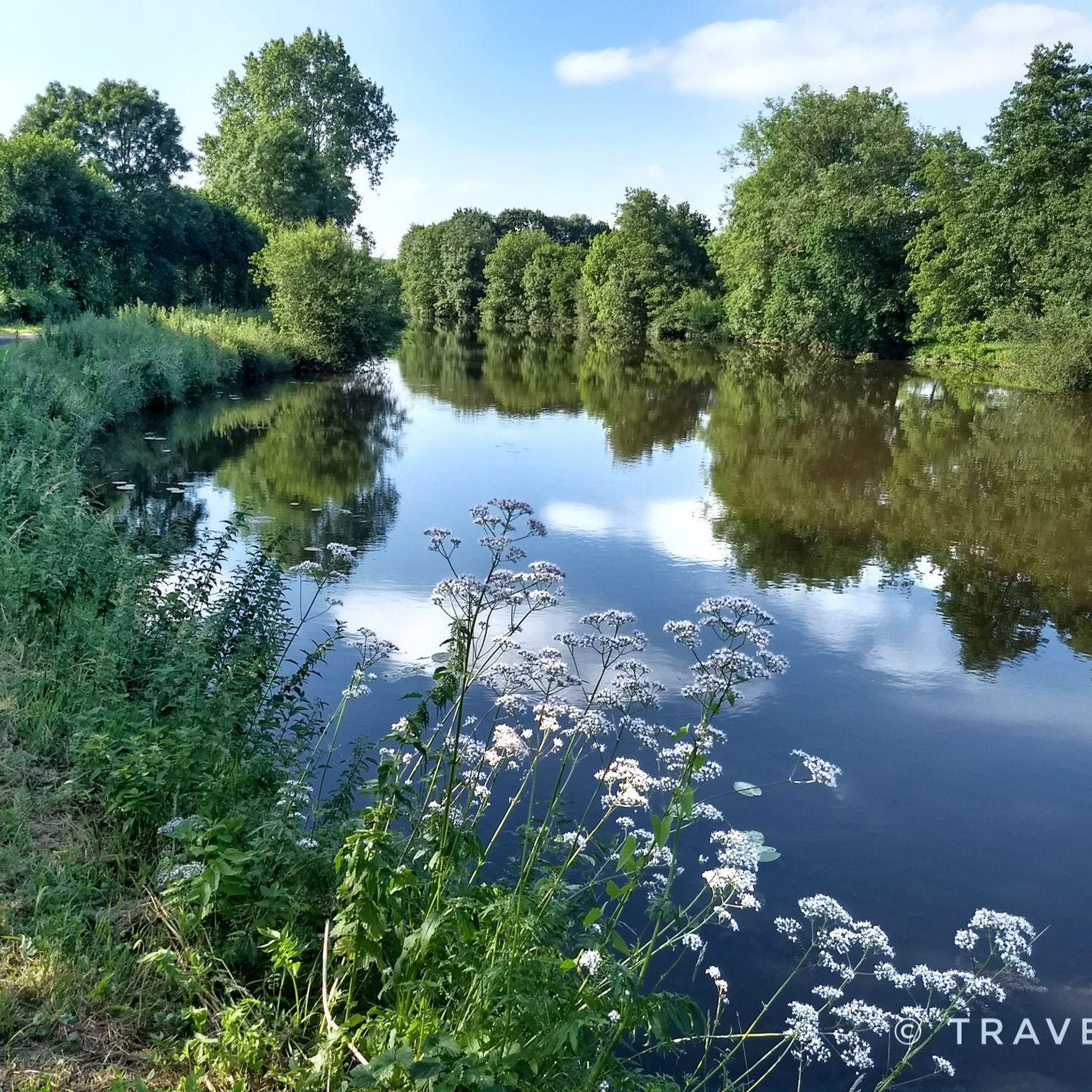
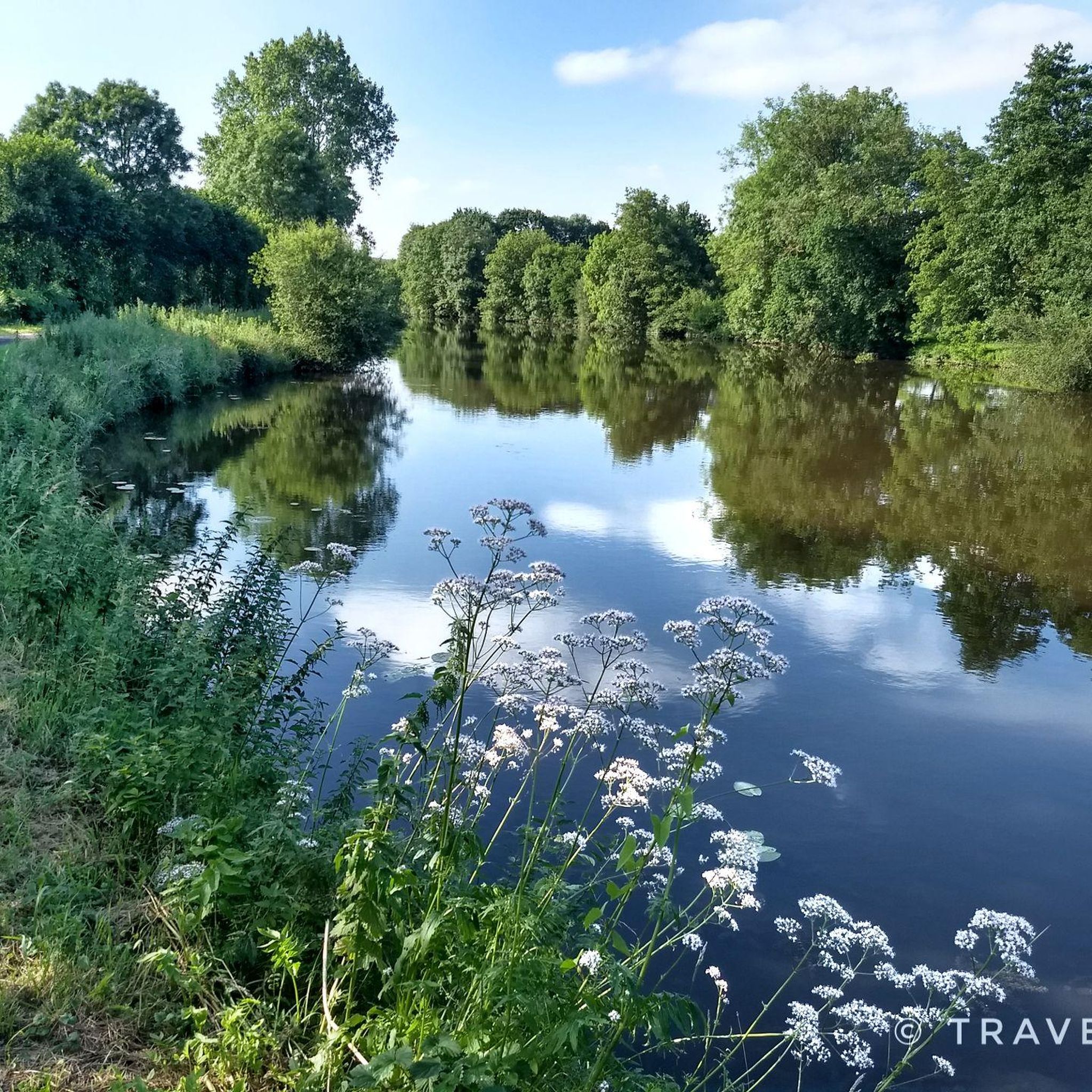
It is worth stopping here for a moment and enjoying the beautiful view. A charming little lock surrounded by well-kept greenery and flowers.
0
0
It's really worth visiting! Beautifully renovated and maintained houses from the 15th and 16th century create an amazing atmosphere of a truly historic village. True wonders of ancient architecture.
0
0

Beautiful small town with stone and half-timbered houses worth seeing. The founding of Malestroit dates back to 987, when monks settled on the banks of the Oust. The place became a stage destination on the Way of St. James, one of the pilgrimage routes to Santiago de Compostela. In 1131 the place was mentioned under the name Malestricum. During the Hundred Years' War in 1343 in the chapel de la Madeleine in Malestroit by the French king Philip VI. and the English King Edward III. signed a ceasefire. At the end of the Middle Ages, Malestroit became one of the nine baronies of Brittany. At the beginning of the 19th century, Napoleon I commissioned the construction of the Canal de Nantes à Brest, initially for military reasons, but later also with the aim of connecting the interior of Brittany to commercial goods traffic. Source: Wikipedia
1
0

A nice stop at the edge of the Nantes-Brest canal
1
0

Roc-Saint-André was known under the name of Le Rotz in the 15th century. The Welsh pronunciation is “Le Rô”. In Breton Roz-Sant-Andrev, it is the name of a chapel, the Roz chapel built on a rock dedicated to Saint Andrew. It is an old truce of Sérent, later established as a commune and parish. With its high Cornish bell tower, the neo-Gothic church of Roc Saint André is part of the great church reconstruction movement which marked the 19th century. Its architect, Arthur Regnault, drew no less than 70 plans for Breton churches! The building, built under the leadership of Father Pirio, rector of the parish, dominates a rocky promontory. It replaces the 16th century church razed in 1901 due to dilapidation. https://ville-roc-saint-andre.fr/tourisme-et-patrimoine
0
1
Installed since the 12th century and symbolizing seigneurial power, water mills rise on Île Notre-Dame and along the river to produce tan, essential for the activity of tanneries, flour and cloth. by treading on woven fabrics. In the 19th century, only two mills remained in Malestroit, one for tan and the other for flour. The flour mill becomes a tan mill to meet the demands of tanners: two weirs allow water to be retained. Returned to a flour mill in the 1950s, it closed in 2007
2
0
Frequently Asked Questions
What historical sites can I explore around Missiriac?
Missiriac and its surroundings are rich in history. You can visit the 11th-century Eglise Notre Dame in Missiriac itself, which features unique elements from various periods. Nearby, explore the Historic centre of Malestroit, a thousand-year-old village with half-timbered houses from the 15th and 16th centuries. Further afield, Josselin Castle, about 19.5 km away, offers a glimpse into 1000 years of history, and the picturesque village of Rochefort-en-Terre (15 km) is recognized as one of France's 'most beautiful villages'.
Are there any unique cultural attractions or museums near Missiriac?
Yes, for unique cultural experiences, consider visiting Le poète ferrailleur (Museum of the Junkyard Poet) in Lizio, about 11.7 km from Missiriac. History enthusiasts will appreciate the Museum of the Breton Resistance, located around 7.1 km away, offering insights into the region's wartime past. Additionally, the intricate Horloge Astronomique du Frere Bernardin in Ploermel is about 11.2 km distant.
What natural features or outdoor areas are worth visiting near Missiriac?
The region offers several natural highlights. The ancient Forêt de Paimpont (Paimpont Forest), roughly 24 km away, is known for its 'magical' atmosphere. Closer to Missiriac, the Écluse de Malestroit n°25 (3.6 km) is a charming lock along the waterways. You can also enjoy the scenic views around the Montertelot Lock, which features a small park and a beautifully decorated lock keeper's house.
What outdoor activities can I do near these attractions?
The area around Missiriac is excellent for outdoor activities. You can find numerous hiking, mountain biking, and running trails. For hiking, popular routes include the 'Blockhead – Place loop from La Gaudinais' (4.7 km, easy) or the 'Malestroit Lock – Malestroit loop' (14.9 km, moderate). Mountain bikers can explore longer routes like 'Malestroit – La Pierre Branlante loop' (52.5 km, moderate). Runners have options such as the 'Historic centre of Malestroit loop' (14.2 km, moderate). You can find more details and routes on the hiking guide, MTB guide, and running guide for Missiriac.
Are there family-friendly attractions around Missiriac?
Yes, many attractions in the area are suitable for families. The Historic centre of Malestroit is a great place for a family stroll, with its charming medieval architecture. The Mills of Île Notre-Dame in Malestroit offer an interesting historical insight into the region's industrial past. The Montertelot Lock also provides a pleasant spot with a small park for relaxation. The Campsite "Les Rives de l'Oust", located near Malestroit, offers playground equipment for children and kayak rentals.
What is the best time to visit Missiriac for outdoor activities?
Missiriac, being a 'Village Fleuri' in Brittany, is particularly charming during the warmer months when its floral displays are at their best. Spring and summer (roughly April to September) offer pleasant weather ideal for exploring historical sites, enjoying walks along the Oust river, and engaging in outdoor activities like hiking and cycling. The natural surroundings are vibrant during these seasons.
Where can I find accommodation or places to eat near the attractions?
In Malestroit, the Place du Bouffay is a medieval square dominated by St Gilles church and features outdoor seating for several restaurants and cafés. For accommodation, the Campsite "Les Rives de l'Oust" is conveniently located 300m from Malestroit town center, offering pitches and mobile homes, and is open from mid-April to late September.
What are some lesser-known or 'hidden gem' attractions in the Missiriac area?
Beyond the main highlights, you might enjoy discovering the Château de la Morlaye in Missiriac, an 18th-century castle offering insights into noble residences and ongoing renovation efforts. The ancient Menhirs of Monteneuf, about 13.4 km away, provide a fascinating glimpse into megalithic culture. These offer a deeper dive into the region's unique heritage.
Are there any specific viewpoints or scenic spots to enjoy the landscape?
Yes, the Montertelot Lock is noted as a viewpoint, offering a pleasant spot next to the canal with a small park. Additionally, the 'new' bridge and old promenade along the Oust River near Place du Bouffay in Malestroit provide great views of the Île-Notre-Dame, formed by the splitting of the Oust River.
What do visitors enjoy most about the attractions around Missiriac?
Visitors particularly appreciate the well-preserved historical character of places like the Historic centre of Malestroit, with its beautifully renovated 15th and 16th-century houses creating an amazing atmosphere. The unique historical significance of the Mills of Île Notre-Dame and the charming setting of the Montertelot Lock are also highly rated for their scenic beauty and historical context. The overall peaceful and natural surroundings are frequently mentioned as a highlight.
Can I find information about Missiriac's history within the village itself?
Yes, Missiriac has a rich history dating back to the Merovingian era, with vestiges of Roman baths discovered locally. The 11th-century Eglise Notre Dame, with its unique architectural elements from various periods and its classified churchyard, is a central historical landmark within the village. You can also learn about the 18th-century Château de la Morlaye, which offers insights into the region's noble past.
Most popular routes around Missiriac

Get inspired with the komoot mobile app


Explore more
Still not found the Highlight you’re looking for? See guides of the top attractions in other regions:
