The best road cycling routes around Condezaygues
4.7
(82)
1,902
riders
355
rides
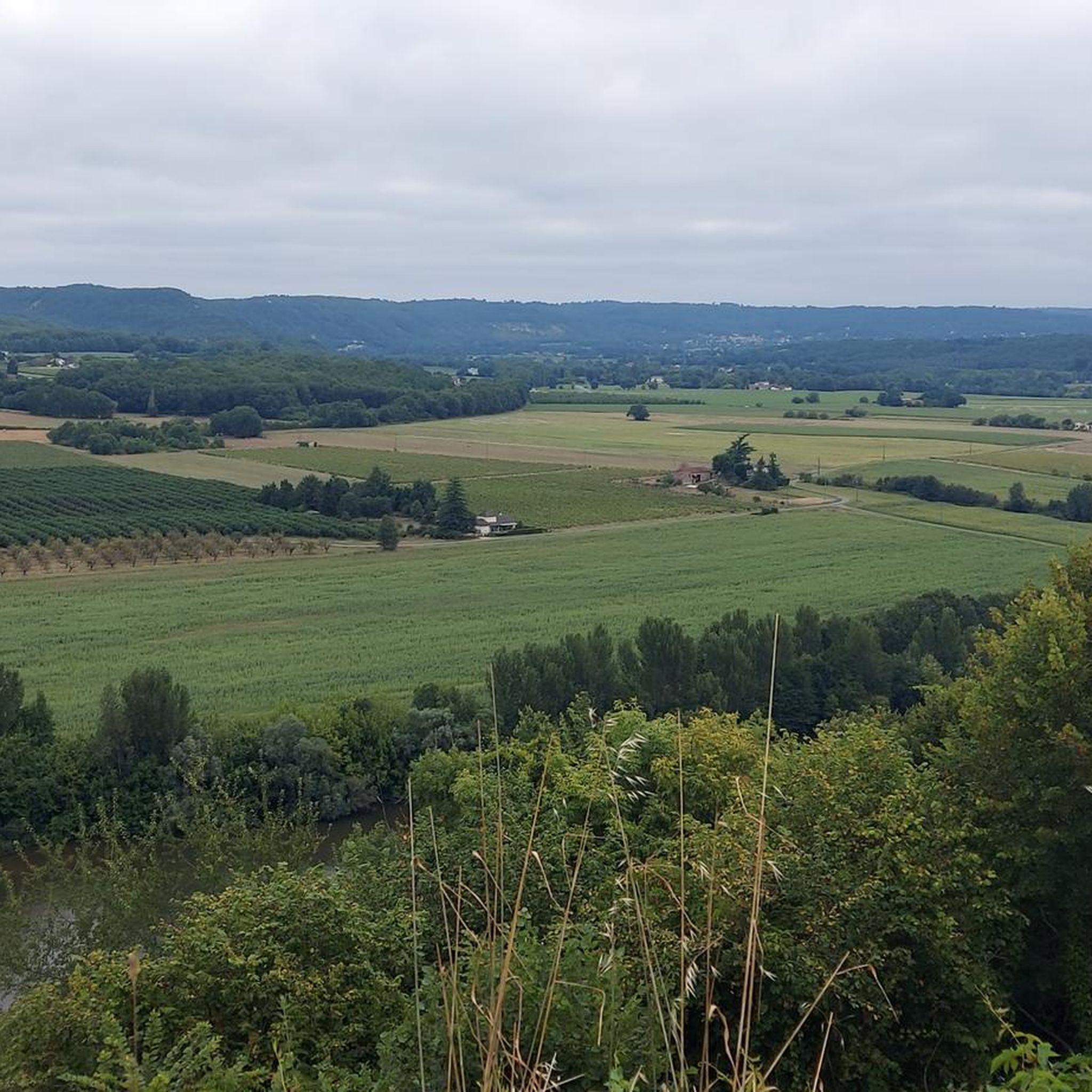
Road cycling routes around Condezaygues offer a diverse landscape in the Lot-et-Garonne department of France. The region features varied terrain, from mostly well-paved surfaces to routes with significant elevation gains, situated between the Lot and Dordogne valleys. Cyclists can find routes incorporating "Voie Verte" (greenway) sections for smoother experiences, alongside more challenging paths in hilly areas. Historical landmarks such as Bonaguil Castle and Chateau de Gavaudun provide notable backdrops for rides.
Best road cycling routes around Condezaygues
- The most popular…
Last updated: October 26, 2026
5.0
(2)
27
riders
65.8km
03:03
740m
740m
5
riders
90.4km
04:20
1,040m
1,040m
Hard road ride. Very good fitness required. Mostly well-paved surfaces and easy to ride.

5.0
(4)
54
riders
77.8km
03:28
540m
540m
Moderate road ride. Good fitness required. Some segments of this route may be unpaved and difficult to ride.
4.4
(8)
67
riders
Moderate road ride. Good fitness required. Mostly well-paved surfaces and easy to ride.
5.0
(3)
34
riders
62.4km
02:47
570m
570m
Moderate road ride. Good fitness required. Some segments of this route may be unpaved and difficult to ride.
Get access to more routes and recommendations from other explorers.
Already have an account?
Our route recommendations are based on thousands of hikes, rides, and runs completed by other people on komoot.
Start today with a free account
Your next adventure awaits.


Tips from the Community

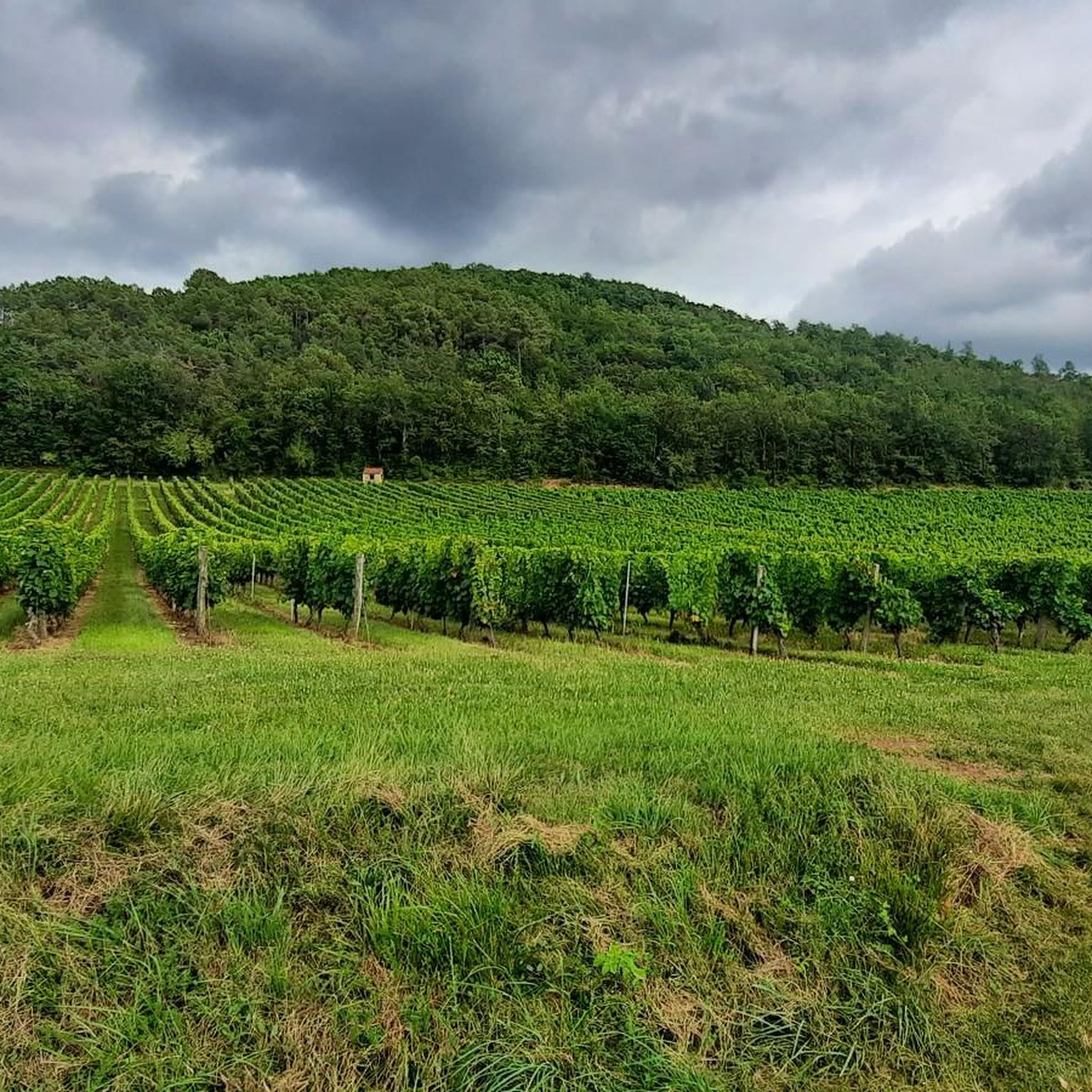
Albas, nicknamed « Albas la Jolie », is a magnificent medieval fortified village nestled in the heart of the Lot valley, in the Occitanie region. Perched on a rocky spur about 20 kilometers downstream from Cahors, the village proudly overlooks the meanders of the Lot river and the famous Cahors vineyard.
0
0
The name of the village comes from the Celtic word Puech (meaning high place) and from Guillaume de Cardaillac, count-bishop of Cahors, who took possession of the fort in 1228 during the Albigensian Crusade. The city became a highly strategic point for controlling river trade on the Lot, where local wine and goods were transported on barges.
0
0
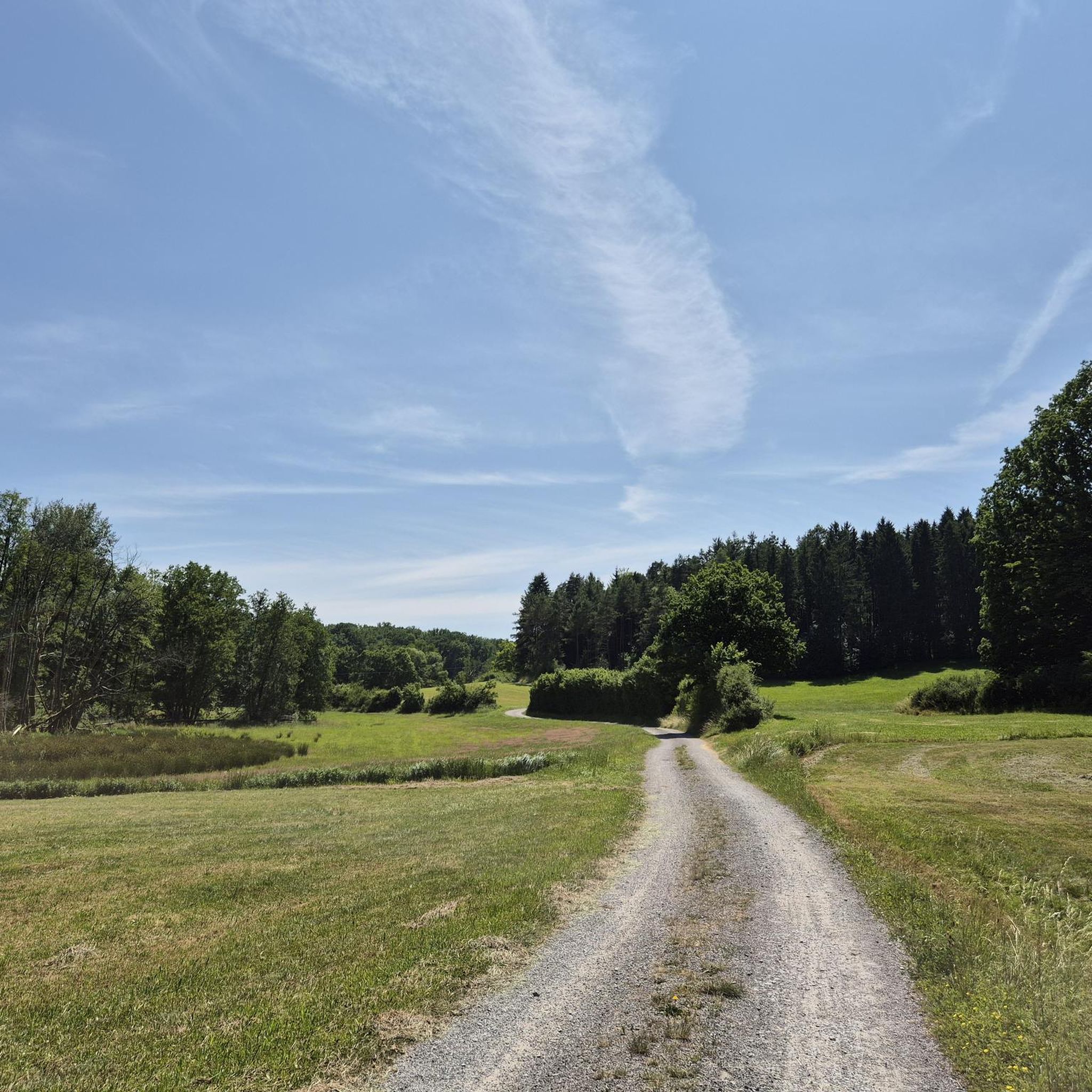
The Voie verte et véloroute de la Vallée du Lot (V86) is a major, safe cycling route stretching for approximately 430 to 480 km, connecting La Canourgue in Lozère to Aiguillon in Lot-et-Garonne. The route follows the meanders of the Lot river through varied landscapes of limestone cliffs, vineyards, orchards, and causses.
0
0
The greatest paradox of Bonaguil is that it appeared totally obsolete as soon as it was completed (at a time when kings were building the peaceful châteaux of the Loire). Situated away from the main strategic routes, it was never attacked or besieged, which explains why it has come down to us almost intact. A war machine... that never served!
0
0
The Notre-Dame-de-l'Assomption church of Villefranche-du-Périgord is a 19th-century religious building located in the heart of the medieval bastide The current church was built between 1864 and 1865 based on plans by architect Paul Abadie, famous for being the architect of Sacré-Cœur de Montmartre. It features a neo-Romanesque style, replacing an older building damaged over the centuries by the Hundred Years' War and the Wars of Religion. The interior space is vast, bright, and sober, characterized by a clear nave lit by stained-glass windows.
0
0
SauveTerre Museum of Prehistory: A modern space that reconstructs the daily life, environment, and evolution of prehistoric populations following major excavations in the region. Le Site du Martinet: Classified as a historic monument, this open-air archaeological site is located less than a kilometer from the museum and can be discovered independently. Le Château des Rois Ducs: A dominant medieval fortress built at the end of the 13th century by Edward I, a witness to ancient Franco-English rivalries. L'Église Saint-Barthélemy: 12th-century Romanesque building located in the heart of the historic town, of which a magnificent original apse remains. La Croix du Chemin: A remarkable 15th-century wrought iron artwork classified as a Historic Monument.
0
0
Former pilgrimage church integrated into a Benedictine priory founded at the end of the 11th century under the authority of the abbey of Aurillac, it is mainly distinguished by the remarkable architecture of its crypt and choir. It is one of the few churches in the region to have a semi-subterranean crypt. Intended to house relics, its presence causes a visible elevation of the transept and choir. Mainly built in the 12th century, the church consists of a main nave flanked by two aisles and a transept topped by a dome on pendentives. The large interior arcades rest on columns adorned with typical Romanesque sculptures depicting mermaids, back-to-back birds, or animals with human heads. The original choir was modified or rebuilt between the 14th and 16th centuries to become larger. On the outside, its facades display a military austerity reminiscent of the defensive roles it played during regional conflicts.
0
0
The medieval alleys of Penne-d'Agenais, listed among the Most Beautiful Villages of France, form a true paved labyrinth that climbs the hillside for nearly 200 meters in altitude to overlook the superb Lot valley. This fortified town, often compared to a small Tuscan village due to its ochre-colored facades, warm stones, and gentle way of life, offers a real dive into medieval history.
0
0
Frequently Asked Questions
How many road cycling routes are available around Condezaygues?
There are over 350 road cycling routes around Condezaygues, offering a wide variety of options for different preferences and skill levels.
What are the typical difficulty levels for road cycling routes in Condezaygues?
The routes around Condezaygues cater to all levels. You'll find 16 easy routes, 222 moderate routes, and 115 difficult routes, ensuring there's something for everyone from beginners to advanced cyclists.
Are there any easy or beginner-friendly road cycling routes?
Yes, Condezaygues offers several easy routes suitable for beginners. These often include sections of "Voie Verte" (greenway) for a smoother experience, such as parts of the Voie Verte Bridge – Panoramic viewpoint — Puy-l'Évêque loop from Saint-Vite, which is a moderate route but incorporates greenway sections.
What kind of terrain can I expect on road cycling routes around Condezaygues?
The terrain around Condezaygues is diverse, ranging from mostly well-paved surfaces to routes with significant elevation gains. You'll encounter varied landscapes situated between the Lot and Dordogne valleys, including greenway sections and hilly areas.
Are there challenging routes for experienced road cyclists seeking elevation gains?
Absolutely. For experienced cyclists, routes like the Medieval cities of Agenais - loop offer significant elevation changes, with over 1,000 meters of ascent, providing a demanding ride through varied terrain.
What historical landmarks can I discover while road cycling in the region?
The region is rich in historical landmarks. You can cycle past impressive castles such as Château de Bonaguil, a formidable 13th-century fortress, or Gavaudun Castle, perched on a rocky outcrop. Other notable sites include Fumel Castle.
Are there scenic viewpoints along the road cycling routes?
Yes, many routes offer breathtaking views. For instance, the Voie Verte Bridge – Panoramic viewpoint — Puy-l'Évêque loop from Saint-Vite specifically leads to panoramic viewpoints, showcasing the beauty of the valleys and surrounding landscapes.
Are there any circular road cycling routes in the area?
Many routes around Condezaygues are designed as loops, allowing you to start and finish in the same location. Examples include the Périgord Castles and Bastides Loop and the Medieval cities of Agenais - loop.
What do other road cyclists say about the routes in Condezaygues?
The road cycling routes in Condezaygues are highly rated by the komoot community, with an average score of 4.6 stars from over 60 reviews. Cyclists often praise the varied terrain, the historical backdrops, and the well-maintained greenway sections.
What is the best time of year for road cycling in Condezaygues?
The region generally offers pleasant cycling conditions for much of the year. Spring and autumn are often ideal, with milder temperatures and beautiful scenery. Summer can be warm, but early mornings or late afternoons are still enjoyable.
Are there greenway sections for a smoother cycling experience?
Yes, the area includes "Voie Verte" (greenway) sections, such as the one between Fumel and Monsempron-Libos. These provide pleasant, rolling paths that are ideal for a smoother and more relaxed cycling experience, often incorporated into longer routes.
Most popular routes around Condezaygues
Most popular attractions around Condezaygues

Get inspired with the komoot mobile app


Explore more
Browse the best Road cycling routes in other regions.
