Attractions and Places To See around Sulniac - Top 20
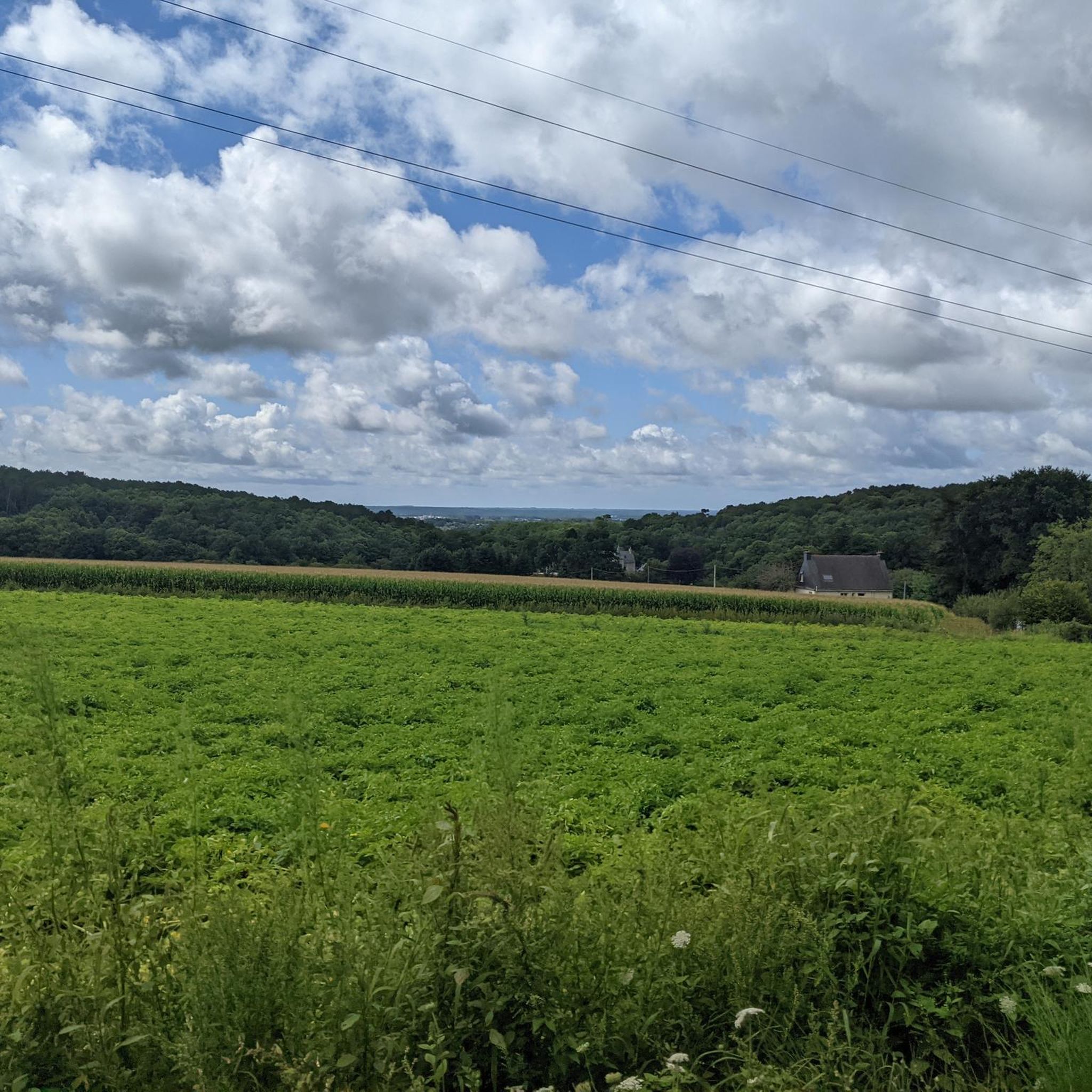
Best attractions and places to see around Sulniac include a blend of historical sites, natural beauty, and cultural experiences within the rural commune of Morbihan, Brittany. Situated on the foothills of the Landes de Lanvaux, the area features varied, wooded landscapes and proximity to the Gulf of Morbihan. Sulniac is characterized by its religious architectural heritage, traditional villages, and a network of marked trails. The region offers opportunities to explore countryside, rivers, and wetlands.
Best attractions and places to see…
Last updated: August 29, 2026
Notre-Dame de Cran Chapel
Highlight • Religious Site
Translated by Google •
Tip by

Chapel of La Vraie-Croix
Highlight • Religious Site
Translated by Google •
Tip by

Sign up now to discover places like this
Get recommendations on the best single tracks, peaks, & plenty of other exciting outdoor places.
Sign up for free
Path Along the Plessis Stream
Highlight (Segment) • Trail
Translated by Google •
Tip by
Saint Vincent fountain
Highlight • Other
Translated by Google •
Tip by

Saint-Jean-Baptiste Church of Gorvello
Highlight • Religious Site
Translated by Google •
Tip by
Sign up for free to discover even more attractions around Sulniac.
Sign up for free
Already have an account?
Start today with a free account
Your next adventure awaits.
Login or Signup

Tips from the Community

13th century chapel classified as a Historic Monument, as are the crypts located under the chapel. This atypical monument with its impressive staircase has the particularity of being built above a public road. It has a magnificent wooden altar, a bronze reliquary, and a pretty stone bell tower.
0
0

Of the chapel built in the 13th century, only an original portal remains. The rest of the chapel dates from the 16th century. The granite building was restored at the end of the 20th century by Bâtiments de France and classified as a Historic Monument since 1926, as were the crypts under the chapel. The Chapel is open to the public every day, from Easter until All Saints' Day, from 9:30 a.m. to 6:30 p.m.
0
0

The veneration of the Holy Cross goes back in large part to Saint Helena, who was the mother of Emperor Constantine the Great (who, after his victory at the "Milvian Bridge" outside Rome, recognized Christianity as a religion and in 312 the long time of persecution ended with the Milan “Tolerance Edict”). In the early fourth century she undertook a pilgrimage to the Holy Land (Israel / Palestine) and brought numerous relics from there to Europe, including the "True Cross" on which Jesus Christ was crucified. Helena is therefore often depicted with a cross as an attribute. The Church celebrates the feast of the discovery, presentation and veneration of the Holy Cross – called “Exaltation of the Cross” – on September 14th.
0
0

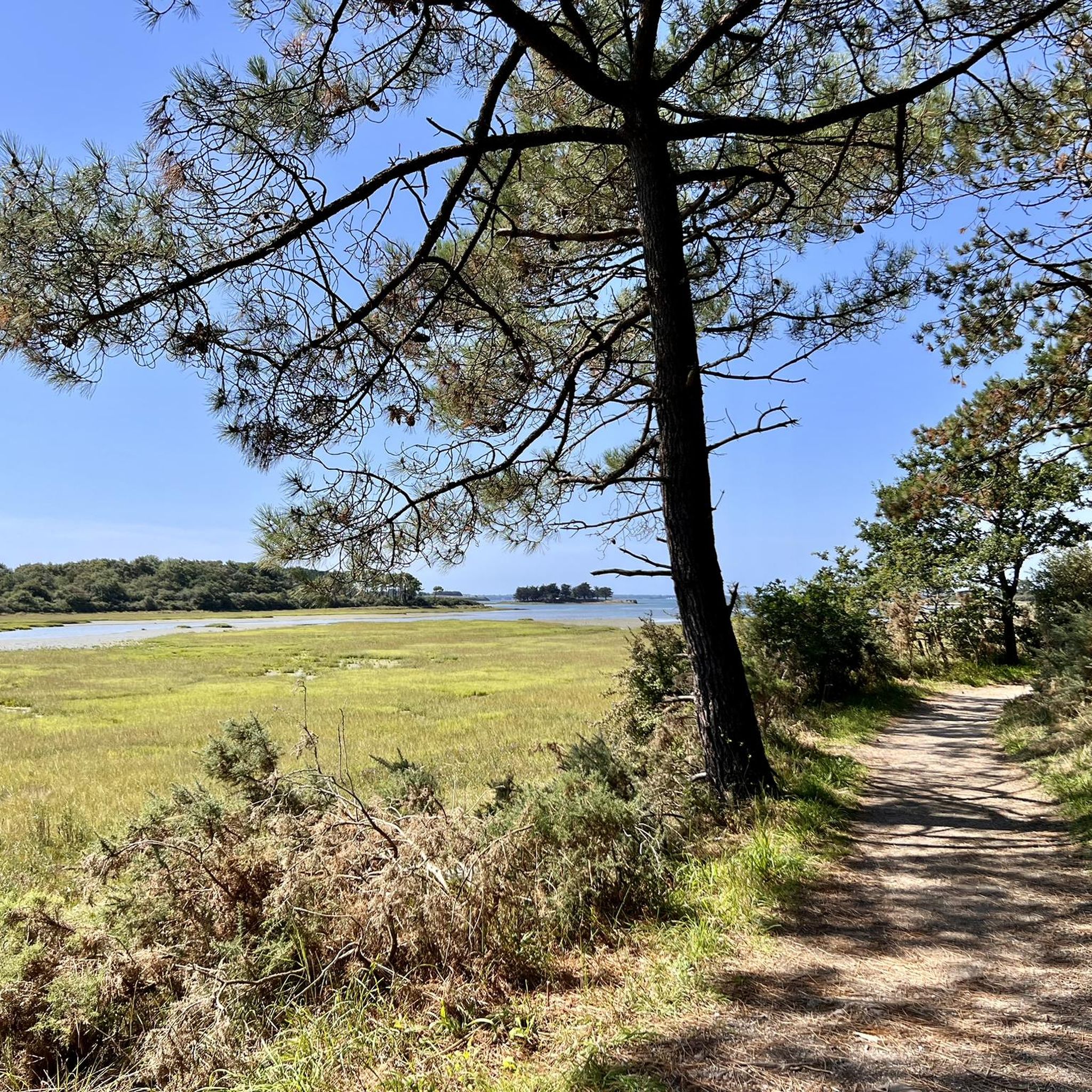
In search of the 3 fountains throughout the circuit. Only the last dating from 1817 answered my curiosity. I thought I saw the daughters of the goddess Théthys curl up, to whom water fountains often refer. Nay. Nothing. It is true that I was already accompanied by an ocean goddess! Still, this circuit is far from being monotonous. Not difficult at all, he knows how to make himself surprising and offers multiple visions of landscapes that do not leave anyone indifferent. Walking along the gulf, all wet from the still waters that shimmer and bask in the evanescent morning sun, is enough to perk you up. Small havens of peace sometimes appear along the way to encourage you to take a contemplative break or a lunch break. It is a superb hike that you absolutely must do and which has the merit of transporting you to another dimension. Far from urban realities!
0
1
Saint John the Baptist (Saint Jean Baptiste), to whom this church is dedicated, is – like Saint Joseph – a man on the threshold of the Old and New Testaments. His parents are Zechariah and Elizabeth. After the proclamation of God's incarnation, the Mother of God visits her relative Elizabeth, who will give birth to a son in old age, John the Baptist. This is half a year older than Jesus and is considered his forerunner / pioneer. He lives in the desert, preaches the repentance of sins to the Jewish population and baptizes them in the Jordan, where Jesus also comes to be baptized, being filled with the Holy Spirit that descends on him from heaven. The memorial day of John the Baptist (Jean Baptiste) in the calendar of saints is on June 24th, exactly half a year before 'Christmas Eve'.
2
1

A very charming chapel, do not hesitate to enter to admire its wall frescoes.
1
0

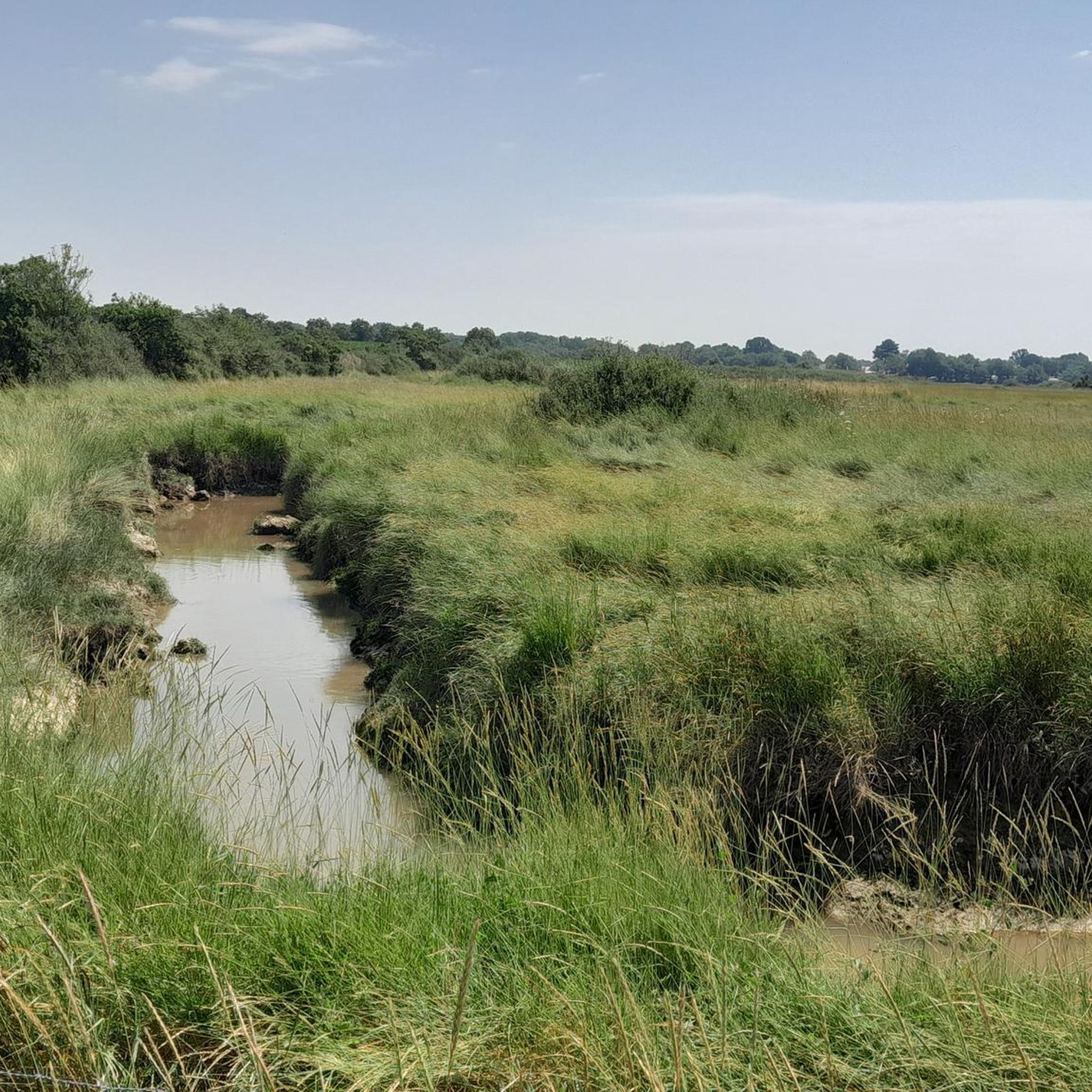
As has already been said !!! you will find everything to have fun, boiling water, ruts filled with very clear water, very pointed and well hidden roots, caillasse from well square caillasse, just Paradise !!!!
1
1
You want Gravel !!! then you will have Gravel VTT !!! some technical sections that I do not have elsewhere !!! very stony gravel, puddles, roots seen in voila, well filled ruts !!!!!!!!!!!!!!!!!!!!!!!!!!!!!!!!!!!!!!!!! happiness qoa !!!!!
1
1
Frequently Asked Questions
What historical and religious sites can I visit in Sulniac?
Sulniac is rich in religious heritage. You can explore the 12th-century Notre-Dame de Cran Chapel, known for its wall frescoes and status as a Historical Monument. The Saint-Jean-Baptiste Church of Gorvello, a 16th-century church, is also a significant site. Additionally, the Chapel of La Vraie-Croix, with parts dating back to the 13th century and crypts, is classified as a Historic Monument. Other notable sites include the Saint-Pierre Church, Sainte-Marguerite Chapel, Saint-Roch Chapel, and the Saint Vincent Ferrier Oratory.
Are there any traditional villages to explore near Sulniac?
Yes, the well-preserved **Le Gorvello Village** offers a glimpse into 17th-century Morbihan with its distinctive ambiance and summer floral displays. It's unique as it straddles the communes of Theix and Sulniac, with the Saint-Jean-Baptiste Church of Gorvello being a central feature.
What kind of natural landscapes can I expect to see around Sulniac?
Sulniac offers a harmonious blend of countryside, varied wooded landscapes, and proximity to the sea. It's situated on the foothills of the Landes de Lanvaux, providing opportunities for nature exploration. You'll find a mosaic of habitats, including agro-pastoral areas, wet meadows, forest habitats, and typical Breton heaths that are vibrant when in bloom during summer.
Are there opportunities for hiking or walking in Sulniac?
Absolutely! Sulniac features a network of marked trails suitable for hiking. For example, you can explore routes like the 'Notre-Dame de Cran Chapel – Cran Calvary loop from Sulniac' which is an easy 6.2 km hike. For more options, you can find various hiking routes around the area on the Hiking around Sulniac guide.
Can I go cycling around Sulniac?
Yes, the region around Sulniac is great for cycling. There are dedicated guides for different cycling styles. You can explore gravel biking routes like the 'Manoir de Randrécard – Fontaine de Cran loop from Treffléan' (29.4 km) or road cycling routes such as the 'Le Gorvello — Surzur, circuit par la Réserve Naturelle de la Lande du Moulin' (40.4 km). Discover more routes on the Gravel biking around Sulniac guide and the Road Cycling Routes around Sulniac guide.
Are there any challenging trails for experienced hikers or mountain bikers?
Yes, the Path Along the Plessis Stream is noted for its technical sections, including stony gravel, puddles, and roots, making it suitable for mountain biking and offering a challenge for experienced riders. It's described as having 'very stony gravel, puddles, roots, well filled ruts' for those seeking a more adventurous ride.
What natural water features are there to explore?
You can find several natural water features, including the Source - Rivière de Noyalo (4km) and the Réserve naturelle nationale des marais de Séné (12km). The commune also features various other river sources and estuaries, as well as wet meadows. Don't miss the Saint Vincent fountain, a historical water source that adds to the charm of the local landscape.
Are there family-friendly attractions in Sulniac?
Yes, the Notre-Dame de Cran Chapel is considered family-friendly. Its charming architecture and historical significance can be an engaging visit for all ages. The surrounding village of Cran is also a beautiful architectural ensemble to explore.
What is the best time of year to visit Sulniac?
The heaths around Sulniac are particularly vibrant when in bloom during summer, offering beautiful natural scenery. Additionally, Sulniac celebrates an annual Apple Festival on the second Sunday of October, and 'La Noce Bretonne du Gorvello' (Breton wedding celebration) takes place on the last Sunday of June, offering cultural experiences during these times.
What is the 'Petit Patrimoine' of Sulniac?
Sulniac is home to around forty 'small heritage' edifices, some centuries old. These include washhouses, fountains, wayside crosses, and bread ovens. Five of these sites are even listed in the supplementary inventory of Historic Monuments, with ongoing efforts to restore and highlight them, such as the Kermartin washhouse and fountain.
Are there any dog-friendly trails or walks near Sulniac?
While specific dog-friendly tags are not available for all trails, the rural landscapes and network of marked trails around Sulniac generally offer good opportunities for walks with dogs, provided they are kept on a leash and local regulations are respected. The Hiking around Sulniac guide provides various routes that can be explored with your canine companion.
What are some hidden natural gems around Sulniac?
Beyond the well-known trails, the region's mosaic of habitats, including wet meadows and forest areas, offers many quiet spots for nature lovers. Exploring the foothills of the Landes de Lanvaux or the various river sources and estuaries can lead to discovering serene and less-trafficked natural areas. The proximity to the Gulf of Morbihan also means hidden coastal paths and viewpoints are within reach.
Most popular routes around Sulniac
Most popular attractions around Sulniac

Get inspired with the komoot mobile app


Explore more
Still not found the Highlight you’re looking for? See guides of the top attractions in other regions:
