Attractions and Places To See around Bricqueville - Top 20
Best attractions and places to see around Bricqueville include significant historical sites related to the Normandy landings. Located in the Calvados department of Normandy, this area is characterized by its coastal landscape and numerous memorials. Visitors can explore a range of landmarks and natural features that commemorate pivotal moments in World War II history. The region offers a blend of historical exploration and scenic coastal views.
Best attractions and places to see around Bricqueville
- The most popular attractions is Seine…
Last updated: July 6, 2026
Saint-Siméon Chapel (ruins), Omaha Beach
Highlight • Religious Site
Limestone building was built in the 13th or 14th century. It was rebuilt in the 19th century.
The chapel is mentioned in the …
Translated by Google •
Tip by

Seine Bay
Highlight • Lake
Translated by Google •
Tip by

Sign up now to discover places like this
Get recommendations on the best single tracks, peaks, & plenty of other exciting outdoor places.
Sign up for free
Omaha Beach Memorial Monuments
Highlight • Monument
Translated by Google •
Tip by

Monument to the 5th Engineer Special Brigade
Highlight • Other
Translated by Google •
Tip by

1st Infantry Division Memorial (The Big Red One), Colleville-sur-Mer
Highlight • Monument
Showing Translation
Tip by
Sign up for free to discover even more attractions around Bricqueville.
Sign up for free
Already have an account?
Start today with a free account
Your next adventure awaits.
Login or Signup

Tips from the Community

The memorial was erected in 1956 to honor the brave soldiers of the 1st U.S. Infantry Division, known as the "Big Red One," who fought in the Easy Red sector during the D-Day landings on June 6, 1944. The memorial consists of an obelisk-like pillar of gray granite surrounded by a circular bench. Engraved on the obelisk are the names of 627 fallen soldiers who fell between June 6 and July 24, 1944. It stands on the site of the former German resistance position WN62, one of the strongest defensive positions in the area.
1
0
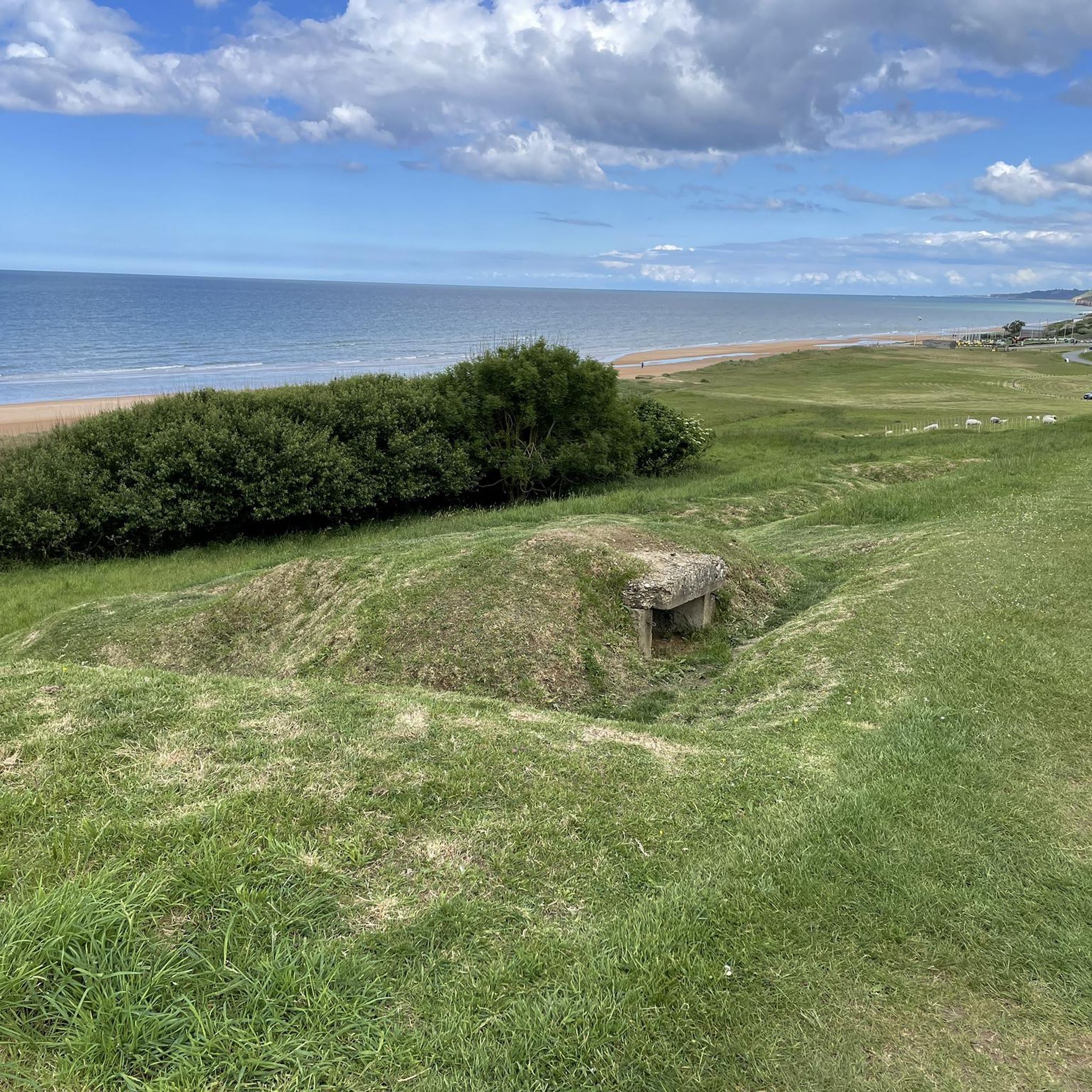
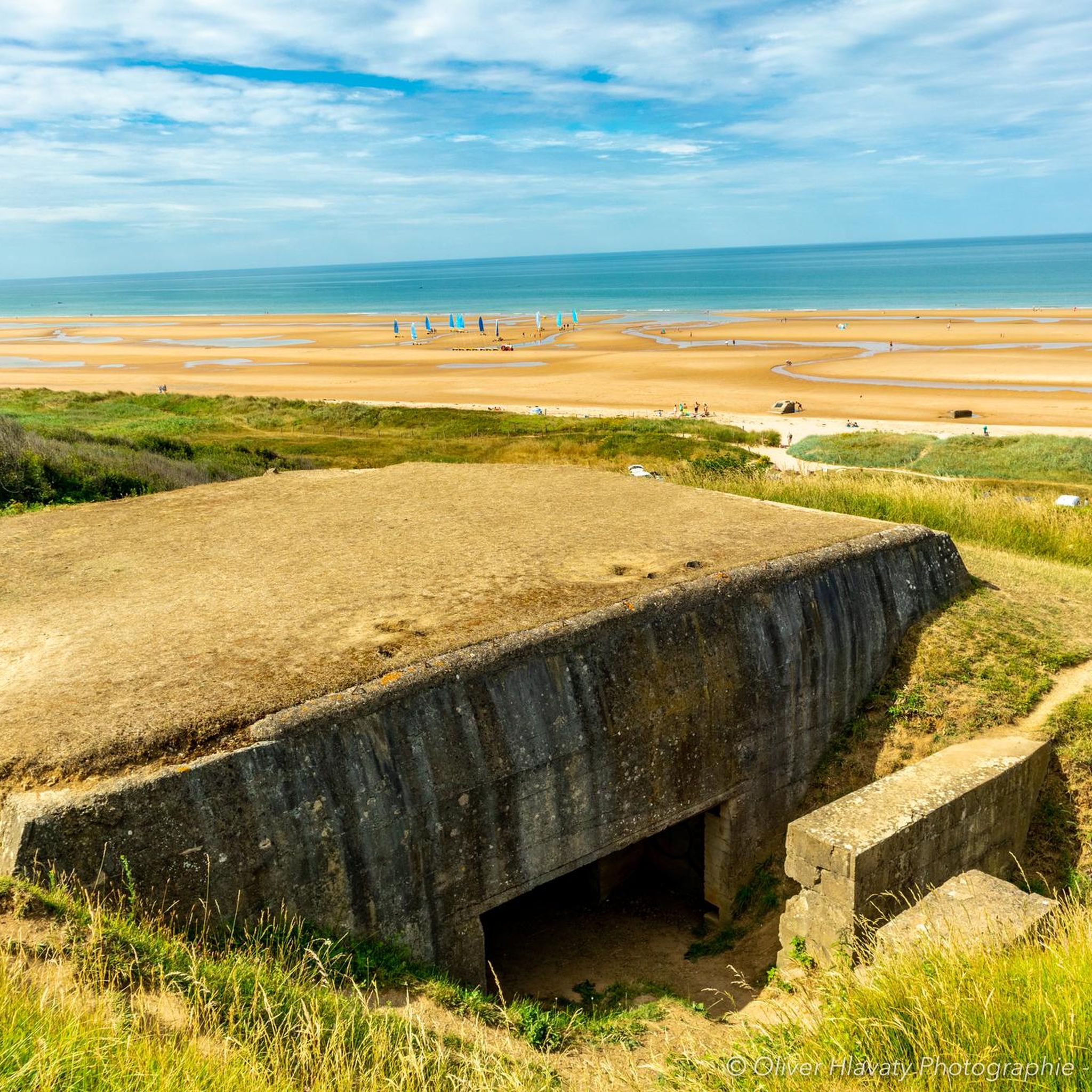
GPS coordinates: N 49° 21.616, W 0° 50.876 The monument of the 5th Engineer Special Brigade honors the US Combat Engineers who fought during the Normandy landings on June 6, 1944. It stands on the site of a former German strongpoint and consists of a concrete base with granite and bronze plaques, which specifically honor the subunits of the brigade – including the 299th Engineer Combat Battalion. The 5th Engineer Special Brigade was responsible for the Omaha Beach sector. Their main tasks included clearing mines and obstacles, creating lanes for vehicles, rescuing the wounded, and supporting the infantry during the landings. Despite heavy shelling, the brigade succeeded in securing the landing zones, thereby enabling the supply and movement of Allied troops. The monument commemorates their courage and sacrifices.
1
0

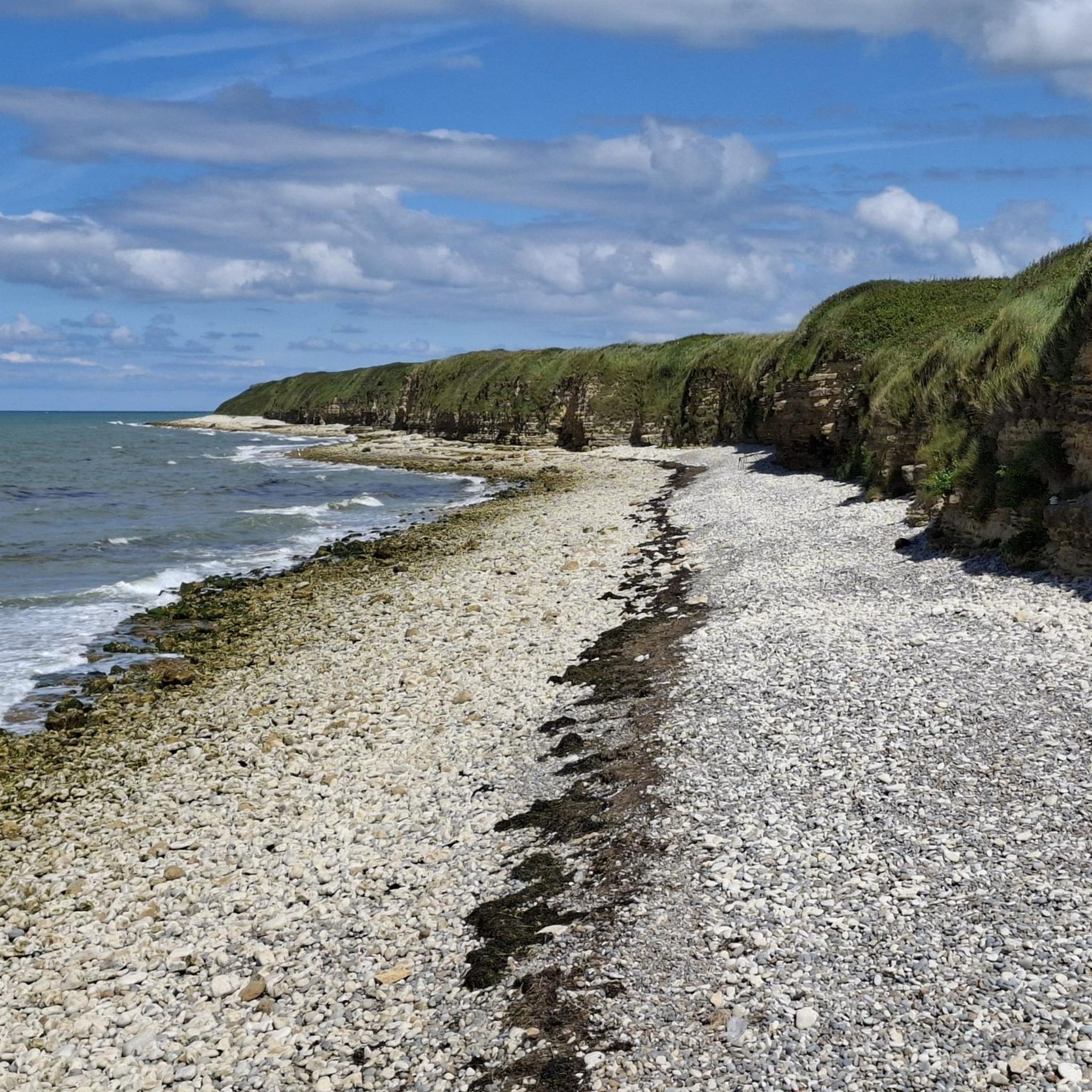
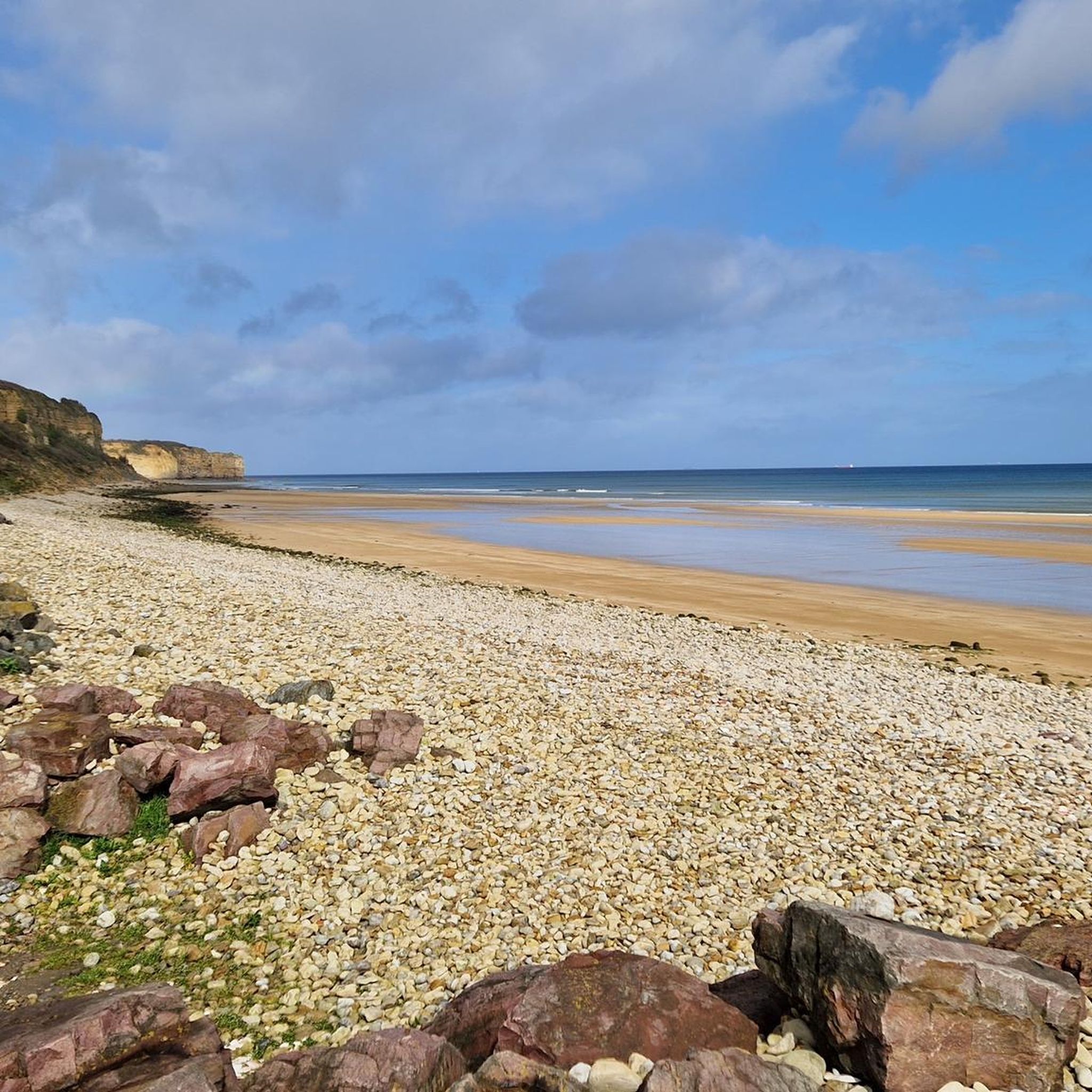
You also have a good view from here!
0
0

How many people lost their lives here. Here, history comes alive.
0
0
How many people lost their lives here. Here, history comes alive.
0
0

The memorial was created by French artist Anilore Banon and consists of three symbolic elements: "The Wings of Hope": These are intended to remind us that the spirit that carried the men on June 6, 1944, should continue to inspire us. "Rise, Freedom!": This element symbolizes the courage of the soldiers who rose up against tyranny. "The Wings of Fraternity": These represent solidarity and a sense of unity between nations.
5
0
When you walk along the beach today... you are horrified to think that so many soldiers/people lost their lives here.
4
0
The 5th Engineer Special Brigade was a special unit of the U.S. Army that played a crucial role in the Normandy landings on D-Day, June 6, 1944. Their primary task was to remove beach obstacles and create paths for the following troops. Despite heavy losses, they managed to remove enough obstacles and build passable paths to allow American troops and equipment to land and leave the exposed beach.
5
0
Frequently Asked Questions
What historical sites related to the Normandy landings can I visit near Bricqueville?
The Bricqueville area is rich in D-Day history. You can visit the Omaha Beach Memorial Monuments, which serve as a poignant reminder of the heavy casualties suffered by US troops. Another significant site is the 1st Infantry Division Memorial (The Big Red One) in Colleville-sur-Mer, honoring the division's pivotal role in securing strategic points on Omaha Beach. The Monument to the 5th Engineer Special Brigade also commemorates a unit crucial for clearing beach obstacles during the landings.
Are there any natural features or viewpoints to explore around Bricqueville?
Yes, the region offers beautiful coastal landscapes. The Seine Bay provides a scenic beach with hiking possibilities. You can also visit the ruins of Saint-Siméon Chapel on Omaha Beach, which offers a beautiful view from the cliffs.
What kind of outdoor activities can I do near the attractions in Bricqueville?
The area around Bricqueville is excellent for outdoor activities. You can find numerous routes for hiking, cycling, and gravel biking. Many of these routes incorporate the historical sites and coastal scenery of the region.
Are there family-friendly attractions in the Bricqueville area?
Yes, several historical sites are suitable for families. The Omaha Beach Memorial Monuments and the 1st Infantry Division Memorial offer educational experiences for all ages, allowing families to learn about the significant events of D-Day in a respectful environment.
What do visitors enjoy most about the attractions around Bricqueville?
Visitors frequently highlight the profound historical significance of the area, particularly the D-Day landing beaches. The combination of moving historical sites, like the Seine Bay and its memorials, with the beautiful coastal scenery, creates a powerful and memorable experience. Many appreciate the opportunities for reflection and the scenic views.
Can I find Romanesque architecture or other significant churches in the wider region?
While Bricqueville itself is known for its D-Day history, the wider Normandy region offers other architectural gems. For example, the Saint-Siméon Chapel (ruins) on Omaha Beach dates back to the 13th or 14th century. Further afield, Lessay Abbey is an important example of Romanesque architecture, and Coutances boasts an imposing 13th-century cathedral.
Are there any unique cultural sites or museums near Bricqueville?
Beyond the immediate D-Day sites, the region offers diverse cultural experiences. The Christian Dior Villa "Les Rhumbs" in Granville, about 12 km from Bricqueville-sur-Mer (Manche), provides insight into the designer's early life. The Scriptorial, Musée des Manuscrits du Mont Saint Michel in Avranches, showcases manuscripts related to the famous abbey.
What is the significance of the Seine Bay near Bricqueville?
The Seine Bay is a significant natural feature near Bricqueville, offering a beautiful beach with hiking possibilities. It holds immense historical context as a location where bloody events took place during the 1944 Normandy landings, making it a place for both natural beauty and solemn reflection.
Are there any hidden gems or lesser-known historical spots to discover?
While not a hidden gem in the traditional sense, the Saint-Siméon Chapel (ruins) on Omaha Beach offers a unique blend of history and scenic beauty. This 13th/14th-century chapel, damaged during WWII, was once a pilgrimage site and now provides a quiet viewpoint over the coast.
What is the best way to explore the D-Day landing beaches from Bricqueville?
Bricqueville is ideally situated for exploring the D-Day landing beaches. You can drive to various sites like Omaha Beach, or utilize the extensive network of hiking and cycling routes that connect many of the memorials and historical points along the coast.
What other towns or cities are worth visiting near Bricqueville?
Bayeux, located about 19 km from Bricqueville (Calvados), is a significant historical town known for its tapestry and cathedral. Further away, Granville is a charming seaside resort, and Coutances is famous for its impressive cathedral.
Most popular routes around Bricqueville

Get inspired with the komoot mobile app


Explore more
Still not found the Highlight you’re looking for? See guides of the top attractions in other regions:
