The best cycling routes around Meximieux
4.2
(29)
275
riders
41
rides
Touring cycling around Meximieux, located in the Ain department of France, offers diverse landscapes for cyclists. The region features varied terrain, from flat sections near the Ain River and the pond-filled Dombes area, to more challenging ascents in the eastern parts. Routes often traverse forests and open countryside, providing a mix of natural environments. The area is known for its extensive network of signposted routes.
Best touring cycling routes around Meximieux
- The most popular touring cycling route is Pérouges, Loyes…
Last updated: June 25, 2026
2.3
(3)
8
riders
42.9km
02:35
300m
300m
Moderate bike ride. Good fitness required. Mostly paved surfaces. Suitable for all skill levels.
4.5
(6)
34
riders
Moderate bike ride. Good fitness required. Mostly paved surfaces. Suitable for all skill levels.

Sign up for free
5.0
(1)
30
riders
43.3km
03:38
300m
300m
Moderate bike ride. Good fitness required. Mostly paved surfaces. Suitable for all skill levels.
23
riders
44.2km
03:34
530m
530m
Hard bike ride. Very good fitness required. Mostly paved surfaces. Suitable for all skill levels.
5.0
(1)
17
riders
54.0km
03:36
710m
710m
Hard bike ride. Very good fitness required. Mostly paved surfaces. Suitable for all skill levels.
Get access to more routes and recommendations from other explorers.
Sign up for free
Already have an account?
Our route recommendations are based on thousands of hikes, rides, and runs completed by other people on komoot.
Start today with a free account
Your next adventure awaits.
Login or Signup
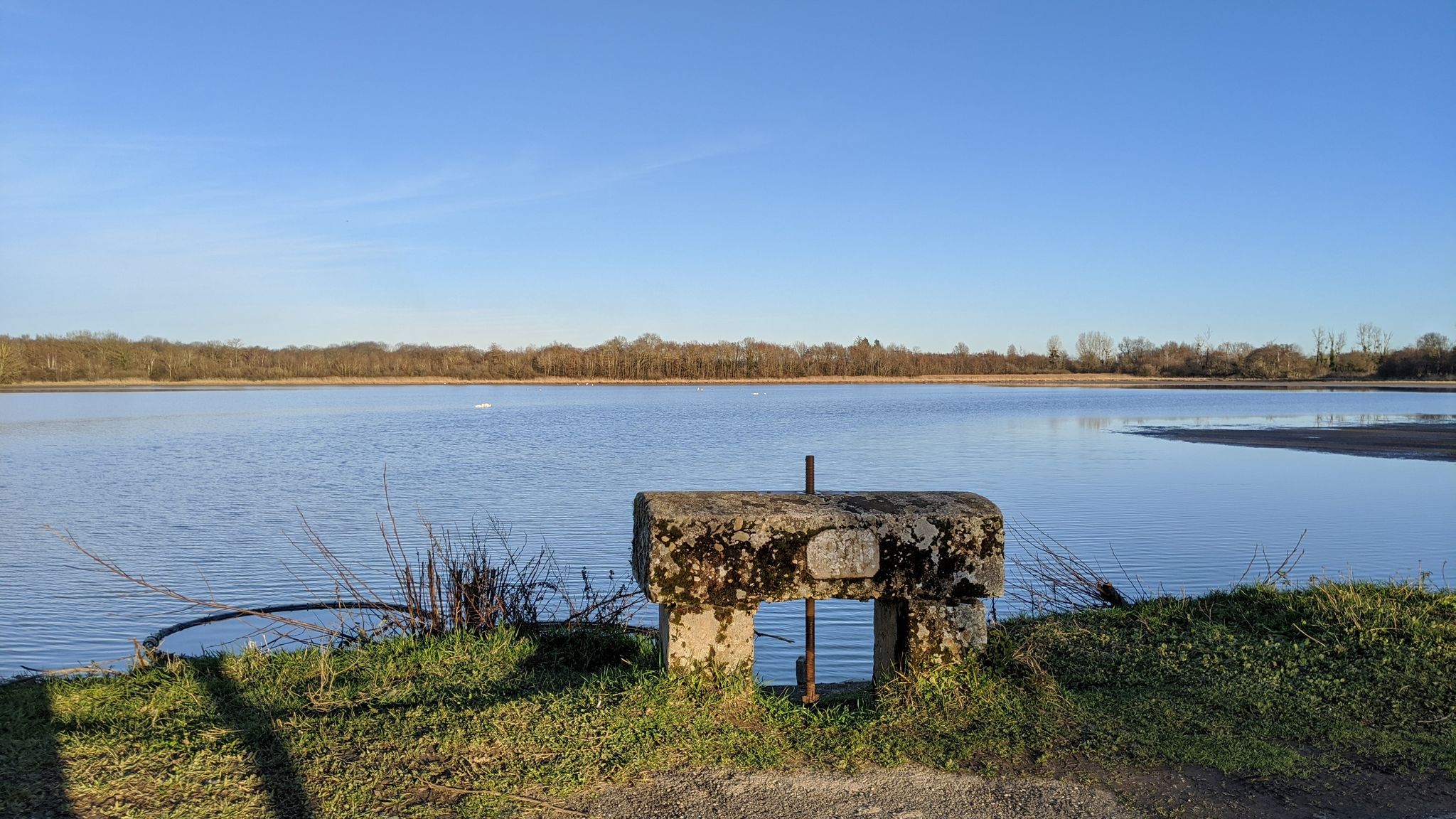
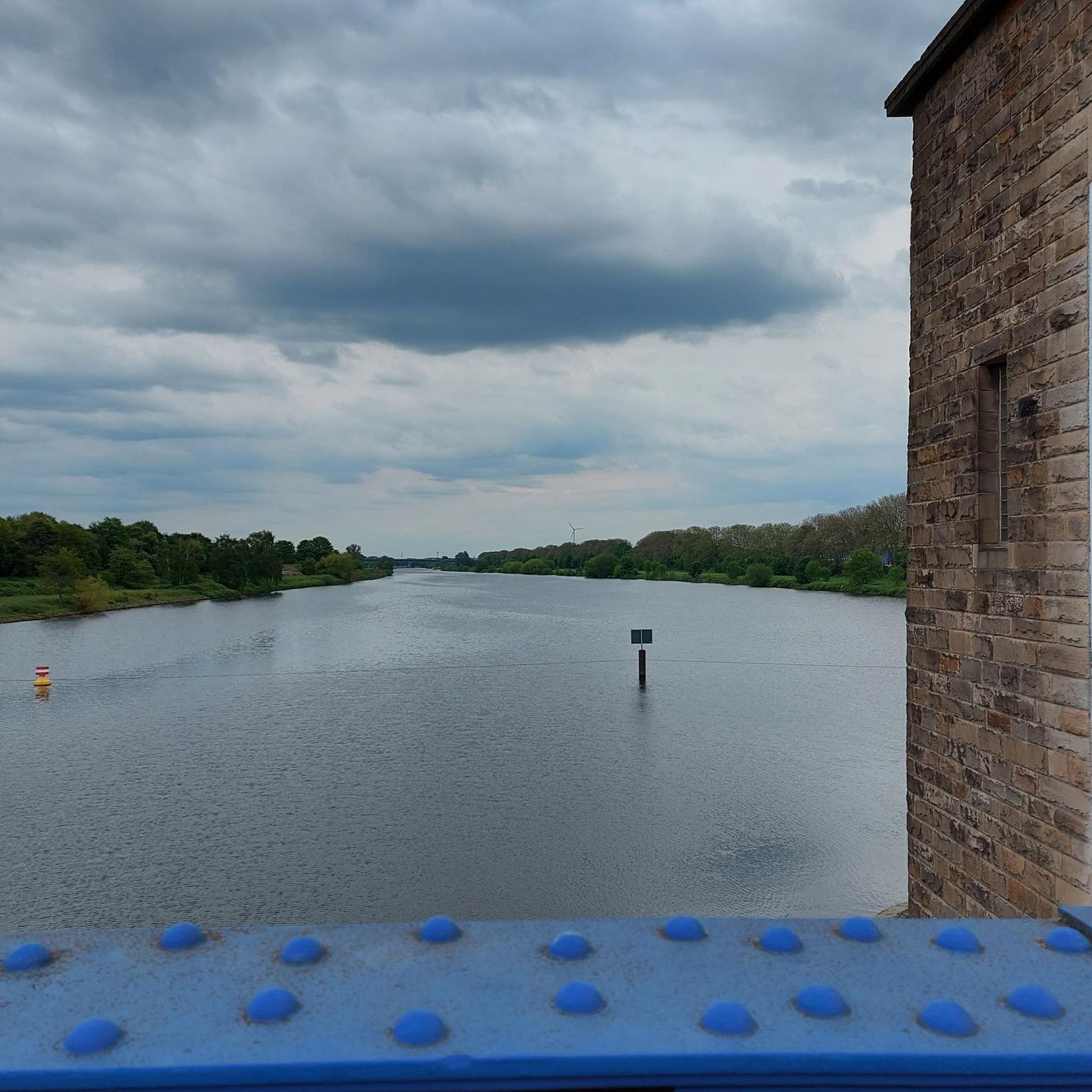
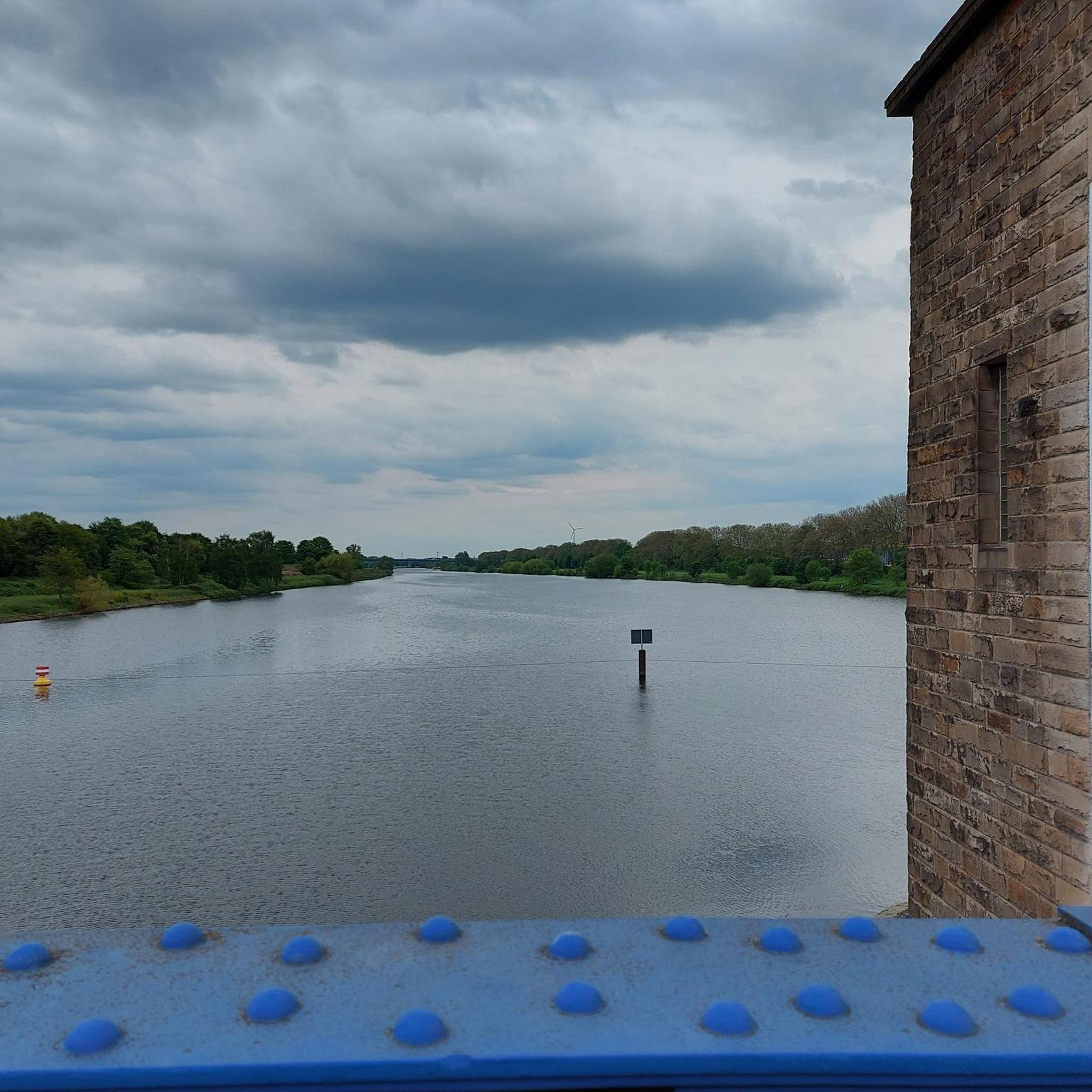
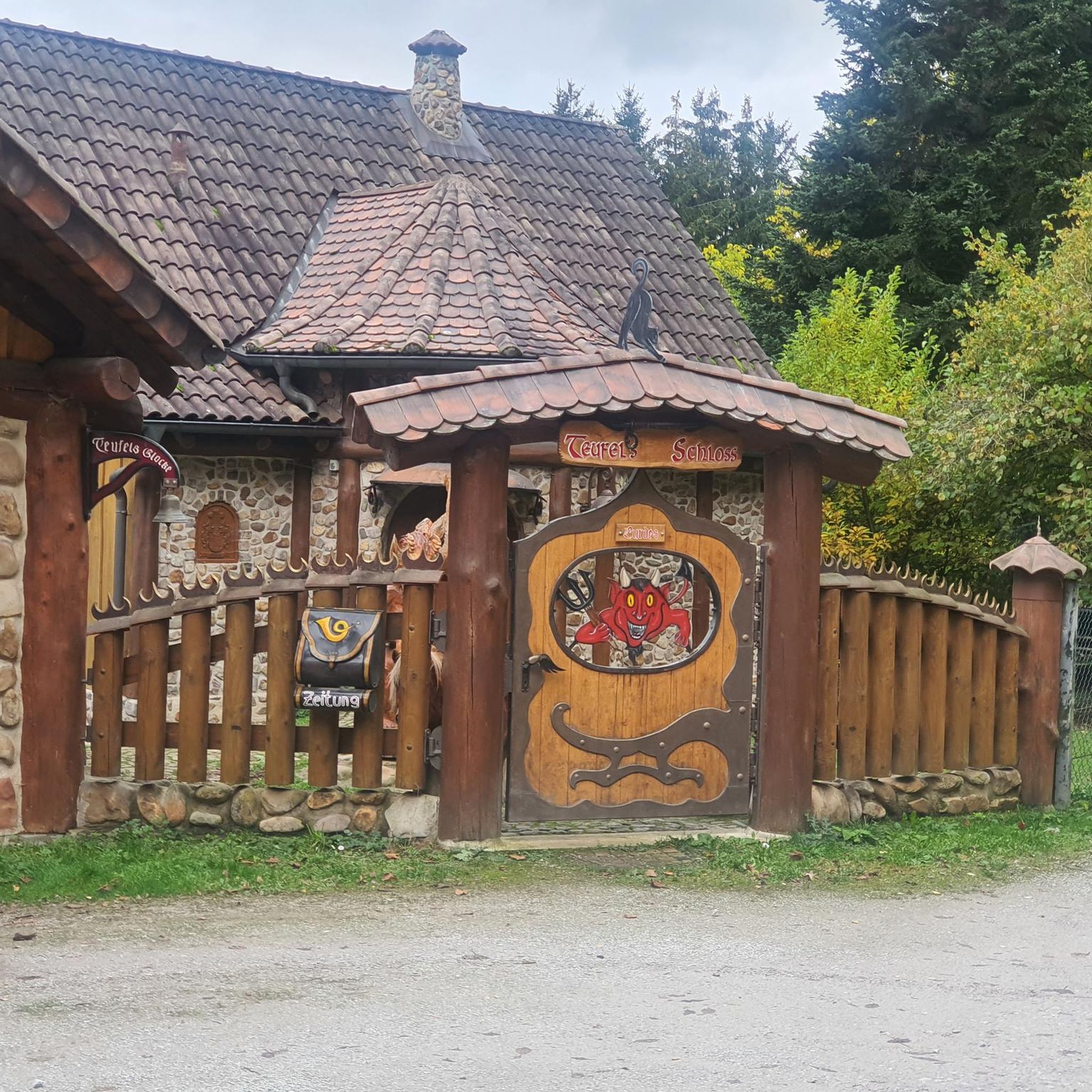
Other adventures around Meximieux

Tips from the Community

Posafol dovecote, 16th century
0
0
It was erected in the 15th century. Originally, it was just a modest oratory (half the size of the current chapel). At that time, Philip of Savoy fell from his horse near the site where the chapel was later built. His wife, Margaret of Bourbon, fearing for his life, vowed to build an oratory and a church in Brou if he survived. He recovered, but sadly, his wife died in 1483. It was therefore his second wife, Claudine de Brosse, also known as Claudine de Bretagne Penthièvre, who had the chapel built on the spot where her husband had his accident. Initially, it was a small oratory: a ribbed vault without any openings. It was Margaret of Austria, daughter-in-law of Margaret of Savoy, who fulfilled the second vow. In 1867, the chapel was enlarged and looted. A statue of the mother and child, which had been placed in a niche on the facade, was replaced by a painting. https://www.saintejulie.fr/chapelle-notre-dame-de-lorette/
0
0
Located below the Château du Mollard, the Areymont spring was developed in 1838 with several basins and a large covered wash house, separated by the road. The nearby wayside cross dates from the 18th century. The Château du Molard, near the Place de la Halle, was built in the 16th century by the de la Forest and Paquelot families. The low arch of the entrance gate bears the date 1574 alongside the coats of arms of the two families. The Crozet family added a tower topped with a tall, pointed roof and two wings in 1878. https://patrimoines.ain.fr/n/saint-sorlin-en-bugey/n:393#:~:text=Le%20ch%C3%A2teau%20du%20Molard%2C%20pr%C3%A8s,et%20deux%20ailes%20en%201878.
0
0
The site features the remains of fortifications dating from the 11th to the 19th centuries. The former castle of the Lords of Loyes (ruins of the Château de la Pie), the modern castle, the formal garden, and the kitchen garden are all visible. In the 18th century, major work was carried out on the Château de Loyes, but a fire destroyed the tops of the towers and the roof. In 1840, renovations were undertaken, including the construction of outbuildings, a woodshed/cellar, and stables. At the end of the 19th century, a church was built, dividing the castle mound in two. The castle entrance was modified at the end of the 19th century, along with the neo-Gothic wall. The garden, originally laid out in the early 18th century, was modernized by Luizet and Barret at the end of the 19th century; a landscaped garden was added to the formal garden. The castle mound is accessible via a footpath. Inside, a 17th-century staircase with ramps is adorned with the coats of arms of its various owners, painted in the 19th century. https://pop.culture.gouv.fr/notice/merimee/PA01000030
0
0

A beautiful 19th-century Cistercian abbey built in a remarkable brick style. Don't hesitate to make a short detour to see it. The church and atrium are free to visit. It is closed on Tuesdays. A local produce shop is located at the entrance to the abbey, featuring cheeses and apple products made on the abbey farm—a great way to recharge your batteries!
0
0

Lovely place with direct cheese sales! The surrounding roads are pleasant.
0
0

beautiful town with everything a touring biker needs
0
0

Very beautiful medieval city. The village of my childhood. Absolutely taste the pancakes! 😉🍰
0
0
Frequently Asked Questions
How many touring cycling routes are available around Meximieux?
There are over 45 touring cycling routes around Meximieux, offering a wide variety of options for different skill levels and preferences. The region is known for its extensive network of signposted routes, part of the larger Ain area's 2,000 km of cycling paths.
What kind of terrain can I expect on touring cycling routes near Meximieux?
The terrain around Meximieux is quite varied. You'll find flat sections ideal for relaxed rides, especially near the Ain River and the pond-filled Dombes region. For those seeking more challenge, the eastern parts of the Ain region offer more significant ascents and 'calf-pulling passes'. Routes often traverse forests, open countryside, and picturesque wetlands.
Are there any easy touring cycling routes suitable for beginners or families?
Yes, Meximieux offers several easy touring cycling routes perfect for beginners or families. While specific easy routes are not detailed here, the region's network includes 'greenways' and 'soft paths' designed for safe and pleasant rides. Look for routes with minimal elevation gain for a more relaxed experience.
Which touring cycling routes offer the most scenic views or pass by interesting natural features?
Many routes around Meximieux offer scenic views. Routes through the Dombes region are particularly picturesque, characterized by numerous ponds and rich birdlife, often with views of châteaux. The Abbey of Notre-Dame des Dombes – Medieval town of Pérouges loop from Meximieux-Pérouges, for example, leads through these wetlands. You can also find routes along the Ain River or through forests like 'La vallée de Cottey'.
What historical landmarks or attractions can I visit along the touring cycling routes?
The region is rich in history. Many routes pass by or near the medieval town of Pérouges, which is ranked among the most beautiful villages in France. You can explore its preserved architecture, including the 15th-century Sainte-Marie-Madeleine church-fortress. The Pérouges, Loyes et Saint-Maurice-de-Gourdans— loop from Meximieux is a great option to connect historical sites. Other notable attractions include the Caves of La Balme and various castles and fortifications, such as those found on the Fortifications – Château de Chazey-sur-Ain loop from Meximieux.
Are there any challenging touring cycling routes for experienced cyclists?
Yes, experienced cyclists will find challenging routes around Meximieux, particularly in the eastern parts of the Ain region which feature significant elevation gains. The Medieval town of Pérouges – Climb to La Camarette loop from Meximieux-Pérouges is a difficult 63.6 km path with substantial climbing, offering a rewarding challenge. Another difficult option is the Medieval town of Pérouges – Medieval city loop from Meximieux-Pérouges.
What do other touring cyclists enjoy most about cycling in Meximieux?
The area is highly rated by the komoot community, with an average score of 4.4 stars from over 30 reviews. Reviewers often praise the varied terrain, which includes riverside paths, pond-filled wetlands, and rolling countryside, as well as the well-maintained network of signposted routes that cater to different ability levels.
Are there any circular touring cycling routes around Meximieux?
Yes, many of the touring cycling routes around Meximieux are designed as loops, allowing you to start and end your ride in the same location. Examples include the popular Pérouges, Loyes et Saint-Maurice-de-Gourdans— loop from Meximieux and the Abbey of Notre-Dame des Dombes – Medieval town of Pérouges loop from Meximieux-Pérouges.
What is the best time of year to go touring cycling in Meximieux?
The region around Meximieux is generally pleasant for cycling from spring through autumn. Summer offers warm weather, ideal for exploring the varied landscapes. However, spring and early autumn provide milder temperatures and beautiful scenery, making them excellent choices for touring cyclists.
Where can I find more information about road biking in the wider Ain department?
For more comprehensive information about road biking opportunities and the extensive network of routes in the wider Ain department, you can visit the official tourism website: ain-tourisme.com. This resource details the region's 2,000 km of signposted routes.
Most popular routes around Meximieux
Most popular attractions around Meximieux

Get inspired with the komoot mobile app


Explore more
Browse the best Cycling routes in other regions.
