Top 13 Mountain Passes around Beaumont-Du-Ventoux
Best mountain passes around Beaumont-Du-Ventoux are found in a region dominated by Mont Ventoux, a prominent peak reaching 1,910 meters. Beaumont-Du-Ventoux, located in the northwestern Mont Ventoux mountains, offers direct access to various iconic mountain passes. This area features routes that attract cyclists, hikers, and scenic drivers. The landscape includes both challenging ascents and gentler, picturesque routes.
Best mountain passes around Beaumont-Du-Ventoux
- The most popular mountain passes is Mont Ventoux summit, a summit that offers panoramic views from the…
Last updated: August 20, 2026
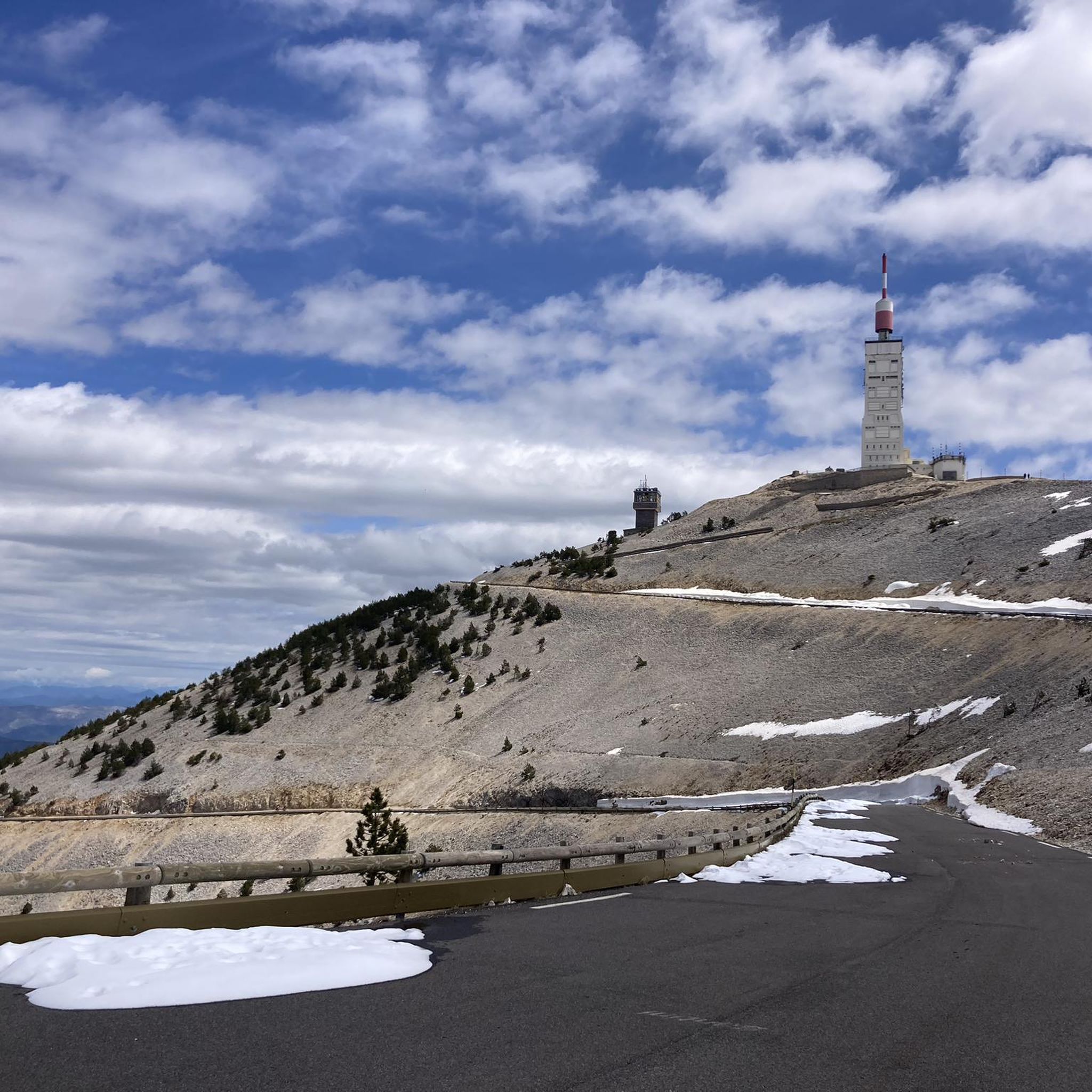
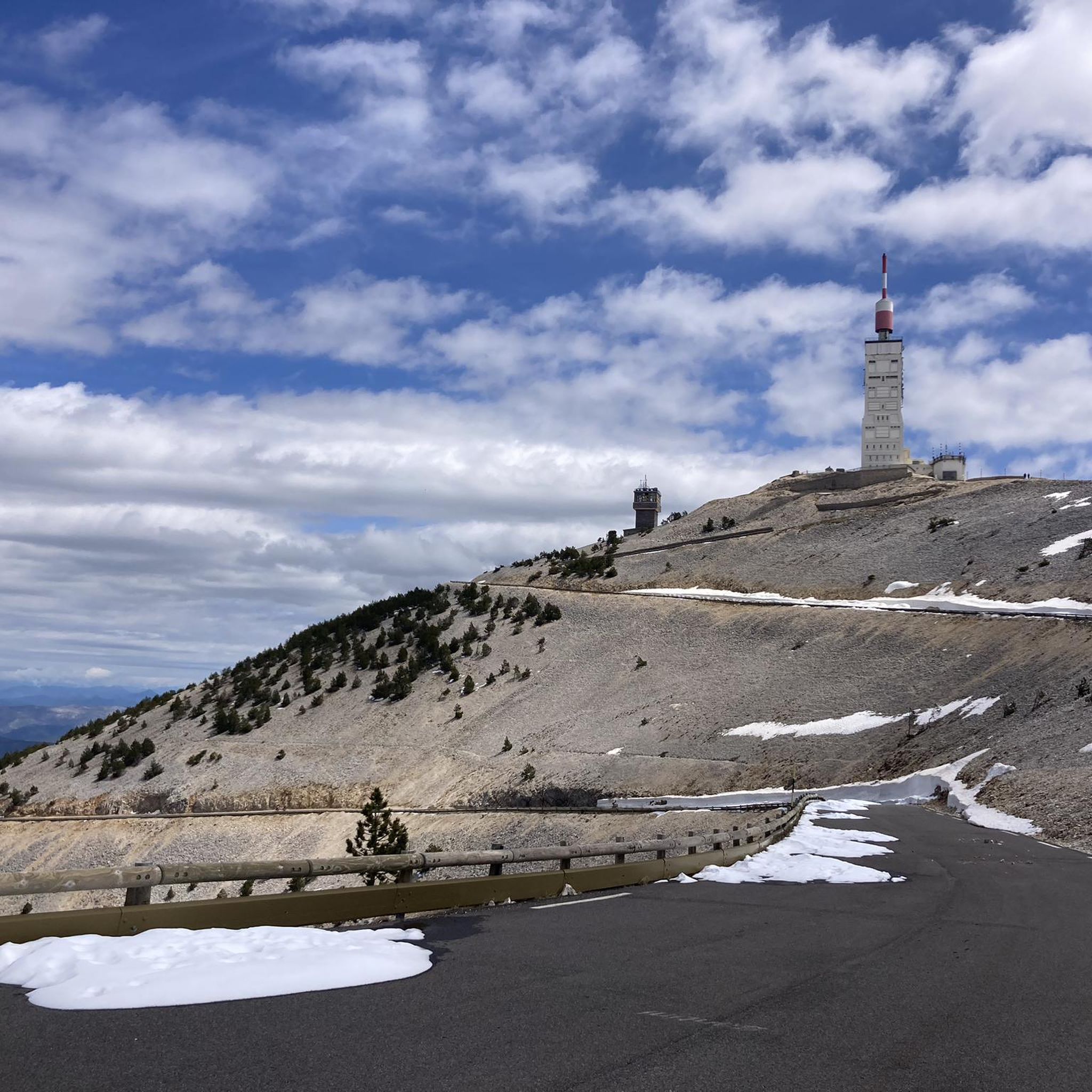
Mont Ventoux summit
Highlight • Summit
Translated by Google •
Tip by

Col de la Madeleine
Highlight • Cycleway
Translated by Google •
Tip by

Sign up now to discover places like this
Get recommendations on the best single tracks, peaks, & plenty of other exciting outdoor places.
Sign up for free
Pass of Storms
Highlight • Mountain Pass
Translated by Google •
Tip by
Madeleine Pass (Mont Ventoux)
Highlight (Segment) • Mountain Pass
- Good road surface and lots of spots with a great view
Tip by

Suzette Pass
Highlight • Mountain Pass
Translated by Google •
Tip by

Sign up for free to discover even more mountain passes around Beaumont-Du-Ventoux.
Sign up for free
Already have an account?
Start today with a free account
Your next adventure awaits.
Login or Signup
Popular around Beaumont-Du-Ventoux
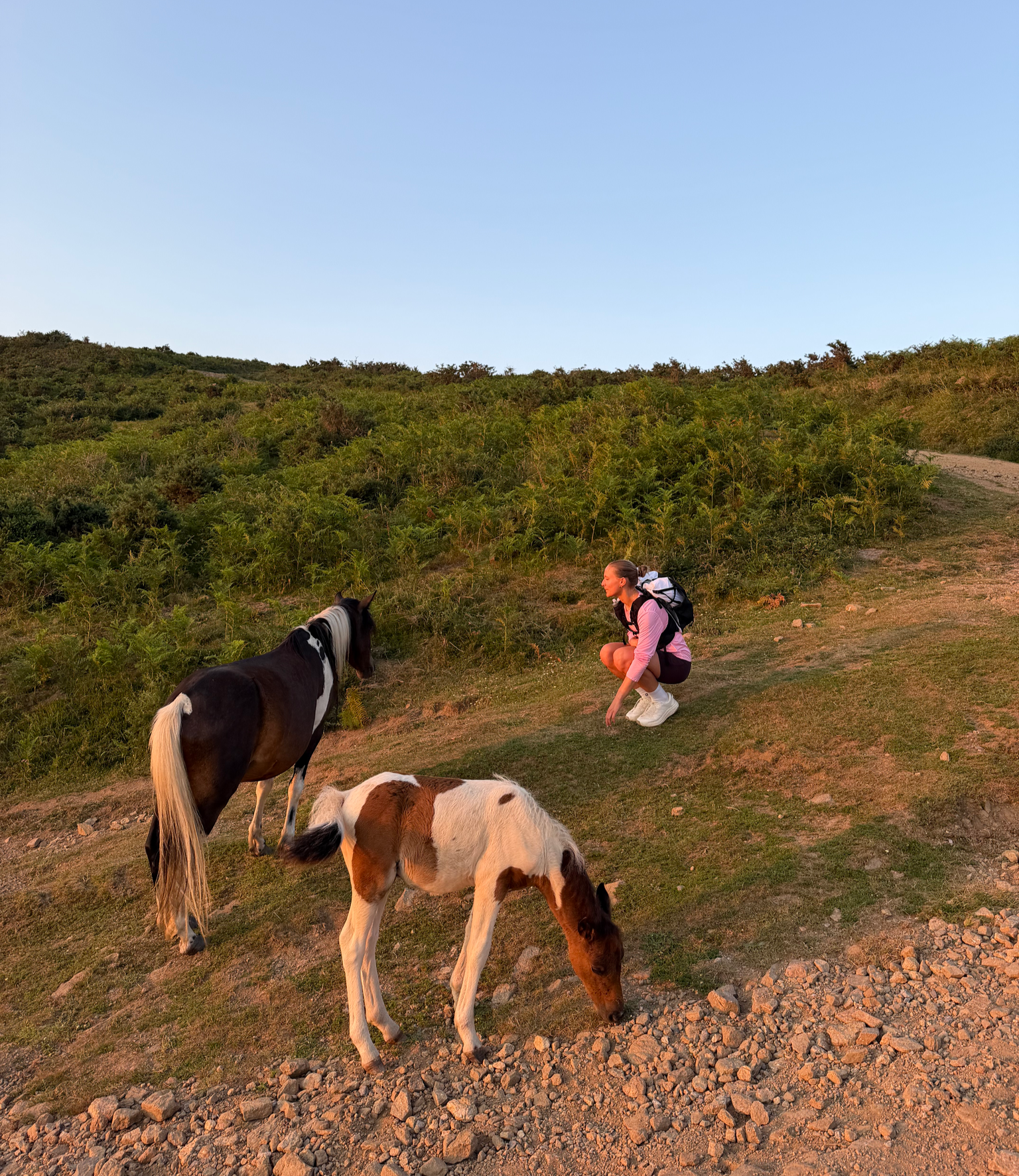
France’s Best Sunrise & Sunset Hikes
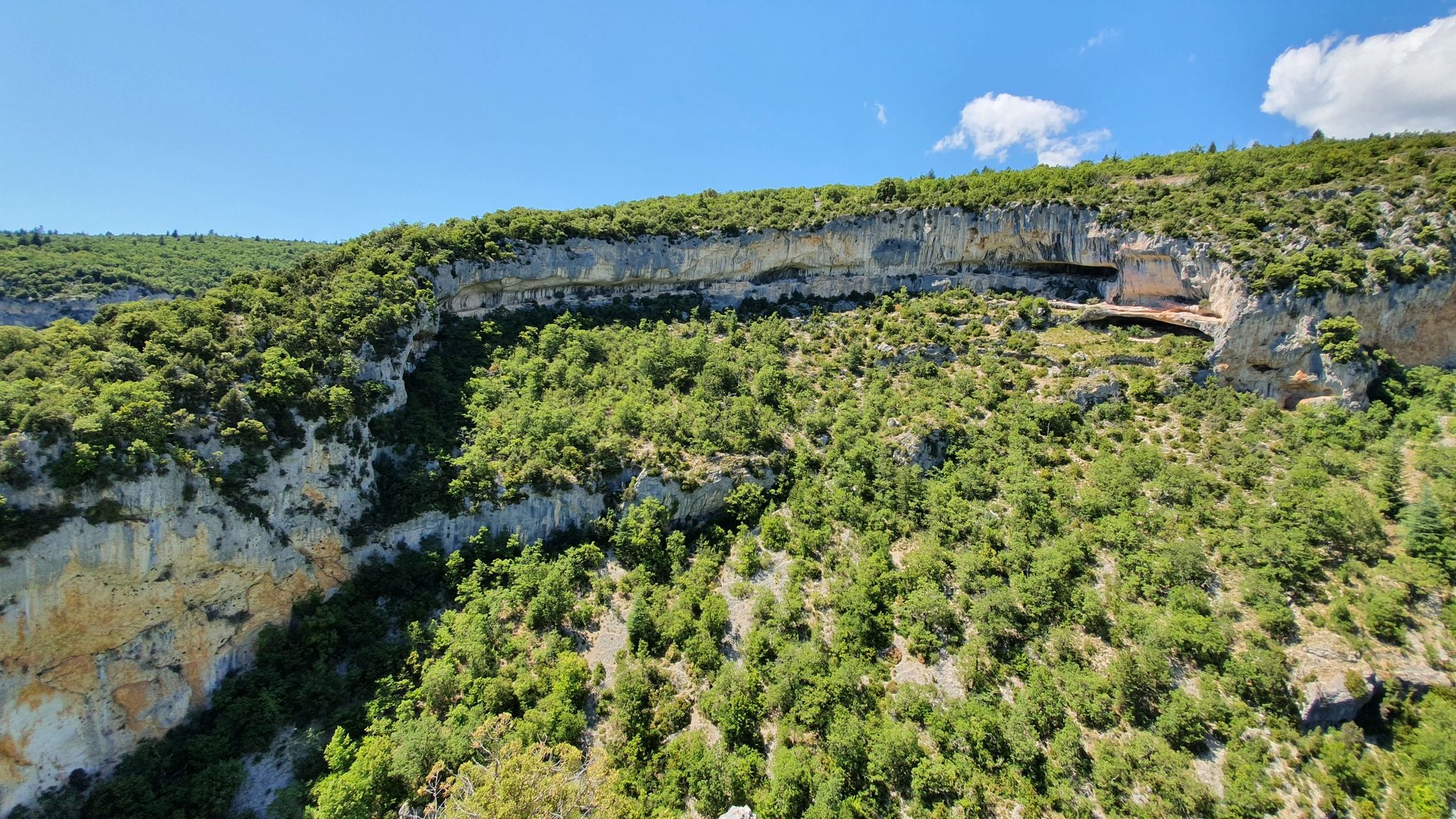
From the Dentelles de Montmirail to the Ventoux - seven hikes in Vaucluse
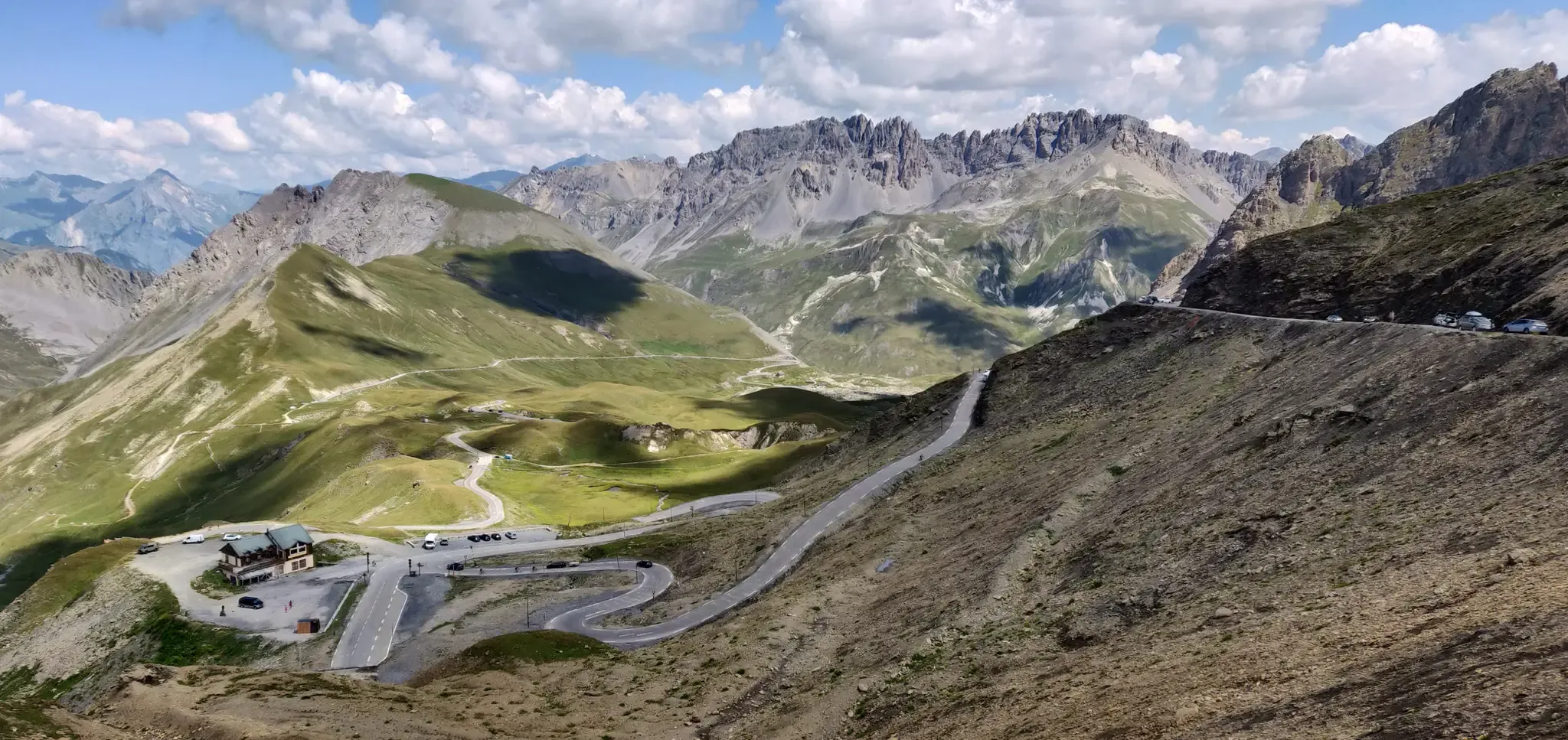
Legendary passes of the Tour de France
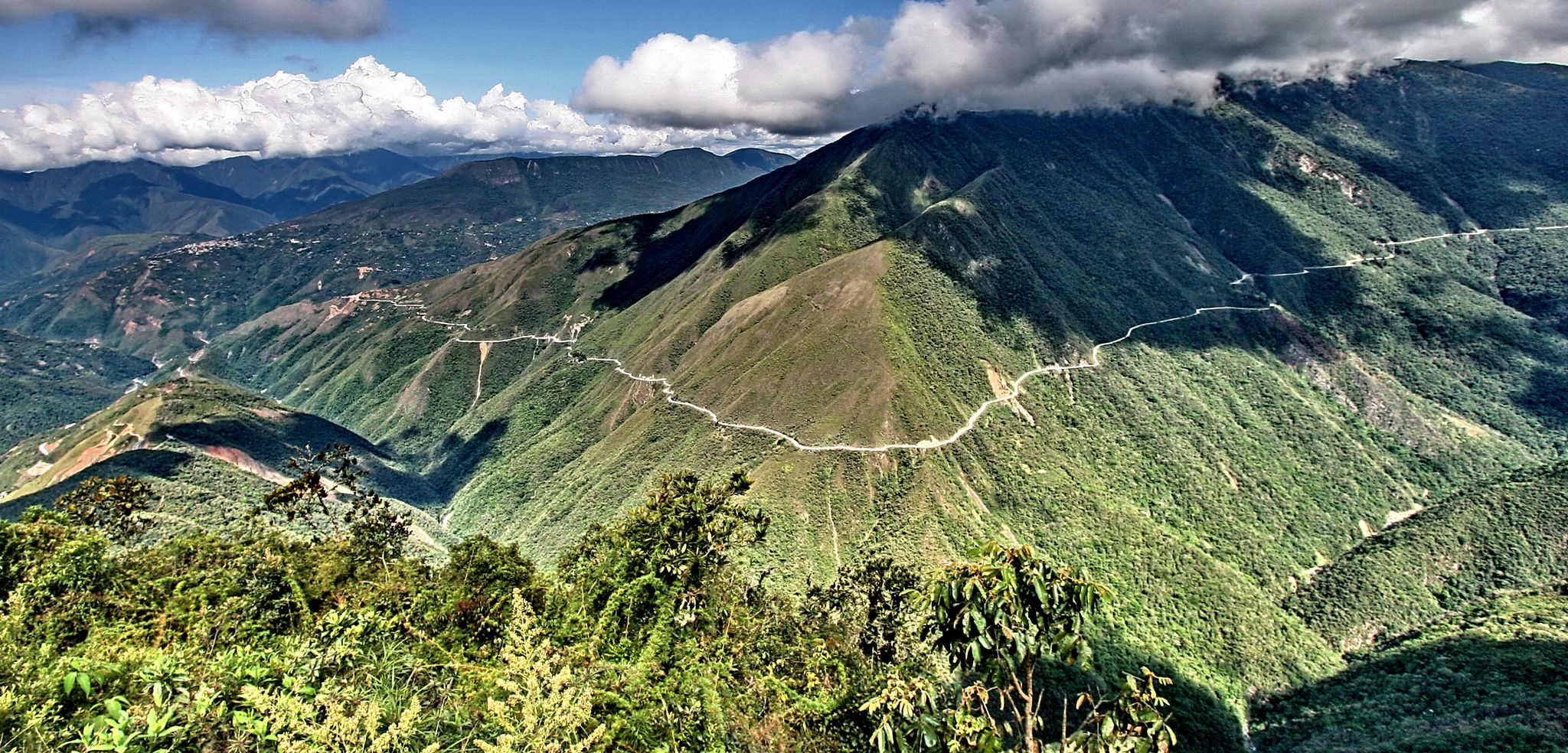
The world's most adventurous cycling passes
Road Cycling Routes around Beaumont-Du-Ventoux
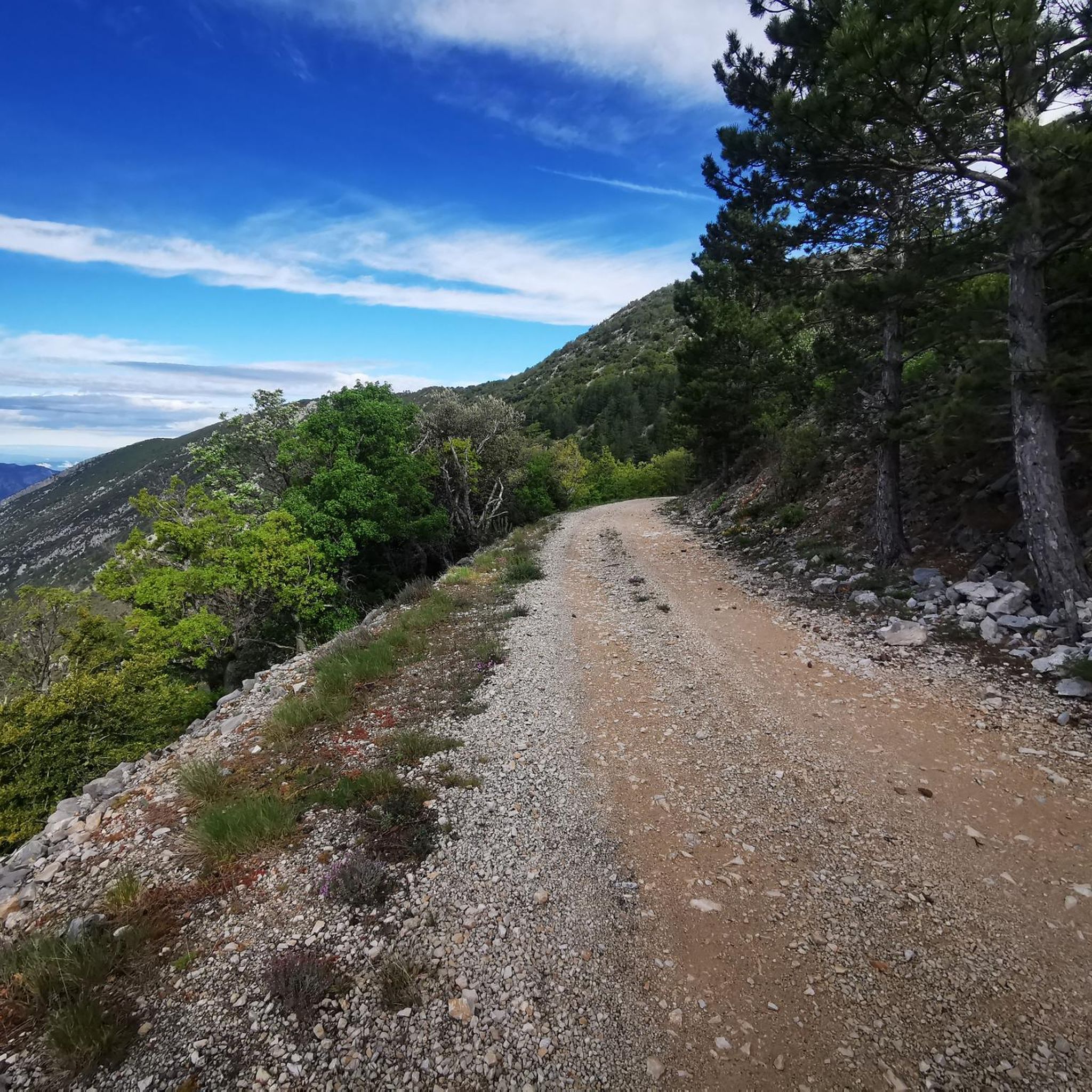
Hiking around Beaumont-Du-Ventoux
MTB Trails around Beaumont-Du-Ventoux
Running Trails around Beaumont-Du-Ventoux
Cycling around Beaumont-Du-Ventoux
Gravel biking around Beaumont-Du-Ventoux
Other adventures around Beaumont-Du-Ventoux


Tips from the Community

The view from the top is sublime.
4
0

Very nice route, not too steep
5
0
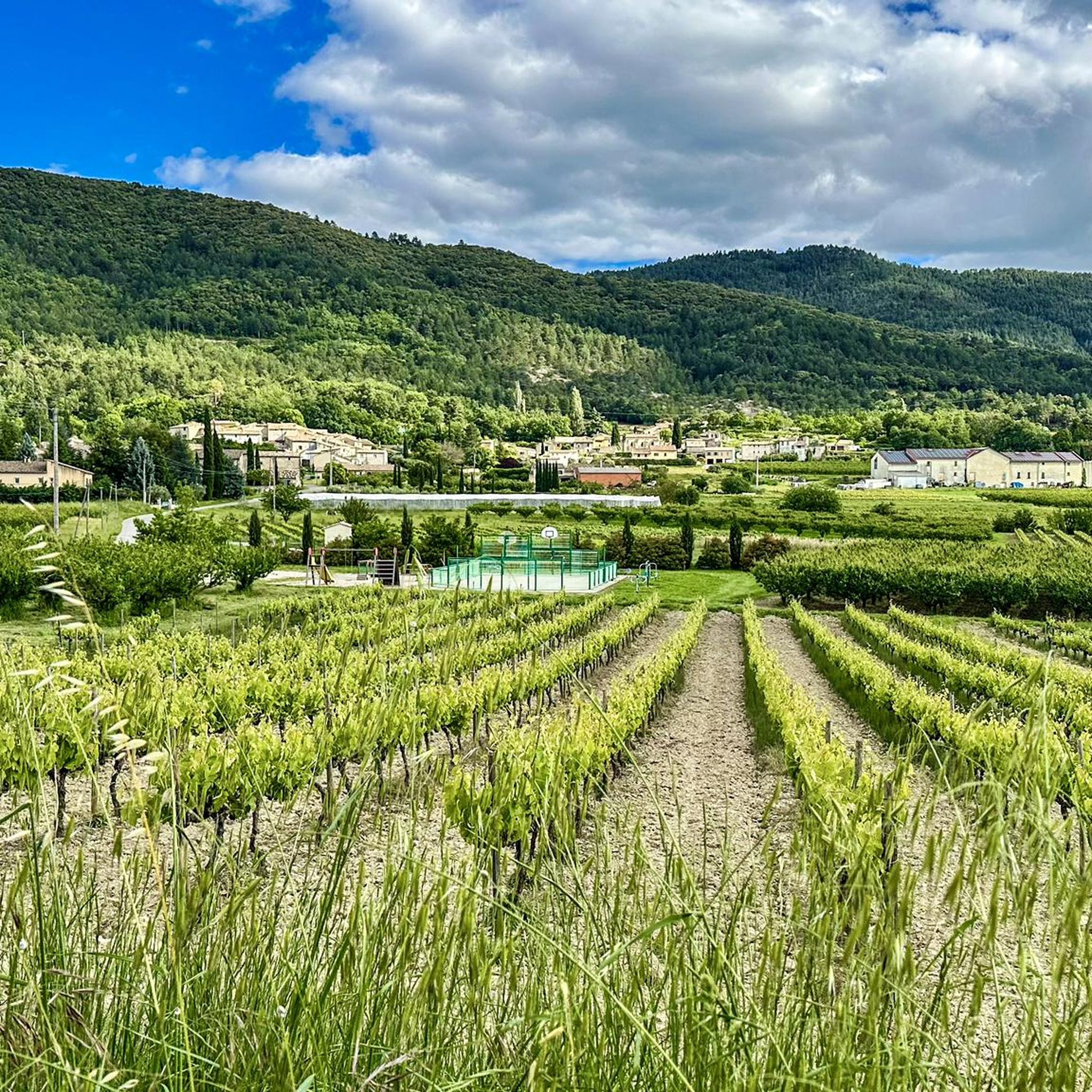
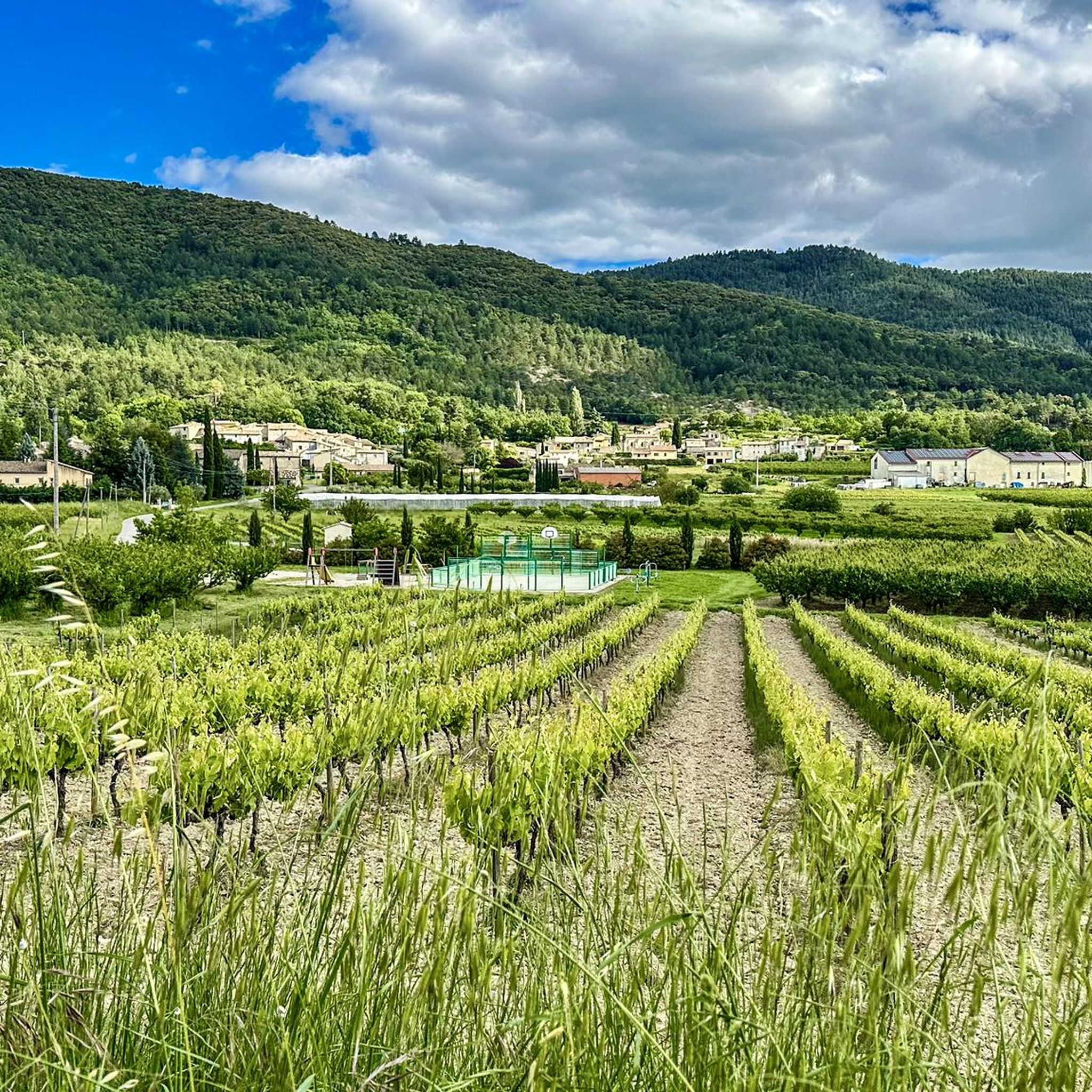
Beautiful pass with wonderful landscapes of the surrounding vineyards
5
1


Nice first mountain stopover from Bedoin towards Malaucene
5
0

Beautiful, not too difficult col in the Ventoux region. Very beautiful coniferous forests and Provence atmosphere.
2
1
The giant of Provence is incredibly full of character
6
0
Frequently Asked Questions
What makes Mont Ventoux such a famous mountain pass?
Mont Ventoux, often called the 'Giant of Provence,' is legendary for its challenging cycling ascents, particularly its role in the Tour de France. It's known for its unique 'lunar landscape' near the summit, offering breathtaking 360-degree views that can stretch from the Alps to the Mediterranean Sea on clear days. The mountain is also recognized as a UNESCO Biosphere Reserve, protecting its distinct natural environment. You can explore its summit at Mont Ventoux summit.
Are there other notable mountain passes besides Mont Ventoux in the region?
Yes, beyond Mont Ventoux, the region offers other significant passes. The Madeleine Pass (Vaucluse) is known for its picturesque scenery and serves as an excellent warm-up for cyclists heading to Mont Ventoux. The Col de N-D des Abeilles provides diverse climbing experiences and tranquil views of Mont Ventoux, while the Suzette Pass offers a remote and pleasant driving route with beautiful views of the Dentelles de Montmirail and Mont Ventoux.
What kind of views can I expect from the mountain passes around Beaumont-Du-Ventoux?
The mountain passes in this region offer a variety of stunning vistas. From the summit of Mont Ventoux, you can enjoy panoramic views extending from the Alps to the Mediterranean Sea. Passes like the Col de la Madeleine showcase superb landscapes of surrounding vineyards, while the Col de N-D des Abeilles provides picturesque views of Mont Ventoux itself. The Suzette Pass offers beautiful views of the Dentelles de Montmirail and Mont Ventoux.
What are the different ascent routes for Mont Ventoux?
Mont Ventoux is famous for its three distinct paved routes to the summit, each presenting a unique challenge for cyclists. The Bédoin route (South Side) is the most renowned and difficult, often featured in the Tour de France. The Malaucène route (Northwest Side) is similar in difficulty but often more sheltered from winds. The Sault route (East Side) is the longest but generally considered the easiest, ideal for a less strenuous climb.
What outdoor activities can I do near these mountain passes?
The area around Beaumont-Du-Ventoux is a hub for outdoor enthusiasts. You can find numerous road cycling routes, including challenging ascents of Mont Ventoux, as well as more moderate loops around passes like Madeleine. There are also options for touring bicycle routes and gravel biking, with routes like 'Mont Ventoux summit – Mont Ventoux loop from Malaucène' available. For more details on cycling, check out the Road Cycling Routes around Beaumont-Du-Ventoux, Cycling around Beaumont-Du-Ventoux, and Gravel biking around Beaumont-Du-Ventoux guides.
Are there any particularly challenging sections on these mountain passes?
Yes, Mont Ventoux is known for its challenging sections. The Bédoin ascent, for example, covers 21.8 km with an average gradient of 7.43% and sections exceeding 9%, especially through the demanding forest climb. The Col des Tempêtes, located just before the summit of Mont Ventoux, is infamous for its powerful, violent winds, posing a significant challenge to climbers. The Col de N-D des Abeilles also features challenging steep sections, particularly on its 7.7 km climb from Monieux.
What is the best time of year to visit the mountain passes around Beaumont-Du-Ventoux?
The best time to visit largely depends on your activity. For cycling and hiking, spring (April-May) and autumn (September-October) offer pleasant temperatures and fewer crowds. Summer can be very hot, especially on exposed sections of Mont Ventoux, but is popular. In spring, be prepared for significant temperature drops near the summit of Mont Ventoux; it can be 20 degrees Celsius in the valley and below freezing at the top, requiring extra layers and winter gloves.
Are there any historical or memorial sites on the mountain passes?
Yes, the Pass of Storms (Col des Tempêtes), located just before the summit of Mont Ventoux, is notable for the memorial dedicated to cyclist Tom Simpson, who tragically died during the Tour de France in 1967. This site offers both historical significance and magnificent vistas.
Are the mountain passes around Beaumont-Du-Ventoux suitable for families?
While Mont Ventoux itself presents significant challenges, especially for cycling, some passes offer gentler experiences. The Sault ascent of Mont Ventoux is considered the easiest, making it a more accessible option for those seeking a less strenuous climb. The Madeleine Pass is also a picturesque and relatively accessible route with beautiful views, suitable for scenic drives or less strenuous cycling. For specific family-friendly hiking trails, it's best to research individual routes.
Where can I find cafes or places to rest near the mountain passes?
While specific cafes are not detailed for every pass, the Mont Serein ski station, located on the northern side of Mont Ventoux within the commune of Beaumont-du-Ventoux, offers amenities. Additionally, towns at the base of the passes, such as Bédoin, Malaucène, and Sault, will have cafes and restaurants where you can rest and refuel before or after your ascent.
What is the significance of Mont Ventoux being a Biosphere Reserve?
Mont Ventoux is recognized as a UNESCO Biosphere Reserve, which means it's an internationally designated area for sustainable development, aiming to reconcile the conservation of biodiversity with its sustainable use. This designation highlights the mountain's distinctive natural environment and its importance for safeguarding unique flora and fauna, beyond its fame as a cycling destination.
Can I find information about parking or trailheads for hiking Mont Ventoux?
While specific parking locations are not detailed, the various ascent routes to Mont Ventoux typically have starting points in towns like Bédoin, Malaucène, and Sault, where parking facilities would be available. For hiking, trailheads are usually accessible from these base towns or along the roads leading up the mountain. It's advisable to check local information for precise parking and trailhead details before your visit.
Most popular routes around Beaumont-Du-Ventoux
Most popular attractions around Beaumont-Du-Ventoux

Get inspired with the komoot mobile app


Explore more
See even more epic mountain passes by checking out these guides around Beaumont-Du-Ventoux:
