Attractions and Places To See around Villieu-Loyes-Mollon - Top 20
Attractions and places to see around Villieu-Loyes-Mollon offer a blend of historical sites and natural landscapes. The region features a well-preserved medieval town, providing insight into historical architecture and culture. Visitors can explore fortifications and enjoy scenic natural areas like lakes and rivers. This area provides diverse outdoor activities and cultural experiences for explorers.
Best attractions and places to see around Villieu-Loyes-Mollon
- The most popular attractions is Medieval town of Pérouges, a historical site that features a 15th-century church-fortress…
Last updated: August 25, 2026
Medieval town of Pérouges
Highlight • Historical Site
Translated by Google •
Tip by

Medieval town of Pérouges
Highlight • Settlement
Translated by Google •
Tip by

Sign up now to discover places like this
Get recommendations on the best single tracks, peaks, & plenty of other exciting outdoor places.
Sign up for free
Lac Bleu on the Gardon
Highlight • Lake
Translated by Google •
Tip by

Croix de Bramafan
Highlight • Monument
Translated by Google •
Tip by

Fortifications
Highlight • Other
Translated by Google •
Tip by

Sign up for free to discover even more attractions around Villieu-Loyes-Mollon.
Sign up for free
Already have an account?
Start today with a free account
Your next adventure awaits.
Login or Signup
Tips from the Community

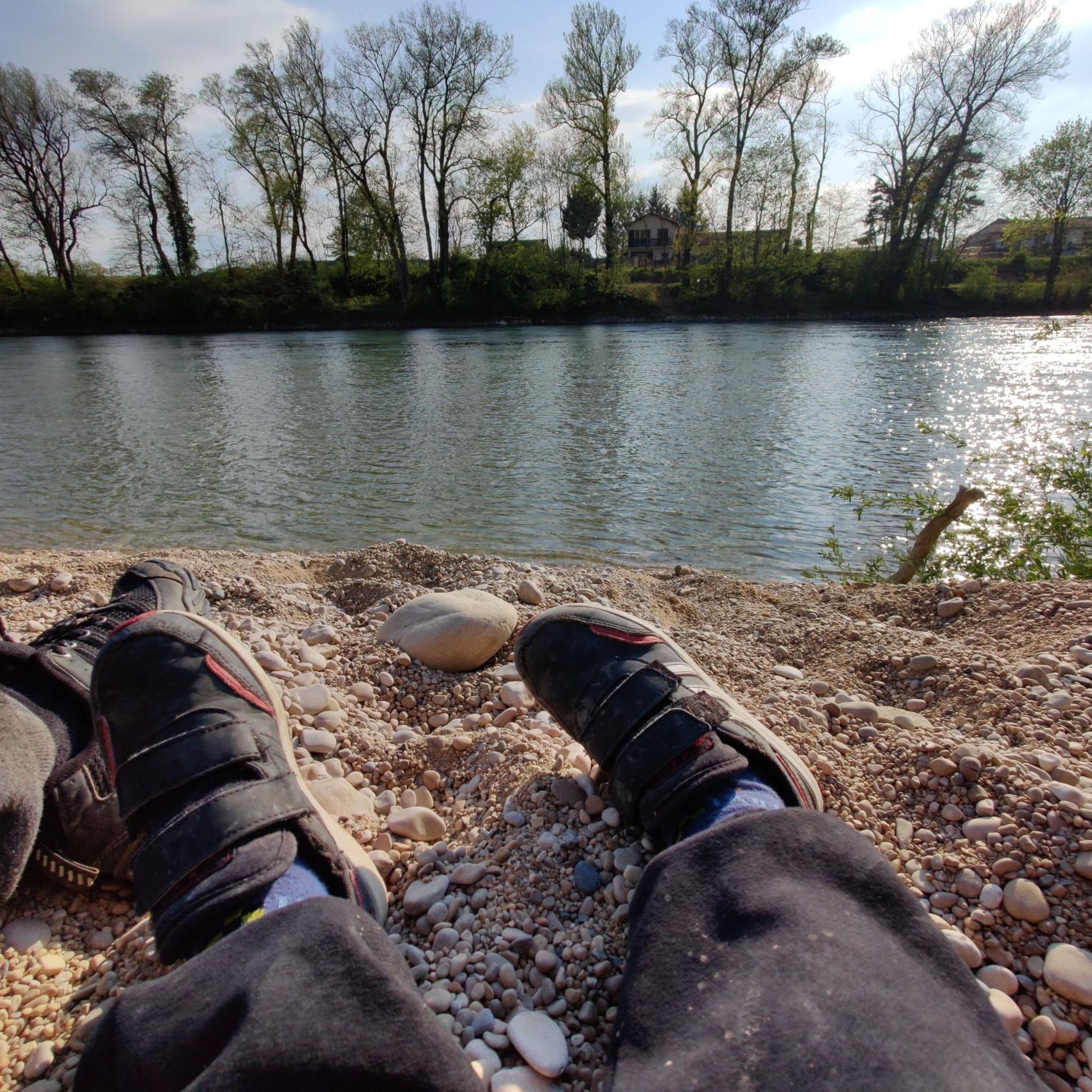
The spot has a bench and a trash bag hanging on a tree
0
0

Fantastic and definitely worth visiting. Here you can really unwind and relax.
1
0

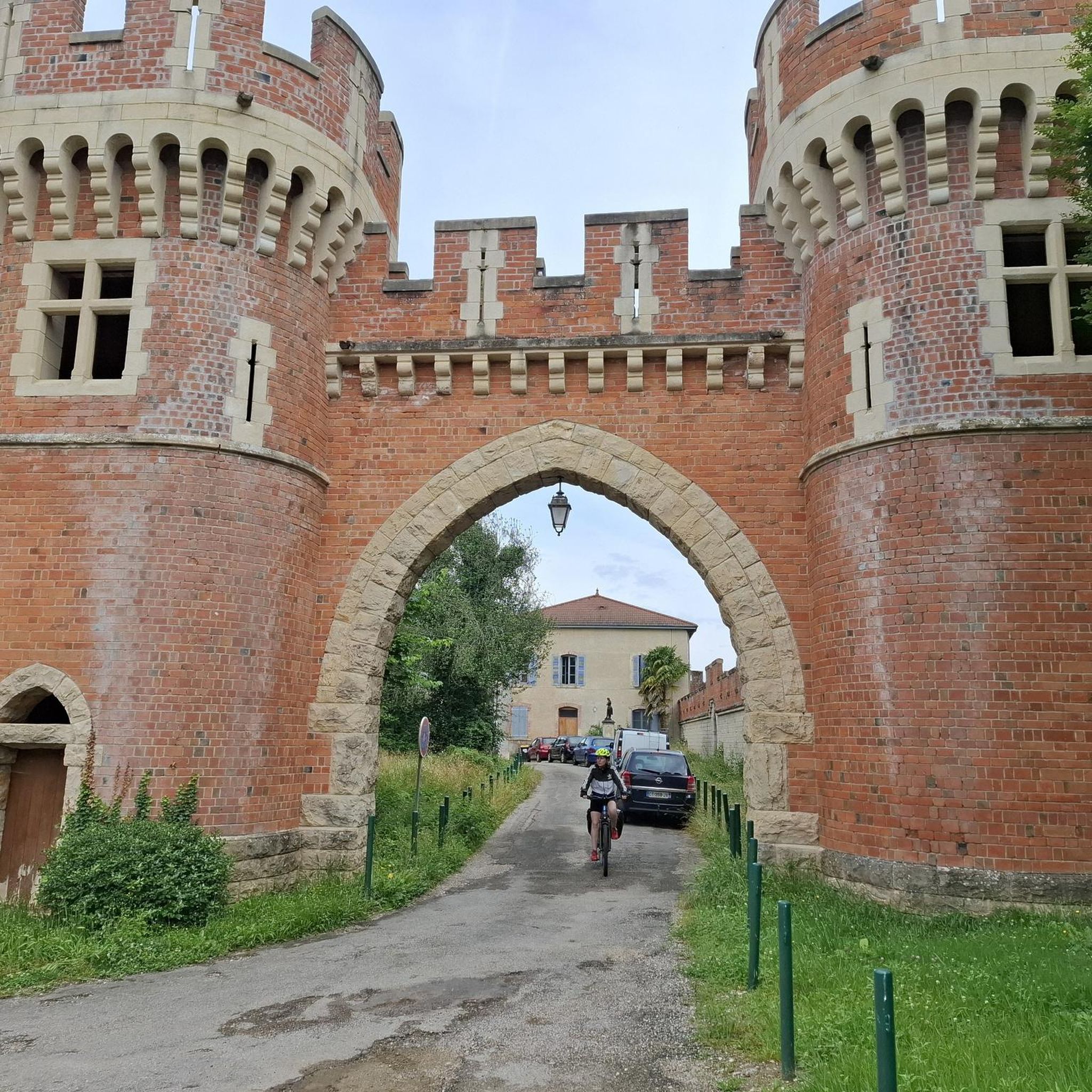
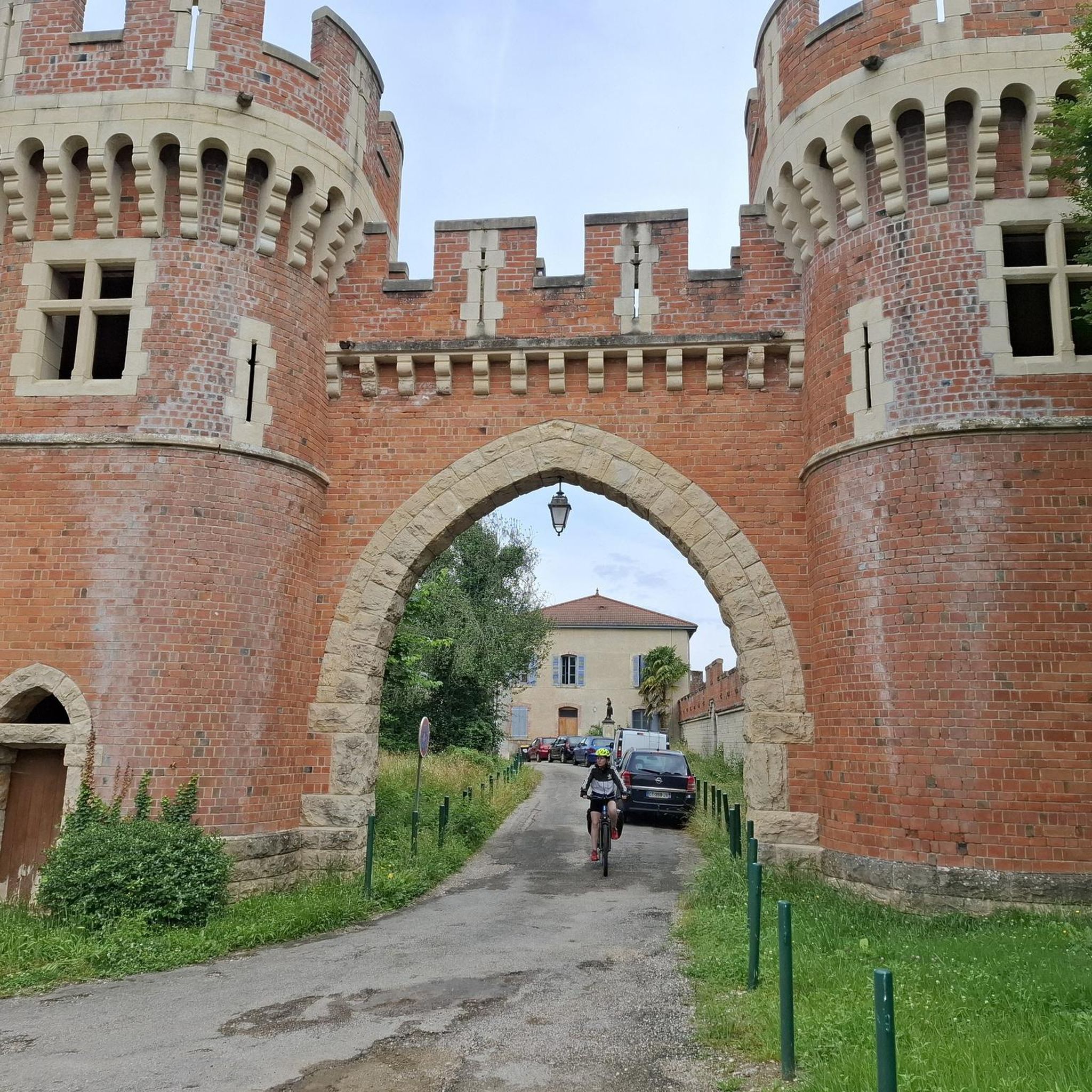
The site features the remains of fortifications dating from the 11th to the 19th centuries. The former castle of the Lords of Loyes (ruins of the Château de la Pie), the modern castle, the formal garden, and the kitchen garden are all visible. In the 18th century, major work was carried out on the Château de Loyes, but a fire destroyed the tops of the towers and the roof. In 1840, renovations were undertaken, including the construction of outbuildings, a woodshed/cellar, and stables. At the end of the 19th century, a church was built, dividing the castle mound in two. The castle entrance was modified at the end of the 19th century, along with the neo-Gothic wall. The garden, originally laid out in the early 18th century, was modernized by Luizet and Barret at the end of the 19th century; a landscaped garden was added to the formal garden. The castle mound is accessible via a footpath. Inside, a 17th-century staircase with ramps is adorned with the coats of arms of its various owners, painted in the 19th century. https://pop.culture.gouv.fr/notice/merimee/PA01000030
0
0

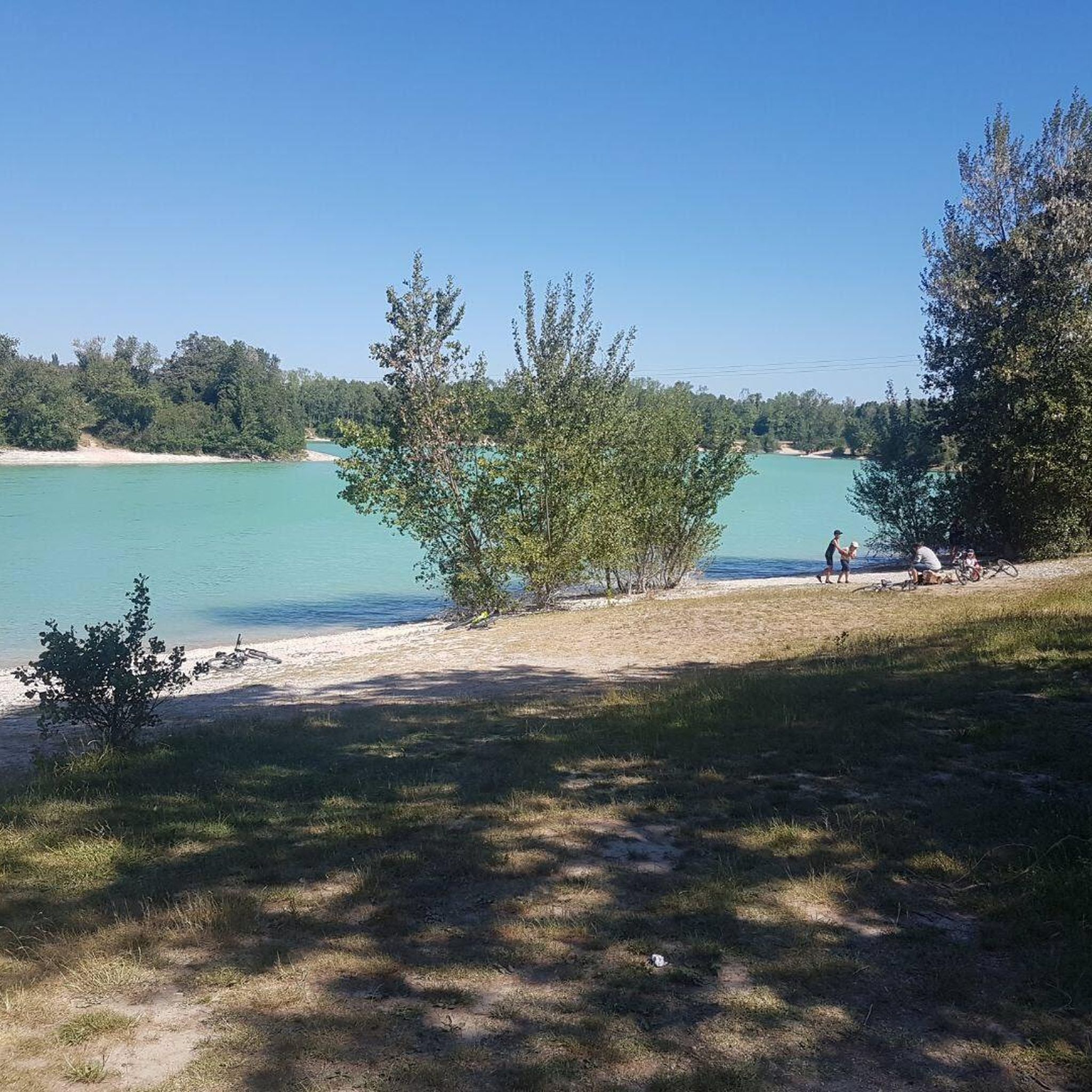
This spot didn't impress me: "blue lake" is an exaggeration, it's a very small reservoir... lots of people on the banks too.
0
1

Smaller pond than lake..more green than blue. Average.
0
0

Very beautiful medieval city. The village of my childhood. Absolutely taste the pancakes! 😉🍰
0
0

The medieval city of Pérouges is a true jewel of the past. Located to the east of Lyon, it transports us to a distant era, where cobbled streets and houses made of pebbles and bricks tell stories of yesteryear. With its 80 inhabitants living within its walls and 1,200 residents in the commune, Pérouges is an inhabited village which freely welcomes visitors all year round.
0
0

“Each of these crosses can tell its own story and what motivated people to build “their” cross on this spot. (...) These crosses were erected as visible signs and attract the attention of many people. The cross is a symbol of life. It stands as a sign of our Christian hope and wants to direct our gaze to Jesus Christ, who conquered death (…). The cross is part of our lives, just as it was part of the life of Jesus. So I hope that many people ... visit the crosses, whether as places of silence and taking a breath before God, whether as places of community gathering, prayer and praise of God. (Text source: Dean Rainald M. Ollig in: “Crosses... Small sacred monuments as signs of popular piety”)
2
0
Frequently Asked Questions
What historical sites can I explore around Villieu-Loyes-Mollon?
The region is rich in history, notably featuring the Medieval town of Pérouges. This well-preserved settlement, ranked among France's most beautiful villages, offers a trip back to the Middle Ages with its 15th-century church-fortress, ramparts, and cobbled streets. You can also visit the Fortifications, which are the remains of the Château de Loyes, showcasing structures from the 11th to the 19th centuries.
Are there natural attractions suitable for families near Villieu-Loyes-Mollon?
Yes, Lac Bleu on the Gardon is a beautiful natural monument known for its bright blue water, formed by a dam on the Gardon River. It's a picturesque setting perfect for family outings and enjoying nature.
What are some family-friendly activities available in the area?
Both the Medieval town of Pérouges and Lac Bleu on the Gardon are considered family-friendly. In Pérouges, families can wander through ancient streets and even taste the local specialty, the Peruvian pancake or sugar pie. Lac Bleu offers a scenic environment for relaxation and enjoying the outdoors.
What outdoor activities can I do near these attractions?
The area around Villieu-Loyes-Mollon offers various outdoor activities. You can find numerous running trails, road cycling routes, and mountain biking trails. These routes often pass by historical sites and natural landscapes, providing a great way to explore the region actively.
Are there any specific hiking trails or viewpoints to explore?
While specific hiking trails are part of broader route guides, you can visit the Croix de Bramafan, which is a man-made monument offering a viewpoint and is often part of intermediate routes. The area around the Fortifications also features a footpath around the castle mound.
What is the best time to visit the Medieval town of Pérouges?
Tourist activities in Pérouges are particularly vibrant between April and August, offering a great opportunity to experience the city from a different perspective and enjoy its medieval charm.
What local specialties should I try in Pérouges?
When visiting the Medieval town of Pérouges, be sure to taste the local specialty: the Peruvian pancake, also known as the unmissable sugar pie. It's a delightful treat unique to the region.
What makes Lac Bleu on the Gardon unique?
Lac Bleu on the Gardon is renowned for the bright blue shades of its water, which gives it its name. The lake is formed by a dam on the Gardon River, creating a distinctive and picturesque natural setting.
Can I explore the historical fortifications of Loyes?
Yes, you can visit the Fortifications, which are the remains of the Château de Loyes. While the castle itself is currently closed, you can appreciate the impressive exterior and the site features structures dating from the 11th to the 19th centuries, including a neo-Gothic wall and a formal garden. A footpath provides access to the castle mound.
What do visitors enjoy most about the attractions around Villieu-Loyes-Mollon?
Visitors particularly appreciate the blend of historical depth and natural beauty. The authentic charm of the Medieval town of Pérouges and the serene, picturesque setting of Lac Bleu on the Gardon are frequently highlighted. The komoot community has shared over 34 photos and given more than 120 upvotes to the region's attractions, indicating a strong positive experience.
Are there any religious or symbolic monuments in the area?
Yes, the Croix de Bramafan is a significant man-made monument in the region. These crosses are often erected as visible signs of popular piety and serve as symbols of hope and reflection.
Are there opportunities for cycling around Villieu-Loyes-Mollon?
Absolutely. The region offers a variety of cycling options, including road cycling routes and MTB trails. These routes cater to different skill levels, allowing you to explore the landscapes and attractions on two wheels.
Most popular routes around Villieu-Loyes-Mollon

Get inspired with the komoot mobile app


Explore more
Still not found the Highlight you’re looking for? See guides of the top attractions in other regions:
