Attractions and Places To See around Montmirey-Le-Château - Top 20
Best attractions and places to see around Montmirey-Le-Château. This commune in the Jura department of France offers a blend of historical sites and natural landscapes. The area features remnants of a feudal castle and a classified historical château with an accessible park. Visitors can explore diverse natural features, including forests and river paths, providing opportunities for outdoor activities.
Best attractions and places to see around Montmirey-Le-Château
- The most popular attraction is Cliffs along the Doubs / Rhône–Rhine Canal, a…
Last updated: July 7, 2026
Cliffs along the Doubs / Rhône–Rhine Canal
Highlight (Segment) • Canyon
Translated by Google •
Tip by

Saint-Hilaire Gate
Highlight • Historical Site
Translated by Google •
Tip by

Sign up now to discover places like this
Get recommendations on the best single tracks, peaks, & plenty of other exciting outdoor places.
Sign up for free
The Forges of Pesmes
Highlight (Segment) • Historical Site
For the "Musée des Forges" there are only …
Translated by Google •
Tip by
Croix Boyon
Highlight • Monument
Translated by Google •
Tip by

Rochefort-sur-Nenon cycle path
Highlight • Cycleway
Translated by Google •
Tip by

Sign up for free to discover even more attractions around Montmirey-Le-Château.
Sign up for free
Already have an account?
Start today with a free account
Your next adventure awaits.
Login or Signup


Tips from the Community

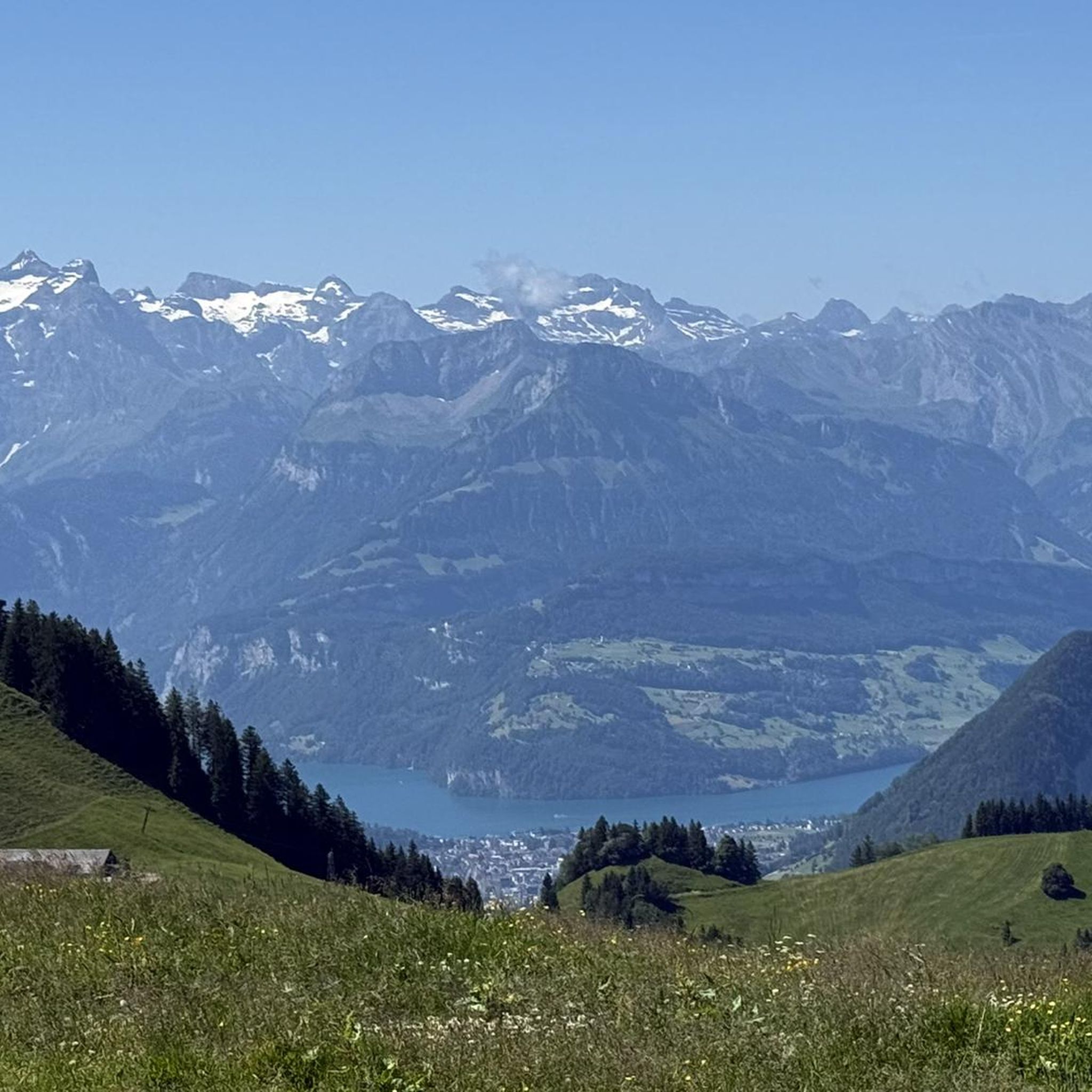
It was through the Saint-Hilaire gate that, in 1477, the French soldiers of Louis XI invaded the town. Using the Trojan Horse ruse, Marshal de Craon brought carts filled with barrels and wheat from the villages of Mutigney and Chassey. The inhabitants of Pesmes allowed the carts to enter, and as soon as they passed through the gate, the soldiers appeared.
0
0
For over 300 years, the blast furnaces, renowned throughout France, produced cannonballs initially for the King's army and later for the armies of the Republic. From the 19th century onward, this industry shifted to manufacturing small agricultural and winemaking tools. Guided tours are available by reservation through Culture et Animations Pesmoises.
0
0
With its imperial bell tower typical of the Franche-Comté region, the Church invites you to travel back in time through its construction where the 13th, 14th and 16th centuries intertwine and offers you a journey through varied artistic influences: Burgundian, Comtois and Champenoise.
0
0

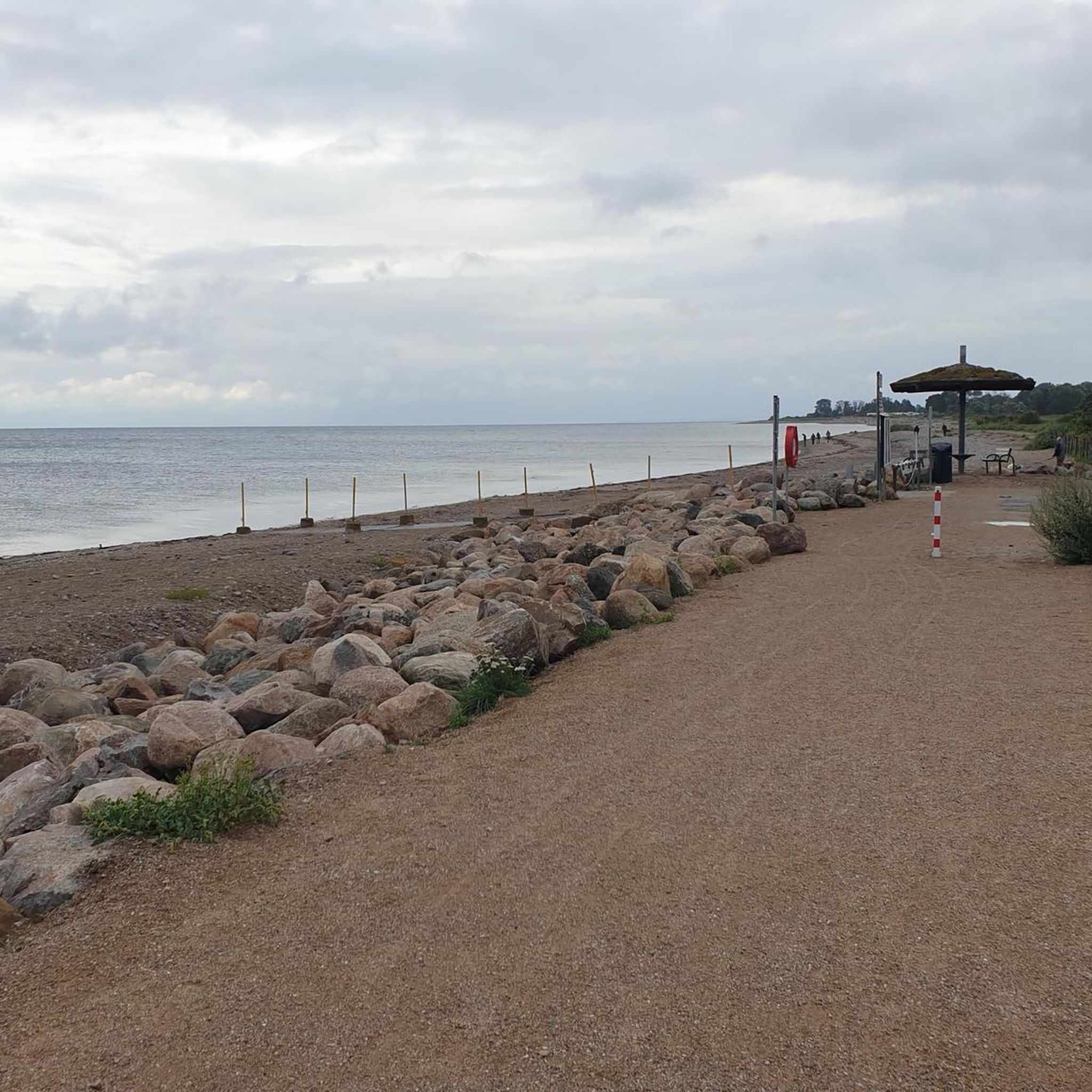
The Rhine-Rhône Canal runs directly alongside high cliffs here and opens into a narrow lock channel through a very narrow rock archway. A truly spectacular section of our cycling route!
0
0

cyclo first plateau Dole
0
0

In Hans-Peter Kerkeling's book "Ich bin dann mal weg" (I'm Off Then), in which he describes his thoughts and experiences on the Way of St. James through northern Spain, which he walked in June/July 2001, the popular entertainer draws his own personal conclusion before returning from Santiago de Compostela. I would like to offer this final thought, likely matured over weeks on the Camino Frances, to the viewer of this small sacred monument in the form of a wayside cross: "God is the one individual who opens himself infinitely to liberate all. (...) The Creator throws us into the air, only to surprisingly catch us again at the end. It's like the exuberant game that parents play with their children. And the message is: Have faith in the one who throws you, because he loves you and, quite unexpectedly, will also be the catcher. And when I look back, God constantly threw me into the air and caught me again along the way. We met every day." (Hape Kerkeling in “I’m off then. My journey on the Way of St. James”)
0
0
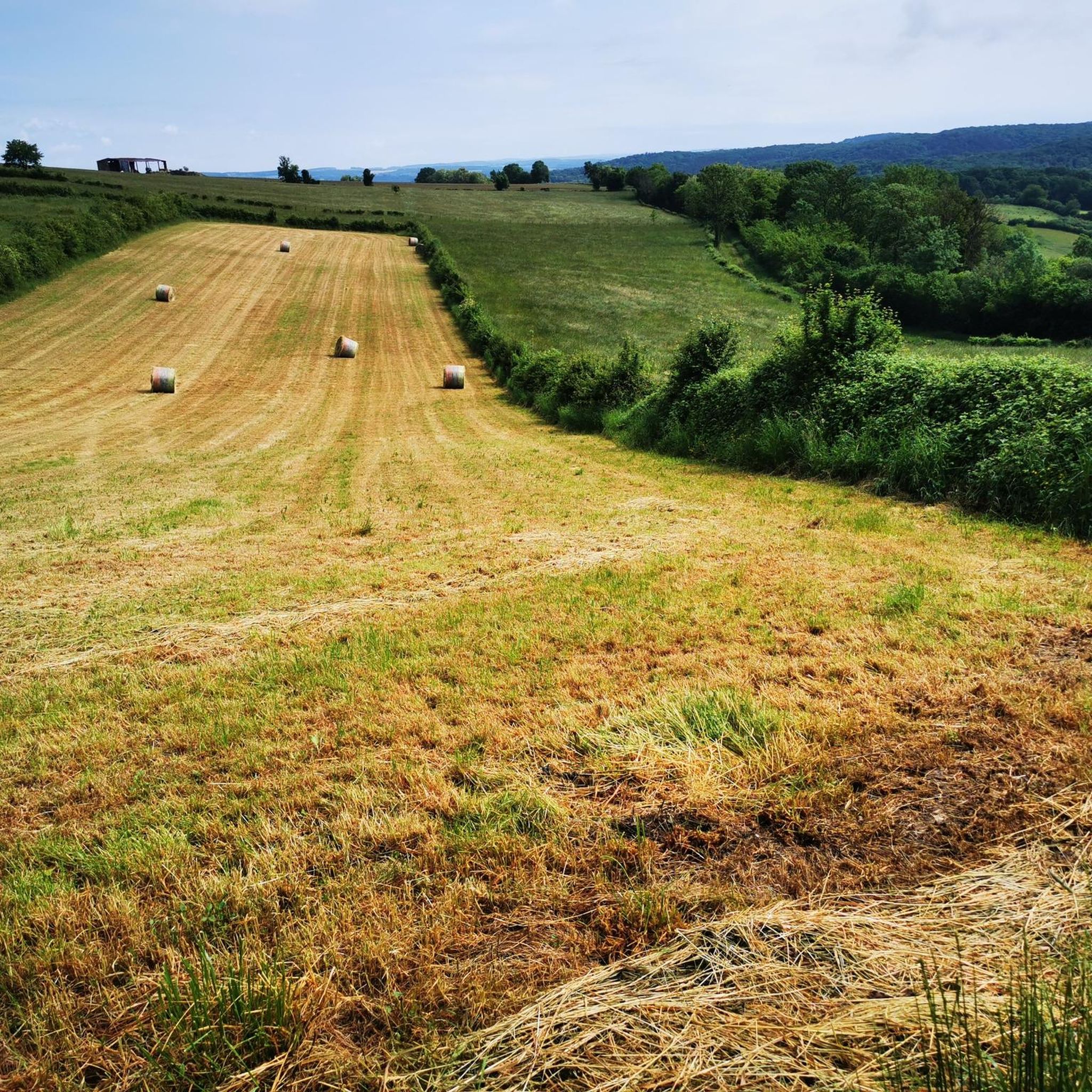
Even though this small sacred monument is not located on the famous Way of St. James through northern Spain, in view of the wayside cross standing here, some thoughts by Hape (Hans-Peter) Kerkeling might be helpful as inspiration. The entertainer, who is particularly famous in Germany, walked the Camino Frances in 2001 and kept a diary, which was published under the title "Ich bin dann mal weg" (I'm off then). In it, he describes his personal encounter with God along the way as follows: "Yesterday, something inside me struck a huge gong. And the sound will reverberate. Sooner or later, this path shakes everyone to their very foundations. I know the sound will slowly fade, but if I listen carefully, I'll be able to hear this reverberation for a very long time to come."
1
0

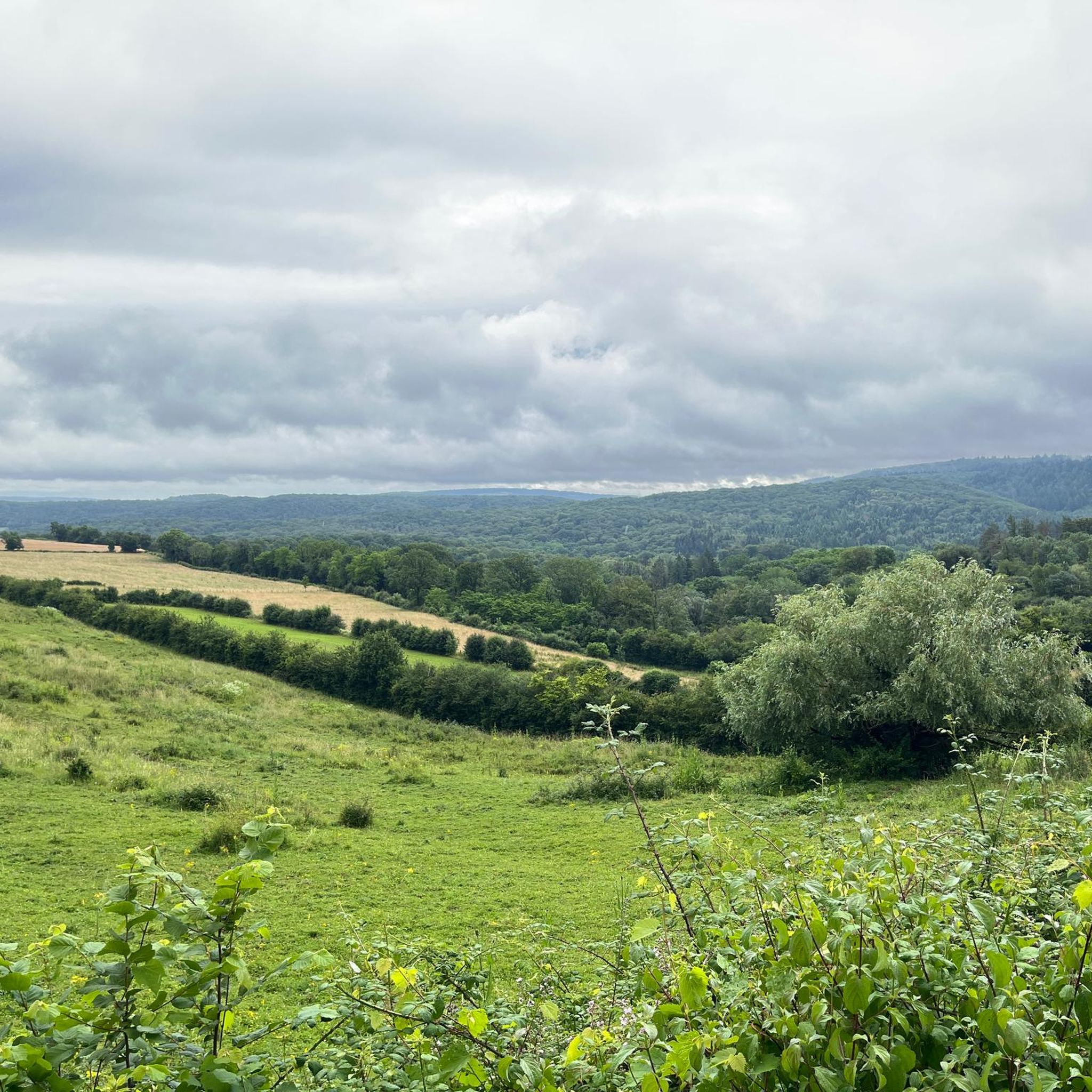
Very nice walk in the forest of the greenhouse. Sometimes the path runs along the stream, very pleasant when it is hot Recommended
0
0
Frequently Asked Questions
What historical landmarks are there to visit in Montmirey-Le-Château?
Montmirey-Le-Château offers several historical sites. You can explore the fascinating Ruins of the Feudal Castle, which once belonged to Princess Mahaut d'Artois and holds archaeological significance with findings from the Celtic era. Another notable site is the Château de Montmirey-la-Ville, a classified historical monument from the 18th century. While the château itself is not open to the public, its extensive park is freely accessible.
Are there any natural attractions or parks to enjoy in the area?
Yes, the region boasts several natural spots. The Park of Château de Montmirey-la-Ville is a significant natural feature with walking paths, ancient trees, a stream, and a pond. You can also take a pleasant walk through the Bois des Bruyères, a woodland at the edge of the village, or explore the trails within the nearly 300 hectares of the Forêt de la Serre.
What cycling opportunities are available near Montmirey-Le-Château?
The area is excellent for cycling. You can enjoy the scenic Cliffs along the Doubs / Rhône–Rhine Canal, a cycle path bordered by impressive cliffs and offering picnic spots. Another popular route is the Rochefort-sur-Nenon cycle path, which follows the Doubs river through beautiful landscapes. For more adventurous cyclists, there are also several gravel biking routes available, which you can find in the Gravel biking around Montmirey-Le-Château guide.
Are there family-friendly activities or attractions in Montmirey-Le-Château?
Many attractions in the area are suitable for families. The accessible Park of Château de Montmirey-la-Ville offers open spaces and walking paths. The cycle paths like the Cliffs along the Doubs / Rhône–Rhine Canal are also considered family-friendly. Additionally, a walk to Croix Boyon, a large monument in the middle of a forest, is a pleasant activity for all ages.
Where can I go hiking or running near Montmirey-Le-Château?
There are numerous trails for hiking and running. The Forêt de la Serre offers pleasant trails for discovering local fauna and flora. You can also explore the Sentier du Tacot, a historical path following an old railway line. For specific routes, check out the Hiking around Montmirey-Le-Château guide or the Running Trails around Montmirey-Le-Château guide, which list various routes with different difficulty levels.
What is the <a href="https://www.komoot.com/highlight/6733568" target="_blank" rel="noopener">Croix Boyon</a> and how can I visit it?
The Croix Boyon is a significant man-made monument located in the middle of the Forêt de la Serre, noted as the largest of its kind in the area. It offers a pleasant walk through the forest to reach it. Visitors appreciate the peaceful atmosphere and the historical context of this landmark.
Are there any religious or cultural heritage sites in the village?
Yes, the village has a rich cultural heritage. The Church of the Nativity of the Virgin, built in 1742, is a significant religious site. You can also find several 'Croix pattées' (pattée crosses) throughout the commune, as well as fountains and a lavoir-fontaine (washhouse-fountain), reflecting the historical daily life of the community. Near the feudal castle ruins, there's also a notable Statue of Sainte-Clotilde.
What are some interesting day trips or nearby towns to visit from Montmirey-Le-Château?
Several charming towns and significant sites are within a short drive. Pesmes, recognized as one of France's 'Most Beautiful Villages,' is only about 7 km away. Dole, 15 km distant, is known for its Collegiale Church. For a UNESCO World Heritage site, consider the Royal Saltworks at Arc-et-Senans, about 28 km away, an impressive example of 18th-century industrial architecture.
Can I access the park of <a href="#" target="_blank" rel="noopener">Château de Montmirey-la-Ville</a>?
Yes, while the interior of the Château de Montmirey-la-Ville is not open to the public, its expansive park is freely accessible year-round. It's open daily from 9 am to 7 pm, offering visitors a chance to stroll among its diverse flora, ancient trees, stream, and pond.
What is the <a href="#" target="_blank" rel="noopener">Sentier du Tacot</a>?
The Sentier du Tacot is a unique path in the lower part of the village that follows the route of a former narrow-gauge railway. This historical trail once connected Dole to Pesmes and now offers a distinctive way to experience the local landscape and delve into the region's past.
What do visitors particularly enjoy about the attractions around Montmirey-Le-Château?
Visitors frequently praise the scenic beauty of the cycle paths, especially along the Doubs river, highlighting the impressive landscapes and hydraulic features. The historical sites, like the Croix Boyon, are appreciated for offering pleasant walks in tranquil forest settings. The blend of historical landmarks, natural parks, and well-maintained routes provides a diverse and enjoyable experience for outdoor enthusiasts and history buffs alike.
Are there any specific archaeological findings in Montmirey-Le-Château?
Yes, the site of the Ruins of the Feudal Castle has significant archaeological importance. Excavations there have unearthed a Celtic-era bronze statue of Diana, along with various artifacts such as spurs, arrowheads, javelins, keys, and coins from the Dukes of Burgundy, indicating a long and rich history for the area.
Most popular routes around Montmirey-Le-Château

Get inspired with the komoot mobile app


Explore more
Still not found the Highlight you’re looking for? See guides of the top attractions in other regions:
