The best cycling routes around Saint-Pierre-De-Buzet
4.6
(132)
786
riders
59
rides
Touring cycling routes around Saint-Pierre-De-Buzet traverse a landscape characterized by a transition between vine-covered hillsides and the expansive Landes forest. The region features an extensive network of greenways and cycle routes, including the Canal des 2 Mers à Vélo along the Garonne Canal. The Garonne River and Baïse River valleys contribute to the area's geography, offering wooded stretches and gentle rolling hills. The Forêt de Buzet provides tranquil forest environments for exploration.
Best touring cycling routes around Saint-Pierre-De-Buzet
- The most…
Last updated: June 29, 2026
4.7
(3)
5
riders
26.8km
01:34
160m
160m
Cycle the Garonne and Canal Loop, a moderate 16.7-mile route through tranquil rural landscapes and charming French villages.
4.6
(46)
310
riders
Hard bike ride. Good fitness required. You may need to push your bike for some segments of this route.

Sign up for free
4.8
(19)
102
riders
44.0km
02:33
140m
140m
Moderate bike ride. Good fitness required. Mostly paved surfaces. Suitable for all skill levels.
5.0
(2)
42
riders
Easy bike ride. Great for any fitness level. Mostly paved surfaces. Suitable for all skill levels.
4.5
(4)
16
riders
42.5km
02:32
220m
220m
Moderate bike ride. Good fitness required. Mostly paved surfaces. Suitable for all skill levels.
Get access to more routes and recommendations from other explorers.
Sign up for free
Already have an account?
Our route recommendations are based on thousands of hikes, rides, and runs completed by other people on komoot.
Start today with a free account
Your next adventure awaits.
Login or Signup

Tips from the Community

It's possible. However, planning your own route is sometimes advantageous, as cycle paths are not necessarily the shortest or flattest routes.
0
0

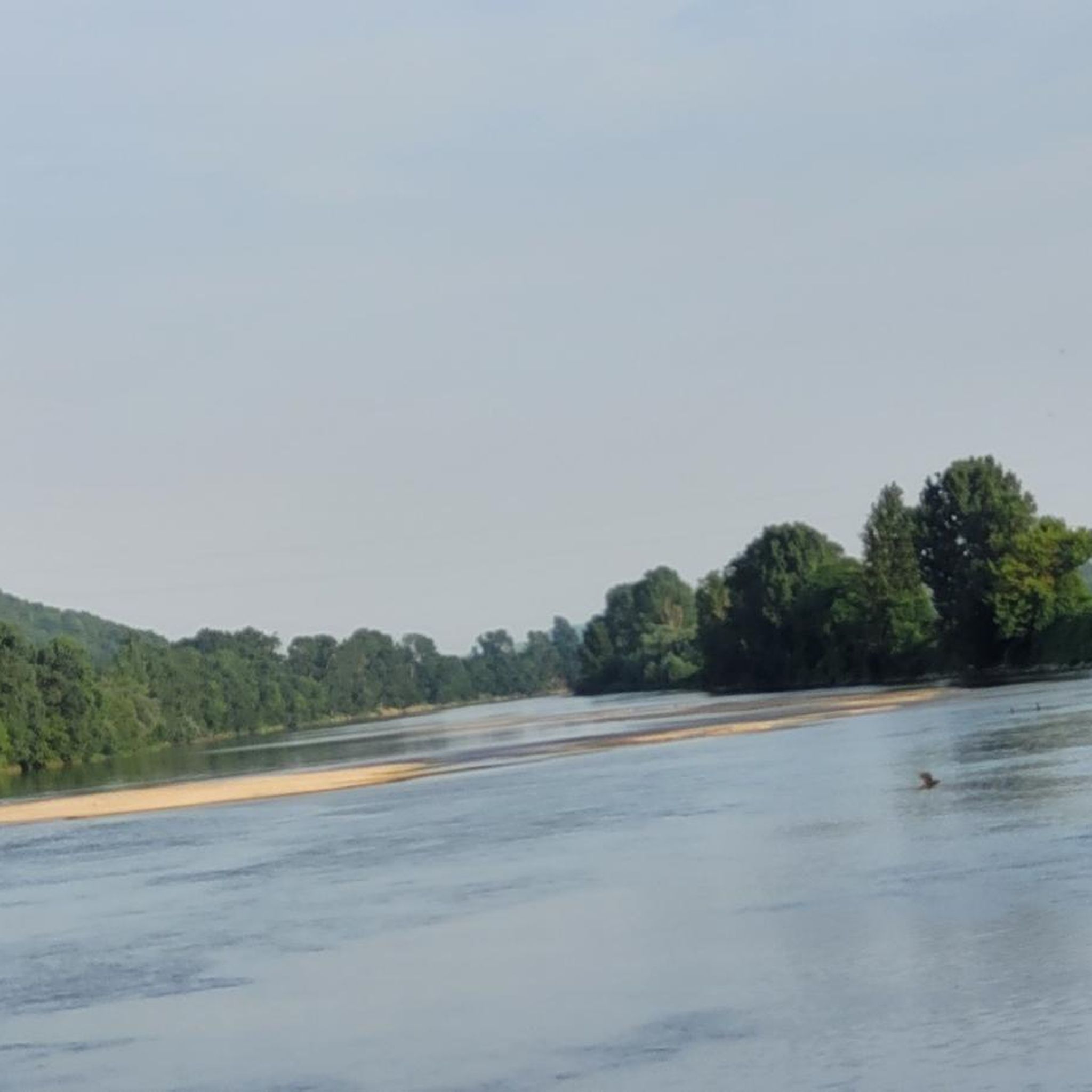
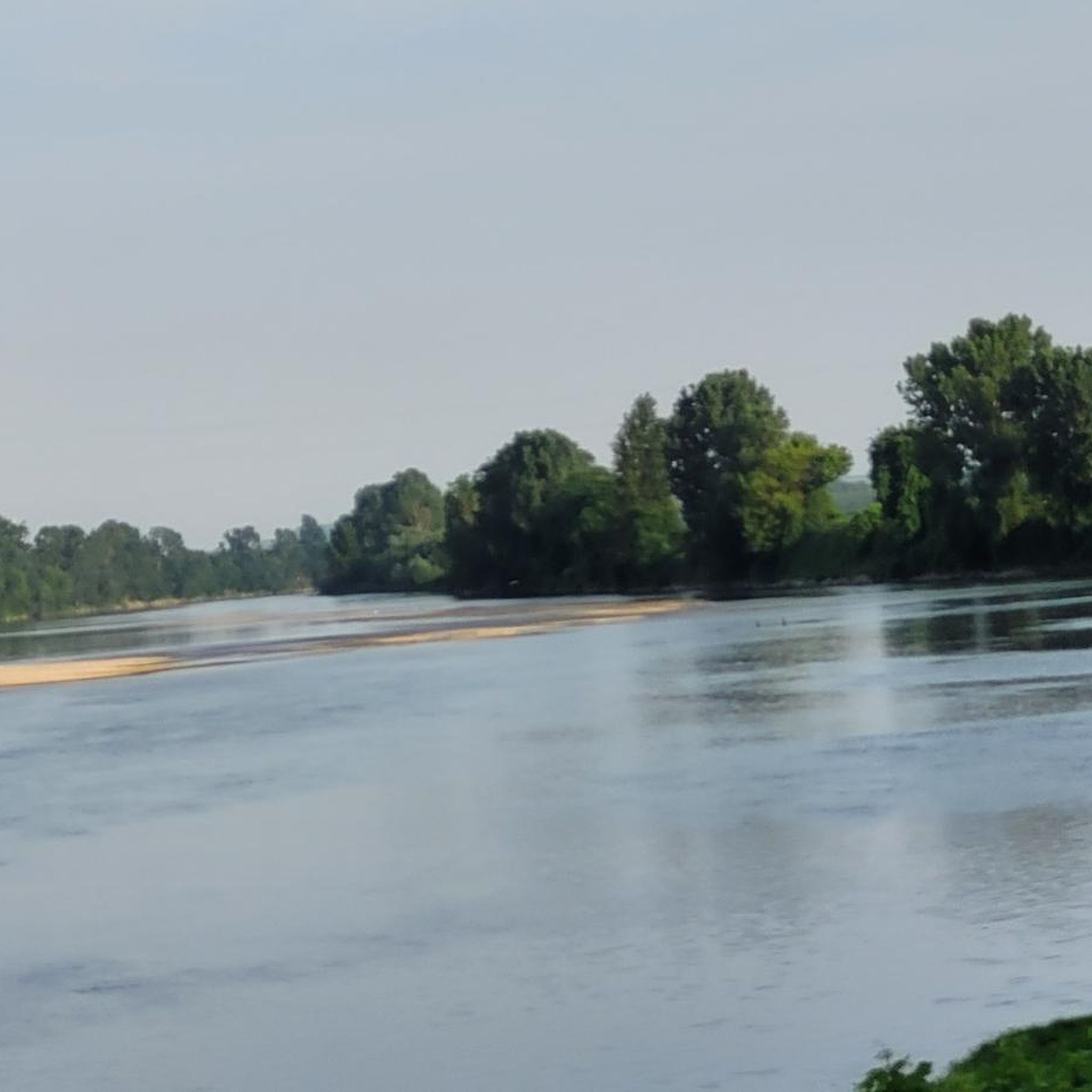
Very pleasant and shady and not too crowded.
0
0

A possible swimming spot.
0
0

Saint-Caprais Cathedral in Agen features several architectural peculiarities: its Romanesque apse is extended by a single-nave Gothic nave. Replacing an earlier wooden campanile, the current bell tower was built in 1835 at the initiative of Bishop Jean-Aimé de Levezou de Vezins and is unusual in that it consists of three Gothic stylistic elements (lancet Gothic, radiant Gothic, and flamboyant Gothic) curiously presented in reverse chronological order. A corbel composed according to this principle can still be seen in a corner of the north transept of Agen Cathedral. This corbel, in itself, is a small monument containing two large formerets and a long-span pointed arch. The paintings on the walls and ceilings depict the history of the arrival of Christianity in the region. A central role is given to the first martyrs of Agen. Other paintings are presented in series: the Evangelists, the Apostles, the patriarchs of the Jewish people (Abraham, Noah, etc.), the great kings of Israel, etc. The cathedral is much shorter than one might expect, judging by the size of the choir; indeed, political and financial difficulties greatly influenced the cathedral's final form. The painted decoration was entrusted to Jean-Louis Bézard, a painter from Toulouse who won the Prix de Rome in 1829. He completed the decoration of the chapel of the Hospice Saint-Jacques d'Agen, now the departmental hotel, in 1845, which has since disappeared. At the same time, he began painting the Chapel of the Virgin Mary in the cathedral. He continued decorating the cathedral until 1869. The choice of themes was made by the cathedral clergy and was the subject of debate between the painter and Abbé Deyche. For the decoration of the apse, the choice was made to depict the martyrdom of the saints of Agen. For the rest of the decoration, the paintings blend local themes and Marian iconography, the great figures of the Bible, the Old Testament, and the New Testament. Jean-Louis Bézard drew inspiration from the decoration of the Sicilian churches of Palermo and Montereale for the medallions of the arches of the transept crossing. The altar decoration: an altar cross and six candlesticks are listed as historical monuments. On the counter-façade, two statues: on the right, Saint Caprais, and on the left, Saint Stephen, by Louis Rochet. The main organ, built by organ builder Jean-Baptiste Stoltz, was featured at the 1855 World's Fair in Paris. According to legend, it was donated by Empress Eugenie in 1858 to Agen Cathedral, which until then had no instrument. It is the largest instrument in the Lot-et-Garonne department, with 45 stops spread over three manuals and a pedalboard. It has mechanical action. It is listed as a historic monument. The choir organ was built by organ builder Jules Magen in 1885 (15 stops over two manuals/pedalboard). It has been listed as a historic monument. Concert pianist and organist Jérôme Chabert has been its organist since 2002. He founded the Heures d'Orgue, an international festival held every summer in July and August on the cathedral's two organs.
0
0
Saint-Caprais Cathedral was built in the 12th century on the site of an episcopal basilica constructed in the 6th century, sacked by the Normans in 853 and then restored. Saint-Caprais Church is mentioned, along with Saint-Étienne Cathedral, in the will of Raymond, Lord of Toulouse, Marquis of Gothia, Count of Rouergue, Gévaudan, and Narbonne, who died in 961.[6] It was originally a collegiate church. Sacked again in December 1561 during the Wars of Religion, Saint-Caprais Collegiate Church became a fodder store in 1791 before being reopened in 1796 and becoming the official cathedral of Agen, following the destruction of the old Saint-Étienne Cathedral during the Revolution. It was elevated to the rank of cathedral in 1802. At the request of the Bishop of Agen, Jean-Aimé de Levezou de Vezins, the architect Gustave Bourrières[7] rebuilt the south façade, the bell tower, and the interior floors between 1838 and 1847.
0
0

The Buzet-sur-Baïse river stop is ideal for taking a break along the Canal Lateral à la Garonne. Perfect for cyclists, with plenty of supplies to stock up on!
0
0
The village of Damazan has retained all its charm with its central square and half-timbered houses. It's the perfect place to park your bike, enjoy a coffee in the shade, and soak up the atmosphere of the southwest.
0
0
This section of the canal reveals a bucolic setting of great beauty. It is shaded by a canopy of trees, particularly pleasant during the intense summer heat. It is an integral part of the Canal des Deux Mers cycle route, which connects the Mediterranean to the Atlantic.
1
0
Frequently Asked Questions
How many touring cycling routes are available around Saint-Pierre-De-Buzet?
There are over 50 touring cycling routes around Saint-Pierre-De-Buzet, offering a wide variety of options for different skill levels and preferences. The komoot community has explored these routes over 700 times.
Are there easy touring cycling routes suitable for beginners?
Yes, Saint-Pierre-De-Buzet offers 14 easy touring cycling routes, perfect for beginners or those looking for a relaxed ride. One excellent option is the Port of Damazan – Central Square of Damazan loop from Buzet-sur-Baïse, which is just over 10 km long and features minimal elevation gain.
What kind of landscapes can I expect to see on a touring cycling route here?
The region offers a diverse landscape, transitioning between vine-covered hillsides, particularly the Buzet vineyards, and the expansive Landes forest. You'll also cycle alongside the Garonne River and the Garonne Canal, enjoying wooded stretches of poplars and willows, and gentle rolling hills in the Baïse River valley. Panoramic views are common, especially from higher points.
Are there any family-friendly touring cycling routes in the area?
Many of the routes along the Canal des 2 Mers à Vélo (Canal de Garonne greenway) are shaded, secure, and relatively flat, making them ideal for families. These paths often avoid heavy traffic, providing a safe and enjoyable experience for all ages.
Can I find circular touring cycling routes around Saint-Pierre-De-Buzet?
Yes, many routes are designed as loops, allowing you to start and end in the same location. For example, the Garonne and Canal Loop is a popular 26.8 km circular route that follows both the Garonne River and the Garonne Canal.
What are some notable historical or cultural attractions I can visit along the routes?
You can explore various historical sites. The Canal Latéral à la Garonne itself is a significant historical waterway. You might also encounter charming villages and bastides, Romanesque churches, and even the Gallo-Roman pile of Peyrelongue. The Henry IV's Mill is another interesting landmark.
Are there options for more advanced touring cyclists seeking a challenge?
Yes, Saint-Pierre-De-Buzet offers 20 difficult touring cycling routes for experienced riders. A challenging option is the Saint Caprais Cathedral – Baïse Aqueduct loop from Buzet-sur-Baïse, a 58.9 km path that explores the Baïse Valley.
What is the best time of year for touring cycling in Saint-Pierre-De-Buzet?
Spring and autumn generally offer the most pleasant conditions for touring cycling, with mild temperatures and beautiful scenery as the vineyards change color. Summer can be warm, but the shaded canal paths provide a cooler alternative. Winter rides are possible, though some amenities might have reduced hours.
Are there touring cycling routes that offer views of the Buzet vineyards?
Absolutely. The region is famous for its Buzet appellation vineyards, and many local circuits are designed to traverse these picturesque, undulating landscapes. You'll find routes that wind through the vineyards, offering scenic views and opportunities to experience the local wine culture.
Where can I find parking near the touring cycling routes?
Many towns and villages along the major cycling routes, such as Buzet-sur-Baïse or Damazan, offer public parking facilities. Look for designated parking areas near canal access points or town centers, which often serve as convenient starting points for tours.
What do other touring cyclists enjoy most about the routes in Saint-Pierre-De-Buzet?
The routes in Saint-Pierre-De-Buzet are highly rated by the komoot community, with an average score of 4.5 stars. Reviewers often praise the peacefulness of the canal paths, the varied scenery from vineyards to forests, and the well-maintained surfaces that make for enjoyable touring cycling.
Are there long-distance touring cycling options that connect to larger networks?
Yes, the Canal des 2 Mers à Vélo (Canal de Garonne greenway) is a significant part of larger European cycling networks. It connects to the Scandibérique (EuroVelo 3), which extends towards Santiago de Compostela, and the Lot cycle route, offering extensive long-distance touring possibilities.
Can I find amenities like cafes along the touring cycling routes?
Yes, especially in the charming towns and villages situated along the major routes like the Canal de Garonne or the Baïse Valley. Many local establishments cater to cyclists, and some accommodations are 'Accueil Vélo' certified, offering services like secure bike storage and route information. You can often find cafes and restaurants for refreshments.
Most popular routes around Saint-Pierre-De-Buzet
Most popular attractions around Saint-Pierre-De-Buzet

Get inspired with the komoot mobile app


Explore more
Browse the best Cycling routes in other regions.
