Top 9 Castles around Saint-Vulbas
Castles around Saint-Vulbas offer a glimpse into the region's rich history and architectural heritage. The area features several medieval towns and fortified structures, providing diverse historical exploration opportunities. These sites are often situated in landscapes that include river views and historical settlements. The region is known for its well-preserved historical monuments and cultural significance.
Best castles around Saint-Vulbas
- The most popular castles is Medieval town of Pérouges, a historical site that is ranked among the most beautiful villages in…
Last updated: June 29, 2026
Medieval town of Pérouges
Highlight • Historical Site
Translated by Google •
Tip by

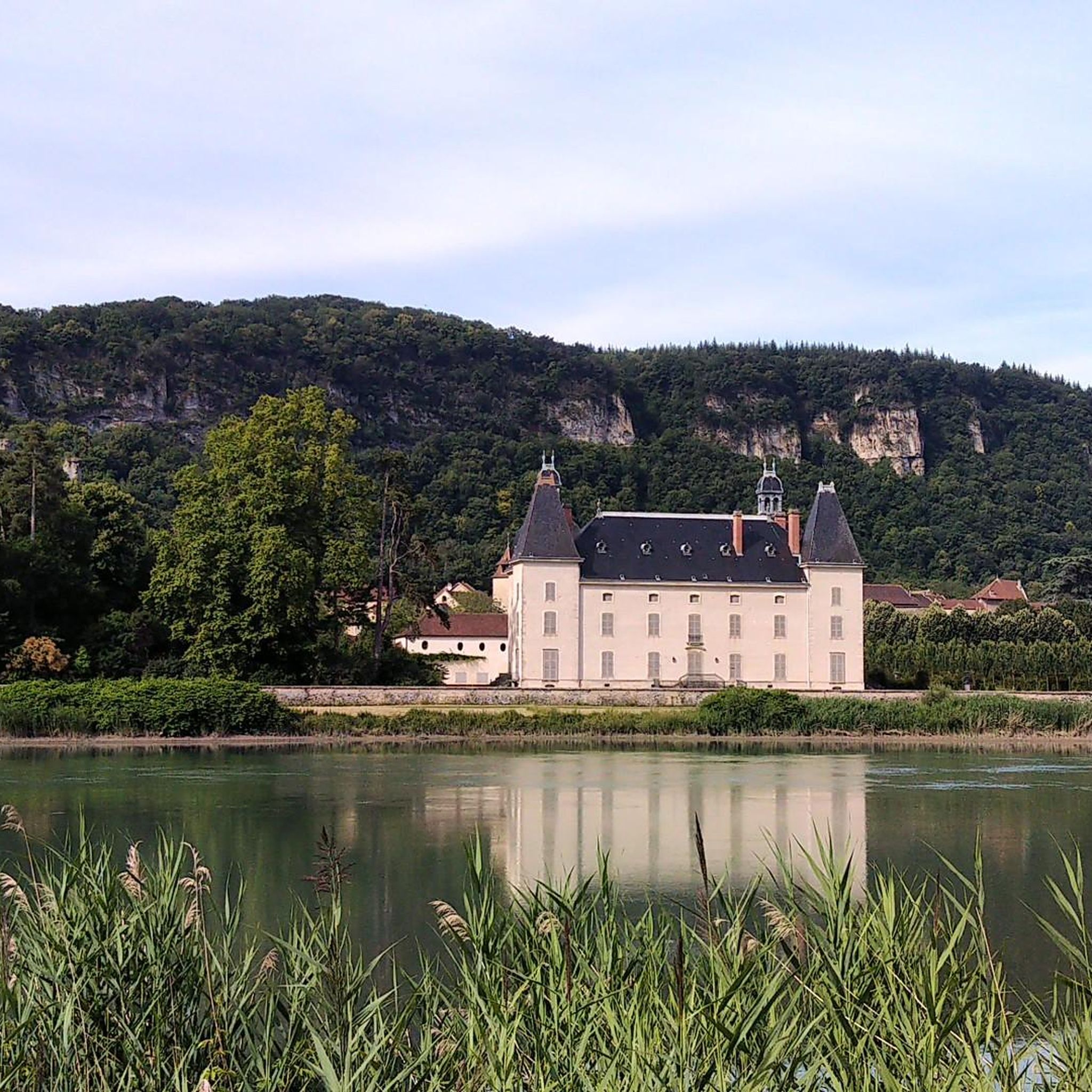
Château de Bienassis
Highlight • Castle
Translated by Google •
Tip by

Sign up now to discover places like this
Get recommendations on the best single tracks, peaks, & plenty of other exciting outdoor places.
Sign up for free
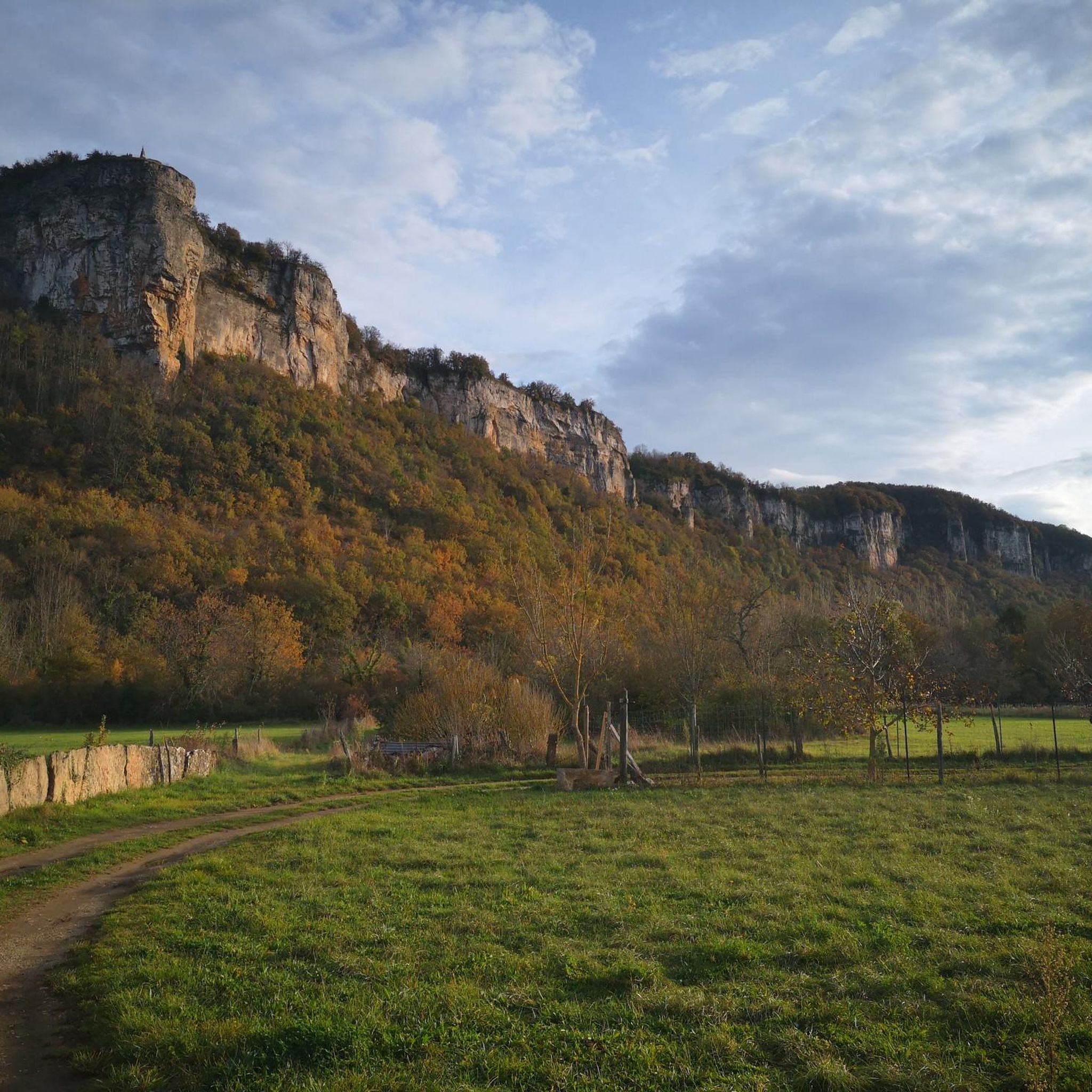
Cingle Castle
Highlight • Castle
Translated by Google •
Tip by

Crémieu, medieval town
Highlight • Historical Site
Translated by Google •
Tip by

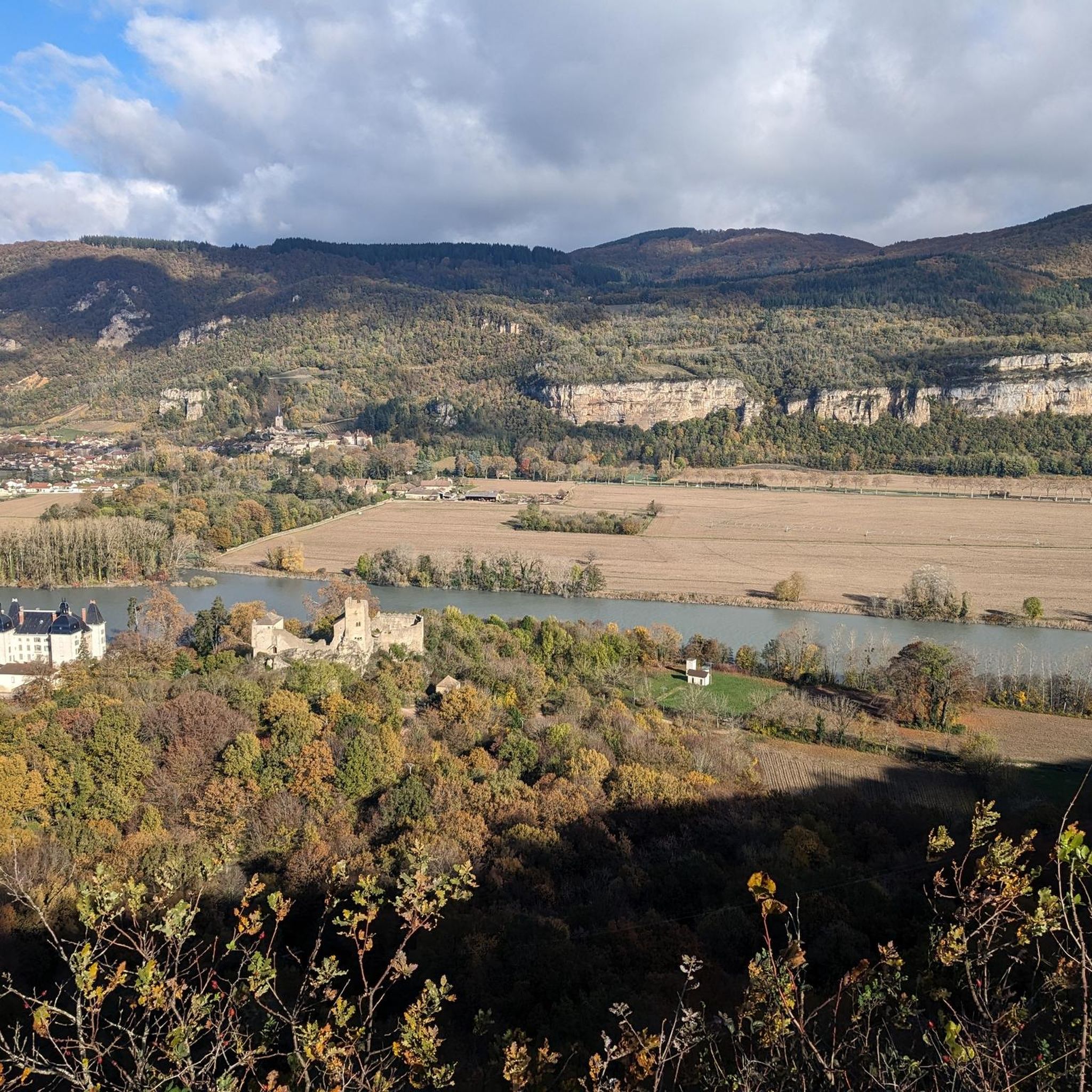
View of Vertrieu castle
Highlight • Castle
Translated by Google •
Tip by

Sign up for free to discover even more castles around Saint-Vulbas.
Sign up for free
Already have an account?
Start today with a free account
Your next adventure awaits.
Login or Signup
Tips from the Community

cycle path very busy in good weather
0
0

Beautiful little town, quite touristy, but worth the detour
0
0

Although first mentioned in 1540, the Cingle fortified house was undoubtedly built in the second half of the 14th century by the Pèlerin family. Originally composed of a main tower and a wing back to the west, it perhaps originally included a curtain wall. During the 15th century, the south wing was extended towards the west, a main building comprising a lower room and an upper room was attached to the north of the main tower, while a turret occupied on the first floor by an oratory and on the second by a dovecote is built to the east, projecting. A wing including the kitchen on the ground floor is also built at right angles to the north of the courtyard. The farm itself retains some architectural elements dating from the 16th century. Source: Ministry of Culture
1
0
The Bienassis fortified house, built by the Vallin family at the end of the 14th century, was organized around an enclosed courtyard and included a pavilion surrounded by watchtower turrets. The current building was completed in 1897 for Casimir Gournet, who wanted to give the old feudal residence the appearance of a medieval castle. Alphonse de Lamartine made several stays in Bienassis with his friend Nicolas Prosper Guichard, between 1804 and 1808. The castle, built of limestone rubble, consists of an L-shaped building covered with a long-pitched roof covered with mechanical tiles extended to the south by a high quadrangular tower with a porch in the work. The north wing has four levels of elevation: three cellars on the basement floor, a square floor and an attic floor. The tower rises on three levels: a ground floor with ribbed vaults and two square floors, the buildings are crowned with false machicolation. The corner turrets are covered with conical slate roofs. The stained glass windows of the ground floor living room are decorated with two bust-length women and two bust-length men in rondels. The coat of arms of the Joubert de Montlevon family can be found on one of the windows of the first living room on the ground floor. In the library, two shields with scrolling scroll motifs, a shield decorated with three female heads, a shield decorated with a passing griffin, and a shield decorated with two hammers with the initials C G for Casimir Gournet adorn the windows. Source: Châteaux de France
0
0

Ranked among the most beautiful villages in France, Pérouges offers you a trip to the Middle Ages. The tourist activities between April and August will allow you to see the city from another angle. Between history and terroir, this city of character 30 kilometers from Lyon will not leave you insensitive with its medieval and authentic charm. Before leaving, don't forget to taste the local speciality: the Peruvian pancake, the unmissable sugar pie.
2
0
This small city of character, located 40 kilometers from Lyon has a sumptuous architectural heritage. Walking through its narrow streets, you will discover the Delphinal castle, its majestic 16th century hall, its cloister or its Augustinian convent. The medieval town of Crémieu is classified as a Protected Area for Urban and Landscape Architectural Heritage (ZPPAUP).
0
0

A very beautiful town! There is a good restaurant in the center right next to the village.
0
0

The Château de Bienassis in Villemoirieu, near Crémieu, was frequented by Alphonse de Lamartine.
1
0
Frequently Asked Questions
Are there family-friendly castles to visit near Saint-Vulbas?
Yes, several castles and historical sites in the area are suitable for families. The Medieval town of Pérouges is ranked among the most beautiful villages in France and offers a journey into the Middle Ages. Crémieu, medieval town, with its Delphinal castle and historical architecture, is also considered family-friendly. Additionally, the View of Vertrieu castle provides pretty views that can be enjoyed by all ages.
What kind of historical sites can I explore in the Saint-Vulbas area?
The region around Saint-Vulbas is rich in historical sites. You can explore the well-preserved Medieval town of Pérouges, which features a 15th-century church-fortress. Another significant site is Crémieu, medieval town, known for its sumptuous architectural heritage including a Delphinal castle and a 16th-century hall. The Cingle Castle, first mentioned in 1540, is also a listed historical monument offering a glimpse into the region's past.
Are there opportunities for outdoor activities or walks near the castles?
Yes, the area around Saint-Vulbas offers various outdoor activities. For cycling enthusiasts, there are routes like the 'ViaRhôna and Bugey Greenway Loop' which passes near historical sites. You can find more details on Cycling around Saint-Vulbas. Mountain biking options are also available, including routes that pass by Cingle Castle, as detailed in the MTB Trails around Saint-Vulbas guide. For gravel biking, routes like 'Château Delphinal of Crémieu – Crémieu, medieval town loop' are available, which you can explore in the Gravel biking around Saint-Vulbas guide.
Where can I find scenic viewpoints of castles in the region?
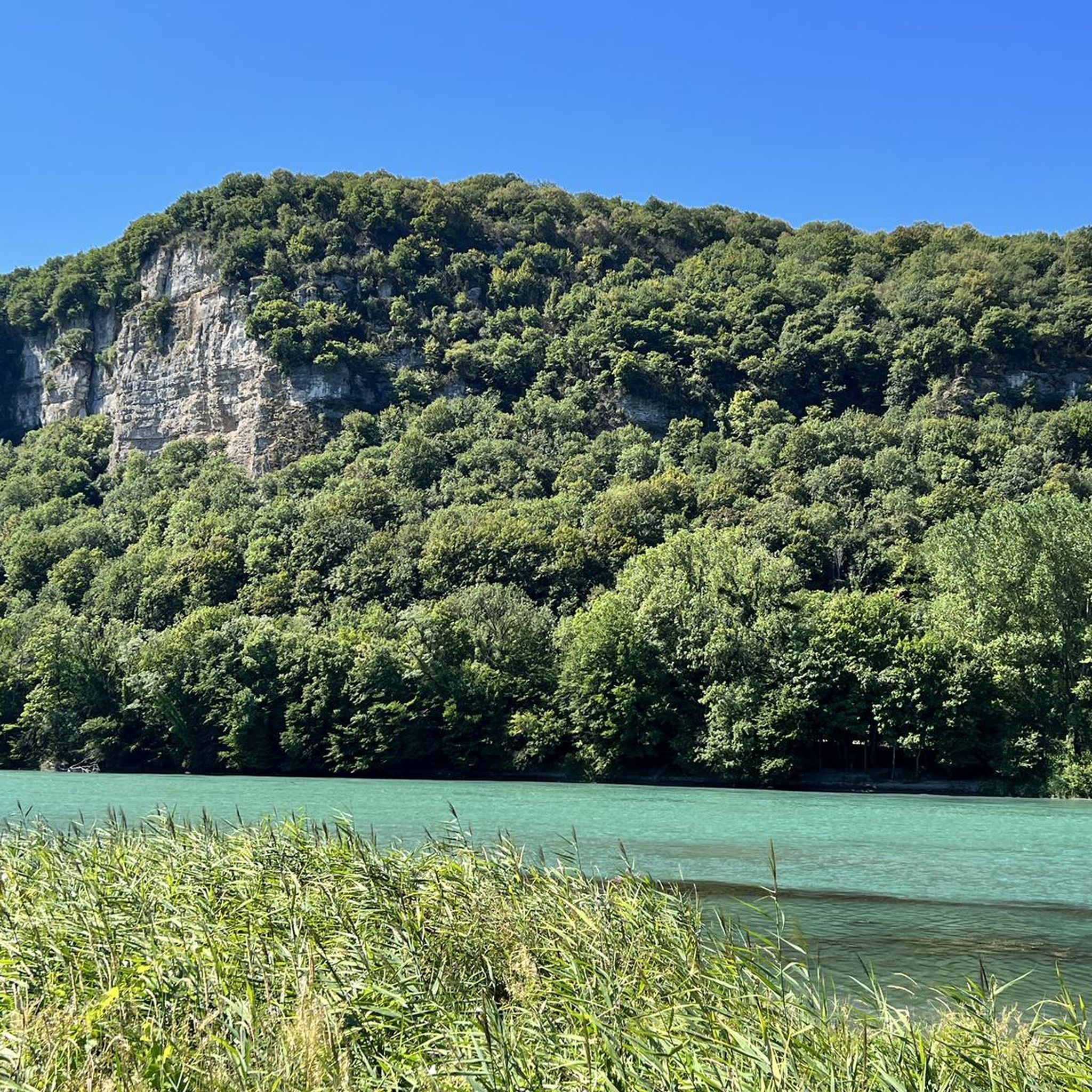
For impressive views, visit the View of Vertrieu castle. This spot offers pretty views of the castle from the opposite bank of the Rhône, particularly from the Via Rhôna. The castle is framed by rock faces, creating a very picturesque scene.
What is the best time of year to visit the castles around Saint-Vulbas?
The best time to visit the castles around Saint-Vulbas is generally from spring to early autumn (April to October). During these months, the weather is typically pleasant for exploring medieval towns and outdoor sites. Many tourist activities in places like the Medieval town of Pérouges are available between April and August.
Are there any lesser-known or 'hidden gem' castles worth visiting?
While not widely publicized, the Château de Bienassis in Villemoirieu offers a unique historical perspective. Originally a fortified house from the late 14th century, it was later transformed to resemble a medieval castle. It also has literary connections, having been frequented by Alphonse de Lamartine.
What do visitors enjoy most about the castles and historical sites in Saint-Vulbas?
Visitors frequently appreciate the authentic medieval charm and well-preserved architecture. The Medieval town of Pérouges is praised for its ability to transport visitors back to the Middle Ages, with its unique church-fortress. The atmosphere of Crémieu, medieval town, with its old houses, halls, and cloister, is also highly regarded as very pleasant.
Is parking available at the castles?
Parking availability varies by site. For popular locations like the Medieval town of Pérouges and Crémieu, medieval town, there are usually designated parking areas outside the historic centers. It is advisable to check local signage or official websites for specific parking information before your visit, especially during peak season.
Can I visit the castles during winter?
Visiting castles during winter is possible, but some attractions or specific areas might have reduced hours or be closed. The medieval towns themselves, like Pérouges and Crémieu, remain accessible, offering a quieter experience. However, outdoor activities and some guided tours might be limited due to weather conditions. Always check the opening times of individual sites before planning a winter visit.
Are there cafes or restaurants near the castles?
Yes, you can find cafes and restaurants in the medieval towns. For instance, Crémieu, medieval town, has a good restaurant right in its center. The Medieval town of Pérouges is also known for its local specialty, the Peruvian pancake, and offers dining options within its historic walls.
Is public transport an option to reach the castles?
Public transport options to reach some of the castles and medieval towns exist, though they might require transfers or be less direct than driving. For example, Pérouges is accessible by regional train. For other sites, local bus services might connect from larger towns. It's recommended to consult regional public transport websites for detailed routes and schedules to specific castle locations.
Are the castles and historical sites accessible for visitors with mobility challenges?
Accessibility varies significantly between sites due to their historical nature. Medieval towns like Pérouges and Crémieu often feature cobblestone streets and uneven terrain, which can be challenging. Some specific areas or ground floors might be accessible, but full accessibility for all parts of a castle or fortified structure is rare. It's best to check with individual sites for their specific accessibility information.
Most popular routes around Saint-Vulbas
Most popular attractions around Saint-Vulbas

Get inspired with the komoot mobile app


Explore more
Looking for the best castles somewhere else? Discover other guides around Saint-Vulbas:
