Attractions and Places To See around Germond-Rouvre - Top 10
Attractions and places to see around Germond-Rouvre offer a blend of historical sites and natural features in the Deux-Sèvres department of France. The commune provides insights into local heritage, including ancient settlements and Romanesque architecture. Visitors can explore various points of interest that highlight both human history and ecological significance. The area is characterized by its historical roots as a fortified settlement and its recognized natural ecological zones.
Best attractions and places to see around Germond-Rouvre
- The most popular attractions…
Last updated: July 1, 2026
Roman Bridge Over the Chambon
Highlight • Bridge
Translated by Google •
Tip by

Chantemerle Castle
Highlight • Castle
Showing Translation
Tip by

Sign up now to discover places like this
Get recommendations on the best single tracks, peaks, & plenty of other exciting outdoor places.
Sign up for free
Sainte-Pezenne Footbridge
Highlight • Bridge
Translated by Google •
Tip by

Coudray-Salbart Castle
Highlight • Castle
Translated by Google •
Tip by
Le Mursay Chain Ferry Crossing
Highlight • Bridge
Translated by Google •
Tip by

Sign up for free to discover even more attractions around Germond-Rouvre.
Sign up for free
Already have an account?
Start today with a free account
Your next adventure awaits.
Login or Signup


Other adventures around Germond-Rouvre

Tips from the Community

Built in the 19th century, this former agricultural estate includes a park and spaces to cultivate, an orangery, a greenhouse, and remarkable farm buildings. At the time, this way of thinking about the organization of farms was new and is linked to the major industrial rationalization movements observed from the mid-19th century onwards. It was about simultaneously considering aspects related to animal hygiene and comfort, as well as the aesthetics of the buildings.
0
0

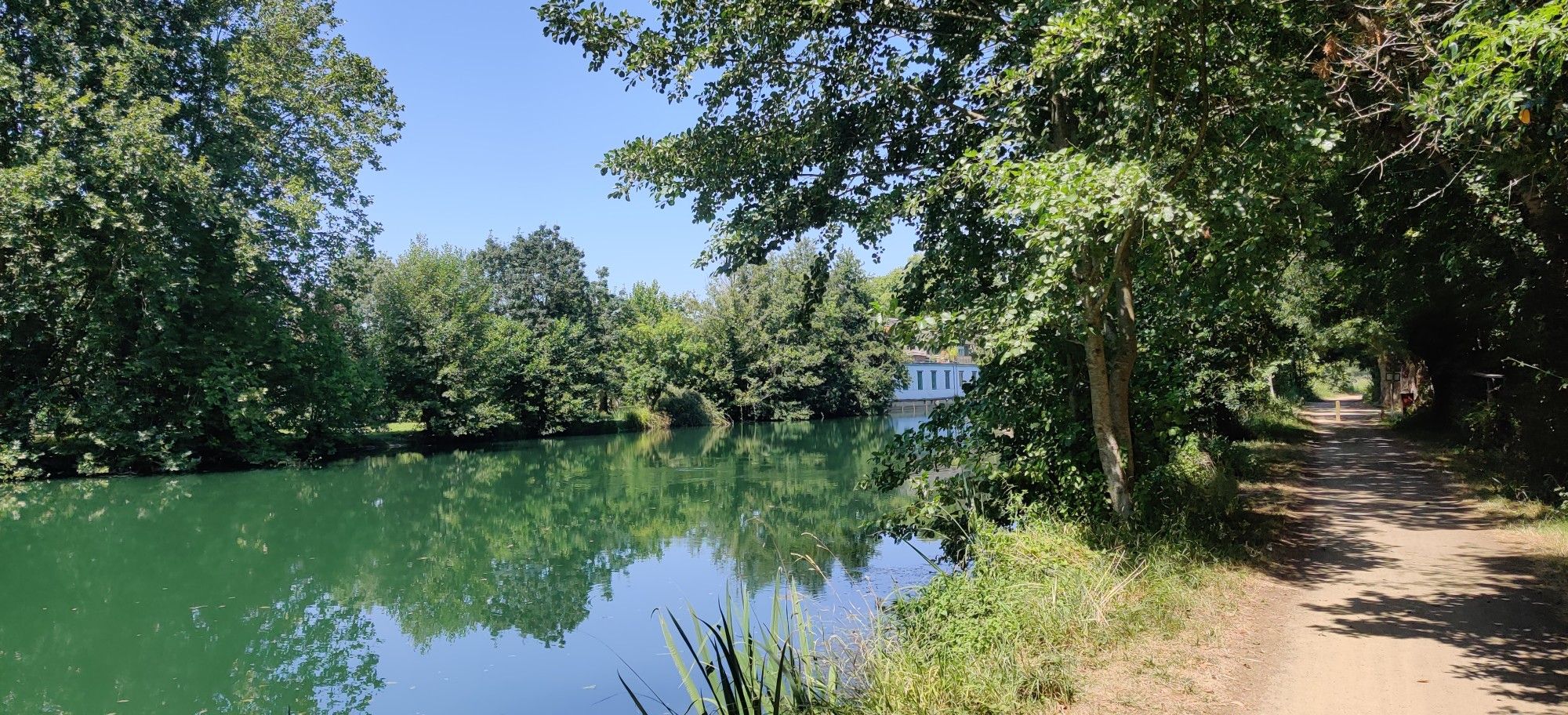
A charming place on the banks of the Sèvre Niortaise
1
0

top on the pebble path that runs along the lambon. A must-do!
0
0

The old road called "Chemin Chevaleret" connected Poitiers to the sea. The Roman bridge is a witness to this trade route at the time of Roman Gaul. It is an idyllic place to take a break or cool off with your feet in the water.
1
0

Be careful due to high water levels. The chain bin is not accessible at the moment.
0
0
Playful, and even more at night (oops) with a tawny owl as a guide
0
0

This pretty metal footbridge dates from 1880. It connects Sainte-Pezenne to Niort and was built to facilitate the connection between the two towns. Since then, the commune of Sainte-Pezenne has been attached to that of Niort. The footbridge offers a beautiful view of the Sèvre Niortaise.
1
0

When you cross this bridge, you can thank the Roman architecture, engineering and builders, because this bridge still resists today the incessant flow of the Chambon.
2
0
Frequently Asked Questions
What historical sites can I explore in and around Germond-Rouvre?
Germond-Rouvre is rich in history. You can visit the significant Roman Bridge Over the Chambon, a testament to Roman engineering. The commune also features the historical L'église Saint-Médard, a Romanesque church, and the Site Historique des Mothes, an ancient Gallic oppidum. Additionally, archaeological vestiges, including a Gallo-Roman villa, have been found in the area.
Are there any ancient Roman structures to visit near Germond-Rouvre?
Yes, the most prominent Roman structure is the Roman Bridge Over the Chambon. This bridge is a historical landmark that once served as part of the old trade route connecting Poitiers to the sea, showcasing remarkable Roman architecture and resilience.
Where can I find unique natural features or ecological zones in Germond-Rouvre?
Germond-Rouvre boasts a Class 1 ZNIEFF (Zone Naturelle d'Intérêt Ecologique Faunistique et Floristique) located north of the commune, within the 'vallon des rochers de la Chaise,' recognized for its ecological, faunal, and floral interest. You can also observe remarkable trees, such as a common walnut tree at Les Moussandières and oak trees at La Touche and La Pleige.
What kind of outdoor activities, like cycling or hiking, are available near Germond-Rouvre?
The area around Germond-Rouvre offers various outdoor activities. For cycling, you can explore routes like the 'Champdeniers and Cherveux Lake Loop' or 'The Sèvre Niortaise at Surimeau – Sainte-Pezenne Footbridge loop'. Hikers can enjoy trails such as the 'Château de Coudray - Salbart – loop' or the 'Saint-Médard-de-Germond Church loop'. You can find more details on these routes in the Cycling around Germond-Rouvre and Hiking around Germond-Rouvre guides.
Are there easy walking trails suitable for beginners around Germond-Rouvre?
Yes, there are easy walking options. For example, the 'Coudray-Salbart Castle loop from Échiré' is an easy 6 km hike. These trails offer a gentle way to explore the local scenery and historical sites without strenuous effort. More routes can be found in the Hiking around Germond-Rouvre guide.
What are some interesting bridges or unique crossings to see in the area?
Beyond the ancient Roman Bridge Over the Chambon, you can visit the Sainte-Pezenne Footbridge, a charming metal structure from 1880 offering views of the Sèvre Niortaise. For a unique experience, try the Le Mursay Chain Ferry Crossing, where you pull yourself across the Sèvre Niortaise on a small boat.
Can I find family-friendly attractions near Germond-Rouvre?
Yes, the Roman Bridge Over the Chambon is considered family-friendly, offering an idyllic spot to take a break or cool off by the water. The unique experience of the Le Mursay Chain Ferry Crossing can also be a fun activity for families.
What are some lesser-known or unique sights to discover in Germond-Rouvre?
For a unique visual, visit the Pouzay Dovecote, where a plant interacts with the dovecote, showcasing nature's resilience. The Carrières de la Pleige, located at 'Rochers de la Chaise,' also represent a part of the commune's industrial heritage and offer a glimpse into local history.
What is the best time of year to visit Germond-Rouvre for outdoor exploration?
The spring and autumn months generally offer pleasant weather for outdoor activities like hiking and cycling, with milder temperatures and beautiful natural scenery. Summer can also be enjoyable, especially for water-related activities near the Sèvre Niortaise, but be prepared for warmer temperatures.
What makes the Coudray-Salbart Castle a significant attraction?
The Coudray-Salbart Castle is a remarkable 13th-century fortress, considered one of the best-preserved castles of its era in Europe. It offers a fascinating glimpse into medieval architecture and history, with ongoing preservation work ensuring its longevity for visitors.
What kind of wildlife or biodiversity can I expect to see in Germond-Rouvre?
Germond-Rouvre is part of a 'Trame Verte et Bleue' (Green and Blue Belt) initiative, aimed at preserving biodiversity and ecological corridors. The ZNIEFF area to the north is recognized for its ecological, faunal, and floral interest, suggesting opportunities for wildlife spotting, especially birds and local plant species in their natural habitats.
Most popular routes around Germond-Rouvre

Get inspired with the komoot mobile app


Explore more
Still not found the Highlight you’re looking for? See guides of the top attractions in other regions:
