Attractions and Places To See around Poiseul-Lès-Saulx - Top 15
Best attractions and places to see around Poiseul-Lès-Saulx include a blend of historical sites, cultural insights, and natural beauty. This village, located northwest of Dijon in Burgundy, France, offers a glimpse into traditional rural life and ancient practices. The surrounding area features significant landmarks, historical processing sites, and extensive hiking trails.
Best attractions and places to see around Poiseul-Lès-Saulx
- The most popular attractions is route forestière des Grolles (GR7), a scenic route that is part of the GR7 long-distance…
Last updated: July 2, 2026
Grancey-le-Château Castle
Highlight • Castle
Translated by Google •
Tip by

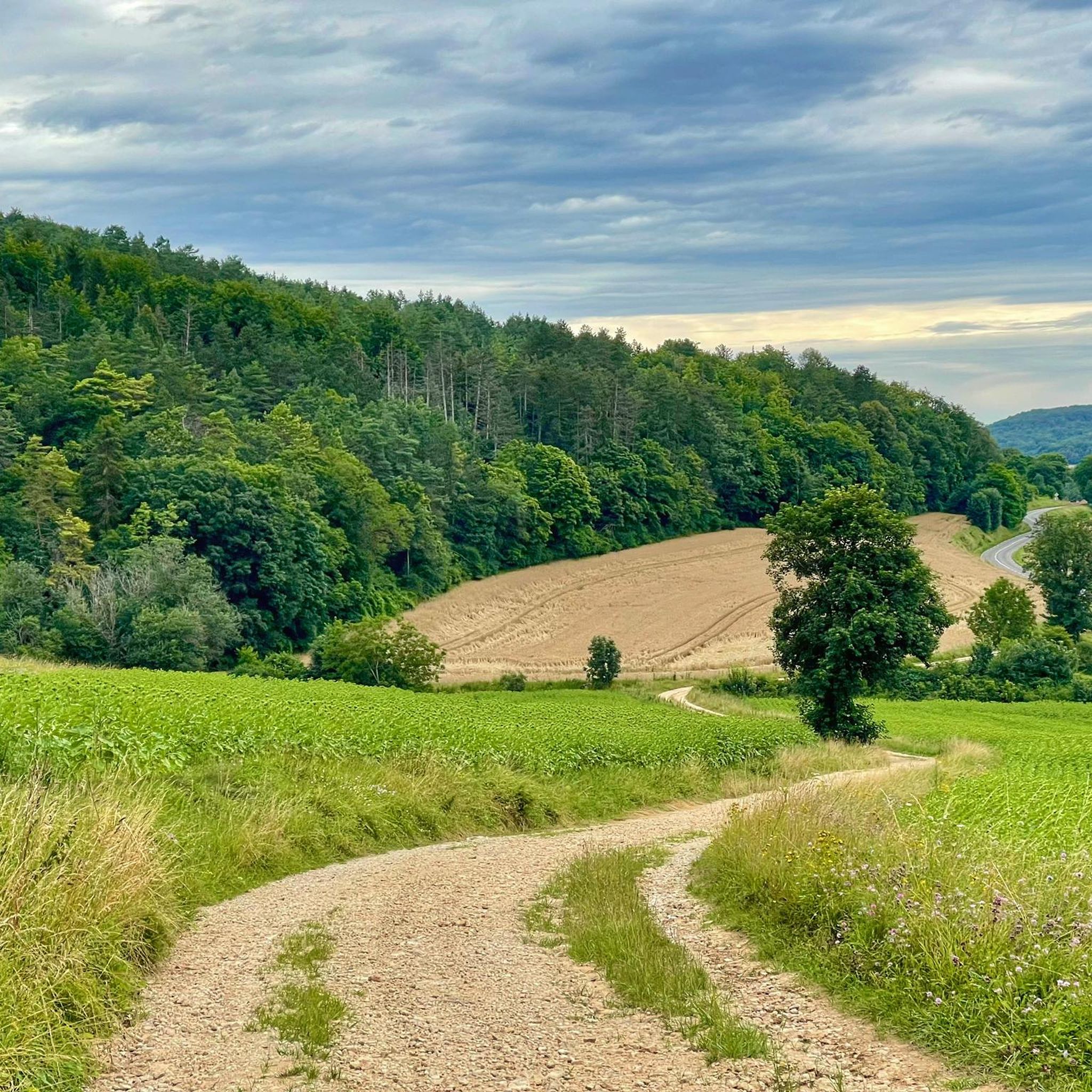
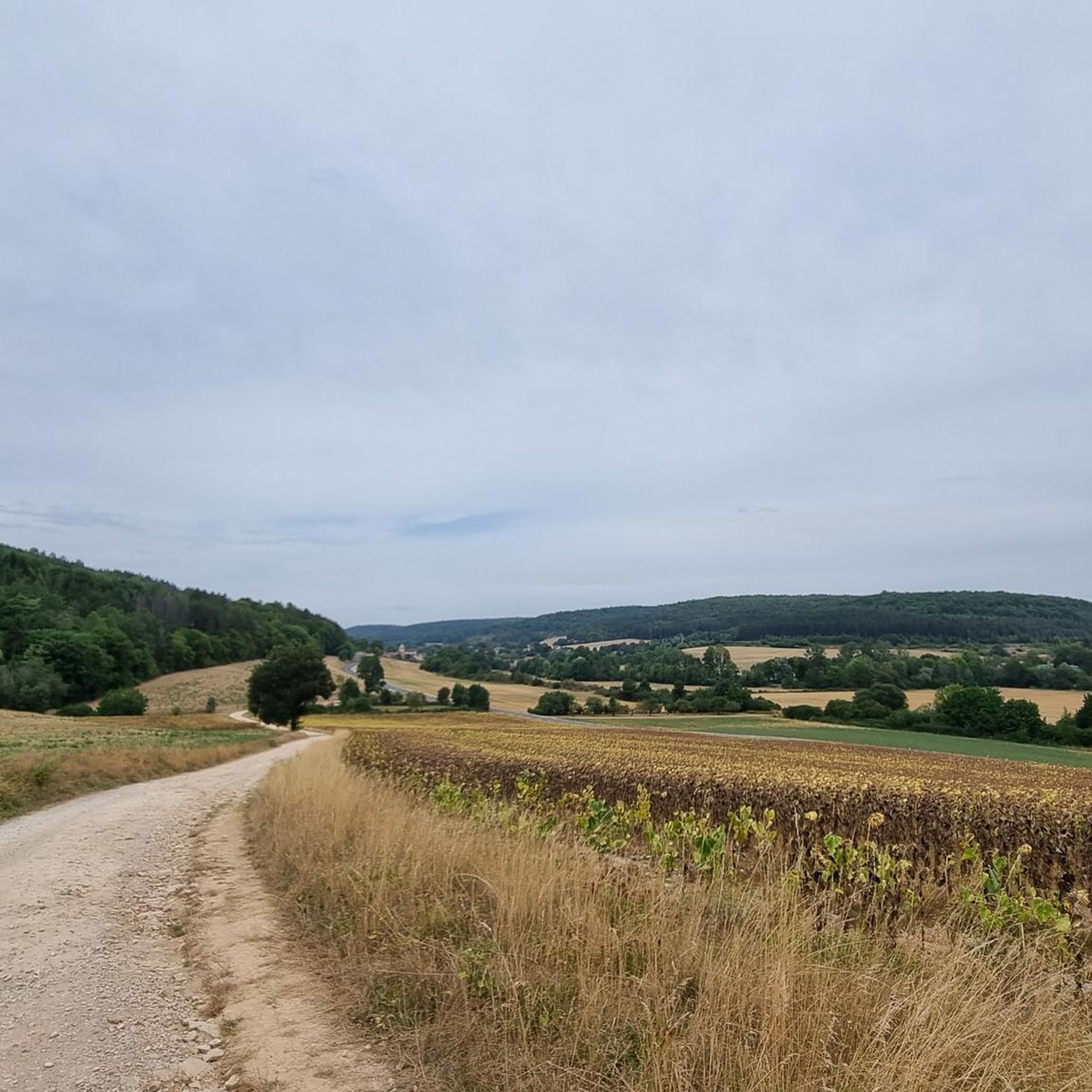
route forestière des Grolles (GR7)
Highlight (Segment) • Other
↔3km ↑ 208m ↕max .: 12.1% ↨avg .: 6.7%
Translated by Google •
Tip by

Sign up now to discover places like this
Get recommendations on the best single tracks, peaks, & plenty of other exciting outdoor places.
Sign up for free
Tarsul bathing house
Highlight • Religious Site
Translated by Google •
Tip by

Saint Germain church
Highlight • Other
Translated by Google •
Tip by
Chemin des Forges
Highlight (Segment) • Trail
Tip by

Sign up for free to discover even more attractions around Poiseul-Lès-Saulx.
Sign up for free
Already have an account?
Start today with a free account
Your next adventure awaits.
Login or Signup
Tips from the Community

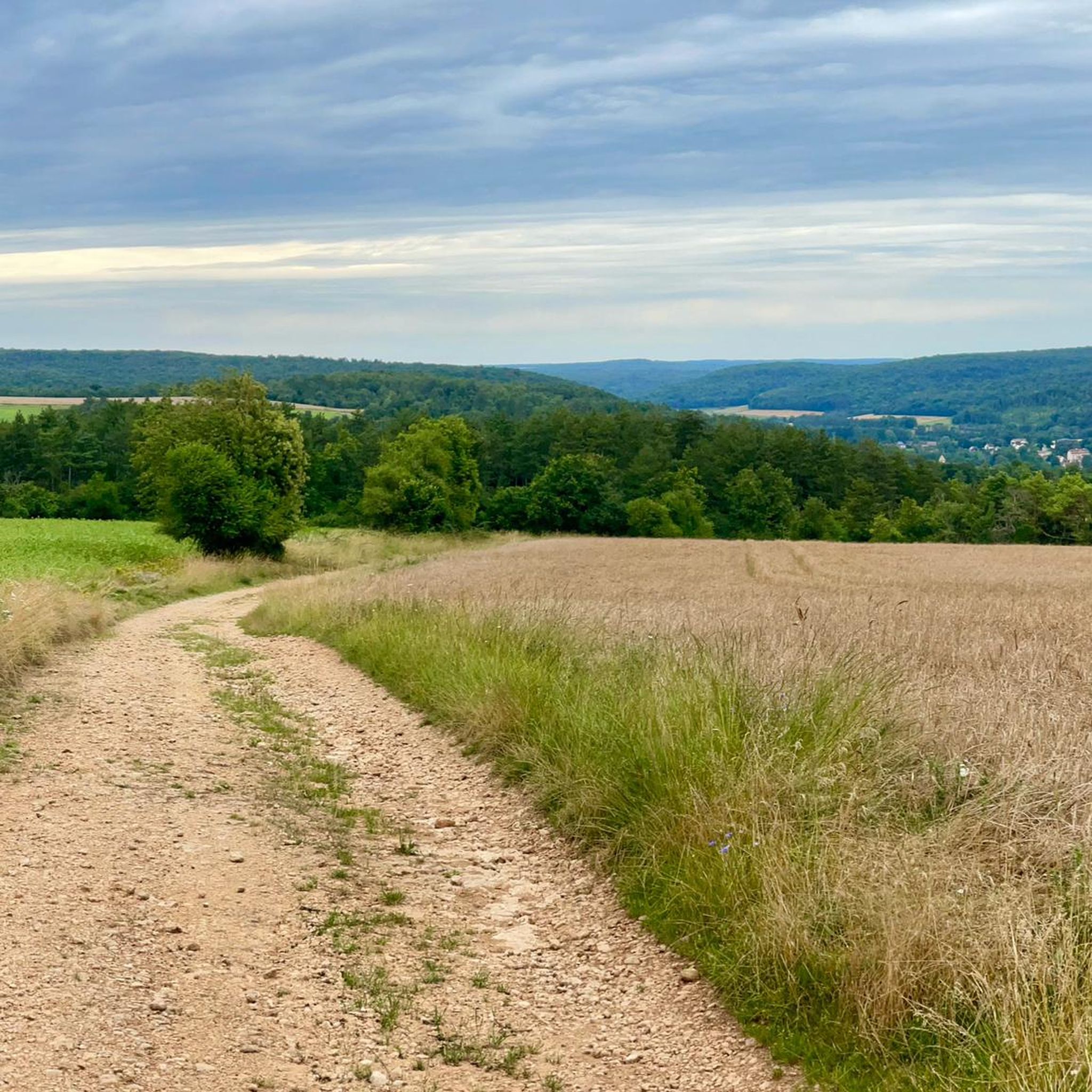
Une première portion de sentier en sous-bois puis le chemin s’élargit pour devenir une piste bien roulante. Très belle alternative à la route.
1
1

A beautiful church, one of the oldest in the region.
2
0
The Château de Grancey was built in the 1700s. The Burgundian colored tiles, very typical of the region, do not deceive.
2
0

The idyllically located church probably dates back to the year 900 and would therefore be one of the oldest churches in the region.
6
0
Grancey Castle was built between 1705 and 1725 by Jacques-Léonor Rouxel, Count of Grancey. The colorful roof tiles typical of the region are pretty to look at.
5
0

The Symbol of the road to Saint Jacques de Compostela, the shell of Saint Jacques. You find this Cave at the river of Tarsul on site.
1
0
The bathhouse is here a typical of the region on the road to Saint Jacques de Compostelle
3
0
You can visit this Saint Germain church on the way to Saint James.
3
0
Frequently Asked Questions
What historical and cultural sites can I explore in Poiseul-Lès-Saulx?
Poiseul-Lès-Saulx and its surroundings offer a rich history. You can visit the Neo-Gothic Church of Notre-Dame in the village, which houses a 14th-century Virgin and Child statue and 17th-century altars. Don't miss the Saint Germain church, considered one of the oldest in the region. Additionally, the village features an Oratory to the God of Pity and a restored bread oven. For a glimpse into the region's industrial past, explore the historical hemp production and processing site in Champignolle.
Are there any castles or significant architectural landmarks nearby?
Yes, a notable architectural landmark is Grancey-le-Château Castle, built between 1705 and 1725. Its colorful roof tiles are a beautiful example of typical Burgundy regional architecture.
What natural features or scenic spots are worth visiting?
The area boasts several natural points of interest. You can find the Puits du Bois (Wood Well) at the entrance to the Mont de l'Échelle state forest, believed to be connected to the village's origins. Deep in the woods on the road to Barjon, you'll discover the historic Lavoir and Rouissoirs of Champignolles, used for processing hemp. The route forestière des Grolles (GR7) also offers scenic viewpoints over the Quinquendolle combe.
What hiking opportunities are available around Poiseul-Lès-Saulx?
Poiseul-Lès-Saulx is a great base for hiking. The village is traversed by the GR7 long-distance hiking path, which is also part of the Camino de Santiago. There are also recently developed trails like the 'Sentier du Chanvre' (Hemp Path) and a path around the 'Sources et des Rouissoirs'. For more detailed routes, you can explore the Running Trails around Poiseul-Lès-Saulx guide, which includes various loops of moderate difficulty.
Are there any cycling or mountain biking routes in the area?
Absolutely! The region around Poiseul-Lès-Saulx offers diverse cycling and mountain biking experiences. You can find routes ranging from easy to difficult. For mountain biking, check out the MTB Trails around Poiseul-Lès-Saulx guide, which includes loops like 'Washhouse – Le Creux Bleu loop from Diénay'. For road cycling, the Cycling around Poiseul-Lès-Saulx guide features routes such as 'Trou bleu loop from Diénay'.
Are there any family-friendly activities or accessible trails?
Yes, the 'Sentier du Chanvre' (Hemp Path) is specifically designed to be accessible for people with reduced mobility, making it a good option for families or those needing easier paths. Additionally, designated picnic areas, such as one on the road to Avot and another at the restored hemp processing site in Champignolle, provide pleasant spots for outdoor breaks with family.
What is the significance of the Tarsul bathing house?
The Tarsul bathing house is a typical regional feature found on the road to Saint Jacques de Compostelle. It's notable for the shell of Saint Jacques, a symbol of the pilgrimage route, which you can find on-site at the river of Tarsul.
What is the Avot war obelisk and its historical importance?
The Avot war obelisk serves as a memorial to the many who died in war and tyranny. Located towards the town hall in Poiseul-Lès-Saulx, it stands as a poignant reminder to commemorate victims and to strive for peace.
Can I find places for a picnic or rest during my visit?
Yes, there are several designated picnic areas. You can find one on the road to Avot and another at the restored hemp processing site in Champignolle. The restored bread oven, located 200 meters from the church on the path to Tarsul, also serves as a resting point for hikers and pilgrims.
What is the best time of year to visit Poiseul-Lès-Saulx for outdoor activities?
While specific seasonal data isn't provided, the region's blend of historical sites and natural beauty suggests that spring and autumn would be ideal for outdoor activities like hiking and cycling, offering pleasant temperatures and vibrant scenery. Summer is also suitable, though it might be warmer.
Are there any nearby towns or cities worth visiting from Poiseul-Lès-Saulx?
Yes, the historic city of Dijon is within a short distance. Dijon offers additional notable attractions such as the Palais des Ducs et des États de Bourgogne and Notre-Dame Cathedral, providing a great extension to your visit to Poiseul-Lès-Saulx.

Get inspired with the komoot mobile app


Explore more
Still not found the Highlight you’re looking for? See guides of the top attractions in other regions:
