The best road cycling routes around La Peyratte
3.8
(16)
625
riders
217
rides
Road cycling routes around La Peyratte, located in the Deux-Sèvres region of France, offer diverse landscapes for cyclists. The area features a network of quiet roads, passing through the picturesque Thouet valley with its old water mills and scenic viewpoints. While some initial sections may include hilly terrain, routes often open up to flatter plains, providing varied cycling experiences. The region's natural surroundings, including the "paysages de Gâtine," contribute to the scenic backdrop for rides.
Best road cycling routes around…
Last updated: July 1, 2026
5.0
(1)
9
riders
84.5km
03:31
540m
550m
Moderate road ride. Good fitness required. Mostly well-paved surfaces and easy to ride.
5
riders
22.1km
01:03
180m
180m
Easy road ride. Great for any fitness level. Mostly well-paved surfaces and easy to ride.

Sign up for free
4.0
(1)
3
riders
47.4km
02:13
310m
310m
Moderate road ride. Good fitness required. Mostly well-paved surfaces and easy to ride.
4
riders
89.9km
03:48
590m
590m
Moderate road ride. Good fitness required. Mostly well-paved surfaces and easy to ride.
3
riders
54.9km
02:29
410m
410m
Moderate road ride. Good fitness required. Mostly well-paved surfaces and easy to ride.
Get access to more routes and recommendations from other explorers.
Sign up for free
Already have an account?
Our route recommendations are based on thousands of hikes, rides, and runs completed by other people on komoot.
Start today with a free account
Your next adventure awaits.
Login or Signup
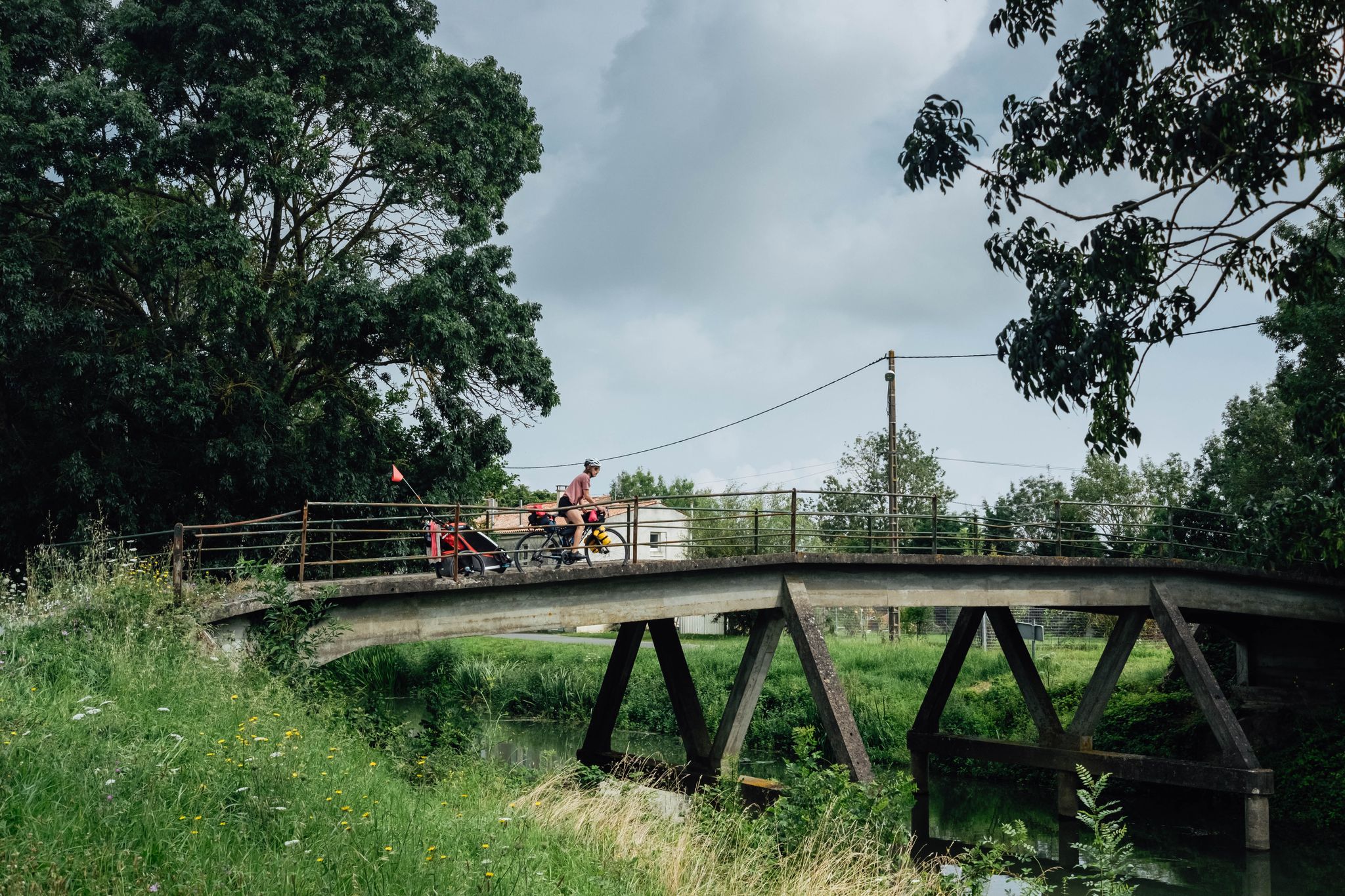


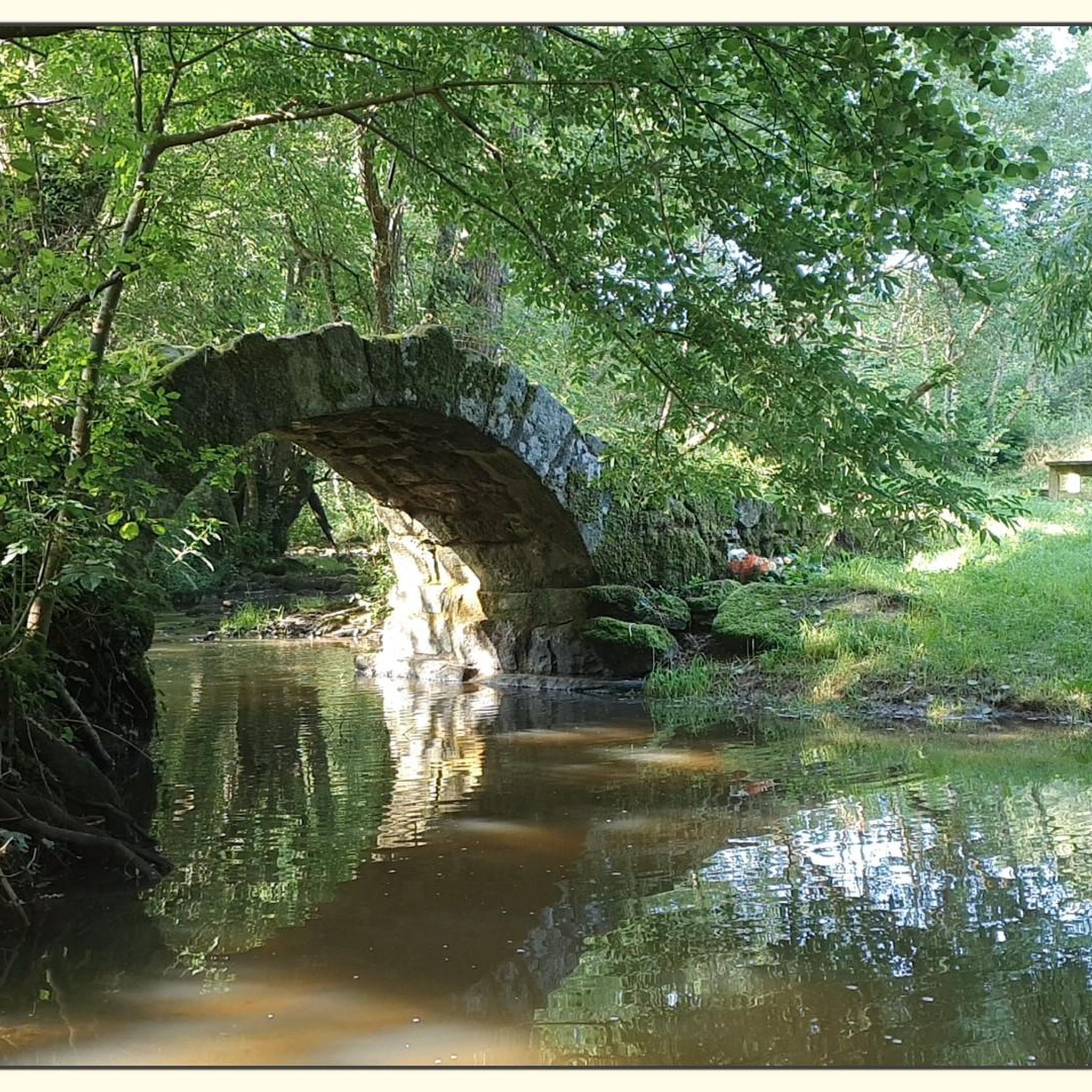
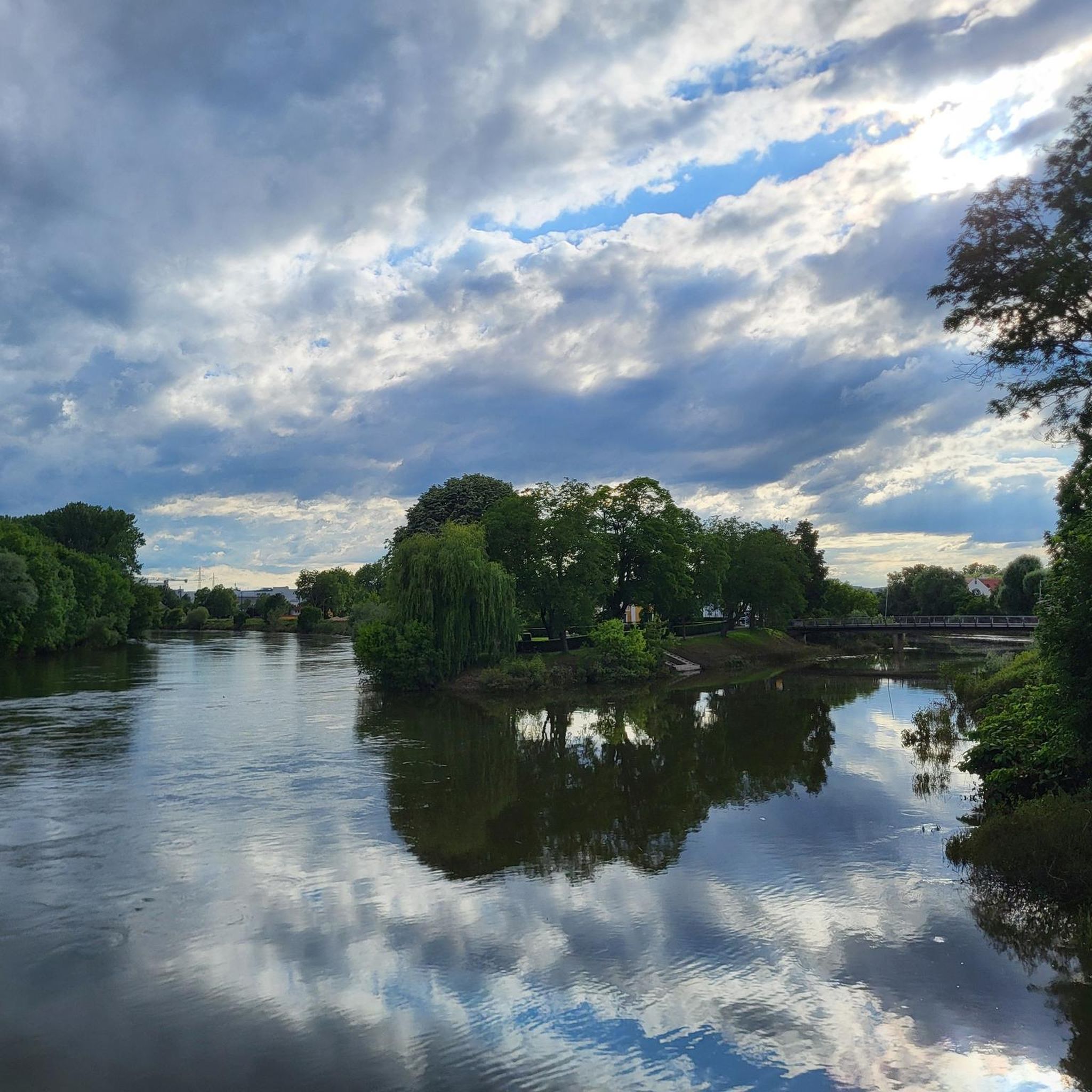
Other adventures around La Peyratte

Tips from the Community

The Church of Notre-Dame de La Peyratte was built in the early 12th century by the monks of the Abbey of Sainte-Croix de Talmont in the Diocese of Luçon. Its austerity, simplicity, and choice of building materials make it a fine example of the churches of Gâtine. The work involves the general restoration of the church in five phases, beginning with the exterior and then the interior. The project management was entrusted to the Marie-Pierre Nigués agency, a heritage architect. A diagnostic study conducted in 2016 by the Niguès firm estimated the total cost of the work at €1,619,783 excluding tax. Prior to the start of work, the church underwent an archaeological assessment in 2018 and a study of the painted decorations in September 2019. The Nouvelle-Aquitaine Regional Directorate of Cultural Affairs is subsidizing the first phase of exterior work, 45% in 2017, 50% in 2021, and 40% in 2022. The municipality is benefiting from an exceptional Local Investment Support Grant of €120,000 for the entire exterior work. The Nouvelle-Aquitaine Region and the Deux-Sèvres Departmental Council are financial partners in the project. A subscription is also open on the Heritage Foundation's website. The Regional Conservation of Historic Monuments – Poitiers site and the Deux-Sèvres Departmental Architecture and Heritage Unit of the DRAC are providing scientific and technical oversight for this restoration.
0
0

The Saint-Pardoux Church is an emblematic Romanesque building in the Dordogne region, particularly in Saint-Pardoux-et-Vielvic, and has been listed as a Historic Monument since 1925. Built in the 12th century, it retains its single barrel-vaulted nave and a choir with a semicircular apse. A major renovation carried out in the 17th-18th centuries redefined its western façade and added a bell tower arcade. 🏛️ Architecture and Heritage Plan and structure: a single nave preceded by a Romanesque choir, with a pointed barrel vault and triumphal arch resting on 13th-century engaged columns. Decoration: vegetal capitals and archivolts adorned with geometric motifs (chevrons, triangles, rays), typical of Auvergne Romanesque art. Bell tower: bell tower arcade or pediment, rebuilt in the 17th-18th centuries, typical of the Périgord region. ⛪ History Founded in the 12th century, the church was remodeled in the 13th century with the addition of side chapels and ribbed vaults. Its atypical structure—not oriented toward the east—reflects of a plan adapted to the terrain and the needs of the community
1
0
Things to See & Do Ramparts: With approximately 30 semicircular towers, the granite walls symbolize medieval urban robustness. Ruined Castle: All that remains of the castle is a round tower (perhaps the keep) and sections of walls restored since the 1980s. Panoramic Walk: The rampart path offers splendid views of the Thouet Valley and the Saint-Paul district.
1
0
History & Architecture Medieval Construction: Built in the early 13th century under the aegis of John Lackland, the citadel rests on a natural promontory reinforced by three defensive walls, towers, and ramparts. Castle and Bastion: Its original, isolated castle included towers such as the Powder Tower and the Harcourt Tower. In the 15th century, Arthur de Richemont added the bastille and an artillery boulevard. Citadel Gate (or Clock Gate): The gatehouse is flanked by two almond-shaped towers and topped with a clock tower. A granite staircase provides access to the guardroom and the patrol path.
1
0
The citadel of Parthenay, nicknamed the "little Carcassonne of the West", is one of the city's heritage jewels, perched on a rocky spur overlooking the bend of the Thouet River.
1
0

Better equipped than many campsites! The restrooms are super clean, and they even provide toilet paper and soap. The shower costs €1 (coin-operated) and runs for 8 minutes. Bike washing (including cleaner) is free. There's also a garage for bike parking, which you can lock if you have a lock with you. We loved it!
0
1

Includes bike wash, air, tools and stand, charging stations, plus some kind of app-operated bbq.
1
0

A friendly place organized by the community with toilets, electric recharges, bike shelters, tools and pump. You will find external electrical outlets and a plancha.
1
0
Frequently Asked Questions
How many road cycling routes are available around La Peyratte?
There are over 220 road cycling routes around La Peyratte, offering a wide range of options for different skill levels. This includes nearly 50 easy routes, over 160 moderate routes, and a few challenging options for experienced cyclists.
What is the typical terrain like for road cycling around La Peyratte?
The terrain around La Peyratte is quite diverse. You can expect a network of quiet roads that often feature some initial hilly sections, particularly as you navigate out of valleys, before opening up to flatter plains. The routes frequently pass through the picturesque Thouet valley and the scenic 'paysages de Gâtine', providing varied and engaging landscapes.
Are there any challenging road cycling routes for experienced riders?
Yes, for experienced riders seeking a challenge, there are a few difficult routes available. One notable option is the View of the Citadel – Sainte-Pezenne Footbridge loop from Parthenay. This extensive 97.8-mile (157.3 km) trail features significant elevation gain, offering a demanding ride through the region's varied terrain.
What kind of landmarks and natural features can I expect to see along the cycling routes?
Road cycling routes around La Peyratte offer a blend of natural beauty and historical interest. You can expect to see old water mills, windmills, and scenic viewpoints over the countryside, especially along the Thouet valley. Notable landmarks include the View of the Citadel Bridge in Parthenay, the historic Stone Ford of Rolland, and the tranquil Along the Thouet river itself. The nearby medieval city of Parthenay also offers historical sights like its Citadel.
Are there circular road cycling routes available?
Yes, many of the road cycling routes around La Peyratte are designed as loops, allowing you to start and finish in the same location. For example, the Vasles – Village of Sheep – Château de Boivre loop from Parthenay is a popular moderate circular route that guides cyclists through rural landscapes and historical points of interest.
What is the best time of year to go road cycling in La Peyratte?
The region is generally pleasant for cycling from spring through autumn. Spring offers lush green landscapes, while autumn provides beautiful foliage. Summers are typically warm and sunny, ideal for longer rides. Always check local weather forecasts before heading out.
Are there any family-friendly road cycling options around La Peyratte?
While many routes are designed for road bikes, some of the easier and flatter sections, particularly along the Thouet River, can be suitable for families with older children who are comfortable on roads. Always assess the route's difficulty and traffic levels to ensure it's appropriate for your family's experience.
Where can I find parking for road cycling routes in La Peyratte?
Many routes start from towns like Parthenay, where public parking is generally available. It's advisable to check specific starting points for routes on komoot for detailed parking information, as options can vary depending on the exact location.
Can I access road cycling routes in La Peyratte using public transport with my bike?
Public transport options that accommodate bicycles can be limited in rural areas like La Peyratte. While some regional trains or buses might allow bikes, it's best to verify with the specific transport provider in Deux-Sèvres beforehand. Driving to a starting point is often the most convenient option for cyclists with their own bikes.
What do other road cyclists say about their experience in La Peyratte?
The road cycling routes around La Peyratte are highly regarded by the komoot community, with an average rating of 3.5 stars from over 10 reviews. Cyclists often praise the quiet roads, the scenic beauty of the Thouet valley, and the diverse landscapes that make for an enjoyable and varied riding experience.
Are there places to stop for refreshments or food along the routes?
Yes, many routes pass through or near villages and towns where you can find cafes, bakeries, and restaurants. Parthenay, for instance, offers various options for refreshments. It's always a good idea to plan your stops in advance, especially on longer routes, as services can be sparse in more rural sections.
Can I cycle along the Vélo Francette in this region?
Yes, the Vélo Francette, a major long-distance cycling route, passes through the Deux-Sèvres region, including areas accessible from La Peyratte. This indicates well-maintained and signposted paths, offering an excellent opportunity to experience sections of this renowned route.
Are there any moderate-difficulty routes that offer a good balance of distance and scenery?
Absolutely. A popular moderate route is the Church of Vausseroux – Les Chateliers Pond loop from Parthenay. This 35.4-mile (57.0 km) trail takes you through rural churches and past natural ponds, offering a scenic and manageable ride for many cyclists.
Most popular routes around La Peyratte
Most popular attractions around La Peyratte

Get inspired with the komoot mobile app


Explore more
Browse the best Road cycling routes in other regions.
