The best road cycling routes around Le Theil-De-Bretagne
4.3
(45)
878
riders
21
rides
Road cycling around Le Theil-De-Bretagne offers routes through varied landscapes, characterized by bocage countryside, extensive forests, and tranquil ponds. The region features gentle undulations, with terrain ranging from 42m to 106m in altitude, providing engaging rides without overly strenuous climbs. Cyclists can expect quiet country roads winding through natural settings and past historical sites. The area's network of paths is suitable for different ability levels.
Best road cycling routes around Le Theil-De-Bretagne
- The most popular road cycling route is Fathers'…
Last updated: May 24, 2026
4.3
(4)
40
riders
Moderate road ride. Good fitness required. Mostly well-paved surfaces and easy to ride.
9
riders
84.5km
03:41
610m
610m
Moderate road ride. Good fitness required. Mostly well-paved surfaces and easy to ride.

Sign up for free
6
riders
Moderate road ride. Good fitness required. Mostly well-paved surfaces and easy to ride.
7
riders
Moderate road ride. Good fitness required. Mostly well-paved surfaces and easy to ride.
5.0
(1)
12
riders
Moderate road ride. Good fitness required. Mostly well-paved surfaces and easy to ride.
Get access to more routes and recommendations from other explorers.
Sign up for free
Already have an account?
Our route recommendations are based on thousands of hikes, rides, and runs completed by other people on komoot.
Start today with a free account
Your next adventure awaits.
Login or Signup




Tips from the Community

A small town of character, La Guerche-de-bretagne is full of charm, its cobbled streets inviting you to stroll among the half-timbered houses. Source: https://www.petitescitesdecaractere.com/cites/la-guerche-de-bretagne
0
0


The construction of this church began in the 10th century. In the 11th century a large fire destroyed a large part of the church, but later the church was rebuilt. It was rebuilt in the 16th and 17th centuries, possibly thanks to the generosity of the Dukes of Brissac. It has been a historic monument since 1974. There are statues of gargoyles on the facade which are quite remarkable. For mass it is the 1st Saturday of the month at 6:00 p.m.
0
0
The medieval village of La Guerche-de-Bretagne is famous for its lively Tuesday morning market and the remarkable architecture of its half-timbered houses. The weekly market remains one of the largest in France and is one of the three must-see markets in Ille-et-Vilaine. The tradition of markets in La Guerche dates back to 1121!
0
0
It is an artistic and cultural place. Built on the site of the feudal manor of Plessis-Guériff, the current castle dates from 1722. Partly destroyed during the Hundred Years' War, it has retained a 15th century wing which is still visible today. You can explore the sculpture park and take part in artistic workshops. It is also a hotel. For all information and reservations click here: https://www.chateaudesperes.fr/en
1
0
This river is a tributary of La VIlaine, sometimes called Petite Vilaine. The length of its watercourse is 27.8 km. It has its source in Saint-Pierre-la-Cour, in the department of Mayenne. The water quality is not very good according to laboratory analyses, so it is not recommended to swim there.
0
0

Here is the list of municipalities with burlesque or singing names: ANDOUILLÉ CASSANIOUZE THE HEAD MONCRABEAU MINJECEBES CLOCHEMERLE CUMONT SAINT ARNAC MARIOL LICKS MONTETON BOUZILLE VINSOBRES BEAUTIFUL THE QUIOU NOUVOITOU BALLS OLD LIFE MARANS ARNAC BURGUNDY ARNAC-LA-POSTE THE BLESSING-GOD SAINT POMPON CHANTEMERLE-SUR-LA-SOIE FOLLES VATAN
0
0
This church stands in the middle of the countryside, you can see it from afar, it is magnificent! The bell tower in the form of a "bulb", characteristic of the Byzantine style, made it pass for an Orthodox church, while it is just linked to the originality of the architect in 1875. Anecdote of the German occupation: in 1941, the Nazi propaganda filmed a film there ("Threshing wheat in Ukraine") to make believe in an advance of German troops in Ukraine (against the Soviet Union). Until 2011, the church was under the patronage of St. Peter the Apostle. On this date, his patronage was changed to that of Saint-Maximilien-Kolbé (1894-1941), a Polish priest with exceptional charisma, especially in the face of Nazism. Held in the Auschwitz concentration camp, he offered himself to take the place of a father sentenced to death. He was canonized (recognized as a "saint" by the Catholic Church in Rome) in 1982.
1
0
Frequently Asked Questions
What kind of terrain can I expect on road cycling routes around Le Theil-De-Bretagne?
Road cycling routes in Le Theil-De-Bretagne feature varied landscapes, including traditional bocage countryside, the extensive Forêt du Theil, and tranquil ponds like the Étang de La Rigaudière. The terrain offers gentle undulations, with altitudes ranging from 42m to 106m, providing engaging rides without overly strenuous climbs. You'll primarily find quiet country roads winding through natural settings.
How many road cycling routes are available in Le Theil-De-Bretagne?
There are over 40 road cycling routes around Le Theil-De-Bretagne listed on komoot. These routes cater to various skill levels, with 4 easy, 34 moderate, and 3 difficult options available.
Are there any family-friendly road cycling routes in the area?
Yes, the region offers routes suitable for families. Brittany, where Le Theil-De-Bretagne is located, is known for its greenways and quiet country roads that often follow towpaths or former railway lines, providing safe and comfortable paths. While specific 'family-friendly' routes are not explicitly detailed in the data, the presence of 4 easy routes suggests options for less experienced riders or families.
What historical landmarks or points of interest can I see along the cycling routes?
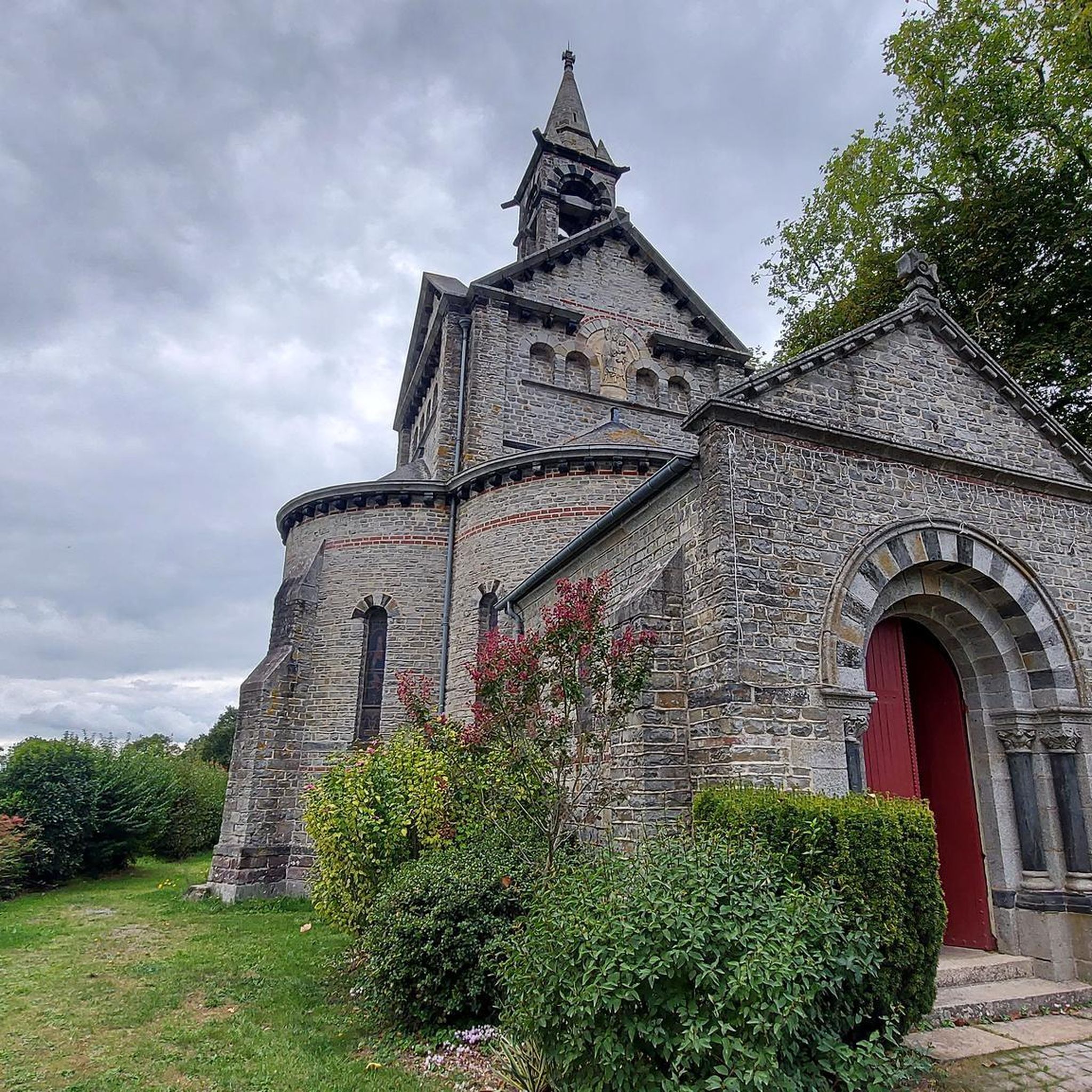
Many routes pass by significant historical and cultural sites. Just 4 km away, you can visit the notable La Roche-aux-Fées Dolmen, a megalithic site. Other attractions include the Château des Pères Sculpture Park and the Fathers' Castle. You might also encounter ancient manor houses, old mills, and churches like the neo-Romanesque Chapel of Beauvais.
What do other road cyclists enjoy most about cycling in Le Theil-De-Bretagne?
The area is highly rated by the komoot community, with an average score of 4.8 stars from over 10 reviews. Cyclists often praise the varied terrain, the quiet country roads, and the opportunity to explore both natural landscapes and historical sites. Over 160 road cyclists have used komoot to explore the region's diverse routes.
Are there any long-distance road cycling options near Le Theil-De-Bretagne?
Yes, the broader Brittany region is well-regarded for long-distance cycling, boasting 2,700 km of marked routes. While Le Theil-De-Bretagne itself offers routes up to 124 km, such as the Fathers' Castle – Châteaugiron Castle loop from Le Theil-de-Bretagne, you can connect to the wider regional network for even longer excursions. For more information on long-distance routes in Brittany, you can visit Brittany Tourism or France Vélo Tourisme.
Can I find circular road cycling routes around Le Theil-De-Bretagne?
Yes, many of the road cycling routes around Le Theil-De-Bretagne are designed as loops, allowing you to start and end in the same location. Examples include the popular Fathers' Castle – Saint-Maximilien-Kolbé Church loop from Le Theil-de-Bretagne and the La Guerche-de-Bretagne loop from Le Theil-de-Bretagne.
What is the best time of year for road cycling in Le Theil-De-Bretagne?
The region's landscape transforms with the seasons, offering different experiences. Spring and autumn generally provide pleasant temperatures and beautiful scenery, with the Forêt du Theil displaying vibrant colors. Summer is also suitable, though it can be warmer, and the shaded forest roads offer a welcome respite. Always check local weather forecasts before heading out.
Are there any challenging road cycling routes for experienced riders?
Yes, for more experienced cyclists seeking a challenge, there are difficult routes available. One such route is the Fathers' Castle – Châteaugiron Castle loop from Le Theil-de-Bretagne, which covers over 124 km with significant elevation gain, offering a demanding ride through the region's varied landscapes.
What natural features can I expect to see while cycling?
Cyclists can enjoy the natural beauty of the Forêt du Theil, a 400-hectare forest providing shaded roads and opportunities to observe wildlife like deer and rabbits. Routes also often pass by tranquil bodies of water, such as the Étang de La Rigaudière, offering picturesque views. The traditional bocage landscapes with their hedgerows and scattered trees are also a prominent feature.
Is public transport available to access road cycling routes in Le Theil-De-Bretagne?
While specific public transport options for bikes directly to trailheads in Le Theil-De-Bretagne are not detailed, the broader Brittany region promotes cycle tourism with accessible paths. It's advisable to check local transport services for their bike carriage policies if you plan to use public transport to reach the starting points of routes.
Are there any routes that pass through charming villages or offer local cultural experiences?
Many road cycling routes in the area are designed to lead through quaint villages and hamlets, allowing cyclists to experience local culture and see traditional Breton houses. These routes often incorporate historical elements like ancient manor houses and churches, providing a rich cultural backdrop to your ride.
Most popular routes around Le Theil-De-Bretagne
Most popular attractions around Le Theil-De-Bretagne

Get inspired with the komoot mobile app


Explore more
Browse the best Road cycling routes in other regions.
