The best walks and hikes around Maxey-Sur-Meuse
4.4
(42)
190
hikers
40
hikes
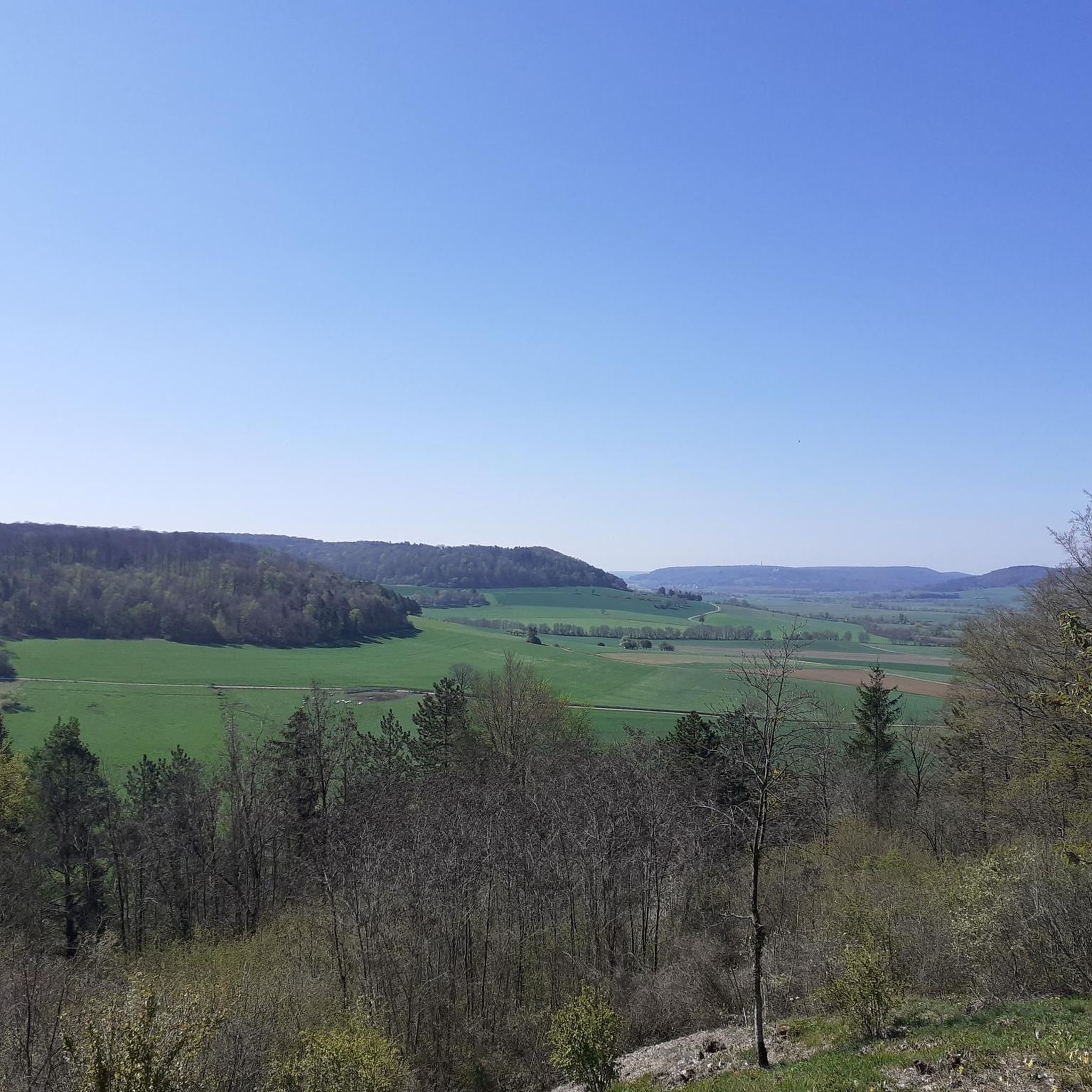
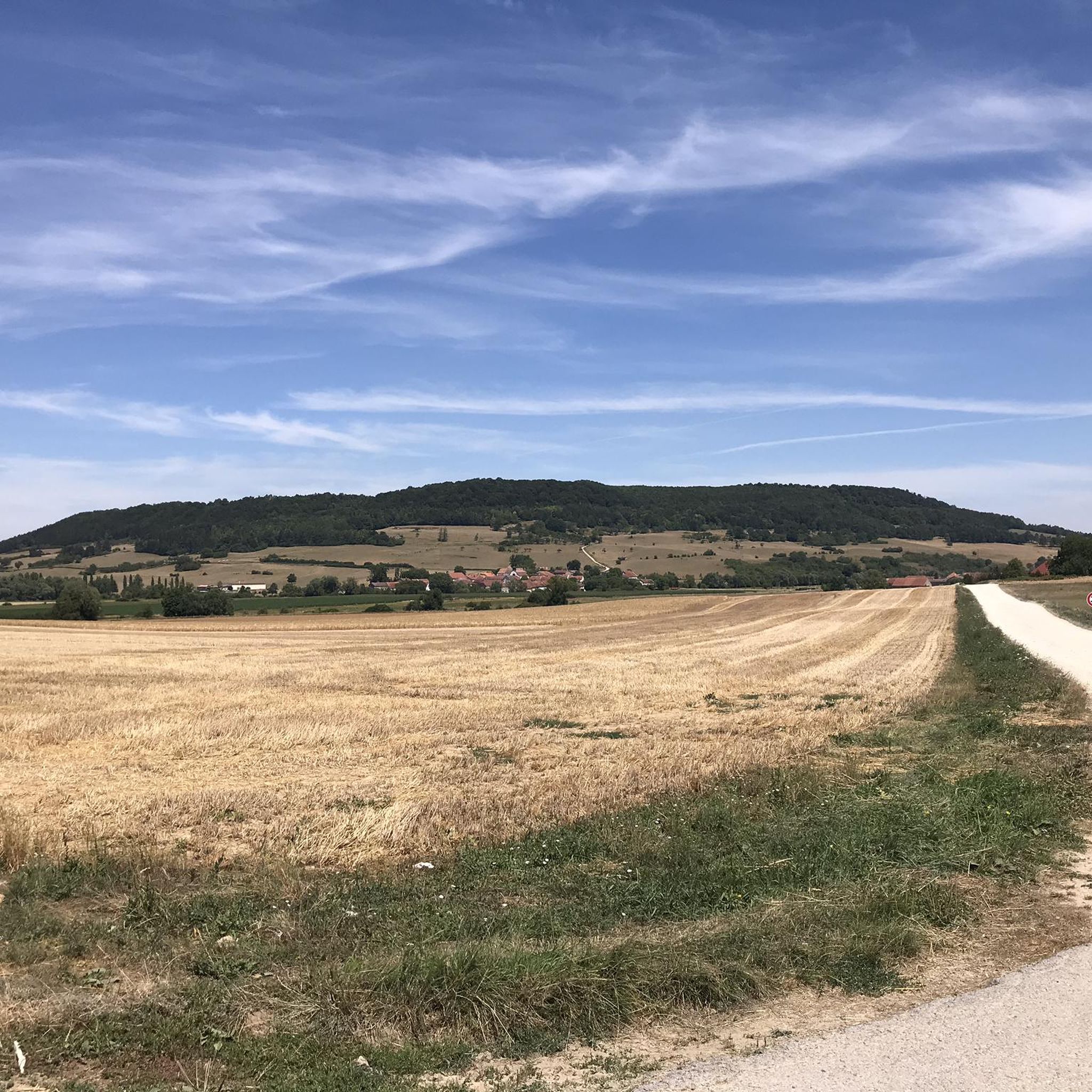
Hiking around Maxey-Sur-Meuse offers diverse landscapes shaped by the Meuse river and its tributaries, including the Vair, Roises, Vau, and Blanchonrupt. The region features the "Coteaux calcaires de l'Ouest des Vosges," which are calcareous hillsides with unique flora and steep ascents. Hikers can explore varied terrain, from narrow valleys like the Frézelle and cliff-lined Mouzon valley to broader Meuse valley meanders and deciduous forests on plateaus. This area provides a range of natural features for outdoor exploration.
Best hiking trails…
Last updated: July 2, 2026
4.0
(4)
12
hikers
Moderate hike. Good fitness required. Easily-accessible paths. Suitable for all skill levels.
4.5
(2)
13
hikers
21.0km
05:46
340m
340m
Hard hike. Very good fitness required. Easily-accessible paths. Suitable for all skill levels.

Sign up for free
4.5
(2)
12
hikers
Moderate hike. Good fitness required. Easily-accessible paths. Suitable for all skill levels.
5.0
(1)
12
hikers
Moderate hike. Good fitness required. Easily-accessible paths. Suitable for all skill levels.
5.0
(1)
10
hikers
Moderate hike. Good fitness required. Easily-accessible paths. Suitable for all skill levels.
Get access to more routes and recommendations from other explorers.
Sign up for free
Already have an account?
Our route recommendations are based on thousands of hikes, rides, and runs completed by other people on komoot.
Start today with a free account
Your next adventure awaits.
Login or Signup
Tips from the Community

The basilica is a landmark offering sweeping views over the Meuse Valley. Inside the church, large paintings depict scenes from the life of Joan of Arc.
2
0

⚜️ The Story of Joan of Arc ⚜️ She was born in Domrémy-la-Pucelle in 1412 to a peasant family. At the age of 13, she began hearing voices telling her to save France from the English. She left her village to seek help from King Charles VII and reclaim the French throne. Joan of Arc successfully convinced King Charles VII to grant her an army. She led this army to several victories against the English, including the liberation of Orléans in 1429. This victory marked a turning point in the Hundred Years' War and led to the defeat of the English. Joan of Arc was captured by the English in 1430. She was tried and burned at the stake in 1431 in Rouen. However, her popularity continued to grow after her death. She was canonized by the Catholic Church in 1920.
2
0

The Basilica of Bois-Chenu (Roman Catholic) is a gigantic monument in Domremy-La-Pucelle. It is also called the Basilica of Sainte Joan of Arc. It is located about 11 km from Neufchâteau on an idyllic hill in the Vosges Mountains. From this wooded hill, you can enjoy a magnificent view of the Meuse Valley, surrounded by numerous blooming orchids. The birthplace of France's national heroine is also nearby. The massive basilica was built from pink granite from the Vosges Mountains! Bronzes of Joan of Arc and her family stand in the forecourt of the basilica.
1
0
A beautiful Roman Catholic basilica built in honor of Joan of Arc, a very young resistance fighter during the Hundred Years' War between England and France. Accused of witchcraft at just 19 years old, she was tortured and burned at the stake. She was later beatified and canonized, and is venerated by the French people to this day.
1
0
Joan of Arc was a resistance fighter during the Hundred Years' War, an armed conflict between England and France. She is venerated as the Maid of Orleans in France. It is said that Joan was a very young, small woman dressed in men's clothing with short hair. From an early age, she was guided by divine voices. In 1431, she was sentenced to death for witchcraft and burned at the stake at the age of just 19. In 1920, she was canonized by the Pope. Statues, monuments, and museums in her honor can be found throughout the country.
1
0
In this town, you'll visit the birthplace of the French heroine Joan of Arc. This simple house is adorned with a beautiful small garden and a statue of the Maid of Orleans. Opposite is the church with Joan's baptismal font. An interesting historical museum can also be visited. A contemporary historical event on our Meuse bike tour
2
0

The gate is open from 9am to 6pm and there is no admission charge
0
0

Joan of Arc's birthplace dates back to the 15th century and is now a listed building. Right next door is the new "Faces of Joan" presentation center, redesigned in 2020. Here, you can experience a detailed tour that paints a comprehensive picture of Joan—from her childhood in Domrémy to current adaptations of her story.
1
0
Frequently Asked Questions
What kind of terrain can I expect on hikes in Maxey-sur-Meuse?
The region around Maxey-sur-Meuse offers a diverse landscape. You'll find trails along the picturesque Meuse river and its tributaries, as well as through the unique "Coteaux calcaires de l'Ouest des Vosges" – calcareous hillsides known for their dry grasslands and protected flora, which can feature steep ascents and rocky outcrops. The area also includes varied deciduous forests on plateaus and distinct valleys like the narrow Frézelle and the cliff-lined Mouzon.
Are there any family-friendly hiking options in Maxey-sur-Meuse?
Yes, there are several easier routes suitable for families. For example, the Bois-Chenu Basilica – Bois-Chenu Basilica loop from Domrémy-la-Pucelle is an easy 3.6 km trail that takes just over an hour to complete, offering a pleasant walk through forested hillsides.
What are some notable landmarks or viewpoints along the hiking trails?
Many trails offer views of the Meuse valley and its meanders. You can explore historical sites related to Joan of Arc, such as her Birthplace and the Bois-Chenu Basilica, which are often integrated into hiking routes. The region's calcareous hillsides also provide panoramic vistas, and some routes, like those near the Mouzon valley, feature natural curiosities such as the "grotte d'enfer" (hell's cave).
Are there any circular hiking routes available?
Yes, many of the trails around Maxey-sur-Meuse are designed as circular routes, allowing you to start and end at the same point. Examples include the Joan of Arc Monuments – Birthplace of Joan of Arc loop from Domrémy-la-Pucelle, which is a moderate 7.3 km trail, and the Basilica of Saint Joan of Arc – Bois-Chenu Basilica loop from Domrémy-la-Pucelle, covering 10.6 km.
What is the best time of year to go hiking in Maxey-sur-Meuse?
The region is beautiful throughout the warmer months. Spring brings blooming orchids to the calcareous hillsides, while summer offers calm conditions along the Meuse river. Autumn provides vibrant fall foliage in the deciduous forests. The Meuse river can become more 'untameable and capricious' from autumn, which might affect some riverside paths, but generally, spring to autumn offers the most pleasant hiking conditions.
What is the typical duration of hikes in this area?
Hiking durations vary widely depending on the trail. You can find shorter, easy walks like the Bois-Chenu Basilica loop, which takes just over an hour. Moderate trails, such as the Joan of Arc Monuments loop, typically take around 2 hours. For more challenging and longer excursions, routes like the Le Clos Domremy – Notre-Dame de Bermont Chapel loop can take over 5 hours to complete.
Are there any trails that offer views of the Meuse river?
Absolutely. The Meuse river is a defining feature of the region, and many trails follow its course or offer elevated viewpoints. The region research mentions the broad, majestic Meuse valley with its superb meanders, providing ample opportunities for river views. The EuroVelo 19 (Meuse Cycle Route) also runs through the area, and while primarily for cycling, sections can be enjoyed by hikers for riverside exploration.
What do other hikers enjoy most about the trails in Maxey-sur-Meuse?
The trails in Maxey-sur-Meuse are highly rated by the komoot community, with an average score of 4.5 stars from over 37 reviews. Hikers often praise the diverse landscapes, from river valleys to calcareous hillsides and forests, and the integration of historical sites like those related to Joan of Arc into scenic routes.
Are there any challenging hikes for experienced trekkers?
Yes, for experienced hikers looking for a challenge, there are more difficult routes. The Le Clos Domremy – Notre-Dame de Bermont Chapel loop from Jubainville is a difficult 21.0 km path that offers extensive views and varied terrain through the region's valleys and plateaus, typically taking over 5 hours to complete.
Can I find trails that lead to historical sites or cultural points of interest?
Many trails in the area incorporate historical and cultural sites. The region is notably associated with Joan of Arc, and you can find routes that visit her birthplace, the Birthplace of Joan of Arc, and the Bois-Chenu Basilica. Some routes also pass by historical churches or chapels, such as the Chapel of Notre-Dame-du-Pilier de Saragosse and the church of Pompierre, as mentioned in the region's hiking descriptions.
Are there opportunities for wild swimming or water activities after a hike?
While the Meuse river is a prominent feature, the region research highlights its popularity for fishing. The broader Grand Est region promotes water-based activities like boating and canoeing. However, specific information about designated wild swimming spots directly after a hike is not readily available. Always exercise caution and check local regulations before entering natural waters.
What are the unique natural features I might encounter on a hike?
Hikers can discover several unique natural features. The "Coteaux calcaires de l'Ouest des Vosges" are dry, south-facing grasslands home to rare and protected flora, including various species of orchids. The region also boasts diverse valleys, from the narrow and deep Frézelle valley to the cliff-lined Mouzon valley, and rare ecosystems like wet meadows and alkaline bogs in the valley bottoms.
Most popular attractions around Maxey-Sur-Meuse

Get inspired with the komoot mobile app


Explore more
Browse the best Hikes in other regions.
