Attractions and Places To See around Castres - Top 20
Attractions and places to see around Castres offer a blend of historical significance and natural landscapes in the Tarn department of southern France. The city is known for its picturesque houses along the Agout River, earning it the moniker "Little Venice of Languedoc." Visitors can explore the unique geological formations of the Sidobre Plateau or the diverse ecosystems of the Haut-Languedoc Regional Natural Park. Castres provides a rich experience for those interested in history, culture, and outdoor activities.
Best attractions…
Last updated: August 17, 2026
Basilique Saint-Quentin
Highlight • Religious Site
When we enter the church we stand hesitantly for a moment before the octagonal labyrinth inlaid …
Translated by Google •
Tip by

Saint-Quentin war memorial
Highlight • Monument
Translated by Google •
Tip by

Sign up now to discover places like this
Get recommendations on the best single tracks, peaks, & plenty of other exciting outdoor places.
Sign up for free
Isle Park
Highlight • Trail
Tip by

Parc des Champs Elysées
Highlight • Natural
Translated by Google •
Tip by
Seraucourt-le-Grand
Highlight • Other
Translated by Google •
Tip by

Sign up for free to discover even more attractions around Castres.
Sign up for free
Already have an account?
Start today with a free account
Your next adventure awaits.
Login or Signup




Tips from the Community

A beautifully crafted monument.
0
0

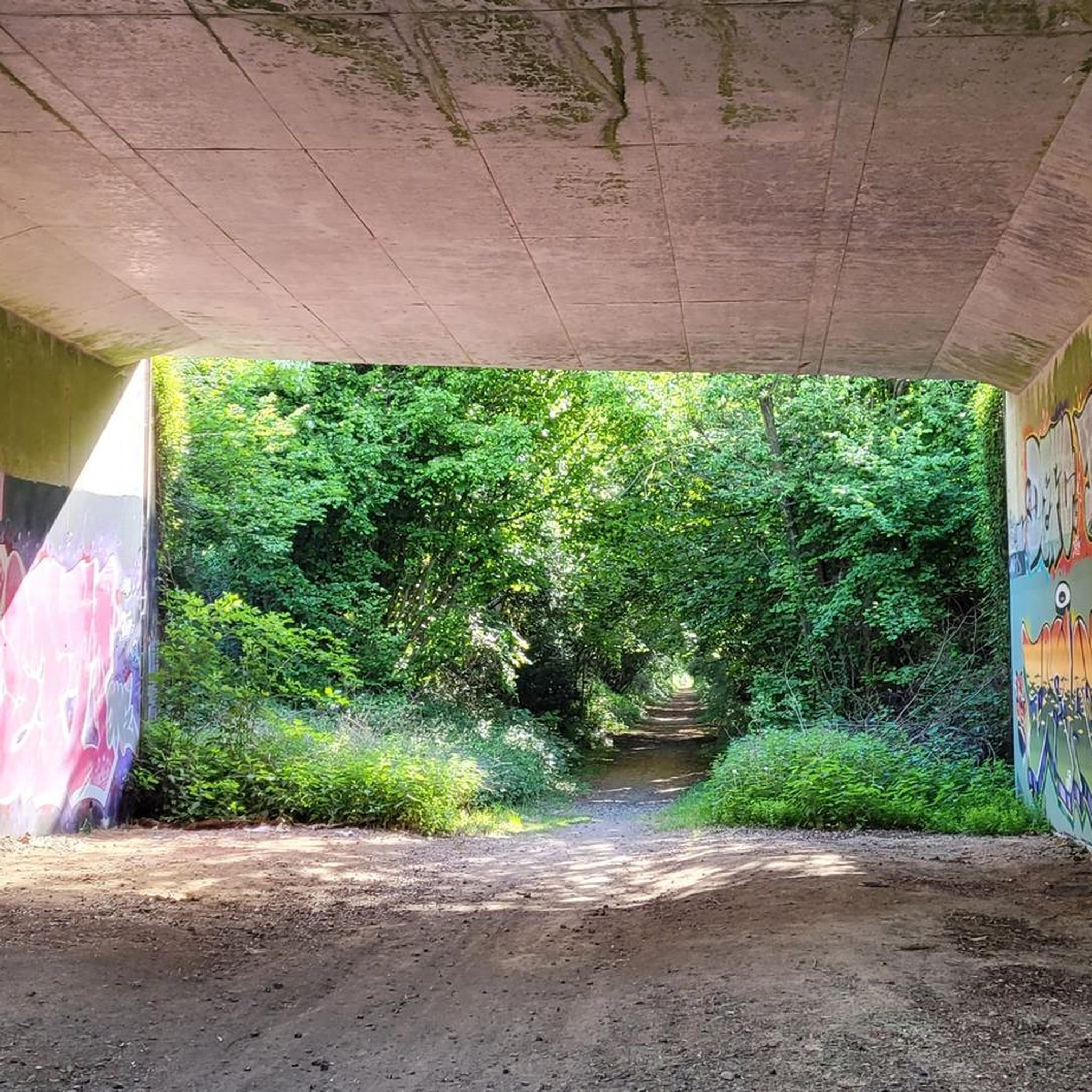
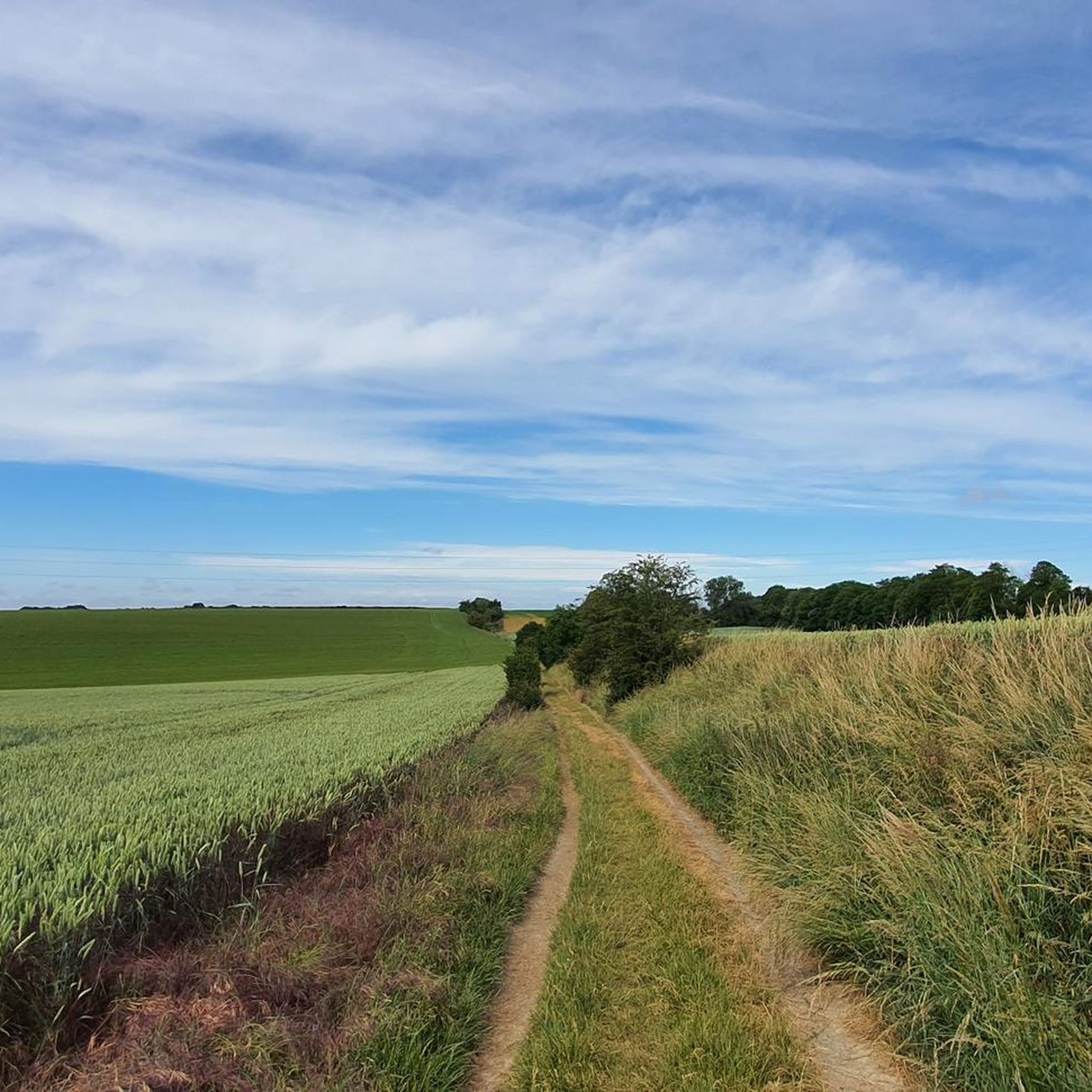
Hello. This is a beautiful hike through nature and a nice park for recreation. the hike runs along a canal and a marshland with well-passable hiking trails. This hike is highly recommended !!!!!!!!!!!!!
0
0

The listed building is striking for its original architecture with a porch tower over 34 meters high, a double transept or a radio-concentric choir. Inside, the visitor is seduced by the ancient 260 m long labyrinth engraved in the paving of the nave. Stained glass windows installed at different times complete the artistic offer of the Saint-Quentin Basilica, with in particular medieval stained glass windows in the apse chapels dating from the 12th century. These depict episodes from the life of the Virgin Mary and Saint Stephen.
2
0

The Basilique Saint-Quentin is a beautiful Gothic church in the heart of Saint-Quentin, France. Built between the 12th and 15th centuries, this basilica is dedicated to the martyr Saint Quentin. With an impressive 133 meters long and 40 meters high, it is a real eye-catcher. What makes this basilica really special are the unique architectural elements such as the tower-portico at the front, the double transept, and the choir with radiating chapels. Inside, you will also find an ancient labyrinth of 260 meters in the floor of the nave, which is a fascinating detail. The basilica has a rich history and contains the relics of Saint Quentin, who were an important object of veneration in the Middle Ages. Although the building was badly damaged during the First World War, it was reopened in 1956 after extensive restoration.
1
0
Important for pilgrims: here you will also find a food shop on Sundays.
8
0
Stage 73 of Sigeric on his Via Francigena pilgrimage. Here is the end of the stage VFF14 Via Vrancigena France). In Seraucourt-le-Grand we cross the Somme. It owes its ancient name, "Serodi Curtis", to the Gallo-Romans who founded two of these famous villae, farms, around the 2nd century, who gave it the suffix "-COURT", as with many other villages. Traces of a Merovingian cemetery are also said to have been found.
8
0

As a memorial to the many dead, such a "MONUMENT AUX MORTS" (usually called a "Central Memorial" or "War Memorial" in German-speaking countries) is still very important today. "Now, Lord, you let your servant depart in peace, as you have said..." it says in the so-called "Hymn of Simeon" (Luke's Gospel, Chapter 2, Verse 29). However, the people who are remembered here did not depart in peace, but became victims of war and tyranny. Therefore, the term "fallen memorial" is now sometimes used instead of the "war memorial" that was previously common in German. In the French-speaking world, however, this aspect of commemoration of the dead has long been included in the most commonly used term "MONUMENT AUX MORTS". Regardless of language and nation, such a memorial has two important and at the same time everlasting tasks: -1- to keep the memory of the suffering and horror of war alive, -2- and to remind people of the need to maintain peace in the long term.
2
0
In my opinion, this bike highlight is identical to the following: https://www.komoot.com/de-de/highlight/4657565
1
0
Frequently Asked Questions
What are some unique architectural sights in Castres?
Castres is famous for its picturesque Maisons sur l'Agout, colorful half-timbered houses leaning over the Agout River, often compared to Venice. You can also admire the impressive former Bishop's Palace, designed by Jules Hardouin-Mansart (architect of Versailles), and the 17th-century Castres Cathedral (Église Saint-Benoit).
Where can I experience nature and outdoor activities near Castres?
Just outside Castres, you'll find the unique geological formations of the Sidobre Plateau, Europe's largest granite plateau, perfect for exploring unusual rock formations. The Haut-Languedoc Regional Natural Park offers extensive hiking trails, forests, and opportunities for water sports. Within the city, Gourjade Park provides large green spaces, a lake, and recreational facilities. For cycling, the Passa Païs Greenway offers a scenic route on an old railway line. You can find various routes for hiking, MTB, and gravel biking around Castres.
Are there any family-friendly attractions in Castres?
Yes, Isle Park is a popular choice, offering a variety of trails, a free zoo, a farm, and a conservation center. Gourjade Park also provides a peaceful retreat with expansive green spaces and recreational facilities suitable for families. Anatole Park is another vibrant option with amusements and green spaces for all ages.
What historical sites can I visit in Castres?
Beyond the picturesque houses, Castres offers several historical sites. The Goya Museum, housed in the former Bishop's Palace, features an impressive collection of Spanish art. The Jean Jaurès Centre is dedicated to the influential socialist leader born in Castres. You can also visit the 12th-century Basilique Saint-Quentin, known for its Gothic architecture and an octagonal labyrinth inlaid in its nave floor. The Saint-Quentin war memorial is a unique monument commemorating soldiers from various conflicts.
What museums are worth visiting in Castres?
The Goya Museum is a must-visit, boasting the second-largest collection of Spanish art in France after the Louvre, including works by Goya, Velázquez, and Murillo. The Jean Jaurès Centre provides insights into the life of the famous socialist leader and French history. For archaeology enthusiasts, the CERAC – Archéopôle in Gourjade Park showcases exhibitions on the city's history from the Palaeolithic period to the 20th century.
Can I find formal gardens in Castres?
Yes, the Jardin de l'Évêché (Bishop's Gardens) offers a serene retreat. These classical French formal gardens were designed by André Le Nôtre, who also designed the gardens at Versailles, featuring manicured hedges and symmetrical patterns.
What are some interesting day trips from Castres?
The Sidobre Plateau, with its unique granite boulders, is a fascinating natural excursion. You could also visit Hautpoul, a medieval village offering panoramic views and a glimpse into regional history. For a unique underground experience, the Gouffre Géant de Cabrespine is one of Europe's most beautiful caves. The charming medieval village of Lautrec, known for its pink garlic, is about 30 minutes away. Further afield, the UNESCO World Heritage city of Albi, with its impressive brick cathedral and Toulouse-Lautrec Museum, is also a worthwhile visit.
Is Castres known for any specific natural wonders?
Castres is particularly known for the nearby Sidobre Plateau, a unique geological formation. It's Europe's largest granite plateau, famous for its enormous, unusually shaped granite boulders that have been sculpted by millennia of erosion.
Are there any accessible attractions in Castres?
The Saint-Quentin war memorial is noted as being wheelchair accessible. For other attractions, it's advisable to check specific accessibility details directly with the venue.
What do visitors enjoy most about Castres?
Visitors particularly enjoy the unique charm of the Maisons sur l'Agout and the cultural richness of the Goya Museum. The natural beauty of the Sidobre Plateau and the recreational opportunities at Isle Park are also highly appreciated by the komoot community, with many photos and upvotes shared.
What kind of cycling routes are available around Castres?
Castres offers diverse cycling opportunities. The Passa Païs Greenway is a popular choice, built on an old railway line, providing a scenic and generally flat route through trees. For those seeking more challenging rides, there are numerous MTB trails and gravel biking routes in the surrounding area, including paths along the Canal de Saint-Quentin.
Where can I find a tranquil spot for relaxation in Castres?
The Jardin de l'Évêché, with its classical French design by André Le Nôtre, offers a serene and beautiful environment for relaxation. Additionally, Gourjade Park provides expansive green spaces and a tranquil lake, perfect for a peaceful retreat.
Most popular routes around Castres

Get inspired with the komoot mobile app


Explore more
Still not found the Highlight you’re looking for? See guides of the top attractions in other regions:
