Attractions and Places To See around Chamouille - Top 20
Best attractions and places to see around Chamouille include a blend of historical sites, natural features, and cultural experiences. This charming village in the Hauts-de-France region is characterized by its significant historical landmarks and the tranquil Lac d'Ailette. The area offers opportunities to explore medieval architecture and sites important to both Napoleonic and World War I history. Visitors can discover a diverse landscape that combines historical depth with natural beauty.
Best attractions and places to see around Chamouille
- The most popular attractions is Vauclair Abbey Ruins, a historical site that was founded in 1134 by St. Bernard and severely damaged in 1917. Well-preserved buildings like the pantry, refectory, chapter house, and monks' hall are still visible, surrounded by the 1000-hectare monastic forest of Vauvelair.
- Another must-see spot is Porte d'Ardon, a man-made monument and one of the medieval city gates of Laon, dating from the 13th and 14th centuries. It features a châtelet with a portcullis, and some original fountains and washhouses beneath the gate still exist.
- Visitors also love Porte de Soissons, a medieval city gate in Laon built in the early 13th century. This fortified gate closed one of the main accesses to the west of the medieval town and remains a notable example of medieval military architecture.
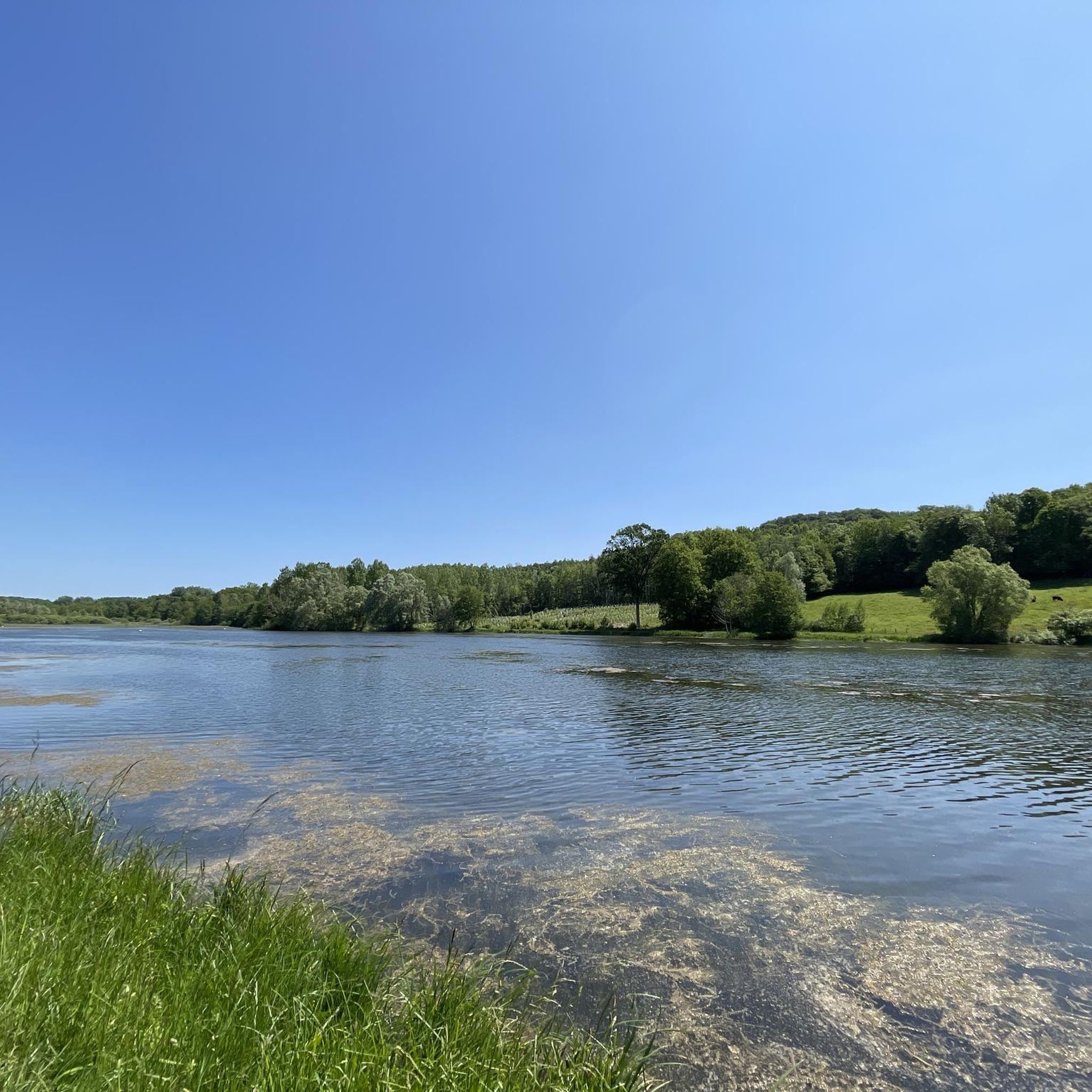
- Chamouille is known for its historical sites, including abbey ruins and medieval city gates, alongside natural attractions like Lac d'Ailette. The region offers a variety of attractions to see and explore, from historical monuments to scenic landscapes.
- The attractions around Chamouille are appreciated by the komoot community, with over 100 upvotes and 80 photos shared by visitors.
Last updated: August 25, 2026
Vauclair Abbey Ruins
Highlight • Historical Site
Translated by Google •
Tip by

Porte d'Ardon
Highlight • Monument
Translated by Google •
Tip by
Sign up now to discover places like this
Get recommendations on the best single tracks, peaks, & plenty of other exciting outdoor places.
Sign up for free
California Plateau
Highlight • Viewpoint
Translated by Google •
Tip by
Morlot Battery
Highlight • Monument
Today a nice picnic spot with a beautiful view of the surroundings. From here you can also see the cathedral.
Translated by Google •
Tip by
Porte de Soissons
Highlight • Other
Translated by Google •
Tip by
Sign up for free to discover even more attractions around Chamouille.
Sign up for free
Already have an account?
Start today with a free account
Your next adventure awaits.
Login or Signup

Tips from the Community

Hidden in the middle of the forest, this Cistercian abbey, founded in 1134 by Bernard of Clairvaux, appears like a mirage. Its majestic ruins bear witness to a turbulent past. From the Hundred Years' War and the French Revolution to the First World War, the abbey suffered considerable destruction. In the 1960s, the site was overgrown with brambles and forgotten. Thanks to the archaeological excavation group "Sources" led by Father Courtois, it experienced a rebirth.
1
0
The Plateau de Californie in the heart of the Chemin des Dames is, like Verdun, a symbolic site of the First World War. However, while Verdun was quickly elevated to a national symbol of victory, the Plateau de Californie and the Chemin des Dames were long associated with the bitter failure of the Nivelle Offensive in April 1917, the subsequent mutinies, and the collapse in the summer of 1918, and were subjected to a process of exclusion, forgetting, and repression after the First World War. Before 1914, the Plateau de Californie, above the former village of Craonne, was a place for walks and recreation. After the war, pine trees were planted on the plateau, classified as a "red zone", as the land could no longer be cultivated. Today's visitors can follow the marked paths, discovering remnants of trenches and shell craters. Thematic information panels on the First World War, reading panels, and panoramic views of the Aisne valley now line the plateau along this marked hiking trail. Source: https://www.chemindesdames.fr
1
0
The fort was built in 1878 by Séré de Rivières to enable military communication with other forts in the Laonais. The core was an optical telegraph, consisting of a petroleum lamp and a set of mirrors, with which sunbeams could be captured and directed. This allowed messages to be sent to six surrounding forts, which were invisible to the enemy below. From this hill, you have a magnificent view of the lower town of Laon and the Chemin des Dames! Source: https://www.tourisme-paysdelaon.com
1
0

The Plateau de Californie, situated above the ruined village of Craonne, was a strategic high point during the First World War. In April 1917, it became the scene of fierce fighting during the Nivelle Offensive. French troops suffered heavy losses here in their attempt to break through the German lines.
5
0


Here we explain a lot about the war of attrition in the First World War. The whole area was very much fought over and there are many places where this is remembered.
1
0
The Porte d’Ardon is one of the medieval city gates of Laon. The current structure dates from the 13th and 14th centuries. Originally, this gate was called “Porte Royée” because of its proximity to the royal palace of Laon. The gate consists of a châtelet with a portcullis and used to have doors. There was also a barbican, but this has now disappeared. Under the gate there was a fountain and wash houses, some of which still exist. The Porte d’Ardon was classified as a historical monument in 1909.
10
0
Frequently Asked Questions
What historical landmarks can I explore around Chamouille?
The region is rich in history. You can visit the ancient Vauclair Abbey Ruins, founded in 1134, which still features well-preserved buildings and a medicinal plant garden. Other significant sites include the Ferme d'Hurtebise War Memorial, a crucial site from the Napoleonic Wars and World War I, and the Napoleon Statue in Craonne, commemorating a French victory in 1814.
Are there any medieval city gates to see in the area?
Yes, the nearby city of Laon boasts impressive medieval city gates. You can explore Porte d'Ardon, dating from the 13th and 14th centuries with its châtelet and portcullis, and Porte de Soissons, an early 13th-century fortified gate that once closed a main access to the medieval town.
What natural features and outdoor spaces are available near Chamouille?
Chamouille is known for its natural beauty, particularly the tranquil Lac d'Ailette, perfect for kayaking, paddleboarding, or birdwatching. You can also find panoramic views at Signal de Chamouille, or enjoy peaceful strolls in Champ des Oiseaux Park. For more extensive outdoor experiences, the Picardy Regional Park and Parc Naturel Régional de l'Avesnois are within reach.
What kind of outdoor activities can I do around Chamouille?
The area offers a variety of outdoor activities. You can enjoy scenic cycling trails that wind through picturesque landscapes. For those who prefer running, there are numerous running trails around Chamouille, including routes around Lac d'Ailette. Gravel biking is also popular, with gravel biking routes available, and general cycling routes for all levels.
Are there family-friendly attractions in Chamouille?
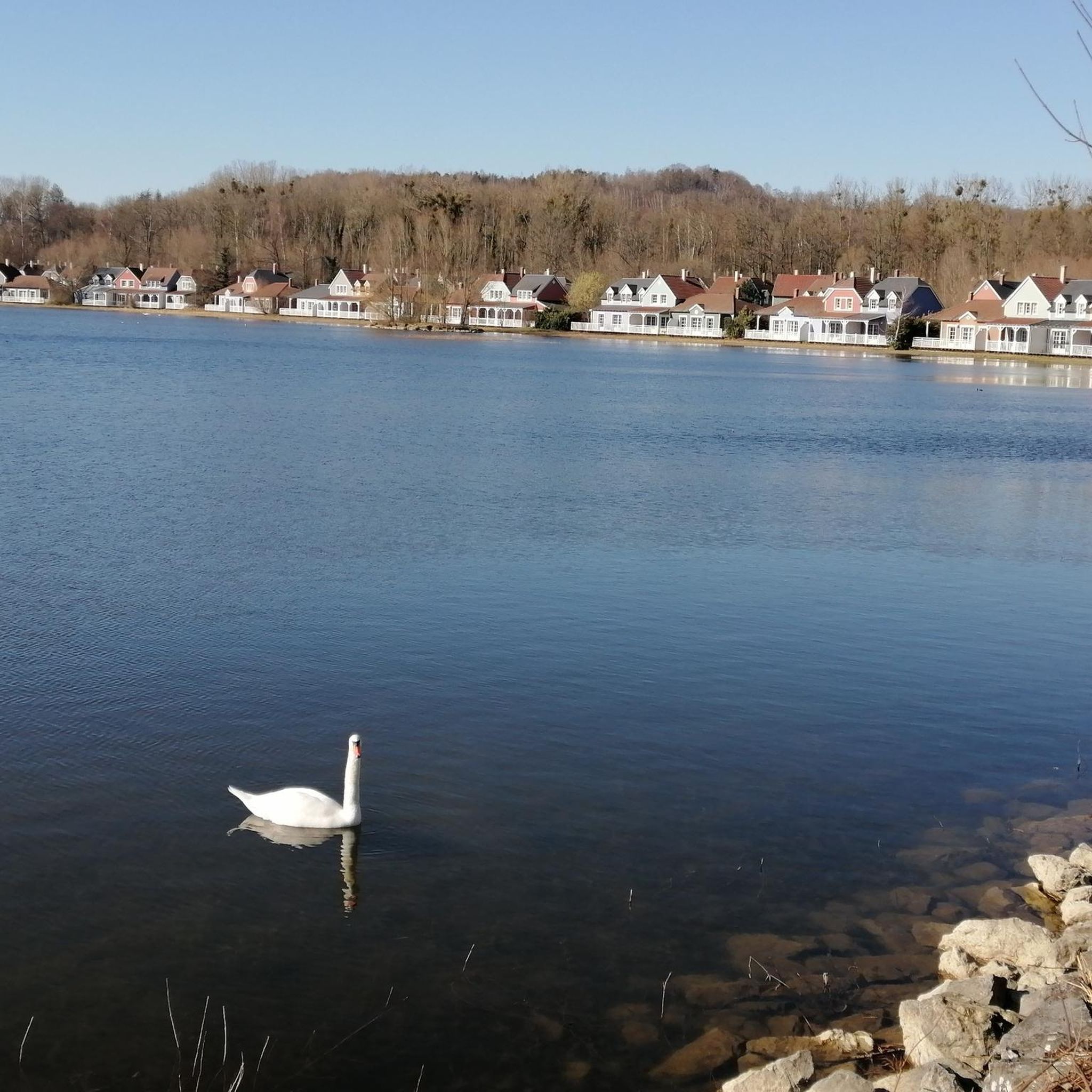
Yes, Chamouille offers several family-friendly options. The Lac d'Ailette is home to Center Parcs' Le Lac d'Ailette, a holiday park with various activities. Families can also enjoy the adventure trail with high ropes and zip lines, or explore the historical sites like the Ferme d'Hurtebise War Memorial, which is suitable for all ages.
What unique cultural experiences can I find in Chamouille?
Beyond historical sites, you can immerse yourself in local culture by exploring the artisanal market for unique crafts and delicacies. The region also offers opportunities for wine tasting at local vineyards, gourmet cooking classes to learn traditional French dishes, and creative pottery workshops.
Are there any good viewpoints for scenic photography?
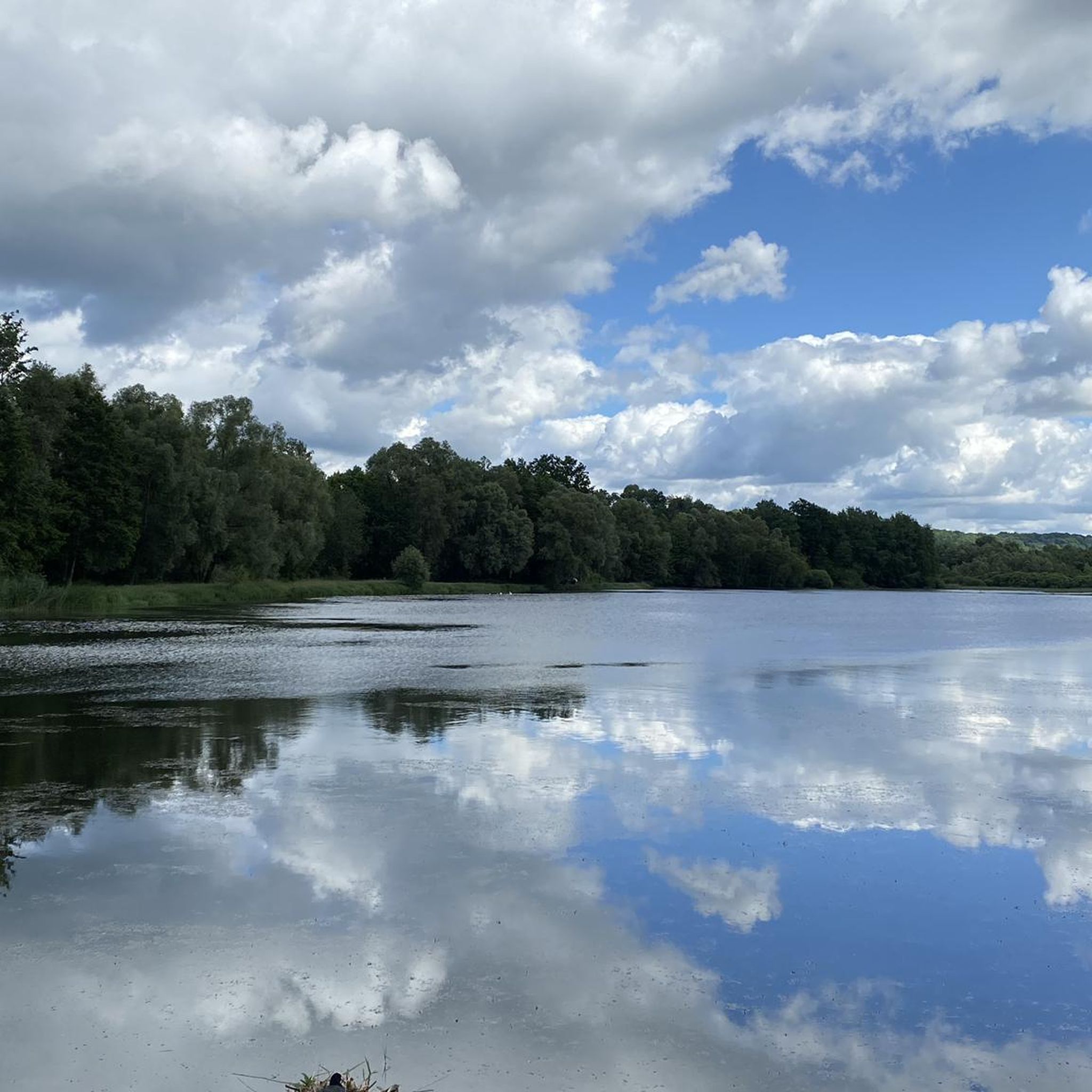
Absolutely. The Signal de Chamouille provides breathtaking panoramic views of the surrounding landscape, making it an excellent spot for photography or a peaceful picnic. The area around Lac d'Ailette also offers serene waterscapes and vibrant greenery, ideal for capturing natural beauty.
What is the best time of year to visit Chamouille for outdoor activities?
Chamouille is enjoyable throughout the warmer months. Summer is ideal for activities around Lac d'Ailette, such as kayaking and paddleboarding. Spring and autumn offer pleasant weather for hiking and cycling through the picturesque landscapes, with comfortable temperatures and beautiful scenery.
Are there any easy walking trails suitable for all abilities?
Yes, the Champ des Oiseaux Park provides a peaceful setting for leisurely strolls amidst nature, suitable for easy walks. Additionally, many of the cycling and running routes around Lac d'Ailette have sections that are relatively flat and well-maintained, offering accessible options for walking.
Where can I find local food and drink experiences?
For local flavors, visit the artisanal market to discover regional delicacies. You can also indulge in wine tasting at local vineyards, offering guided tours and samples of exquisite local wines. Gourmet cooking classes provide a hands-on experience to learn traditional French cuisine.
Can I find any hidden gems or less-known outdoor spots?
While popular attractions draw crowds, exploring the extensive monastic forest of Vauvelair surrounding the Vauclair Abbey Ruins can offer a serene and less-traveled experience. Additionally, seeking out some of the smaller, unnamed scenic cycling trails can lead to picturesque and quiet spots.
What kind of architecture can I expect to see in Chamouille and nearby?
The region showcases a blend of historical architecture. You'll find medieval structures like the city gates of Laon (Porte d'Ardon and Porte de Soissons), and the ruins of Vauclair Abbey. The Chamouille Church is also a notable example of Reconstruction architecture, rebuilt after World War II.
Most popular routes around Chamouille
Most popular attractions around Chamouille

Get inspired with the komoot mobile app


Explore more
Still not found the Highlight you’re looking for? See guides of the top attractions in other regions:
