The best road cycling routes around Châtillon-Sur-Oise
4.4
(37)
2,413
riders
62
rides
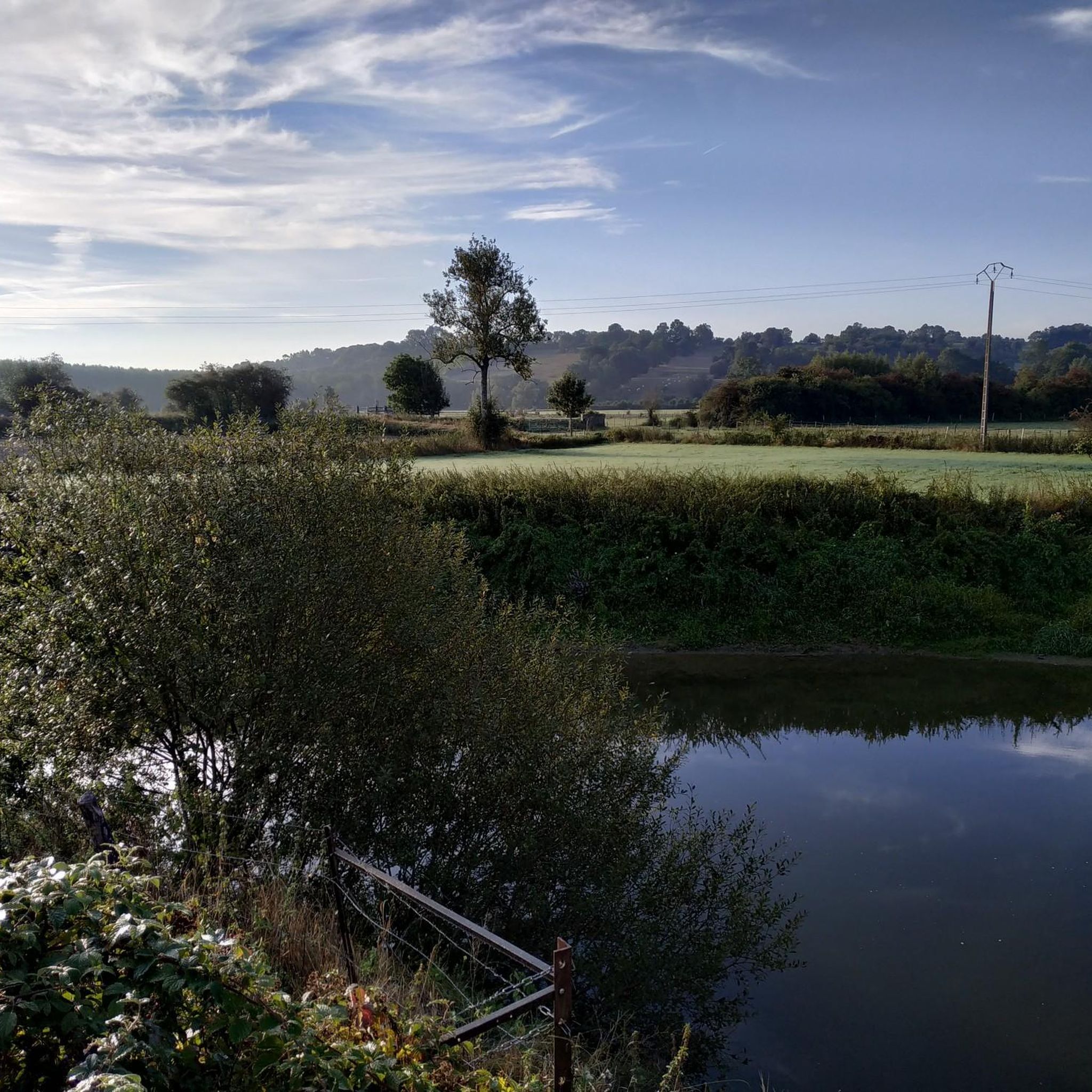
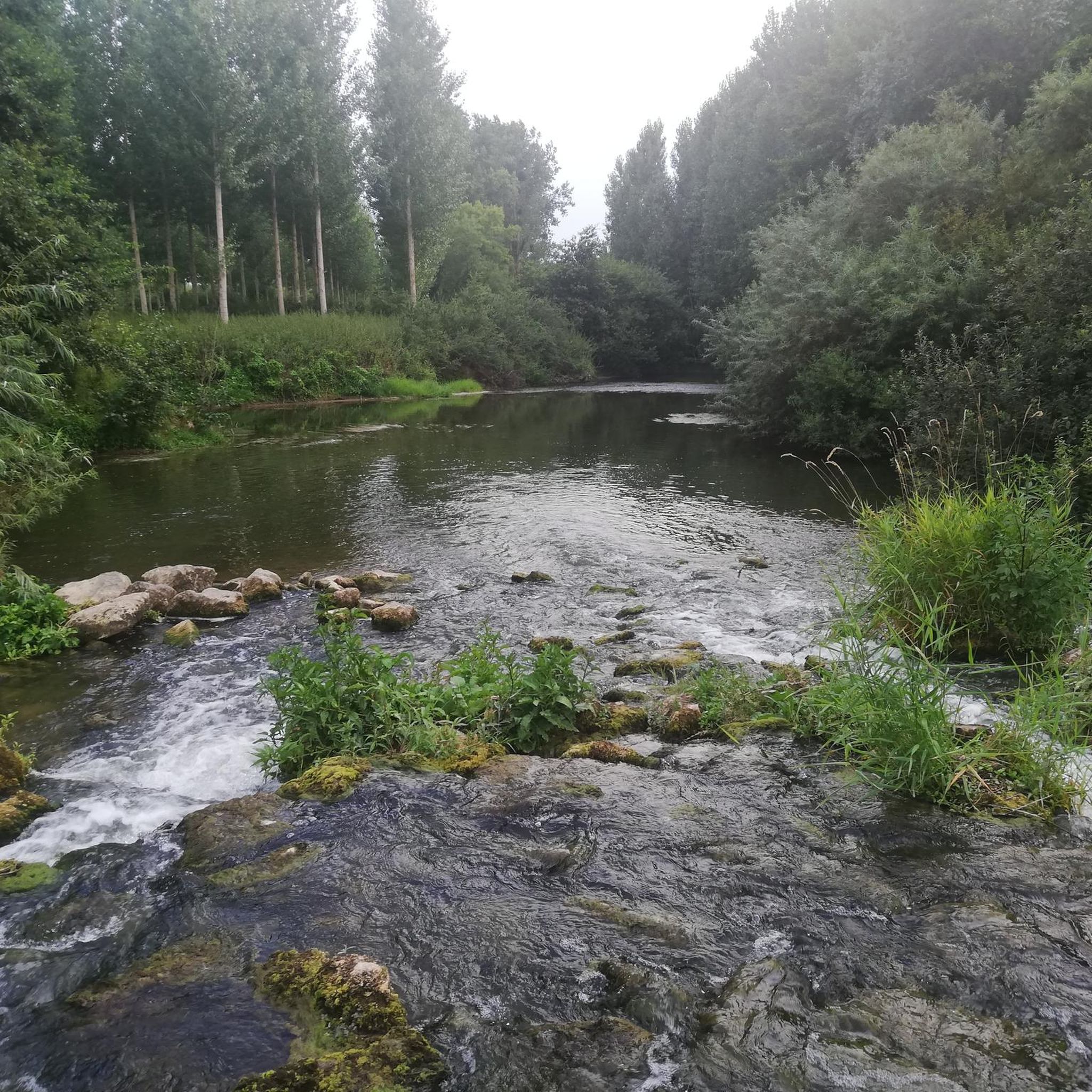
Road cycling routes around Châtillon-Sur-Oise are characterized by a generally gentle topography, with the town situated at an approximate altitude of 70 meters. The region features tranquil landscapes, including the Oise River and Canal de l'Oise, which offer flat, well-maintained cycling paths. Cyclists will find a mix of rolling countryside, fields, and forests, providing varied scenery. The area is part of the EuroVelo 3 and the departmental "Trans'Oise" greenway, offering established routes with smooth surfacing.
Best road cycling routes around…
Last updated: July 2, 2026
14
riders
95.0km
04:10
830m
830m
Moderate road ride. Good fitness required. Some segments of this route may be unpaved and difficult to ride.
21
riders
Moderate road ride. Good fitness required. Some segments of this route may be unpaved and difficult to ride.

Sign up for free
17
riders
68.6km
03:01
390m
390m
Moderate road ride. Good fitness required. Some segments of this route may be unpaved and difficult to ride.
25
riders
44.2km
01:55
300m
300m
Easy road ride. Great for any fitness level. Mostly well-paved surfaces and easy to ride.
24
riders
93.2km
03:59
640m
640m
Moderate road ride. Good fitness required. Mostly well-paved surfaces and easy to ride.
Get access to more routes and recommendations from other explorers.
Sign up for free
Already have an account?
Our route recommendations are based on thousands of hikes, rides, and runs completed by other people on komoot.
Start today with a free account
Your next adventure awaits.
Login or Signup

Tips from the Community

The listed building is striking for its original architecture with a porch tower over 34 meters high, a double transept or a radio-concentric choir. Inside, the visitor is seduced by the ancient 260 m long labyrinth engraved in the paving of the nave. Stained glass windows installed at different times complete the artistic offer of the Saint-Quentin Basilica, with in particular medieval stained glass windows in the apse chapels dating from the 12th century. These depict episodes from the life of the Virgin Mary and Saint Stephen.
2
0
The listed building is striking for its original architecture with a porch tower over 34 meters high, a double transept or a radio-concentric choir. Inside, the visitor is seduced by the ancient 260 m long labyrinth engraved in the paving of the nave. Stained glass windows installed at different times complete the artistic offer of the Saint-Quentin Basilica, with in particular medieval stained glass windows in the apse chapels dating from the 12th century. These depict episodes from the life of the Virgin Mary and Saint Stephen.
0
0

Saint-Quentin Church, rebuilt after the 1914-1918 war.
1
0
The Basilique Saint-Quentin is a beautiful Gothic church in the heart of Saint-Quentin, France. Built between the 12th and 15th centuries, this basilica is dedicated to the martyr Saint Quentin. With an impressive 133 meters long and 40 meters high, it is a real eye-catcher. What makes this basilica really special are the unique architectural elements such as the tower-portico at the front, the double transept, and the choir with radiating chapels. Inside, you will also find an ancient labyrinth of 260 meters in the floor of the nave, which is a fascinating detail. The basilica has a rich history and contains the relics of Saint Quentin, who were an important object of veneration in the Middle Ages. Although the building was badly damaged during the First World War, it was reopened in 1956 after extensive restoration.
1
0
Joncourt British Cemetery is a serene military cemetery located in Joncourt, France, and contains the graves of British soldiers who died during the First World War. Designed by William Cowlishaw, the cemetery is situated on the road from Joncourt to Levergies, approximately half a mile south of the village centre1. With a rectangular plan and surrounded by a stone wall, the cemetery provides a peaceful place for reflection. The Cross of Sacrifice, a hallmark of British military cemeteries, stands in the western corner1. The graves of 61 soldiers, three of whom are unidentified, belong to the 10th Argyll and Sutherland Highlanders1. The cemetery is lovingly maintained by the Commonwealth War Graves Commission, who ensure that the memory of these soldiers is kept alive.
1
0

Built in the Gothic style, the Basilica of Saint-Quentin dates back to the 12th century, with work continuing until the 15th century. The building is known for its imposing façade, high arches and stained glass windows. The basilica suffered severe damage during the First World War, but was later restored. It is dedicated to Saint-Quentin, a Roman martyr, and is an important example of medieval religious architecture in the region.
1
0

As a memorial to the many dead, such a "MONUMENT AUX MORTS" (usually called a "Central Memorial" or "War Memorial" in German-speaking countries) is still very important today. "Now, Lord, you let your servant depart in peace, as you have said..." it says in the so-called "Hymn of Simeon" (Luke's Gospel, Chapter 2, Verse 29). However, the people who are remembered here did not depart in peace, but became victims of war and tyranny. Therefore, the term "fallen memorial" is now sometimes used instead of the "war memorial" that was previously common in German. In the French-speaking world, however, this aspect of commemoration of the dead has long been included in the most commonly used term "MONUMENT AUX MORTS". Regardless of language and nation, such a memorial has two important and at the same time everlasting tasks: -1- to keep the memory of the suffering and horror of war alive, -2- and to remind people of the need to maintain peace in the long term.
2
0
In my opinion, this bike highlight is identical to the following: https://www.komoot.com/de-de/highlight/4657565
1
0
Frequently Asked Questions
What kind of terrain can I expect on road cycling routes around Châtillon-sur-Oise?
The road cycling routes around Châtillon-sur-Oise feature a generally gentle topography, with the town itself at about 70 meters altitude. You'll find tranquil landscapes, including flat, well-maintained paths alongside the Oise River and Canal de l'Oise. The region also offers rolling countryside, agricultural fields, and forests, providing varied and scenic rides.
How many road cycling routes are available in the Châtillon-sur-Oise area?
There are over 65 road cycling routes available around Châtillon-sur-Oise, catering to various skill levels from easy to difficult.
Are there easy road cycling routes suitable for beginners?
Yes, Châtillon-sur-Oise offers 20 easy road cycling routes. A great option for a gentle ride is the Canal de Saint-Quentin Path – St Quentin Canal loop from Mézières-sur-Oise, which follows a peaceful canal path.
Are there options for longer road cycling tours?
Absolutely. For longer distances, consider routes like the Calevaire Joncourt – Hindenburg Line Bunker loop from Le Thiolet, which covers nearly 95 km, or the Basilique Saint-Quentin – Canal de Saint-Quentin Path loop from Le Thiolet, spanning over 92 km.
What about more challenging road cycling routes?
For those seeking a challenge, there are 2 difficult road cycling routes. An example is the Tupigny Cliffs – Cycle Path Along the Oise loop from Le Thiolet, which is over 124 km long and features significant elevation changes.
Are there many circular road cycling routes?
Many of the road cycling routes in the area are designed as loops, allowing you to start and finish at the same point. Examples include the Canal de Saint-Quentin Path – St Quentin Canal loop from Mézières-sur-Oise and the Sambre-Oise Canal – European Oak loop from Le Thiolet.
What can I see along the road cycling routes around Châtillon-sur-Oise?
Beyond the scenic countryside, you can discover various points of interest. Routes often pass by the Bike path along the Oise and the Canal cycling route. You might also encounter historical sites like the Basilique Saint-Quentin or the Saint-Quentin war memorial.
What makes Châtillon-sur-Oise a good destination for road cycling?
Châtillon-sur-Oise is ideal for road cycling due to its tranquil landscapes, generally flat to rolling terrain, and low traffic on many rural roads. It benefits from being part of established cycling networks like the EuroVelo 3 ('La Scandibérique') and the departmental 'Trans'Oise' greenway, offering smooth, well-maintained paths along rivers and canals.
What do other road cyclists enjoy the most about road cycling in Châtillon-sur-Oise?
The area is highly rated by the komoot community, with an average score of 4.3 stars from over 30 reviews. Cyclists often praise the peaceful canal paths, the varied scenery of rolling countryside and forests, and the well-maintained routes that cater to different skill levels.
Are the road cycling routes suitable for families?
The region's generally gentle topography and the presence of flat, well-maintained paths along the Oise River and Canal make many routes suitable for families. Look for the 'easy' graded routes, such as those along the canal, for a more relaxed family cycling experience.
Can I reach the road cycling routes by public transport?
While Châtillon-sur-Oise is a smaller village, the broader Aisne department and its cycling networks are increasingly accessible. It's advisable to check local public transport options, such as regional trains or buses, for connections to nearby towns that might serve as starting points for routes. Specific public transport details for individual route starts are not universally available.
Is parking available near the road cycling routes?
As Châtillon-sur-Oise and the surrounding villages are rural, you can generally find parking in or near the village centers, or at designated starting points for popular routes. It's recommended to check specific route descriptions for detailed parking information if available.
Most popular attractions around Châtillon-Sur-Oise

Get inspired with the komoot mobile app


Explore more
Browse the best Road cycling routes in other regions.
