Attractions and Places To See around Montigny-Mornay-Villeneuve-Sur-Vingeanne - Top 12
Attractions and places to see around Montigny-Mornay-Villeneuve-Sur-Vingeanne include a blend of historical landmarks, natural beauty, and outdoor activities. This commune, formed from three villages, is situated within the picturesque Vingeanne valley, approximately 45 km from Dijon. The area is characterized by serene landscapes, the Vingeanne river, and the Canal Champagne-Bourgogne, offering opportunities for exploration.
Best attractions and places to see around Montigny-Mornay-Villeneuve-Sur-Vingeanne
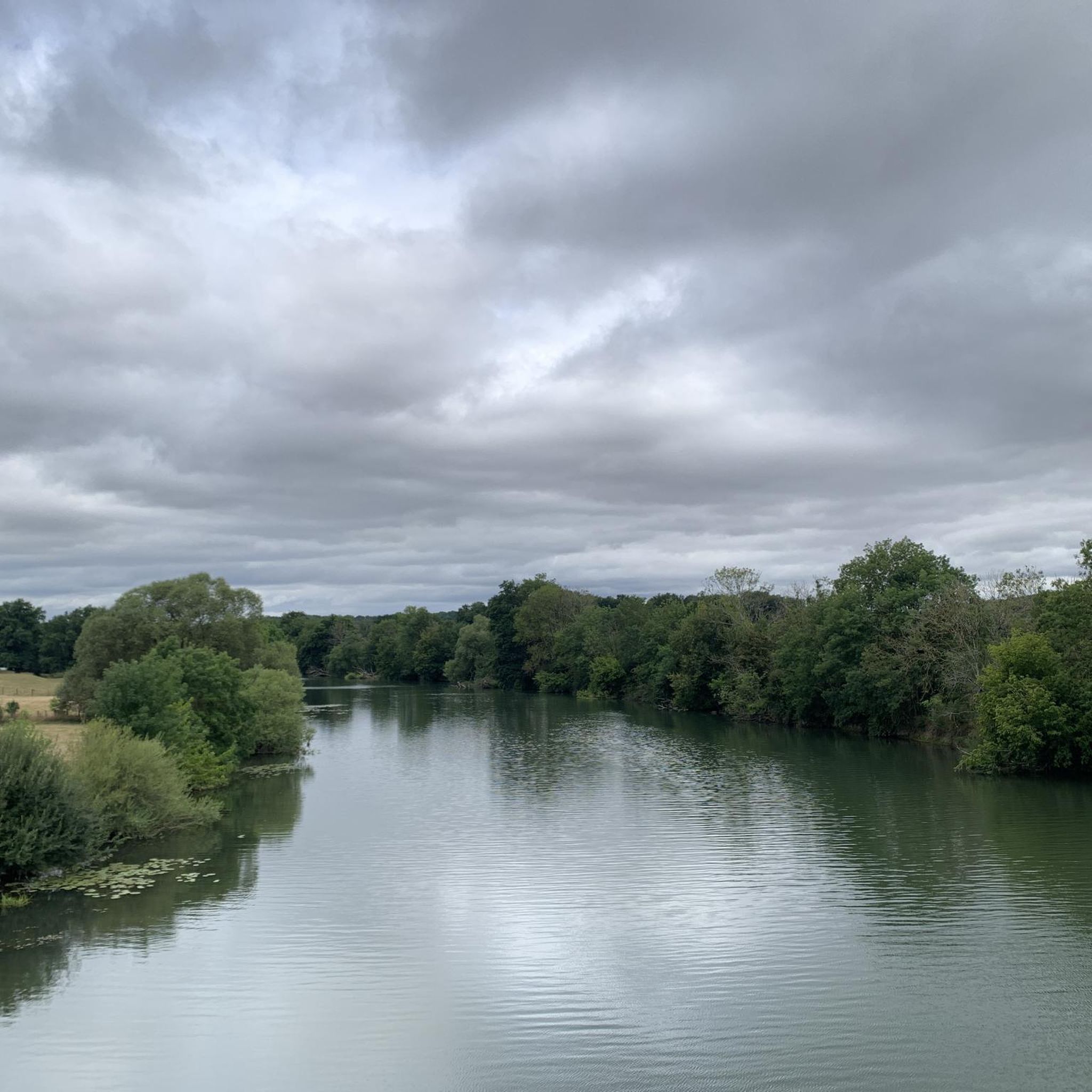
- The most popular attractions is Canal between Champagne and Burgundy, a river that extends over 224 kilometers…
Last updated: August 23, 2026
Canal between Champagne and Burgundy
Highlight • River
Translated by Google •
Tip by

Château de Rosières
Highlight • Castle
Translated by Google •
Tip by

Sign up now to discover places like this
Get recommendations on the best single tracks, peaks, & plenty of other exciting outdoor places.
Sign up for free
Château de Champlitte
Highlight • Castle
Translated by Google •
Tip by

Coublanc, Saint-Pierre Church
Highlight • Religious Site
Translated by Google •
Tip by
Leffond
Highlight • Other
Translated by Google •
Tip by
Sign up for free to discover even more attractions around Montigny-Mornay-Villeneuve-Sur-Vingeanne.
Sign up for free
Already have an account?
Start today with a free account
Your next adventure awaits.
Login or Signup
Popular around Montigny-Mornay-Villeneuve-Sur-Vingeanne



Tips from the Community


The Château de Champlitte is a historic monument in the commune of Champlitte, in the Haute-Saône, France. The castle was originally built as a fortified fortress in the Middle Ages, but was later converted into a residential castle in the Renaissance and 18th centuries. The castle now houses the Museum of Popular Arts and Traditions, which shows the daily life and crafts of the past. You can visit the castle and the museum, and enjoy the formal gardens in the courtyard.
12
4
Leffond is a former commune in Haute-Saône, in the Bourgogne-Franche-Comté region, in France. It has been associated with the commune of Champlitte since 1972. It has about 120 inhabitants and is located on the Plateau de Langres, where the rivers Seine and Meuse originate.
11
4
The church of St. Peter and St. Paul was built in the twelfth century. It had a dual use: parish and priory, since it depended on the Benedictine abbey of Bèze, in Burgundy. The choir and the nave are from the twelfth century, the sacristy from the sixteenth century, the interior decorations from the early eighteenth century; The restoration began in the nineteenth century. The interior of the church is protected. Nothing is known about the lantern of the dead, which stands in the cemetery (?) , except that it was made in 1537 and was classified as a historical monument on February 23, 1965. It is the monumental cross that is protected.
9
1

Take a detour every now and then to switch the scenery
2
0

A former rural estate in the 11th century, it was fortified in the 15th century to respond to the wars of the time. The peasants took refuge there. Today, you have the pleasure of staying in this castle, which has become private property and is managed as a bed and breakfast. That said, it's a nice visit to take as part of your journey.
2
0
It was once a more rural estate in the 11th century before being fortified in the 15th century to respond to the wars of the time. The peasants can then take refuge there. Today, you have the pleasure of staying in this castle, which is now privately owned and run as a bed and breakfast.
2
0
Frequently Asked Questions
What natural features can I explore in the Montigny-Mornay-Villeneuve-Sur-Vingeanne area?
The region is nestled within the scenic Vingeanne valley, offering a peaceful environment around the Vingeanne River. A significant natural feature is the Canal between Champagne and Burgundy, formerly known as the Marne-Saône Canal. It's considered one of France's most beautiful canals due to its tranquil nature and the picturesque landscapes it crosses.
What historical sites are there to visit in the area?
The area is rich in history. You can explore several churches, such as the Eglise de Montigny with its 17th-century origins, the 19th-century Eglise de Mornay featuring Russian cannons from the Siege of Sevastopol, and the Church of l'Immaculée-Conception in La Villeneuve-sur-Vingeanne. Additionally, the Coublanc, Saint-Pierre Church, dating back to the 12th century, offers a glimpse into the past. While the Château de Montigny-Mornay is private, you can visit the historic Château de Rosières, an 11th-century estate fortified in the 15th century, or the Château de Champlitte, which now houses a museum.
Are there family-friendly attractions around Montigny-Mornay-Villeneuve-Sur-Vingeanne?
Yes, several attractions are suitable for families. The Château de Rosières and the Château de Champlitte are both listed as family-friendly historical sites. The Château de Champlitte also houses the Museum of Popular Arts and Traditions, which can be engaging for all ages, and features formal gardens.
What outdoor activities can I do near these attractions?
The Vingeanne valley and the Canal Champagne-Bourgogne offer excellent opportunities for outdoor activities. You can enjoy hiking and cycling along numerous routes that explore the natural beauty of the area. For specific routes, check out the hiking guide or the cycling guide for the region.
Where can I find hiking trails near Montigny-Mornay-Villeneuve-Sur-Vingeanne?
There are several hiking trails available, ranging from easy to moderate. Popular options include the 'Circuit du Fourneau et le château de Fontaine-Française' (moderate, 9.9 km) and 'Commanderie de la Romagne loop from Saint-Maurice-sur-Vingeanne' (easy, 5.2 km). You can find more details and routes in the hiking guide for Montigny-Mornay-Villeneuve-Sur-Vingeanne.
Are there cycling routes available in the area?
Yes, the region is well-suited for cycling, particularly along the Canal Champagne-Bourgogne. You can find various routes, including road cycling and touring bicycle options. Examples include 'Pertes de la Rigotte – Francourt Castle loop from Champlitte' (moderate, 72.5 km) for road cycling, or 'Château de Talmay – Pontailler-sur-Saône loop from Pouilly-sur-Vingeanne' (moderate, 68.2 km) for touring. Explore more routes in the cycling guide and road cycling guide.
What are some unique historical features of the local churches?
The Eglise de Montigny, dedicated to the Exaltation of the Holy Cross, has a West door listed as a historical monument. The Eglise de Mornay is notable for displaying two Russian cannons from the Siege of Sevastopol (1854-1855) and has a nearby lavoir (wash house). The Church of l'Immaculée-Conception in La Villeneuve-sur-Vingeanne is recognized for its distinctive bell tower and an ornate triangular tympanum.
Can I learn about the industrial history of the Vingeanne valley?
Yes, the Vingeanne river once powered two significant water mills. The 'Moulin Bas' (Lower Mill) historically functioned as a forge, then a flour mill, and later housed a dairy. The 'Moulin Haut' (Upper Mill) was notable for producing electricity as early as 1910, showcasing the region's early industrial innovations.
What do visitors enjoy most about the Montigny-Mornay-Villeneuve-Sur-Vingeanne area?
Visitors appreciate the tranquil nature and picturesque landscapes, especially along the Canal between Champagne and Burgundy. The historical sites, such as the fortified Château de Rosières and the ancient Coublanc, Saint-Pierre Church, are also highly valued for their rich past and architectural beauty. The opportunities for hiking and cycling through the serene Vingeanne valley are also a major draw.
Are there any accessible attractions in the area?
The commune of Coublanc, a historical settlement, is noted as wheelchair accessible. While specific accessibility details for all sites vary, the flat towpaths along the Canal Champagne-Bourgogne generally offer accessible routes for enjoying the natural scenery.
What is the best time to visit Montigny-Mornay-Villeneuve-Sur-Vingeanne for outdoor activities?
The region is beautiful year-round. However, for hiking and cycling, spring and autumn offer pleasant temperatures and vibrant scenery. Summer is also ideal for enjoying the canal and river, though it can be warmer. Even in winter, the Canal between Champagne and Burgundy is described as magnificent.
Are there any local events or unique experiences in the area?
The region hosts several local events, such as a flea market in early August, a run called 'Courir pour Tom' in early October, and 'La Marche des Barons' in late August. These events offer unique opportunities to experience local culture and community spirit.
Most popular routes around Montigny-Mornay-Villeneuve-Sur-Vingeanne

Get inspired with the komoot mobile app


Explore more
Still not found the Highlight you’re looking for? See guides of the top attractions in other regions:
