Attractions and Places To See around Craonnelle - Top 20
Attractions and places to see around Craonnelle include historical landmarks, natural features, and cultural sites, reflecting its role in past conflicts. Situated in the Aisne department of France, the area offers a diverse landscape of ruins, memorials, and serene natural ponds. Its location provides access to significant historical battlefields and tranquil forest environments. Visitors can explore sites that combine historical narratives with natural beauty.
Best attractions and places to see around Craonnelle
- The most popular attractions is Vauclair Abbey Ruins…
Last updated: May 26, 2026
Vauclair Abbey Ruins
Highlight • Historical Site
Translated by Google •
Tip by

Napoleon Statue in Craonne
Highlight • Monument
Translated by Google •
Tip by

Sign up now to discover places like this
Get recommendations on the best single tracks, peaks, & plenty of other exciting outdoor places.
Sign up for free
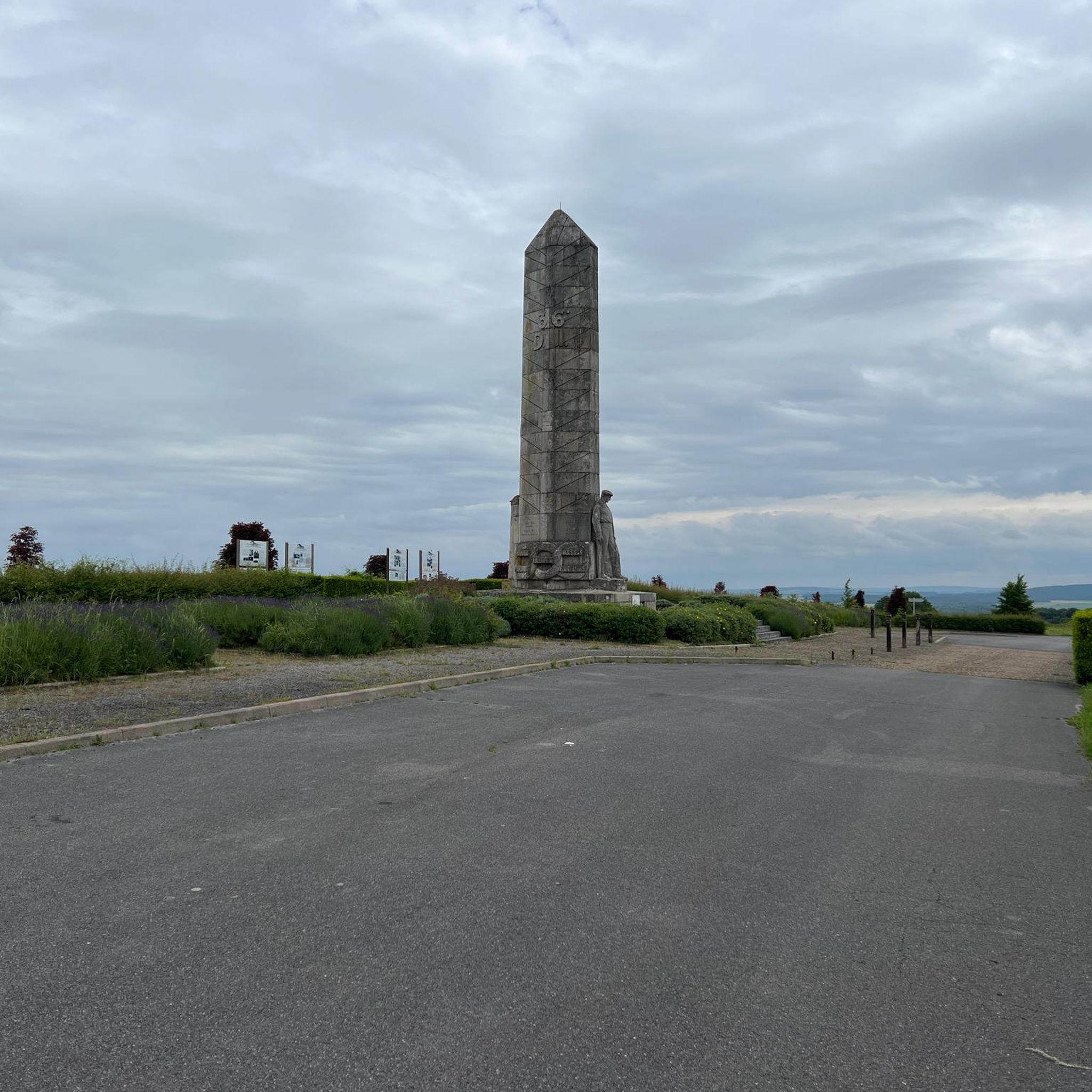
Ferme d'Hurtebise War Memorial
Highlight • Monument
Translated by Google •
Tip by
Cerny-en-Laonnois, chapelle & Lanterne des Morts
Highlight • Other
Translated by Google •
Tip by
Monks' Pond
Highlight • Lake
Tip by

Sign up for free to discover even more attractions around Craonnelle.
Sign up for free
Already have an account?
Start today with a free account
Your next adventure awaits.
Login or Signup
Tips from the Community

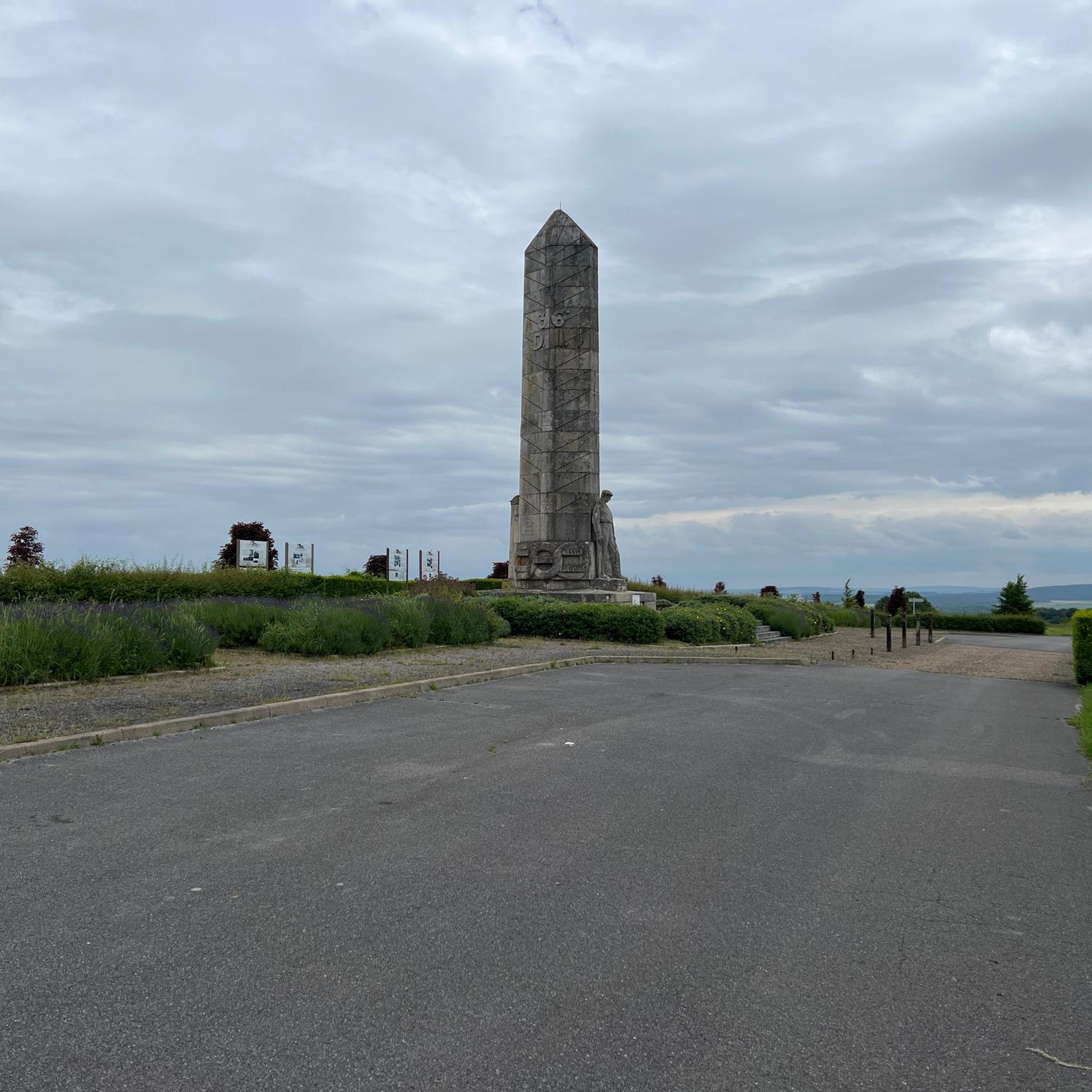
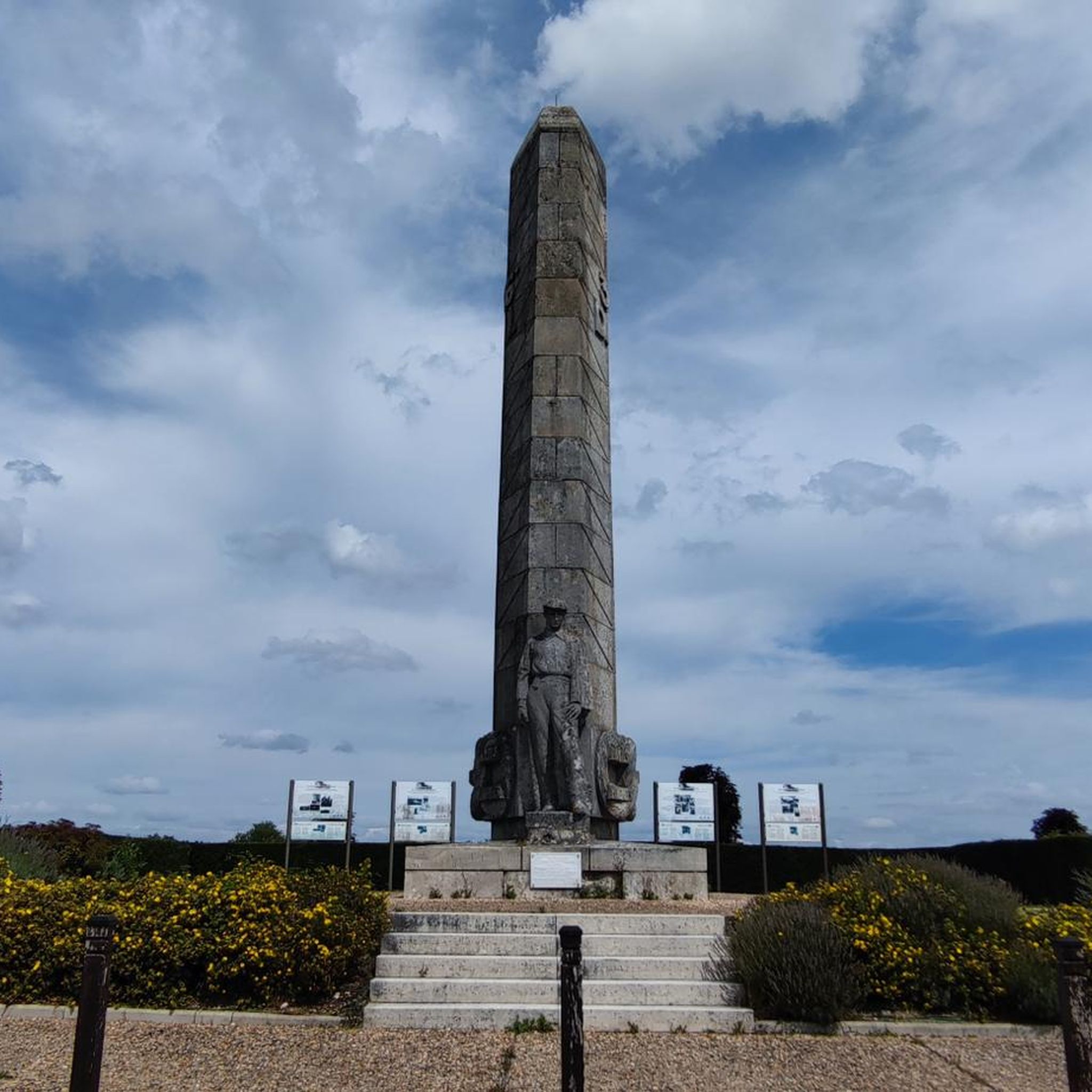
This stone statue of Napoleon I , sculpted by Georges Thurotte in 1974, commemorates the victory of the French armies at Craonne against the Russian and Prussian armies of General Blücher on March 7, 1814 . It was built on the site of the Vauclair mill which served as an observation post during this battle...
0
0
This stone statue of Napoleon I, sculpted by Georges THUROTTE, commemorates the victory of the French armies at Craonne against the Russian and Prussian armies of General Blücher on March 7, 1814, which left 12,000 dead (7,000 French and 5,000 Russians, whose mass graves were scattered during the fighting of the First World War. Placed high on a mound and built on the former site of the Moulin de Vauclerc, which served as an observatory for the emperor, the limestone statue represents the Emperor scanning the horizon in a dignified position.
0
0

On the eastern edge of the Chemin des Dames plateau lies the Ferme d’Hurtebise, a place that played a crucial role during both the Napoleonic Wars and the First World War. In 1814, it was the scene of the Battle of Craonne, and exactly a century later it again became a strategic junction in the struggle between French and German troops. From September 1914 onwards, fierce fighting took place here. The farm overlooked the Ailette and Aisne valleys, making it a fiercely contested observation post. French units, including Zouaves and the 12th and 49th Infantry Regiments, tried to hold or retake the farm, often with heavy losses. The family that owned the farm sheltered in the cellar for days while the building was under fire. After months of fighting and bombardment, the farm was reduced to ruins, crisscrossed by trenches. Today the site is a symbol of resistance and sacrifice, and is part of the Chemin des Dames memorial landscape.
6
0
During the First World War, Cerny-en-Laonnois was a strategic point along the Chemin des Dames, a ridge fiercely contested by French and German troops. In September 1914, the village was taken by the Germans, who used it as a defensive post. They dug deep underground networks in the limestone, which served as shelters and munitions stores. In the spring of 1917, the area became the scene of the Nivelle Offensive, a large-scale French attack that resulted in heavy losses and eventually led to mutinies within the French army. Cerny-en-Laonnois was completely destroyed by artillery fire and fighting. After the war, the village was rebuilt a little further south. Today, the military cemeteries, the memorial chapel and the “Lanterne des Morts” bear witness to the immense human suffering that took place here.
6
0

A remarkable remnant of what was once a large and important abbey. Caesar, Napoleon and German troops are said to have passed through this area during the First World War.
3
0
This abbey, which was founded in 1134 by St. Bernard, was severely damaged in a bombardment in 1917. The best preserved buildings are the pantry, the refectory of the lay brothers, the chapter house and the monks' hall. The foundations of the abbey church and the inn are still visible. Next to the garden with medicinal plants there is an exhibition space. Surrounding it is the monastic forest of Vauvelair, which covers 1000 hectares.
11
0

The Étang des Moines lake is one of the four ponds that were dug by the monks of Liessies Abbey at the end of the 17th century. Covering an area of approximately 20 hectares, it is home to various species of fish, such as carp, pike, perch, roach and tench. The lake is also a haven for wildlife, particularly birds, such as herons, ducks, coots and kingfishers. You can appreciate the tranquility and beauty of the lake from different viewpoints, such as the wooden bridge or the picnic area.
2
0

Between the woods and the greenway, this former abbey is interesting from a historical point of view
0
0
Frequently Asked Questions
What historical sites can I explore around Craonnelle?
The region around Craonnelle is rich in history, particularly related to past conflicts. You can visit the Vauclair Abbey Ruins, founded in 1134 and significantly damaged in 1917, where you can still see well-preserved buildings and a medicinal plant garden. Another key historical site is the Ferme d'Hurtebise War Memorial, which played a crucial role in both the Napoleonic Wars and World War I. Additionally, the Napoleon Statue in Craonne commemorates a significant victory from 1814.
Are there any natural attractions or places for wildlife spotting near Craonnelle?
Yes, Craonnelle offers serene natural spots. The Monks' Pond (Étang des Moines Lake) is a beautiful lake covering about 20 hectares, home to various fish species and a haven for diverse wildlife, especially birds like herons, ducks, and kingfishers. You can enjoy its tranquility from viewpoints or a picnic area. The Monastic Forest of Vauvelair, surrounding the Vauclair Abbey Ruins, also spans 1000 hectares, offering a natural complement to the historical site.
What outdoor activities, like hiking or cycling, are available around Craonnelle?
Craonnelle and its surroundings are excellent for outdoor activities. You can find numerous routes for hiking, mountain biking, and road cycling. For hiking, consider the 'Vauclair Abbey and Lake Ailette Loop' or the 'Craonne and California Plateau Loop'. Mountain bikers can explore routes like 'Vauclair Abbey – Monks' Pond loop from Bouconville-Vauclair'. Road cyclists have options such as the 'Vauclair Abbey – Napoleon Statue in Craonne loop from Craonne'. You can find more detailed routes and guides for these activities on the hiking guide, MTB guide, and road cycling guide for Craonnelle.
Are there family-friendly attractions in the Craonnelle area?
Many of the historical and natural sites around Craonnelle are suitable for families. The Vauclair Abbey Ruins offer an educational experience with its preserved buildings and medicinal plant garden. The Ferme d'Hurtebise War Memorial provides a poignant historical lesson. Additionally, the Monks' Pond is a great spot for a family picnic and observing wildlife.
What is the best time of year to visit Craonnelle for outdoor activities?
The best time to visit Craonnelle for outdoor activities is generally during the spring (April to June) and autumn (September to October). During these seasons, the weather is typically mild and pleasant for hiking, cycling, and exploring historical sites. The natural landscapes, including the Monastic Forest of Vauvelair and the Monks' Pond, are particularly beautiful with spring blooms or autumn foliage.
What is the significance of the Chemin des Dames in the Craonnelle region?
The Chemin des Dames is a historically significant ridge near Craonnelle, particularly known for its crucial role during World War I. Sites like the Ferme d'Hurtebise War Memorial and the area around Cerny-en-Laonnois were scenes of intense fighting and heavy losses. The region is dotted with numerous war memorials and cemeteries, serving as a powerful reminder of its past. The Cerny-en-Laonnois chapel & Lanterne des Morts is another poignant site bearing witness to the immense human suffering that took place here.
Are there any viewpoints or panoramic spots around Craonnelle?
Yes, the region offers several spots with good views. The Napoleon Statue in Craonne is placed high on a mound, representing the Emperor scanning the horizon, and likely offers a good vantage point over the surrounding area. The Ferme d'Hurtebise, located on the eastern edge of the Chemin des Dames plateau, also provided a strategic observation post during wartime, suggesting potential panoramic views of the Ailette and Aisne valleys.
What do visitors enjoy most about the attractions around Craonnelle?
Visitors frequently appreciate the blend of historical depth and natural beauty. The Vauclair Abbey Ruins are praised for their remarkable preservation and historical significance, with many noting the peaceful atmosphere of the medicinal herb garden. The Monks' Pond is loved for its tranquility and wildlife. The war memorials, such as Ferme d'Hurtebise, are valued for their powerful historical narratives and as symbols of resistance.
Are there any industrial heritage sites or unique cultural points of interest in Craonnelle?
Beyond the major historical landmarks, Craonnelle has glimpses into its industrial past. The village once housed a chicory factory, founded in 1863, and several open-air lime quarries. The village square also features a traditional lavoir (public wash house) and fountain, offering a look at local heritage. While not directly in Craonnelle, the region's proximity to cities like Laon and Reims offers access to additional cultural attractions such as the Cathédrale de Reims.
What are some easy walking options near Craonnelle?
For easier walks, you can explore the trails around the Monks' Pond, which offers a peaceful environment. The Monastic Forest of Vauvelair, surrounding the Vauclair Abbey Ruins, also provides gentle paths for exploration. For a specific route, the 'California Plateau – Old Craonne Cemetery loop from Craonne' is an easy 4.7 km hike. More options can be found in the hiking guide for Craonnelle.
Is public transport available to reach attractions around Craonnelle?
While specific public transport routes directly to all individual attractions in Craonnelle may be limited, the region is situated in the Aisne department, which has some local bus services. However, for maximum flexibility in exploring the scattered historical sites and natural areas, it is generally recommended to use a personal vehicle. Parking facilities are typically available at major attractions like the Vauclair Abbey Ruins and Ferme d'Hurtebise.
Most popular routes around Craonnelle

Get inspired with the komoot mobile app


Explore more
Still not found the Highlight you’re looking for? See guides of the top attractions in other regions:
