The best cycling routes around Échebrune
4.4
(23)
239
riders
40
rides
Touring cycling around Échebrune is characterized by its location within the Petite Champagne region, offering routes through extensive vineyards and rolling hills. The area features sun-exposed circuits along small roads and agricultural paths, providing a tranquil journey through the countryside. This landscape is part of the broader Haute Saintonge region, known for its natural environment. The terrain generally presents gentle gradients, making it accessible for various skill levels.
Best touring cycling routes around Échebrune
- The most popular touring cycling route…
Last updated: June 30, 2026
71.3km
04:10
310m
310m
Moderate bike ride. Good fitness required. Mostly paved surfaces. Suitable for all skill levels.
5.0
(2)
4
riders
18.1km
01:05
120m
120m
Easy bike ride. Great for any fitness level. Mostly paved surfaces. Suitable for all skill levels.

Sign up for free
4.5
(2)
3
riders
56.4km
03:24
300m
300m
Moderate bike ride. Good fitness required. Mostly paved surfaces. Suitable for all skill levels.
5.0
(1)
6
riders
17.9km
01:08
80m
80m
Easy bike ride. Great for any fitness level. Mostly paved surfaces. Suitable for all skill levels.
5.0
(1)
2
riders
25.9km
01:37
210m
210m
Moderate bike ride. Good fitness required. Mostly paved surfaces. Suitable for all skill levels.
Get access to more routes and recommendations from other explorers.
Sign up for free
Already have an account?
Our route recommendations are based on thousands of hikes, rides, and runs completed by other people on komoot.
Start today with a free account
Your next adventure awaits.
Login or Signup
Tips from the Community

The Château de la Garde was built around 1606-1610.
0
0

Certain foundations of small elongated freestones bear witness to a building from the end of the 11th century or the beginning of the 12th century. The nave was taken over in the second half of the 12th century and reinforced by arcades. If the base of the bell tower is characteristic of Romanesque architecture, its upper part bears the mark of the first Gothic age. The octagonal stone spire crowns a bell chamber based on a similar plan, the sides featuring alternating single bays and twin bays. Finally, the north wall and the facade were redone in the 19th century, the first bay of the nave having been shortened in order to widen the road passing in front of the church41. Like the majority of churches in the region, the Saint-Pierre de Gémozac church is based on a plan in the shape of a Latin cross. It consists of a single nave with four bays covered with a pointed barrel vault, which was completely redone in the 16th century. Inside, arcades respond to the buttresses and serve to reinforce the structure of the building. As in some Romanesque churches in the region, the transepts are covered with cupolas. However, if the north brace has a dome on squinches, the south brace has the particularity of having a dome on pendentives. The two arms of the transept are extended by apsidioles: the oldest (12th century), that of the south transept, forms a vaulted hemicycle; the most recent is a rectangular chapel covered with ribbed vaults. A narrow arcade opens onto the first bay of the choir. This forms a set of two spans. The first is covered with quadripartite warheads, while the second is completed by liernes. The flat apse (13th century), pierced with a triplet, testifies to the Cistercian influence on the architecture of the time. The church of Saint-Pierre de Gémozac is part of the tourist inventory of the most beautiful churches of Saintonge and is often cited among the religious buildings worthy of a visit. In certain aspects, this church is indeed one of the beautiful Romanesque churches of the Saintonge type, among which are still the remarkable churches of Rétaud, Rioux or even Thaims, all located in its canton.
0
0
The Château de La Salle certainly originated from the stronghold of Ozignac, which gave its name to the current hamlet of Louzignac, located near the castle. Located in the middle of a vast plain, the Château de La Salle is a classic building, sober, rigorous and of great coherence, which seems to have been erected in one go. Built on a north-east-south-west axis, it is accompanied, to the south-east, by a vast lateral courtyard lined with outbuildings, to which formerly corresponded, to the north-west, a tall forest which sheltered it from the winds. dominant. The set was preceded by a long straight avenue lined with trees whose layout is barely discernible today, but which is revealed by the first cadastral plan of Gémozac. It led to the forecourt which was further punctuated by two identical pavilions covered with tiles. Only the corner one remains. That of the north corner, although protected in 1990 as historical monuments, disappeared after being damaged by a fire. The castle itself is built in the axis of the forecourt, on a rectangular embankment surrounded on all sides by ditches cut in the rock, which allowed the extraction of part of the building materials. It is accessible by crossing an axial bridge with two arches. The ditches are protected by square section balusters, except in the northern part, where they have disappeared. Composed of a ground floor and a first floor, the residence of the lords of La Salle includes, on the arrival side, a main building at the back of the courtyard, framed by two symmetrical side wings. Of the same height, these three bodies of buildings are covered with a roof topped with Roman tiles, except on the two small sections placed on the side of the forecourt, where the flat tiles were used. To the south-west, on the side of the old parterres, the castle develops a more generously lit facade. Before certain openings were blocked, it had eleven bays, regularly organized from the axial bay which is marked by an elegant bridge-perron with three arches spanning the moat. Each of the two corners is marked by a fore body with three bays arranged in the extension of the side wings of the facade overlooking the forecourt (see the aerial view). The south-east side wing contains the old kitchen which is still covered with a semi-circular vault.
0
0

A small town in the Charente Maritime region. There are a number of historical monuments, such as the castle, the castle and several churches.
1
1
A washhouse that was once used to wash clothes. While it is no longer really used for its primary purpose, you can stop there for a cool break and refill your water bottles.
0
0

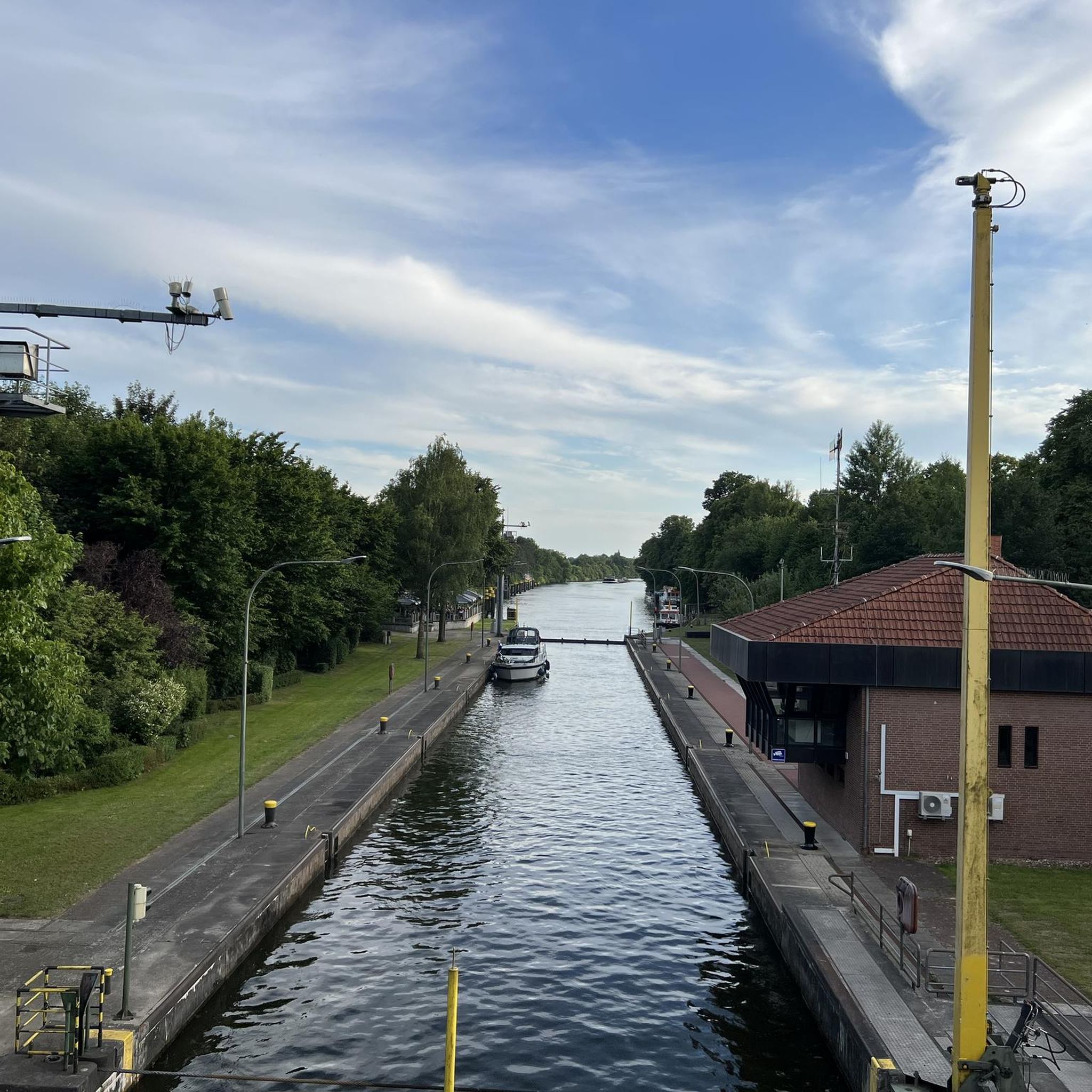
The port of Lys is a privileged place for walkers, hikers on foot or by bike, fishermen, boaters and water skiers. It is an ideal site for a shady stopover!
2
0
The Saint-Pierre church dating from the 13th & 15th centuries, was rebuilt with calcined stones from a 1st building which was destroyed by fire. It is a church of relatively simple design consisting of a nave flanked by two aisles pierced with large windows. A triplet illuminates the sanctuary with a flat apse. It is barrel vaulted and embellished with a 12th century chapel. The facade is sober and is pierced by an ogival door which is decorated with two tori. It ends in gable. The square bell tower, squat and massive, on two levels, gives a certain austerity to the building. Inside, on the north wall of the nave, hangs a painting by Bragny (oil on canvas from the 17th century).
0
1
The church of Saint-Pierre de Gémozac is a composite style religious building which incorporates both a Saintonge Romanesque structure and Gothic elements. It is one of the few churches in the region bearing witness to the transition between the two styles and has been listed as a Historic Monument since 1910.
0
0
Frequently Asked Questions
How many touring cycling routes are available around Échebrune?
There are over 45 touring cycling routes around Échebrune, catering to various skill levels. This includes 17 easy routes, 27 moderate routes, and 1 difficult route, ensuring options for everyone from beginners to experienced cyclists.
What makes touring cycling in Échebrune unique?
Touring cycling in Échebrune offers a unique experience through the picturesque vineyards of the Petite Champagne region. Routes often follow sun-exposed circuits along small roads and agricultural paths, providing a tranquil journey through rolling hills and a biodiverse natural environment. You'll find a blend of scenic beauty and cultural heritage, characteristic of the Charente-Maritime area.
Are there easy touring cycling routes suitable for beginners in Échebrune?
Yes, Échebrune offers 17 easy touring cycling routes perfect for beginners or those seeking a relaxed ride. An excellent option is the Pons – Donjon de Pons loop from Pons, an 18.1 km path that provides views of the historic town of Pons and its medieval donjon.
Are there longer, more challenging touring cycling routes in Échebrune?
For those looking for a greater challenge, Échebrune features 27 moderate routes and 1 difficult route. A popular moderate option is the Tour in the Seugne valley, a 71.3 km trail exploring rural landscapes, typically taking around 4 hours and 10 minutes to complete.
What can I see along the touring cycling routes in Échebrune?
Many routes in the Échebrune area pass by significant landmarks and natural features. You can explore historical sites like the Pons Donjon and the Saint-Vivien Church of Pons. The Port of the Lys is another notable point of interest, often featured on routes like the Port of the Lys – Crouin bridge loop from Pons.
Are there any circular touring cycling routes around Échebrune?
Yes, several circular touring cycling routes are available. For instance, the Donjon de Pons loop from Pons is an easy 17.9 km circular path, perfect for exploring the historic town and its surroundings. Another option is the Donjon de Pons – Pons loop from Pons, a moderate 26.0 km circular route.
What is the best time of year for touring cycling in Échebrune?
The region's sun-exposed circuits through vineyards suggest that spring and autumn are ideal for touring cycling, offering pleasant temperatures and beautiful scenery. Summer can also be enjoyable, but it's advisable to start early to avoid the midday heat, especially on routes through open countryside.
Are there family-friendly touring cycling routes in Échebrune?
Given the prevalence of easy routes and gentle gradients, many of Échebrune's touring cycling paths are suitable for families. The routes through vineyards and along agricultural paths are generally tranquil and offer a safe environment for cycling with children. Look for the 'easy' graded routes for the most family-friendly options.
What do other touring cyclists enjoy most about Échebrune?
The touring cycling routes around Échebrune are highly rated by the komoot community, with an average score of 4.3 stars from over 20 reviews. Cyclists often praise the tranquil journey through extensive vineyards, the rolling hills, and the accessibility of routes that cater to various skill levels. The blend of natural beauty and cultural points of interest, such as the historic town of Pons, is also frequently highlighted.
Are there opportunities to experience local culture or food along the routes?
Absolutely. Being in the heart of the Petite Champagne region, many routes offer opportunities to experience the local culture, particularly related to wine and Cognac production. You might find Cognac houses in nearby towns like Bougneau, offering tastings and insights into this distinctive Charente experience. The historic town of Pons, a common feature on many routes, also provides a glimpse into the region's rich heritage with its medieval donjon and Romanesque churches.
What kind of terrain can I expect on touring cycling routes in Échebrune?
The terrain around Échebrune is characterized by rolling hills and extensive vineyards. You can expect to cycle on small roads and agricultural paths, which are often sun-exposed. The gradients are generally gentle, making for an enjoyable and accessible cycling experience across the region.
Most popular routes around Échebrune
Most popular attractions around Échebrune

Get inspired with the komoot mobile app


Explore more
Browse the best Cycling routes in other regions.
