The best road cycling routes around Jarnac-Champagne
4.8
(20)
468
riders
207
rides
Road cycling around Jarnac-Champagne features a landscape characterized by gently rolling hills and open agricultural plains, typical of the Charente region. The terrain generally presents moderate elevation changes, making it suitable for various road cycling abilities. Routes often traverse through vineyards, small villages, and past historical châteaux, offering a blend of cultural and natural scenery.
Best road cycling routes around Jarnac-Champagne
- The most popular road cycling route is Saint-Sauvant, Chaniers and Chadenac loop, a 52.5 miles (84.5 km) trail…
Last updated: November 2, 2026
2
riders
84.5km
03:36
470m
470m
Moderate road ride. Good fitness required. Mostly well-paved surfaces and easy to ride.
5
riders
41.0km
01:43
230m
230m
Moderate road ride. Some segments of this route may be unpaved and difficult to ride.

5.0
(1)
4
riders
62.5km
02:37
430m
430m
Moderate road ride. Good fitness required. Some segments of this route may be unpaved and difficult to ride.
4
riders
75.7km
03:08
380m
380m
Moderate road ride. Good fitness required. Some segments of this route may be unpaved and difficult to ride.
5.0
(1)
4
riders
37.3km
01:29
190m
190m
Easy road ride. Mostly well-paved surfaces and easy to ride.
Get access to more routes and recommendations from other explorers.
Already have an account?
Our route recommendations are based on thousands of hikes, rides, and runs completed by other people on komoot.
Start today with a free account
Your next adventure awaits.

Tips from the Community

The site of La Baine, in Chaniers, predates the current mill. 14th century: the first attested mills A document dated 1310 mentions cloth mills at La Baine. They were built on piles driven into the riverbed and were used, among other things, for fulling fabrics. These mills then belonged to the dean and chapter of the cathedral of Saintes. They had been destroyed a few years earlier by the Count of la Marche. In 1313, the chapter obtained authorization to rebuild two mills, a weir, and a fishery. 17th century: Colbert's royal mill It was in the 17th century that La Baine gained considerable importance. A complex of five wheat mills was rebuilt on a secondary branch of the Charente, which was not used for navigation. Around 1630, the mills belonged to the brothers Charles and Jacques Duval, who held the beneficial ownership, while the lordship of Chaniers was under the chapter of the Saint-Pierre de Saintes cathedral. Then came Jean-Baptiste Colbert, minister to Louis XIV and Secretary of State for the Navy. Around 1670, Colbert had the mill redeveloped and enlarged to considerably increase its production capacity. The new complex had seven water passages and thus became one of the most powerful mills in the region. Why was Colbert interested in La Baine? The reason was directly linked to the creation and development of the Rochefort arsenal. The mill primarily produced wheat and barley flour intended for the sustenance of the Royal Navy sailors. The grains arrived via the Charente aboard gabares (flat-bottomed barges). After delivering their cargo to the mill, the gabares departed with the flour destined, among other places, for Rochefort. The mill of La Baine was therefore part of a true royal industrial and logistical system organized around the Charente and Rochefort. 19th century: gradual transformation In the 19th century, milling activity continued. The old mills gradually became a true industrial establishment. In 1845, the site was operated by five different millers. From 1897, the complex was gradually brought together by Mr. Lardy, who modernized the facilities and introduced machinery. His son Rémy Lardy succeeded him. 20th century: the flour mill In the 1930s, the mill had become a true industrial flour mill. Its capacity reached about 50 quintals of wheat per day. In 1936, the hydraulic power was supplied by several wheels about 5 meters in diameter. The total water intake was about 4 meters, with a head of 1.50 meters. The facilities included, among other things: two double grinders; a double converter; a pair of millstones; a plansichter; five purifiers. Milling activity finally ceased in the mid-20th century, with sources placing the end of industrial activity around the years 1940-1960, depending on whether one refers to the flour mill or the complete disappearance of milling activity. Today The building has been preserved and transformed into a restaurant, while retaining remarkable elements of its industrial past, notably the wheel and part of the old machinery. The Moulin de la Baine is now located at 14 rue Colbert, 17610 Chaniers, directly above the Charente. A particularly interesting point The mill, the dam, and the locks form an inseparable historical ensemble. The current dam has, however, undergone modern transformations: a prefectural decree from 2012 classifies the hydraulic structure of the Moulin de La Baine as a Class D dam, among other things.
0
0

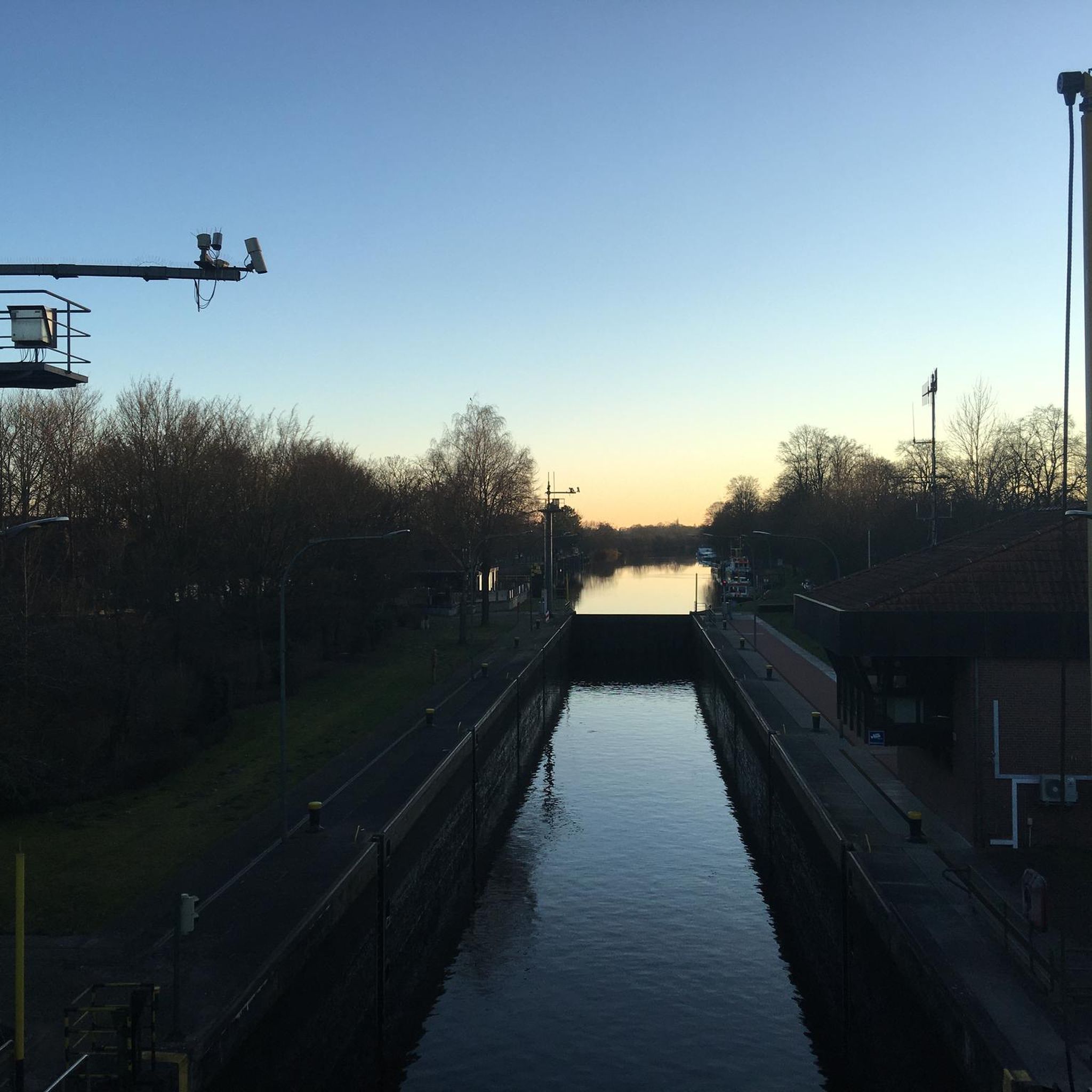
Magnificent port
1
0

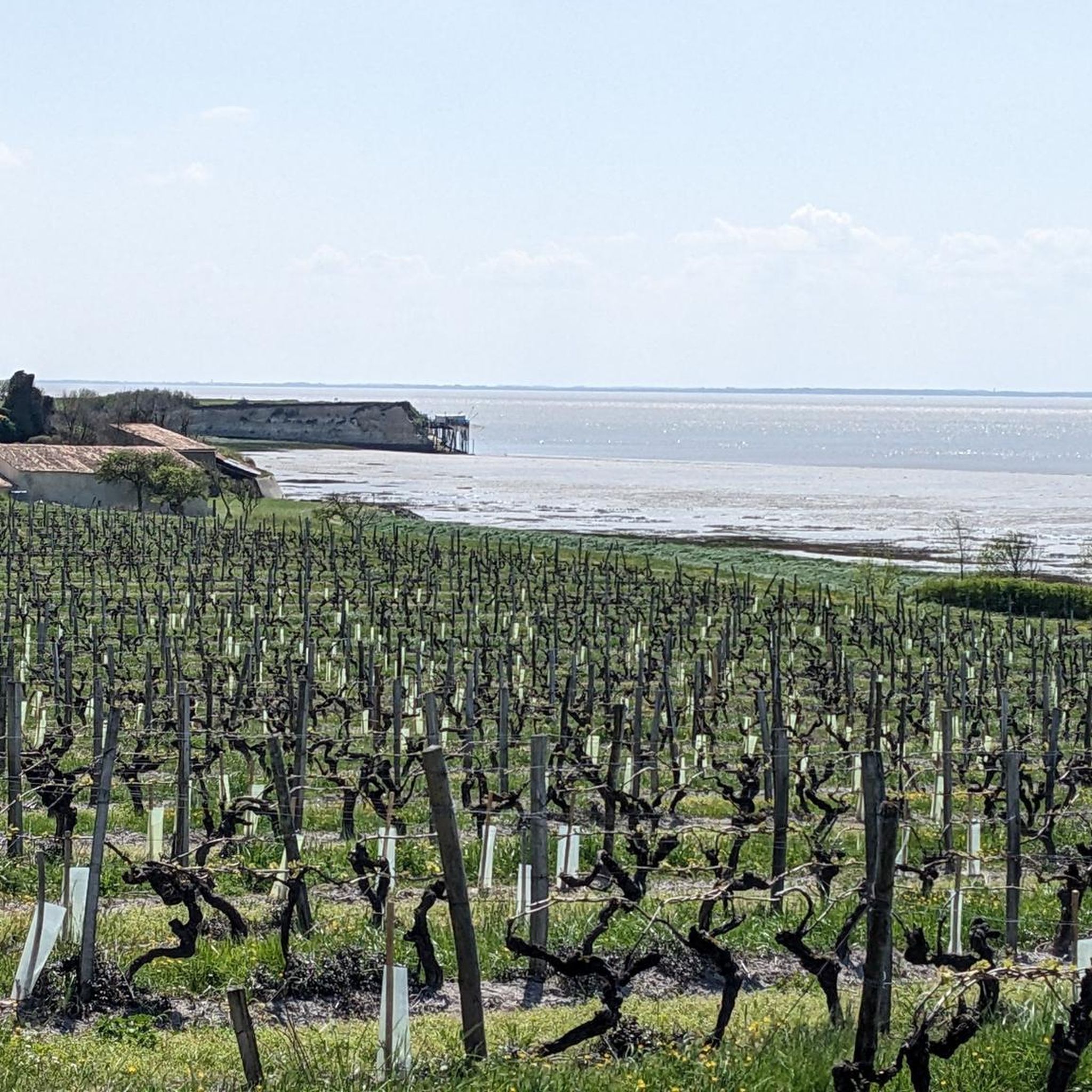
Historic barn in the coastal lowland pastures along the Maubert channel
0
0

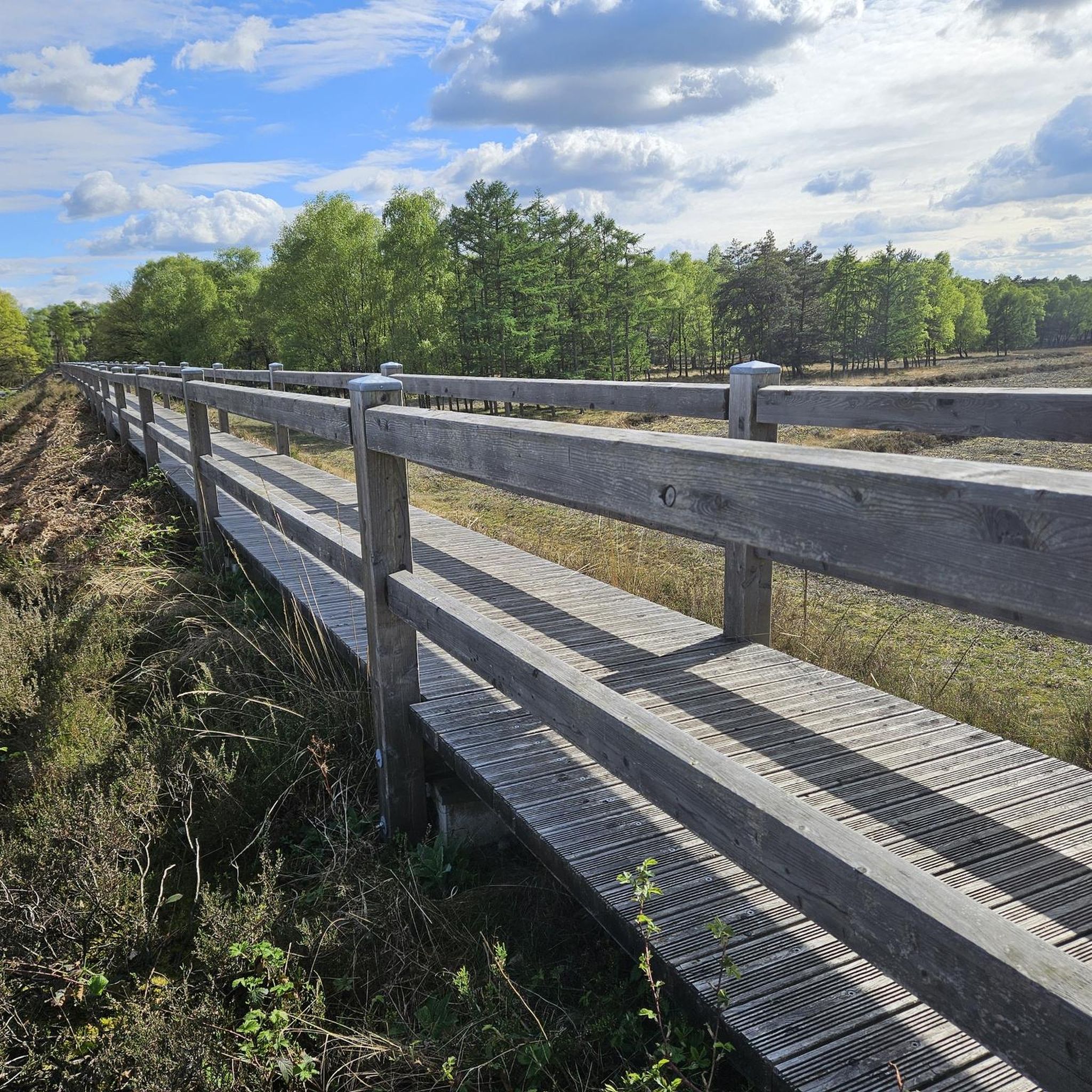
nice little hike
1
0

Good selection of restaurants, however if like us you want to create your own lunch the supermarket is 10 minutes up hill on your bicycle.
0
0

magnificent place full of calm, on the edge of the estuary of the gironde and the limestone cliffs.
0
0

Built in the 11th and 12th centuries, this church, listed as a historic monument in 1912, is a spectacular work of art. Well worth the drive past when crossing town!
0
0
The Mortagne-sur-Gironde marina is located in the Charente-MaritimeAddress 9, place Parias 17120 Mortagne-sur-Gironde - GPS position-0.793356, 45.477200 - Landline: 05 46 90 63 15 - Mobile: 06 43 48 91 93 - VHF channel: 9 - Harbor master: Stéphane Donot The port of Mortagne-sur-Gironde has a capacity of 150 boats on pontoons but also a visitor area for stopovers with 20 places available. It is reserved for boats under 19 m. Attention, the maximum draft is 4 m. The depth of the outer harbor is 2.5 m (average tides) with dredged channel, of the basin 4 m on average, of the channel 3 m (average tides). The voltage and intensity of the electrical terminals are 220 V/16 A on the quay and 220 V/6 A on the pontoon. Water on the pontoon. Ice cream available at the Café de la Rive. The amenities include: 4 toilets and 2 showers, 2 sinks, 2 washing tubs, WIFI. Guarding ashore and afloat. A beaching area is available: 2 slipways (including 1 slipway), Slip, Shipyard.
1
0
Frequently Asked Questions
What kind of terrain can I expect on road cycling routes around Jarnac-Champagne?
The landscape around Jarnac-Champagne is characterized by gently rolling hills and open agricultural plains, typical of the Charente region. Routes often traverse through vineyards, small villages, and past historical châteaux, offering a blend of cultural and natural scenery. The terrain generally presents moderate elevation changes, making it suitable for various road cycling abilities.
Are there many road cycling routes available in Jarnac-Champagne?
Yes, there are over 200 road cycling routes around Jarnac-Champagne. This includes a good mix of easy, moderate, and some more challenging options to suit different skill levels.
Are there any easy road cycling routes suitable for beginners or families?
Absolutely. Jarnac-Champagne offers 57 easy road cycling routes. One excellent option is the Roadbike loop from Chadenac, which is 37.3 km long and features minimal elevation gain, making it very accessible.
What are some moderate road cycling routes for experienced cyclists?
For those seeking a moderate challenge, there are 139 routes. Consider the Saint-Sauvant, Chaniers and Chadenac loop, a 84.5 km route that connects several charming villages, or the Saint-Martin de Moings church loop from Chadenac, which is 54.6 km long.
What kind of attractions can I see along the road cycling routes in Jarnac-Champagne?
Many routes pass by historical landmarks and through scenic rural landscapes. You might encounter sights such as the Pons Donjon, Jonzac Castle, or the historic Saint-André Church of Clion. These attractions add a cultural dimension to your ride.
Are there any circular road cycling routes or loops in the area?
Yes, many of the routes around Jarnac-Champagne are designed as loops, allowing you to start and finish in the same location. Examples include the Château d'Ars – Abbaye de la Frenade loop from Chadenac and the Jonzac Castle loop from Jarnac-Champagne.
What is the best season for road biking in Jarnac-Champagne?
The Charente region generally enjoys a mild climate. Spring and autumn offer pleasant temperatures and beautiful scenery, with vineyards in bloom or displaying vibrant fall colors. Summer can be warm, so early morning or late afternoon rides are often preferred during peak season.
What do other road cyclists enjoy most about road cycling in Jarnac-Champagne?
The area is highly rated by the komoot community, with an average score of 4.6 stars from over 14 reviews. Reviewers often praise the quiet roads, the picturesque vineyards, and the charming villages encountered along the routes, highlighting the blend of natural beauty and cultural interest.
Are there options for parking near the road cycling routes?
Given the rural nature of Jarnac-Champagne and its surrounding villages, you can typically find parking in or near the starting points of many routes. Look for public parking areas in the villages like Chadenac or Jarnac-Champagne itself.
What are the typical trail conditions for road biking in this region?
The road cycling routes primarily use paved roads, ranging from well-maintained main roads to quieter country lanes. As with any rural area, be mindful of agricultural vehicles and occasional debris, but generally, the surfaces are suitable for road bikes.
Can I find places to eat or drink along the road cycling routes?
Many routes pass through small villages where you can find local bakeries (boulangeries), cafes, or small restaurants to refuel. It's always a good idea to check opening times, especially in smaller hamlets, or carry some snacks and water with you.
Most popular routes around Jarnac-Champagne
Most popular attractions around Jarnac-Champagne

Get inspired with the komoot mobile app


Explore more
Browse the best Road cycling routes in other regions.
