Attractions and Places To See around Chadenac - Top 18
Attractions and places to see around Chadenac include historical landmarks, natural features, and cultural sites within the Charente-Maritime department of France. The region is characterized by its Romanesque architecture and extensive viticulture, particularly within the Cognac appellation zone of "Petite Champagne." Visitors can explore ancient structures and enjoy the rural landscape, which features numerous hiking trails through vineyards.
Best attractions and places to see around Chadenac
- The most popular attractions is Pons Donjon, a castle that is a 33 m high medieval defense tower, visible from a long distance and a symbol of the city. It is one of the finest examples of a Romanesque donjon in western France.
- Another must-see spot is Jonzac Castle, a historical castle with parts dating back to the 12th century. The castle now houses the Town Hall and sub-prefecture, with a cloister restored to house a cultural center and archaeological museum.
- Visitors also love Saint Paul Chapel, a 12th-century Templar chapel that has been renovated and maintained. A mass is celebrated there annually on August 15.
- Chadenac is known for its Romanesque architecture, viticulture, and historical sites. The region offers a variety of attractions to see and explore, from ancient structures to vineyard landscapes.
- The attractions around Chadenac are appreciated by the komoot community, with more than 30 upvotes and 30 photos shared by visitors.
Last updated: June 23, 2026
Pons Donjon
Highlight • Castle
With the Saint-Gilles chapel, the remains of the ramparts and the main building, it constitutes the remains of the ancient castle of Pons.
Translated by Google •
Tip by

Jonzac Castle
Highlight • Castle
Currently the north wing of the castle houses the buildings of the Town Hall (restored in the 19th century), and the south wing, those of the sub-prefecture. The cloister was restored between 1976 and 1978, and now houses a cultural center, with exhibition halls and an archaeological museum.
The towers, postern and fountain in the basement date from the 12th century. Of the old feudal castle, only the postern and an isolated tower remain, connected to the main body by a large hall.
The moat in front of the drawbridge was filled was filled in the 19th century. It was reopened at the beginning of the 21st century.
The imposing gatehouse is marked 1549 and therefore dates from the 16th century, a period of work including the north-west tower, while the south-west tower, of a smaller diameter, is from the 17th century. The towers flanking the postern have retained their defenses. At each, the loopholes have been retained or enlarged. Stone stairs serve each floor and access the walkway. This passage seems to have been discovered, as evidenced by the gargoyles. The crenellation includes machicolations with archers in the middle of the merlons. The slate roofs are high pepperboxes on the towers, and a curious set with two sides connecting two pepperboxes for the gatehouse
The fountain located in the basement of the sub-prefecture, has a niche and a niche frame decorated with sculptures imitating stalactites. Carved mask. The fountain was probably built by Léon de Sainte-Maure, Count of Jonzac, who enlarged and embellished the castle in the middle of the 12th century.
In a former courtyard of the castle, a theater was built in the 19th century. It is a round building with approximately 300 seats.
Translated by Google •
Tip by

Sign up now to discover places like this
Get recommendations on the best single tracks, peaks, & plenty of other exciting outdoor places.
Sign up for free
Saint Paul Chapel
Highlight • Other
Translated by Google •
Tip by

Donkey bridge
Highlight • Other
Translated by Google •
Tip by
Saint-André Church of Clion
Highlight • Religious Site
Translated by Google •
Tip by
Sign up for free to discover even more attractions around Chadenac.
Sign up for free
Already have an account?
Start today with a free account
Your next adventure awaits.
Login or Signup

Tips from the Community

You can also spend a night at the Saint James House B&B, quality guest rooms, swimming pool and view of the Donjon 🙂
0
0

The keep of Pons is located in the commune of Pons in the French department of Charente-Maritime in the Nouvelle-Aquitaine region. This tower is the old keep of the castle of Pons. 33 m high, it is visible from a long distance and is the symbol of the city. With the Saint-Gilles chapel, the remains of the ramparts and the main building, it constitutes the remains of the ancient castle of Pons.
1
0

This Templar chapel was built in the 12th century and renovated in 1706. It was acquired in 1949 by Mr. and Mrs. Frédéric, the current owners, who completely restored it. Since 1986, on August 15 of each year, a mass has been celebrated there.
2
0
This Romanesque church was built in the 12th century, but all that remains of the original building is the bell tower. It was modified in the 15th and 16th centuries. A Renaissance style facade replaces the original facade and the square bell tower was built in the 12th century.
2
0
Dating from the Gallo-Roman period, the so-called "Pas de la Mule" bridge is located on the Seugne. Made up of 6 blocks of stone, it linked the village of Lansac to a water mill called "la cité". It also allowed the passage of animals transporting cereals and flour between the watermill, in the commune of Saint Georges Antignac, and the windmills of Les Groies in Clion.
2
0

For people with a head for heights, it is worth climbing the 30-metre-high tower. There is also a museum in the building. It is one of the 'Monument historique' in France.
0
0

Charming little piece of nature. The chapel (above) can be visited when it is open. A skeleton welcomes you but don't worry, it is very discreet!
0
0

In 1073, the castle already exists; the first known lord was Guillaume de la Rochandry at the beginning of the 12th century. The 1449 inscription on the castle attests to its reconstruction following the destruction caused by the Hundred Years War. In 1505, Jean de Sainte-Maure, lord of Jonzac, founded the Carmelite monastery on the remains of an old chapel dedicated to Saint Nicolas. The cloister was built in 1657. The young Louis XIV, the Queen Mother and Mazarin stayed at the castle in 1659. The castle remained at Sainte-Maure until the end of the 17th century, then passed through marriage to Espardes de Lussan, which transformed the fortress in beautiful stately home with neat ornamentation and guard until the Revolution. Currently the north wing of the castle houses the buildings of the Town Hall (restored in the 19th century), and the south wing, those of the sub-prefecture. The cloister was restored between 1976 and 1978, and now houses a cultural center, with exhibition halls and an archaeological museum. The towers, postern and fountain in the basement date from the 12th century. Of the old feudal castle, only the postern and an isolated tower remain, connected to the main body by a large hall. The moat in front of the drawbridge was filled was filled in the 19th century. It was reopened at the beginning of the 21st century. The imposing gatehouse is marked 1549 and therefore dates from the 16th century, a period of work including the north-west tower, while the south-west tower, of a smaller diameter, is from the 17th century. The towers flanking the postern have retained their defenses. At each, the loopholes have been retained or enlarged. Stone stairs serve each floor and access the walkway. This passage seems to have been discovered, as evidenced by the gargoyles. The crenellation includes machicolations with archers in the middle of the merlons. The slate roofs are high pepperboxes on the towers, and a curious set with two sides connecting two pepperboxes for the gatehouse The fountain located in the basement of the sub-prefecture, has a niche and a niche frame decorated with sculptures imitating stalactites. Carved mask. The fountain was probably built by Léon de Sainte-Maure, Count of Jonzac, who enlarged and embellished the castle in the middle of the 12th century. In a former courtyard of the castle, a theater was built in the 19th century. It is a round building with approximately 300 seats.
0
0
Frequently Asked Questions
What historical landmarks can I explore near Chadenac?
The region around Chadenac is rich in history. You can visit the impressive Pons Donjon, a 33-meter-high medieval defense tower and a prime example of Romanesque architecture. Another significant site is Jonzac Castle, with parts dating back to the 12th century, now housing the Town Hall and an archaeological museum. Don't miss the 12th-century Saint Paul Chapel, a renovated Templar chapel, or the ancient Donkey bridge, a Gallo-Roman structure over the Seugne.
Are there any notable religious buildings to visit in the area?
Yes, Chadenac itself is home to the Romanesque-style Church of St. Martin, dating back to the 12th century, featuring unique figures and a finely crafted tabernacle. Additionally, you can explore the Saint-Germain Church of Saint-Germain-de-Lusignan, which retains its Romanesque bell tower and apse from its 12th-century construction, alongside later alterations.
What natural features and landscapes characterize the Chadenac region?
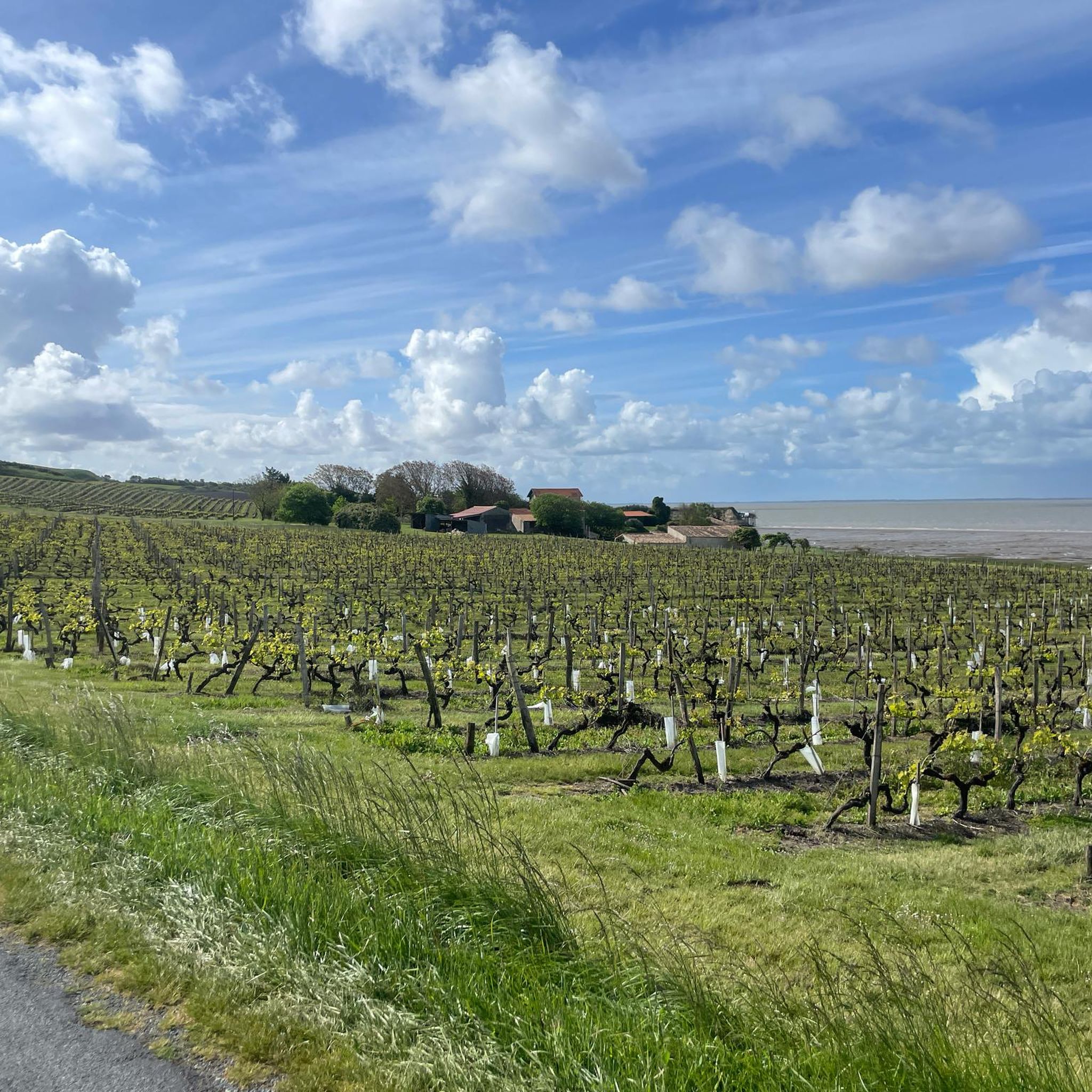
The landscape around Chadenac is primarily defined by its discreetly undulating Cognac vineyards, specifically within the prestigious "Petite Champagne" area. These vineyards offer beautiful scenery and opportunities for wine tourism. The region also features the Seugne river, crossed by the ancient Donkey bridge.
What outdoor activities can I do near Chadenac?
The Chadenac area is excellent for various outdoor activities. You can enjoy road cycling on routes like the 'Saint-Sauvant, Chaniers and Chadenac loop' or the 'Château d'Ars – Abbaye de la Frenade loop'. For gravel biking, consider routes such as the 'Donjon de Pons – Great passage through the forest loop'. Mountain biking enthusiasts can explore trails like the 'Climbing spots – Great passage through the forest loop'. Find more details on these activities in the dedicated guides for Road Cycling, Gravel Biking, and MTB Trails around Chadenac.
Are there hiking trails available around Chadenac?
Yes, for hiking enthusiasts, the territory allows access to sections of the old Saint-Jacques path from Saintes. Additionally, numerous trails are accessible along the wine plots, providing scenic routes for walking and enjoying the vineyard landscape. These trails offer a great way to experience the rural tranquility of the region.
What is the historical significance of Chadenac?
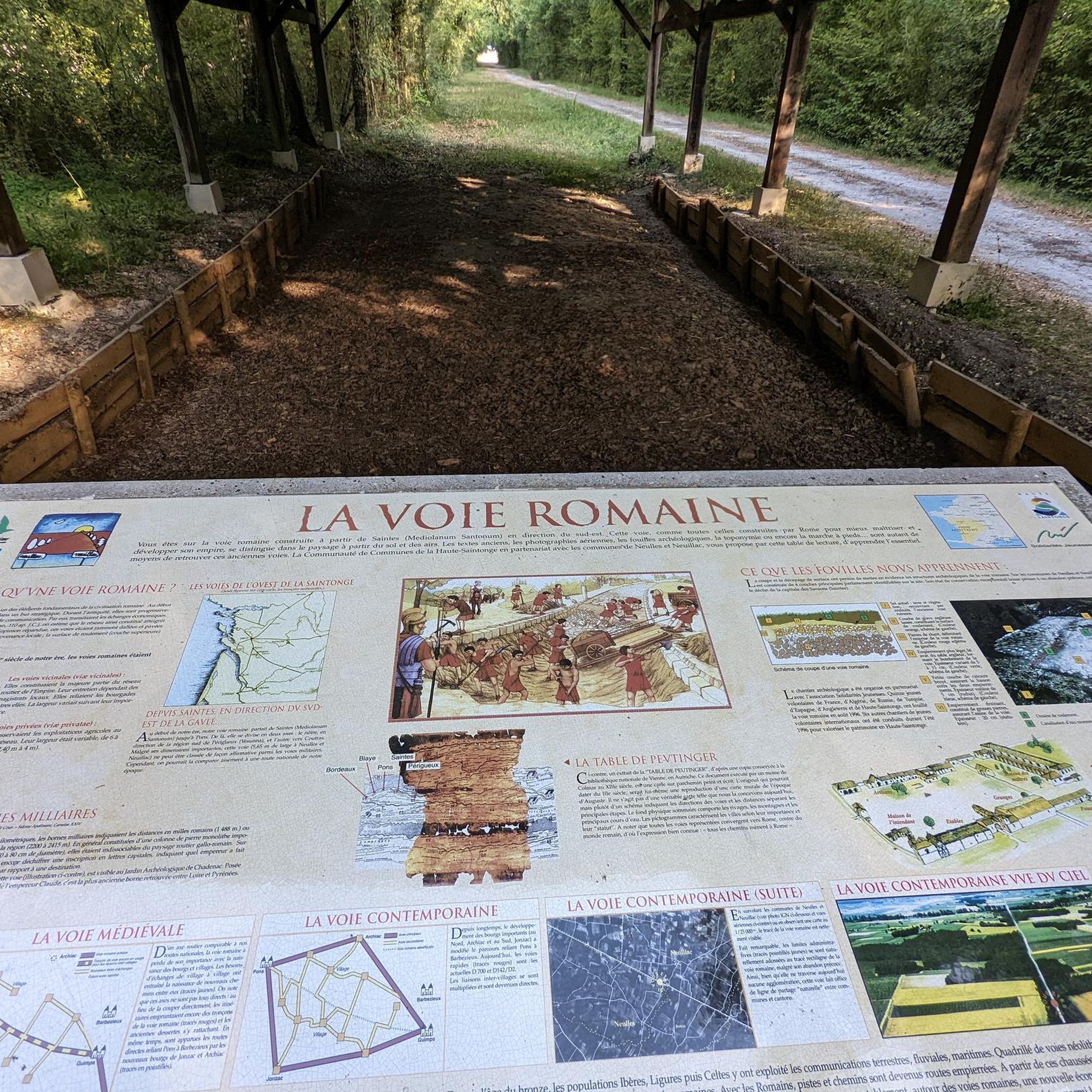
Chadenac holds historical significance as it was once a stop on one of the busiest Saint-Jacques pilgrimage routes. The village also had a fortified castle, though it has since disappeared. The presence of the 12th-century Church of St. Martin and an old Roman milestone near it, marking the 24th Roman mile from Saintes, further underscores its long history.
Are there family-friendly attractions or activities in the Chadenac area?
Yes, several attractions are suitable for families. The Pons Donjon is categorized as family-friendly, offering an engaging historical experience. The Saint-Germain Church of Saint-Germain-de-Lusignan also has a great children's park nearby. Additionally, the green site around the Donkey bridge is furnished with tables, making it conducive for family relaxation and fishing.
Can I experience local culture and produce in Chadenac?
Absolutely. Chadenac is located in the heart of the "Petite Champagne" Cognac appellation zone, making viticulture a central part of its culture. Breaks for tasting at local Cognac producers are a popular activity. You can also experience local life and produce at the green market held on Sunday mornings in front of the halls.
What do visitors enjoy most about the attractions around Chadenac?
Visitors particularly appreciate the rich historical context and the well-preserved architecture, such as the medieval Pons Donjon and the ancient Saint Paul Chapel. The tranquil vineyard landscapes and the opportunities for outdoor activities like hiking and cycling are also highly valued. The komoot community has shared over 30 photos and given more than 30 upvotes, highlighting the appeal of these diverse attractions.
What is the best time of year to visit Chadenac for outdoor activities?
While specific seasonal weather details are not provided, regions known for viticulture and outdoor trails like Chadenac are generally pleasant during spring and autumn. These seasons offer milder temperatures ideal for hiking through vineyards and exploring historical sites without the intense heat of summer or the chill of winter. Summer can also be enjoyable, especially for Cognac tastings and market visits.
Are there any specific viewpoints or scenic spots in the Chadenac area?
The discreetly undulating landscape of the Cognac vineyards themselves offers many scenic views, particularly along the hiking trails that wind through the wine plots. The Pons Donjon, being a 33-meter-high tower, is visible from a long distance and likely offers panoramic views of the surrounding area from its top.
Most popular routes around Chadenac

Get inspired with the komoot mobile app


Explore more
Still not found the Highlight you’re looking for? See guides of the top attractions in other regions:
