The best walks and hikes around La Jarrie
4.5
(348)
5,003
hikers
155
hikes
Hiking around La Jarrie offers exploration of the "campagne aunisienne," characterized by expansive open fields, small woodlands, and shaded pathways. The region features an arboretum and Benjes hedges, enhancing its natural appeal. The terrain has minimal changes in altitude, making hiking trails accessible for various fitness levels. These features provide a tranquil and verdant backdrop for outdoor pursuits.
Best hiking trails around La Jarrie
- The most popular hiking route is La Jarne Discovery Trail, a 9.6 miles (15.4 km)…
Last updated: May 20, 2026
3
hikers
15.4km
03:54
30m
30m
Moderate hike. Good fitness required. Easily-accessible paths. Suitable for all skill levels.
9
hikers
Easy hike. Great for any fitness level. Easily-accessible paths. Suitable for all skill levels.

Sign up for free
6
hikers
7.77km
01:59
30m
30m
Easy hike. Great for any fitness level. Easily-accessible paths. Suitable for all skill levels.
5
hikers
12.1km
03:07
50m
50m
Moderate hike. Good fitness required. Easily-accessible paths. Suitable for all skill levels.
4
hikers
7.78km
01:59
20m
20m
Easy hike. Great for any fitness level. Easily-accessible paths. Suitable for all skill levels.
Get access to more routes and recommendations from other explorers.
Sign up for free
Already have an account?
Our route recommendations are based on thousands of hikes, rides, and runs completed by other people on komoot.
Start today with a free account
Your next adventure awaits.
Login or Signup

Tips from the Community


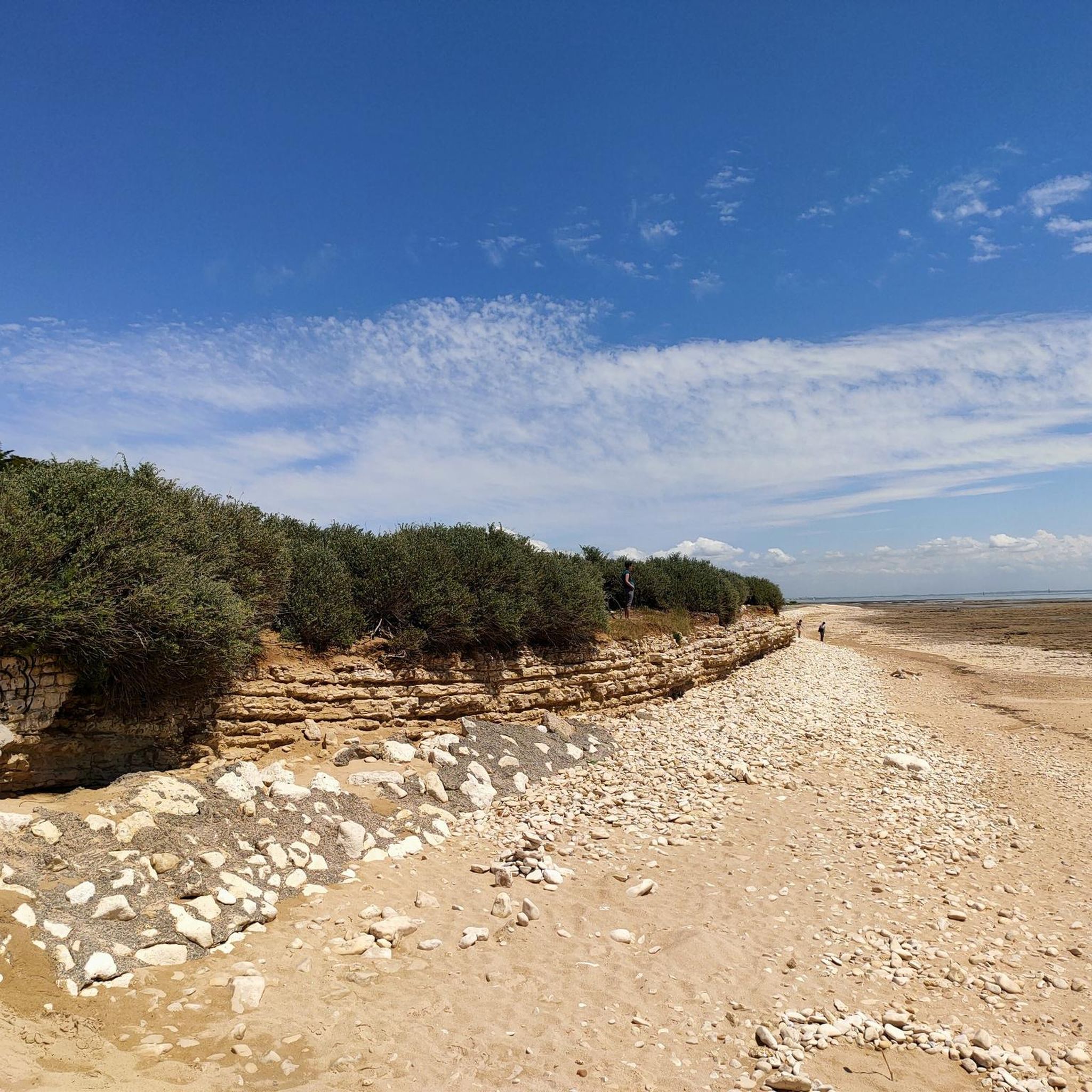
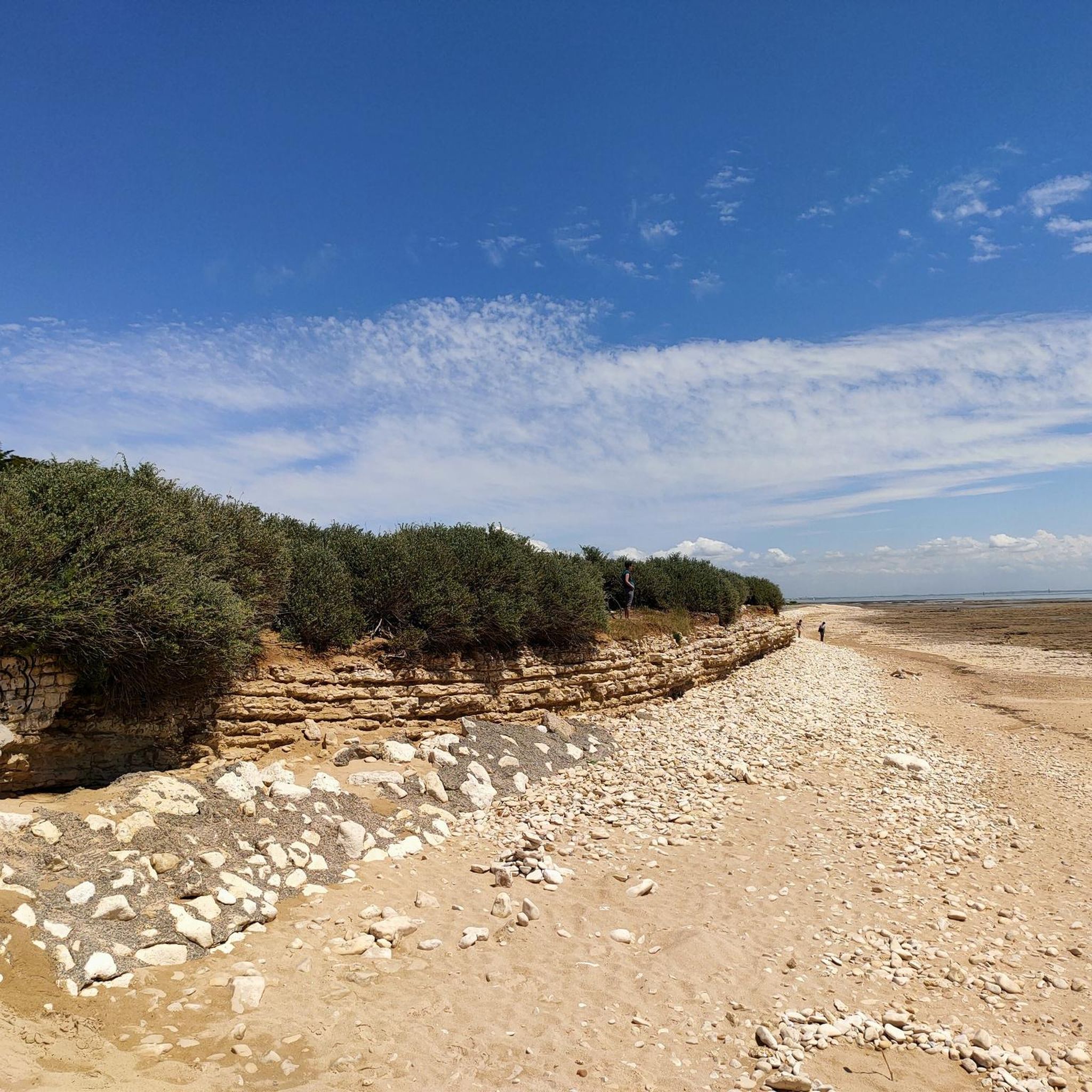
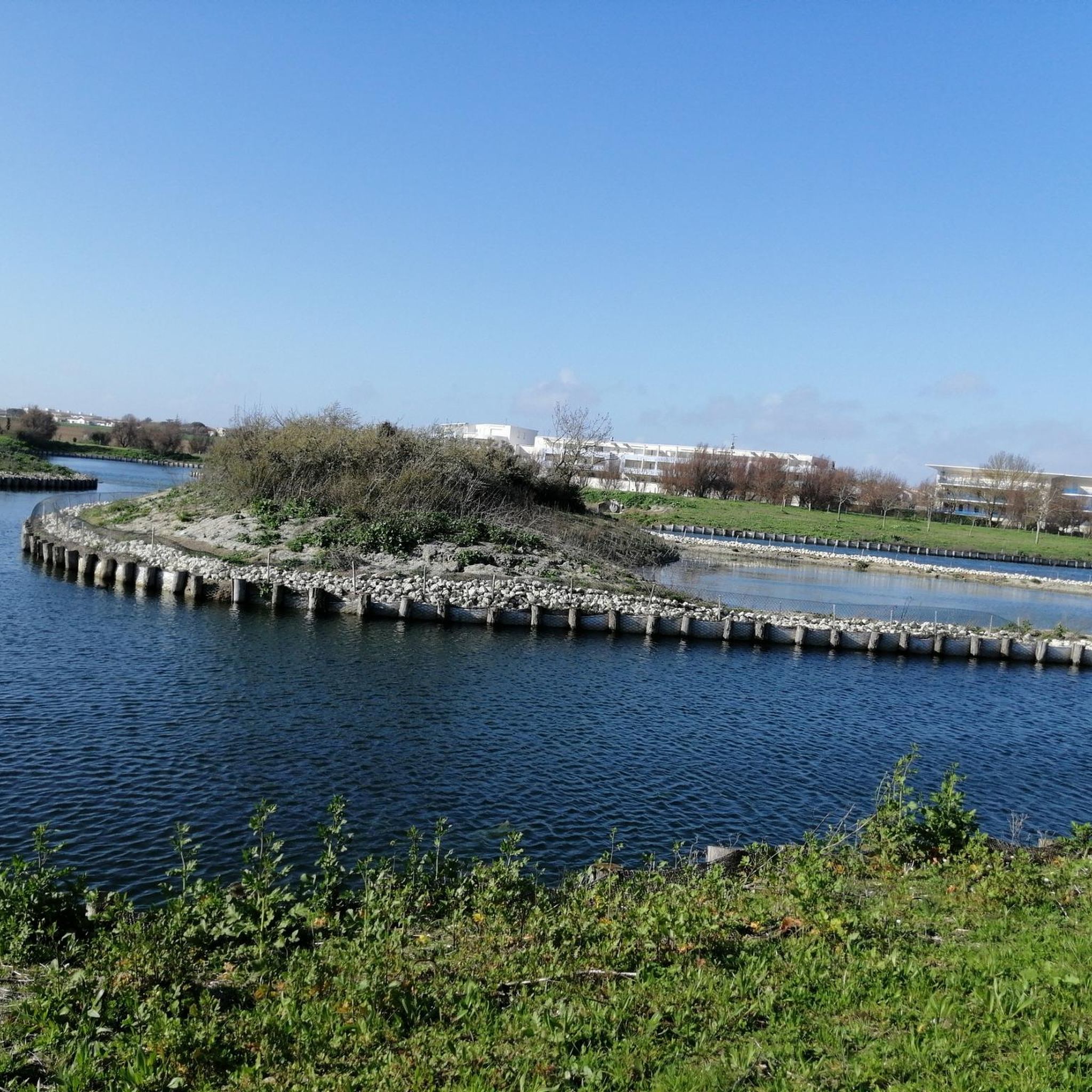
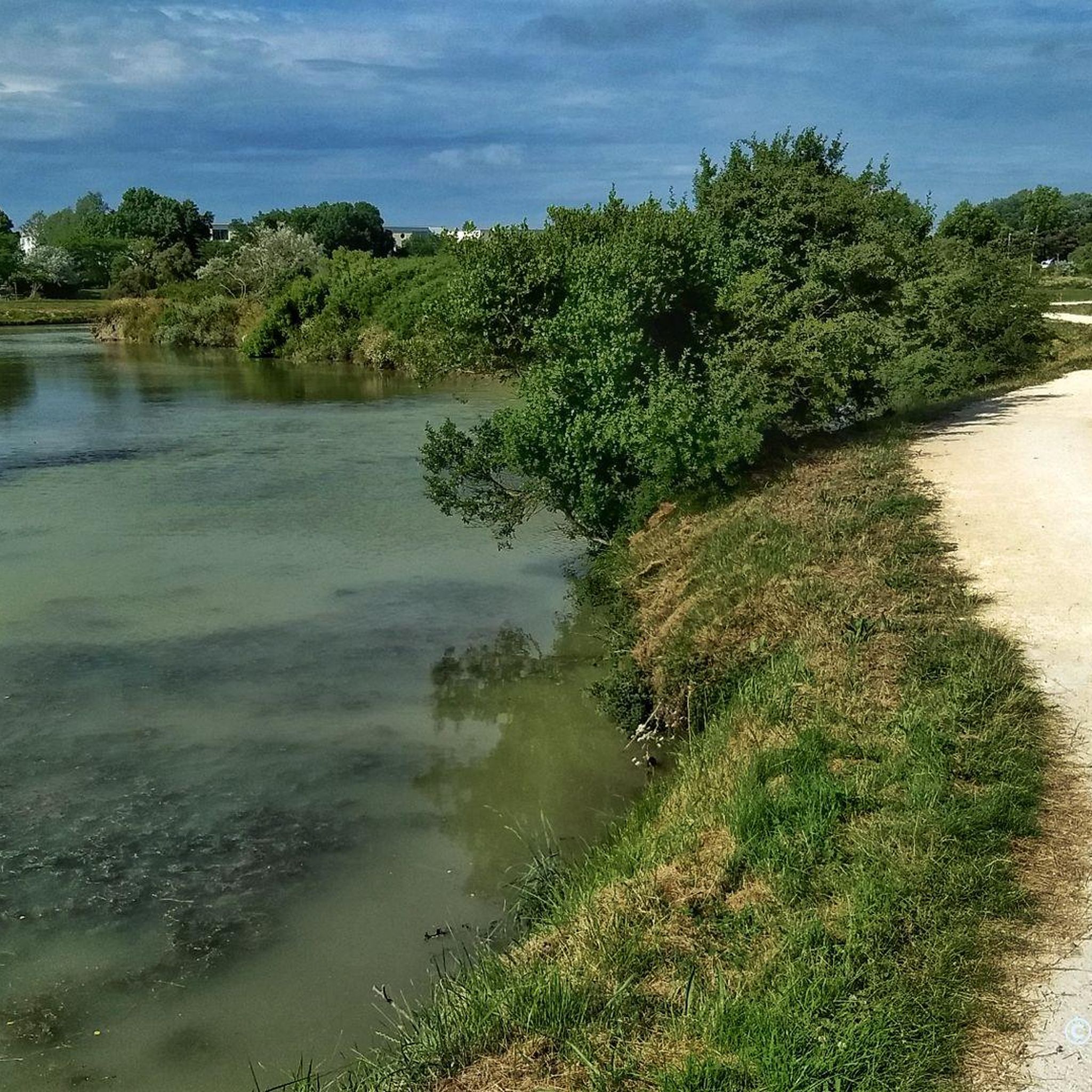
Lac de Frace is a very pleasant body of water. Trails are laid out there to go around it. Picnic tables and playgrounds for children are available.
1
0

In February 1787, Marie Louise Henriette married a young officer, Étienne-Pierre de Montbron: the current owners of this castle are their direct descendants.
2
0
Lac de Frace is known for the prehistoric finds made at the site, dating from the Mesolithic and Early Neolithic (10,000 to 4,000 BC). It was actually formed by the extraction of peat from the site during the two world wars, so that the local inhabitants used it as fuel to heat their homes instead of coal.
2
0

Former peat farms rehabilitated into a natural leisure area. Unmissable place for a stroll for families Various activities, events and on-site catering, depending on the time of year.
0
0

Built around 1771, the Château de Buzay in La Jarne bears witness to the art of living experienced by the city of La Rochelle when privileged links were established between its port and the colonies of the New World. Spanning the ages, Buzay is a "living" home of a family who has lived there since its construction. On May 1, 1771, Pierre-Étienne Harouard, Lieutenant General of the Admiralty of La Rochelle and his wife, Marie Agathe Petit du Petit Val, had their daughter, Marie Louise Henriette, 3, laid the first stone of Buzay. The "house in the fields" that they had built on their seigneury of La Jarne, six hundred steps from the Château du Beignon that Pierre Harouard, Pierre-Étienne's grandfather, bought in 1686, really too inconvenient for their taste. Subsequently, sixteen years later, in February 1787, Marie Louise Henriette married a young officer, Étienne-Pierre de Montbron: the current owners are their descendants in direct line. Buzay's plans are from Ducret, a Parisian architect close to Jacques Ange Gabriel, called by the bishop of La Rochelle, Mgr de Crussol d'Uzès, to rebuild the cathedral in ruins after the siege of 1628. Without anyone knowing how, Harouard obtained the plans through the intermediary of the bishop, his friend, and appealed to Henri Tourneur, entrepreneur from La Rochelle, to implement them. From then on, plan in hand, with the continual assistance of Harouard who supervised the work and specified his wishes in the details of the execution, Henry Tourneur built Buzay and his outbuildings, the gates enclosing the courtyard being in place, in five years, between 1771 and 1776. The performers were local craftsmen, Dutour master mason in La Jarne, Wise master carpenter in Salles, Ferry and Girard stonemasons in La Rochelle, Robert ironworker in La Rochelle to name only the main ones. Between courtyard and garden, a completed type of this Louis XVI neoclassical style, recalling that it was in 1750 that the discovery of Pompeï began, little by little unearthed from the ashes that had buried it. Our architects were reconnecting with their great elders of yesteryear. The hypostyle on the courtyard side, the curved columns, the Ionic capitals, the pediment: so many obvious borrowings from ancient Greek architecture. https://www.chateaudebuzay.fr
0
1

The peculiarities of this tree can be read on the plate installed nearby. A Zen or meditative moment is appropriate under its shadow.
2
0

Du haut de ses 900 ans, l’église Notre Dame domine le village de Salles-sur-Mer. A son origine, elle dépendait du prieuré de l’île d’Aix. Orientée Nord/Sud, elle resplendit dans un écrin de verdure bien que son aspect extérieur soit relativement sobre. Toutefois quelques vestiges de la merveilleuse architecture gothique des Plantagenet des XII° et XIII° restent perceptibles pour un œil attentif et lui donnent quelques éclats. Édifiée entre le XI° et XII° siècle, elle fut l’objet de deux sinistres relativement importants. Tout d’abord aux prises avec un violent incendie lors du siège des Anglais en 1356 et ensuite détruite aux ¾ durant les guerres de Religion qui ont fait rage dans la région. Elle fut reconstruite sur les pierres restantes au XVII° siècle après le siège de La Rochelle L’église primitive reste présente dans l’arc triomphal sur faisceaux de colonnes à chapiteaux sculptés, les voutes du chœur et la chapelle latérale En ce début du XXI° siècles, 3 vitraux modernes dus au maitre verrier de Ruffec Philippe Riffaud ont été placés dans les 3 principales fenêtres. Un projet porté par la Commune de Salles-sur-Mer consiste à poursuivre ce programme global par un 4° vitrail du même verrier en attendant les suivants dans des phases ultérieures . Il est étendu à la restauration de 2 bustes reliquaires en bois et à celle de la statue de la Vierge Marie. Et enfin, détail pratique, doter l’église d’une installation de chauffage plus moderne. Sous l’égide de la Fondation du Patrimoine, la Commune de Salles-sur-Mer a lancé une souscription publique pour associer toute personne publique ou morale de la commune ou d’ailleurs à ce projet d’envergure de restauration. Un très concis PdF d’une vingtaine de pages avec de très beaux croquis et dessins, rappelant l’histoire de cette église, a été réalisé par Monsieur AUBRY , chef d’Escadron (ER) de la gendarmerie avec l’aide de son épouse Mme AUBRY née LENOBLE, assistante sociale Chef. Pour toutes les personnes intéressées par l'histoire plus approfondie de cette magnifique église, Il est disponible sous le lien suivant http://www.salles-sur-mer.fr/wp-content/uploads/Notre-Dame-de-Salles-Eglise.pdf
0
1
Frequently Asked Questions
How many hiking trails are available around La Jarrie?
There are over 140 hiking routes around La Jarrie, offering a wide variety of options for different preferences and fitness levels. The komoot community has explored more than 5,000 of these routes.
What kind of terrain can I expect on hikes near La Jarrie?
The terrain around La Jarrie is characterized by the picturesque "campagne aunisienne," featuring a pleasant mix of open fields, small woods, and shaded pathways. You'll find minimal elevation changes, making most trails accessible. The area also boasts an arboretum and Benjes hedges, contributing to its natural appeal.
Are there easy hiking trails suitable for beginners or casual walkers in La Jarrie?
Yes, La Jarrie offers a significant number of easy trails, with 86 routes classified as easy. An excellent option for a relaxed walk is the 3.4-mile (5.4 km) Church of Aigrefeuille-d'Aunis – Lake Frace loop from Aigrefeuille-d'Aunis, which leads through charming rural settings.
Are there any circular hiking routes around La Jarrie?
Yes, many of the trails around La Jarrie are circular. For example, you can enjoy the 9.6-mile (15.4 km) La Jarne – loop, which meanders through fields and connects multiple communes. Another great option is the 4.7-mile (7.7 km) Le Moulin Cabané loop from Saint-Médard-d'Aunis.
What historical or natural landmarks can I discover while hiking in La Jarrie?
While hiking, you can explore traces of La Jarrie's ancient ramparts and wander through its narrow, picturesque streets. The region also features restored washhouses, public wells, a lime kiln, and a dovecote within an old farm. Naturally, you'll encounter the arboretum and Benjes hedges, showcasing local flora and biodiversity.
What do other hikers enjoy most about the trails in La Jarrie?
The trails in La Jarrie are highly rated by the komoot community, with an average score of 4.4 stars from over 300 reviews. Hikers often praise the tranquil and verdant backdrop, the mix of open fields and shaded pathways, and the accessibility of routes for various fitness levels.
Are there any moderate hiking trails for a more challenging experience?
Yes, there are 53 moderate hiking trails available. A popular moderate option is the 9.4-mile (15.2 km) Lake Frace – Fromagerie Les Ouches loop from Aigrefeuille-d'Aunis, which offers a diverse experience through villages, open fields, and small wooded areas.
What is the best time of year to go hiking in La Jarrie?
La Jarrie's pleasant climate makes it suitable for hiking for much of the year. Spring and autumn offer comfortable temperatures and beautiful scenery, while summer provides warm, sunny days ideal for exploring the shaded pathways. Even winter can be pleasant for walks, given the minimal elevation changes.
Are the hiking trails around La Jarrie suitable for families with children?
Yes, many of the trails, particularly the 86 easy routes, are well-suited for families. The minimal elevation changes and varied landscapes of fields and woods provide an enjoyable and manageable experience for children. The arboretum within the village also offers a curated green space for a family stroll.
Is La Jarrie well-connected to other attractions for a combined trip?
Absolutely. La Jarrie's strategic location, just 13 kilometers from La Rochelle, makes it an ideal base. You can easily combine your hiking adventures with visits to La Rochelle's historic towers, bustling harbor, Aquarium, or Maritime Museum. Nearby seaside resorts like Châtelaillon-Plage also offer additional opportunities for coastal walks and relaxation.
Where can I find parking for hiking trailheads in La Jarrie?
While specific parking areas for every trailhead are not detailed, La Jarrie is a commune with accessible village centers. It's generally possible to find parking within the village or near the starting points of many local routes, especially those that pass through or begin in the smaller surrounding villages.
Are there any specific natural features or unique flora to look out for?
Yes, the region's name 'Jarrie' itself is linked to the Kermes oak, which once thrived here. You can also observe the arboretum within the village, showcasing local flora, and the 'haies de Benjes' (Benjes hedges), which are designed to promote local biodiversity and sustainable environmental practices.
Most popular routes around La Jarrie
Most popular attractions around La Jarrie

Get inspired with the komoot mobile app


Explore more
Browse the best Hikes in other regions.
