Attractions and Places To See around Pierremande - Top 20
Best attractions and places to see around Pierremande, a commune in the Aisne department of France, offer a glimpse into a rich historical past and natural surroundings. The area is characterized by the Ailette river, forests, and agricultural land. Pierremande holds ancient roots, with historical monuments like Église Saint-Martin, and was significantly impacted by World War I. It provides a tranquil setting for those interested in history and outdoor appreciation.
Best attractions and places to see around Pierremande
- The most…
Last updated: June 23, 2026
Coucy Castle
Highlight • Castle
Translated by Google •
Tip by

Laon Gate (Coucy-le-Château-Auffrique)
Highlight • Other
Translated by Google •
Tip by

Sign up now to discover places like this
Get recommendations on the best single tracks, peaks, & plenty of other exciting outdoor places.
Sign up for free
Hermitage Rock Caves
Highlight • Cave
Translated by Google •
Tip by
Saint-Sauveur Church of Coucy-le-Château-Auffrique
Highlight • Religious Site
Tip by

Tergnier
Highlight • Settlement
After the First World War, the completely destroyed city had to be rebuilt: Tergnier thus became the site of the construction of …
Translated by Google •
Tip by

Sign up for free to discover even more attractions around Pierremande.
Sign up for free
Already have an account?
Start today with a free account
Your next adventure awaits.
Login or Signup


Tips from the Community


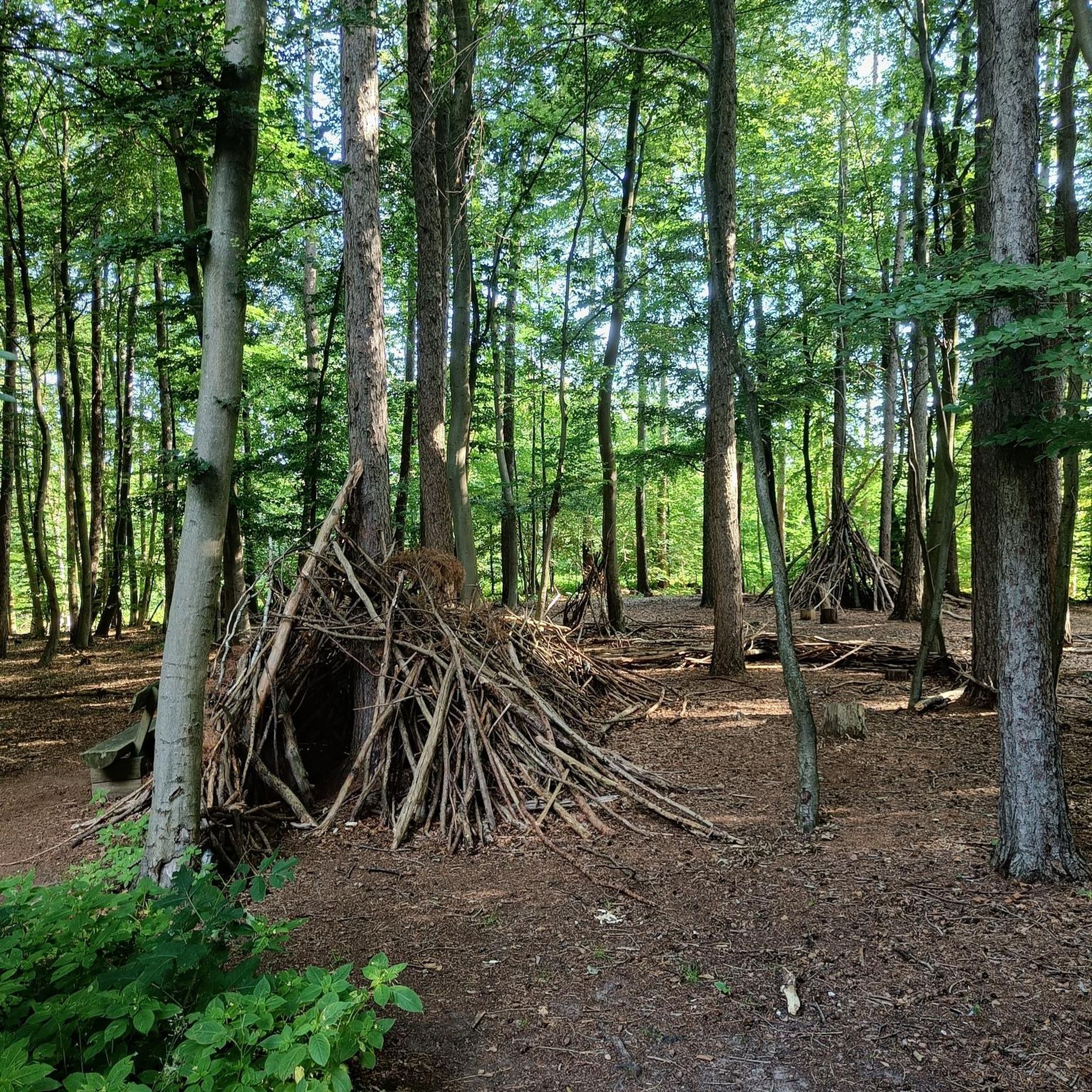
Tergnier where Art Deco is omnipresent. Its most representative examples are Place Carnégie (classified as a historic monument), the Town Hall and the Fargniers church. The media library, a former station buffet, is a site that became historic with the arrival of Victor Hugo in 1870 who had his first meal on French soil there upon his return from exile. The bell tower of the Veltin school, visible from rue de la Famille Sauvage (Quessy-Cité), still indicates the time of the bombing which ravaged the city on the night of April 10 to 11, 1944. Seven tourist signs, located in the city to constitute the Trails of Memory, retrace acts of war or resistance during the Second World War which took place in the territory.
6
0

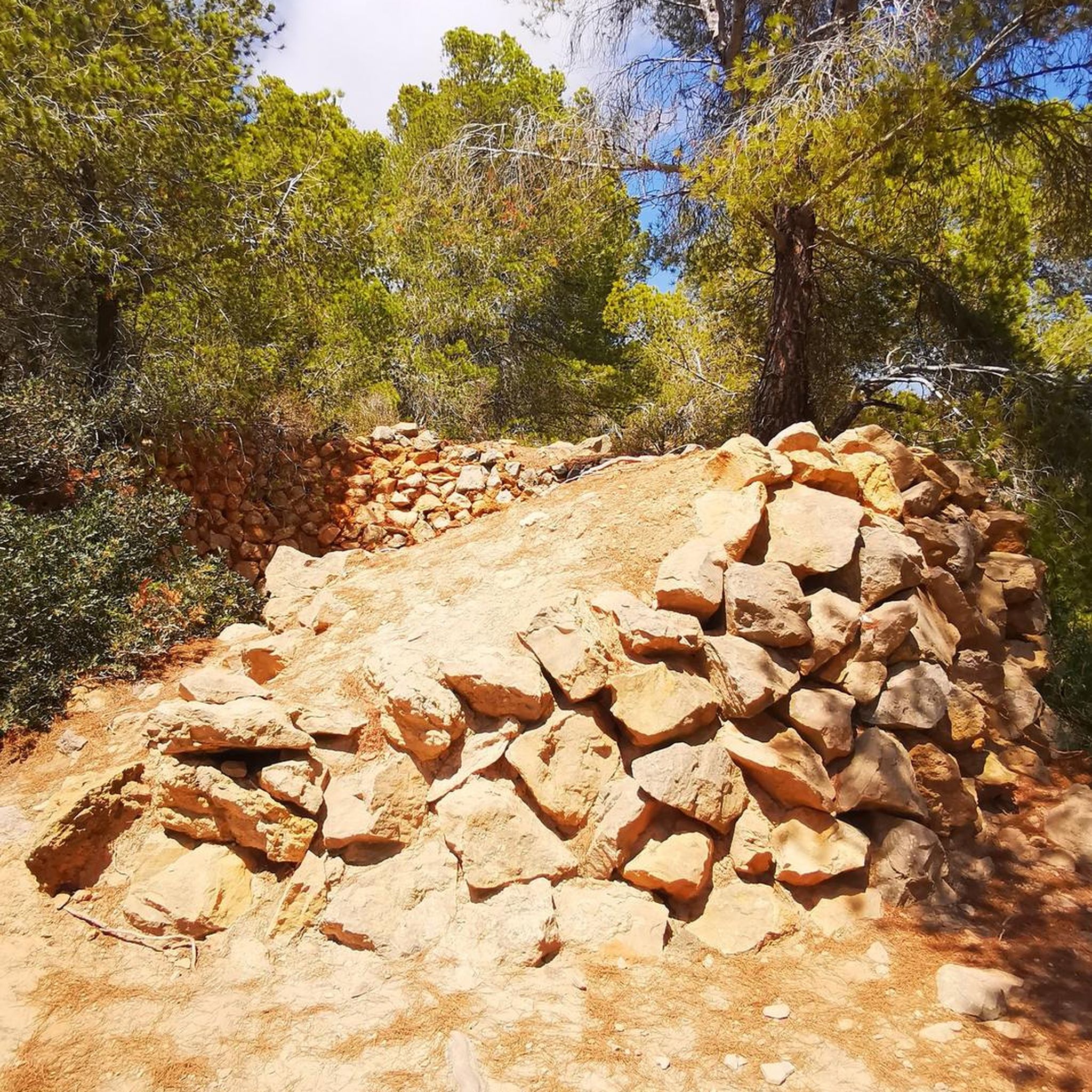
The Grottes des Roches de l'Ermitage are natural and artificial caves dug by erosion in the limestone rock. You can explore the two largest caves, with a length of 21 m and 36 m respectively, or admire the impressive stack of blocks which forms a large shelter on the side of the valley. The site is also rich in history and legend, as it is said to be where the Irish monk Goban settled in the 7th century and performed many miraculous healings.
2
0
Coucy Castle is a magnificent castle built in the 13th century by Enguerrand III, Lord of Coucy. It was one of the largest and most impressive castles in Europe, with a massive keep and four towers dominating the landscape. The castle was partially destroyed during the First World War, but its ruins still bear witness to its past glory. You can discover the castle and its history by participating in the Trail Enguerrand, a running race that takes you around the castle and its surroundings. The race is 30 km long, with 700 m of altitude difference, and it offers breathtaking views of the castle and the countryside. You can also opt for a shorter distance of 15 km, with 370 m of elevation gain. The race takes place in April and you can register online on the official website. By hiking this trail, you will not only get a good workout, but also a cultural and historical experience.
2
0
The Grottes des Roches de l'Ermitage are natural and artificial caves dug by erosion in the limestone rock. You can explore the two largest caves, with a length of 21 m and 36 m respectively, or admire the impressive stack of blocks which forms a large shelter on the side of the valley. The site is also rich in history and legend, as it is said to be where the Irish monk Goban settled in the 7th century and performed many miraculous healings.
2
1
This medieval gate, built in the 13th century, was part of the impressive fortifications of Coucy-le-Château, a town once famous for its castle and its motto: "I am neither king, nor prince, nor count, I am the lord of Coucy ". The Porte de Laon is a massive structure with two round towers and an arched passage, defended by a drawbridge, a double portcullis and a barbican. You can admire the architecture and military devices of this ancient bastion, as well as the panoramic view of the city and the surrounding countryside.
3
0

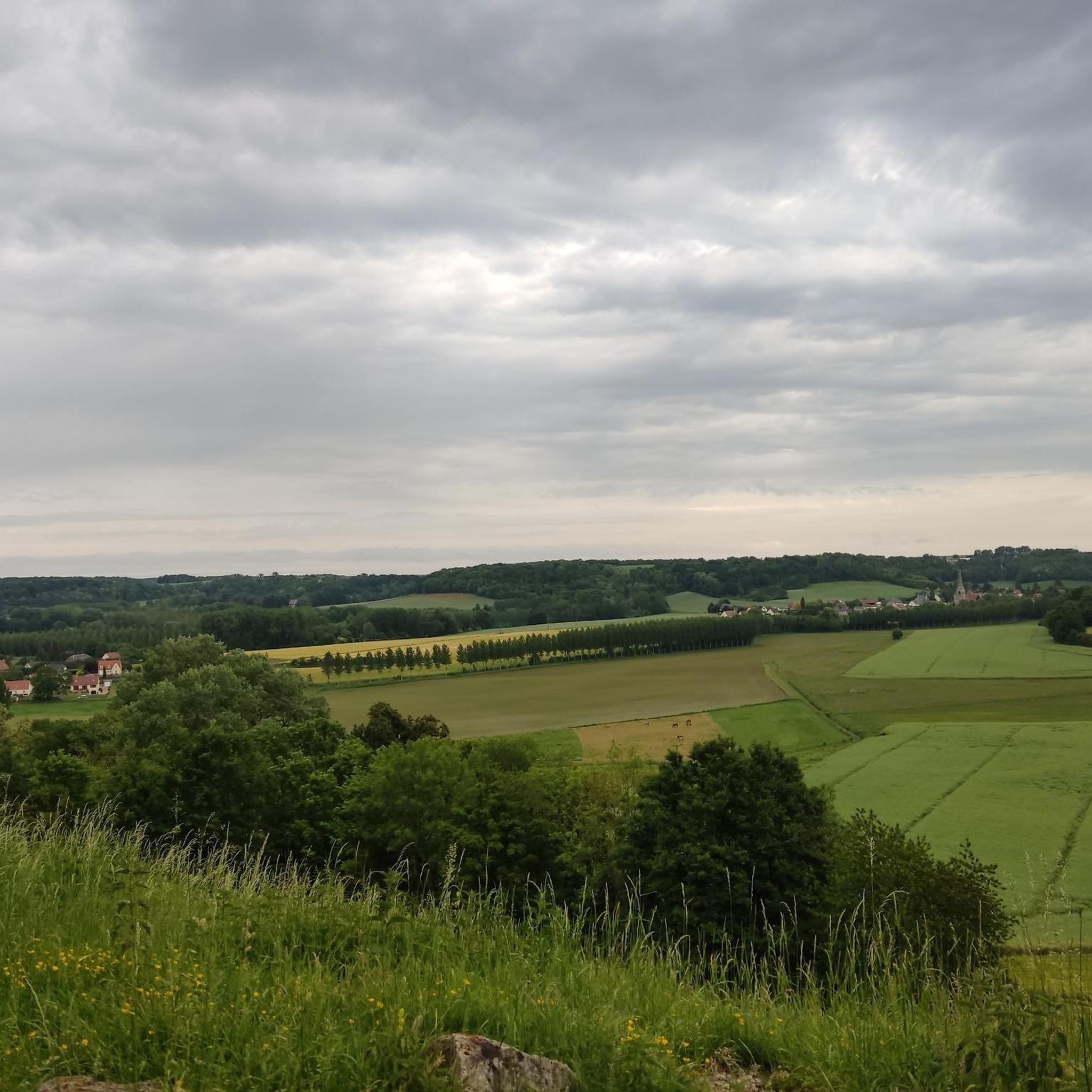
Pretty ruins of the Château de Coucy, impressive from afar and from close up.
0
0
Frequently Asked Questions
What historical landmarks can I explore in Pierremande itself?
In Pierremande, you can visit the historic Église Saint-Martin, which has origins tracing back to at least the 9th century. The village also features the Château de la Motte, a site with roots as a medieval motte-and-bailey castle, showcasing elements from the 12th to 18th centuries, including an octagonal dovecote and neo-Gothic additions.
Are there any natural attractions or features to see around Pierremande?
Yes, Pierremande is characterized by its natural environment. The Ailette river and its tributaries flow through the commune, contributing to a landscape primarily composed of forests and agricultural land. Historically, the area was known for its 'humid meadows and numerous ponds,' offering a tranquil setting for outdoor appreciation. You can also explore the Hermitage Rock Caves, natural and artificial caves formed by erosion in limestone rock, with the two largest being 21m and 36m long.
What are some significant historical sites near Pierremande?
Beyond Pierremande, the region boasts several significant historical sites. A must-see is Coucy Castle, a magnificent 13th-century fortress that was once one of Europe's largest. Also nearby is the Laon Gate (Coucy-le-Château-Auffrique), a massive medieval gate that was part of Coucy-le-Château's impressive fortifications.
What kind of outdoor activities can I do near Pierremande?
The area around Pierremande offers various outdoor activities. You can find numerous routes for gravel biking, cycling, and running. For instance, there are challenging gravel biking routes like the 49 km 'Saint-Gobain Caves – Cross-country area with jumps loop' or moderate cycling tours such as the 40 km 'Coucy-Basse State Forest – Route forestière de Barisis loop'. Running enthusiasts can enjoy routes like the 9 km 'Running loop from Le Rond d'Orléans'. You can explore more options on the Gravel biking around Pierremande, Cycling around Pierremande, and Running Trails around Pierremande guide pages.
Are there family-friendly attractions in the Pierremande area?
Yes, several attractions around Pierremande are considered family-friendly. Coucy Castle is a great option for families interested in history and exploring ruins. The town of Tergnier, known for its unique garden city design and Art Deco architecture, also offers points of interest suitable for families.
What are some other towns or cities worth visiting near Pierremande?
Several charming towns and cities are within a short drive from Pierremande, offering additional historical and cultural experiences. These include Noyon (approx. 18 km) with its medieval cathedral, Soissons (approx. 21 km) known for its abbey and cathedral, and Laon (approx. 27 km) famous for its Gothic cathedral and museum. Pierrefonds (approx. 31 km) is home to one of the region's most beautiful castles, and Saint-Quentin (approx. 31 km) features a 16th-century central hall.
What is the Saint-Sauveur Church of Coucy-le-Château-Auffrique known for?
The Saint-Sauveur Church of Coucy-le-Château-Auffrique, with origins dating back to the 12th century, is renowned for its remarkable Romanesque baptismal fonts carved from black marble. Although largely destroyed in 1917, it was meticulously rebuilt. Its modern stained-glass windows by Mazetier and Delange depict a visual bible, and its Gothic capitals hide intriguing details. The church also offers a dominant view from its position at the end of the rocky spur.
What makes Tergnier a unique place to visit near Pierremande?
Tergnier is unique as a garden city originally built for railway workers after World War I. It showcases a strong Art Deco architectural style, with notable examples like Place Carnégie, the Town Hall, and the Fargniers church. The media library, a former station buffet, is historically significant as the place where Victor Hugo had his first meal upon returning from exile in 1870.
What do visitors particularly enjoy about the attractions around Pierremande?
Visitors appreciate the rich historical context and the impressive scale of sites like Coucy Castle, often recommending daily visits to explore its massive keep and towers. The architectural details of the Laon Gate and the natural wonder of the Hermitage Rock Caves are also highly regarded. The blend of historical sites, natural features, and cultural landmarks provides a diverse and engaging experience for those exploring the region.
Can I find any ruins or remnants of past conflicts in the area?
Yes, the region around Pierremande bears significant marks from past conflicts, particularly World War I. Coucy Castle, for instance, was partially destroyed during the First World War, and its ruins stand as a testament to its past glory and the conflict's impact. Pierremande itself suffered significant destruction during WWI, leading to it being awarded the Croix de guerre 1914-1918 in 1920. The town of Tergnier also has 'Trails of Memory' retracing acts of war during WWII.
Are there any specific trails for running or walking near Pierremande?
Yes, there are several trails suitable for running and walking. For example, you can find a 'Running loop from Le Rond d'Orléans' which is about 9 km long and rated moderate. Another option is the 'Wild circuit 🚲🏍 loop from Folembray' which covers about 10 km. These routes offer opportunities to explore the local landscape on foot. More detailed information can be found on the Running Trails around Pierremande guide page.
Most popular routes around Pierremande

Get inspired with the komoot mobile app


Explore more
Still not found the Highlight you’re looking for? See guides of the top attractions in other regions:
