Attractions and Places To See around Saint-Dizant-Du-Gua - Top 20
Best attractions and places to see around Saint-Dizant-Du-Gua include a mix of historical sites, natural landscapes, and outdoor activities. This tranquil village in the Charente-Maritime department is situated on the right bank of the Gironde estuary, offering a rich natural environment. Visitors can explore ancient churches, historic ports, and significant wetlands, alongside vineyards and various trails. The region provides opportunities for discovering both cultural heritage and diverse natural features.
Best attractions and places to see around Saint-Dizant-Du-Gua
- The most popular…
Last updated: July 2, 2026
Port Maubert
Highlight • Settlement
Tip by

Mortagne-sur-Gironde Marina
Highlight • Structure
Translated by Google •
Tip by

Sign up now to discover places like this
Get recommendations on the best single tracks, peaks, & plenty of other exciting outdoor places.
Sign up for free
A surprising church name
Highlight • Other
Translated by Google •
Tip by
Nice track on the dikes
Highlight (Segment) • Other
Tip by
Port of Saint-Christoly-Médoc
Highlight • Structure
Translated by Google •
Tip by

Sign up for free to discover even more attractions around Saint-Dizant-Du-Gua.
Sign up for free
Already have an account?
Start today with a free account
Your next adventure awaits.
Login or Signup


Tips from the Community

Magnificent port
1
0

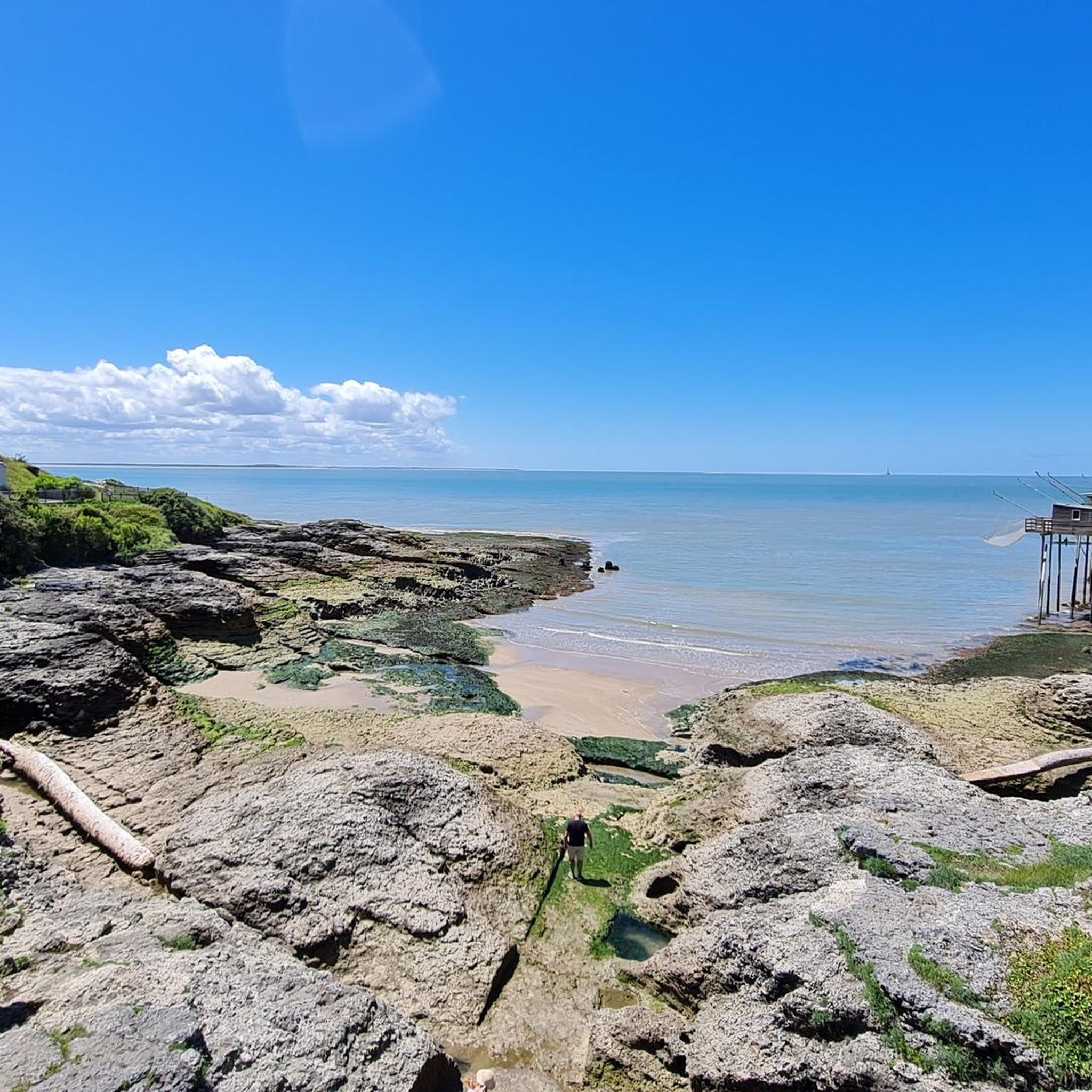
Cute little coastal village at the mouth of a small canal, with a recreational port and a few restaurants as well as picnic spots for a break.
0
0

Nice track, be careful there is no protection against the wind or the sun ;)
0
0

nice little hike
1
0

Good selection of restaurants, however if like us you want to create your own lunch the supermarket is 10 minutes up hill on your bicycle.
0
0

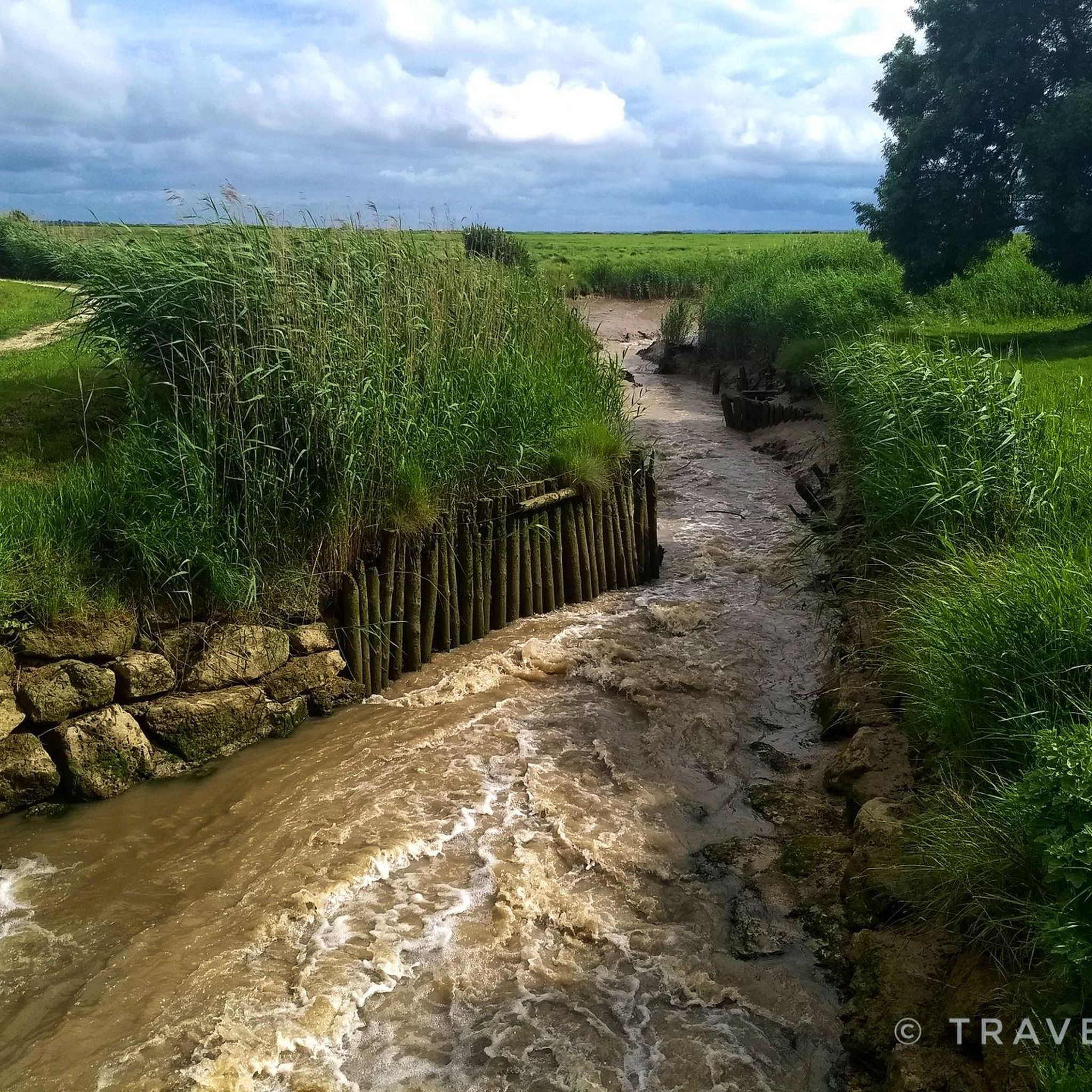
A beautiful cycle path that runs along the river on the dikes. There are lovely views of the surrounding coastline.
1
0

The Mortagne-sur-Gironde marina is located in the Charente-MaritimeAddress 9, place Parias 17120 Mortagne-sur-Gironde - GPS position-0.793356, 45.477200 - Landline: 05 46 90 63 15 - Mobile: 06 43 48 91 93 - VHF channel: 9 - Harbor master: Stéphane Donot The port of Mortagne-sur-Gironde has a capacity of 150 boats on pontoons but also a visitor area for stopovers with 20 places available. It is reserved for boats under 19 m. Attention, the maximum draft is 4 m. The depth of the outer harbor is 2.5 m (average tides) with dredged channel, of the basin 4 m on average, of the channel 3 m (average tides). The voltage and intensity of the electrical terminals are 220 V/16 A on the quay and 220 V/6 A on the pontoon. Water on the pontoon. Ice cream available at the Café de la Rive. The amenities include: 4 toilets and 2 showers, 2 sinks, 2 washing tubs, WIFI. Guarding ashore and afloat. A beaching area is available: 2 slipways (including 1 slipway), Slip, Shipyard.
1
0
The first mention of Port-Maubert appears in the 16th century. It is one of the ports with an intense wheat trade activity on the Gironde estuary. Trade is mainly with Bordeaux. The goods are loaded on barges which transported their cargoes according to the tides and the winds. In the middle of the 19th century, work changed the appearance of the port. At the same time, a landing stage was built to accommodate steamboat passengers. In the 1860s, the State ceded its land to build houses, warehouses for goods, a fairing slipway and establish a shipyard (the future "le Chérif" shipyard). At the entrance to the port, a steam flour mill processes and exports a large part of the cereal production of the Jonzac district. Port activity was at its peak: wines, wheat, potatoes, and other goods flowed in from all over Saintonge to be shipped to Bordeaux, Libourne, Pauillac. The fishing activity continues, the fishermen use boats equipped with nets the "filardières", some come out of the shipyard of Port Maubert, the "Chérif". Fishing has been mentioned in the estuary since the Middle Ages, a modest activity which grew with the modernization of the ports in the middle of the 19th century. The sturgeon, called here "Créac" or "Créa" is one of the fish caught for their flesh. According to tradition, a Russian princess would have come to St-Seurin-d'Uzet. She would then have undertaken to re-teach them how to prepare caviar and when she left, she would have forgotten her umbrella, now carefully kept in St-Seurin-d'Uzet. More specifically, the Prunier house, a great Parisian restaurateur, undertook in 1921 to organize the production of caviar in France and sent Alexandre Scott to St-Seurin-d'Uzet to teach the preparation of caviar to the fishermen of the region. From this activity by several production sites develop as in Port Maubert. The intensity of fishing, in addition to pollution and the modification of natural environments, leads to the scarcity of sturgeons. Its fishing declined in the 1960s and was finally banned in the 1980s, the sturgeon becoming a protected species. Since the 1990s, research has been carried out to reintroduce the original species of sturgeon, the sturio. At the same time, Baerii sturgeon farms are open along the estuary to provide caviar. In the 1980s, sturgeon fishing was banned and fishermen reoriented themselves towards pibales, hitherto practiced on foot or in skiffs with a landing net, and which now is done with boats equipped with "haveneaux": the "pibaliers", also used for shrimp fishing. Today the activity of Port Maubert is mainly linked to fishing and yachting, while a sailing school allows learning how to handle the Optimists on the hunting basin in complete safety. Local fishermen perpetuate the activity and offer the product of their work in the form of numerous recipes sold at the on-site shop.
0
1
Frequently Asked Questions
What natural features can I explore around Saint-Dizant-Du-Gua?
The region offers diverse natural beauty, including the expansive Gironde Estuary, perfect for water activities and birdwatching. You can also discover the picturesque River Taillon, known for wild orchids, and the ecologically significant Marais du Taillon marshes. The surrounding landscape is also characterized by viticultural plateaus.
Are there opportunities for birdwatching in the area?
Yes, the wetlands around the Gironde Estuary, particularly the Marais du Taillon, are excellent for birdwatching. These areas are designated as Special Protection Areas for birds, making them ideal for spotting coastal migratory birds. Further afield, the Terres d'Oiseaux and Marais de Braud-et-Saint-Louis also offer remarkable wetland habitats for bird enthusiasts.
What historical landmarks can I visit in Saint-Dizant-Du-Gua?
You can explore several historical sites, including the impressive Château de Beaulon, a 15th-century residence with a remarkable park. The village also features the 12th-century Église Saint-Michel, known for its Romanesque structure, and the historic Vieux Lavoir (Old Wash House) on Rue du Château. Additionally, the ancient troglodytic Ermitage Saint Martial dates back to the 11th century.
What is special about Château de Beaulon and its Blue Fountains?
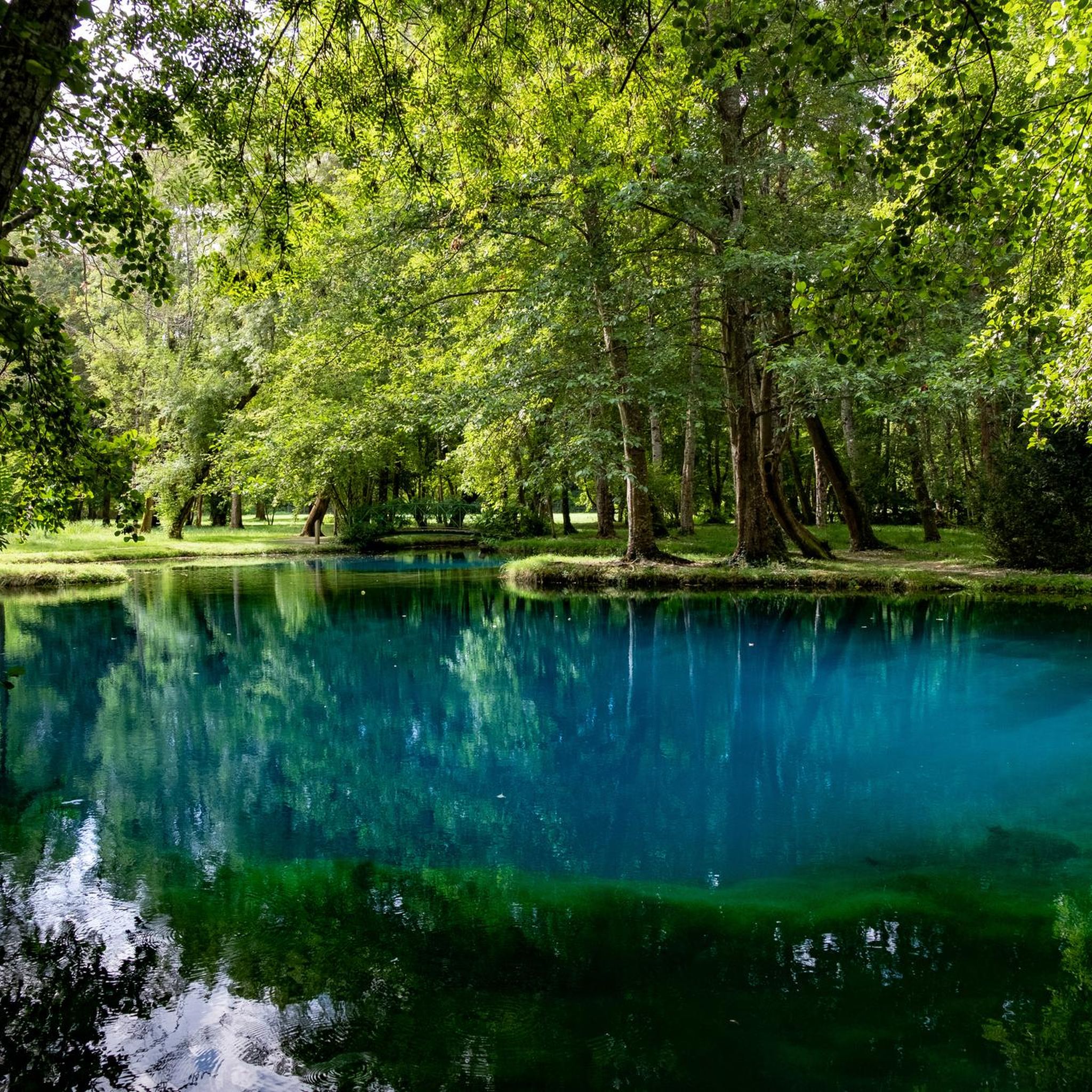
The Château de Beaulon is a historic estate dating to the late 15th century, once a residence for Bordeaux bishops. Its fifteen-hectare park is home to a three-hundred-year-old oak tree and the unique 'Blue Fountains'—natural springs with a distinctive dark blue color. The park and gardens are recognized as a remarkable garden, and the site is listed as a historical monument. Visitors can also taste local Cognac and Pineau produced here.
What hiking and cycling trails are available near Saint-Dizant-Du-Gua?
Several marked itineraries cater to outdoor enthusiasts. For mountain biking, there's 'La Balade des Saints'. Walking trails include 'Beaulon' and 'Sap Estuaire'. Cyclists can enjoy 'Entre Bois et Marais'. You can find more detailed routes, such as 'The blue fountains of Château de Beaulon – loop' or 'Monolithic Hermitage loop from Mortagne-sur-Gironde', on the Hiking around Saint-Dizant-Du-Gua guide. For road cycling, consider routes like 'Saint-Étienne Church – Port of Mortagne-sur-Gironde loop from Saint-Dizant-du-Gua' available on the Road Cycling Routes around Saint-Dizant-Du-Gua guide.
Are there family-friendly attractions or activities in the region?
Yes, the region offers several family-friendly options. The Port Maubert is a recreational port where families can enjoy the atmosphere. The Mortagne-sur-Gironde Marina also provides a pleasant setting. For a larger recreational experience, the Antilles de Jonzac, about 21.4 km away, is one of France's most visited sites. Many of the walking and cycling trails are also suitable for families.
When is the best time of year to visit Saint-Dizant-Du-Gua for outdoor activities?
The spring and summer months are generally ideal for outdoor activities in Saint-Dizant-Du-Gua. During these seasons, the weather is pleasant for hiking, cycling, and water-based activities on the Gironde Estuary. Spring also offers the chance to spot wild orchids along the River Taillon.
What is the history behind Port Maubert?
Port Maubert has a rich history, with its first mention appearing in the 16th century. It was once a bustling hub for wheat trade on the Gironde estuary, mainly with Bordeaux. Over time, it evolved, with a landing stage built for steamboat passengers in the 19th century. While its trading activity declined, it remains active for fishing and yachting, and a sailing school operates there.
Where can I learn more about the local marsh ecosystem?
You can visit La Grange des Marais, a nature discovery site that provides informative panels detailing the diverse fauna and flora of the Gironde Estuary marshes. This is an excellent place to understand the ecological significance of the region's wetlands.
What are some interesting places to visit a short drive from Saint-Dizant-Du-Gua?
Beyond the immediate village, you can visit Port Maubert, a historic port now used for fishing and yachting, or the Mortagne-sur-Gironde Marina. For nature lovers, the Terres d'Oiseaux and Marais de Braud-et-Saint-Louis offer remarkable wetlands for birdwatching. Beautiful coastal beaches like those at Montalivet or Soulac-sur-Mer are also less than a 15-minute drive away.
Can I enjoy water-based activities on the Gironde Estuary?
Yes, the village's proximity to the Gironde Estuary provides excellent opportunities for water-based activities. You can enjoy kayaking and paddleboarding on its waters. The estuary is also a significant natural feature for scenic views and exploring the unique coastal environment.
Are there any notable churches or religious sites in the vicinity?
Yes, the village is home to the Église Saint-Michel, a significant cultural landmark with Romanesque origins from the 12th century. Another notable religious site is the Saint-Étienne Church, originally Romanesque, which underwent several enlargements and features interesting architectural details and history. There is also a church with the surprising name of A surprising church name, which has a unique local story.
Most popular routes around Saint-Dizant-Du-Gua

Get inspired with the komoot mobile app


Explore more
Still not found the Highlight you’re looking for? See guides of the top attractions in other regions:
