The best road cycling routes around Neuillac
4.8
(32)
460
riders
205
rides
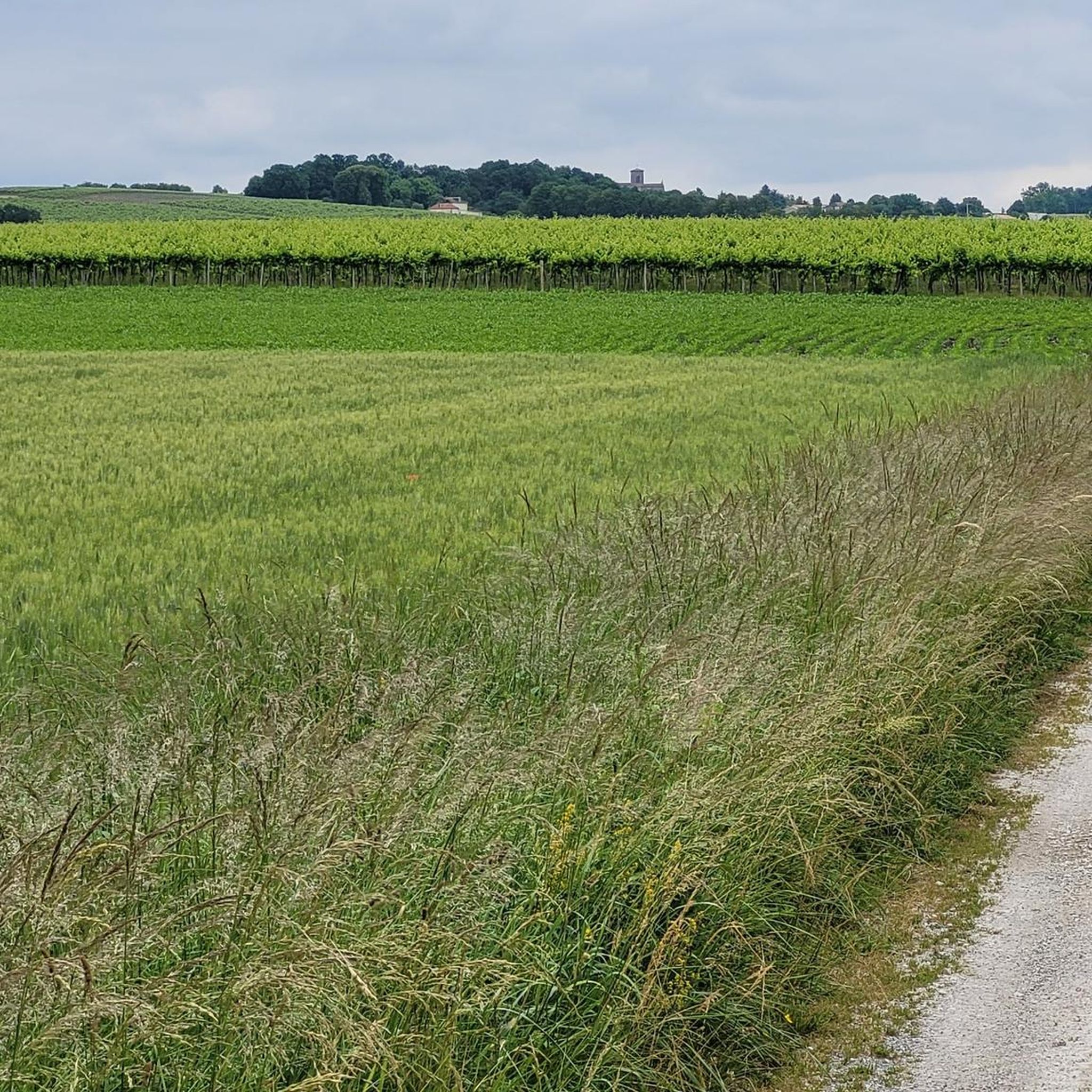
Road cycling around Neuillac, located in the Charente-Maritime department of Nouvelle-Aquitaine, features a gentle topography with altitudes ranging from 28 to 66 meters. The landscape consists of rolling hills and plains, providing varied terrain suitable for road cyclists. The region is characterized by picturesque vineyards and proximity to several forests, including Forêt de Pons and Forêt de la Lande, which offer scenic backdrops for rides. This environment supports a network of routes connecting charming villages and historic sites.
Best road…
Last updated: June 29, 2026
2
riders
84.5km
03:36
470m
470m
Moderate road ride. Good fitness required. Mostly well-paved surfaces and easy to ride.
7
riders
41.4km
01:42
230m
230m
Easy road ride. Great for any fitness level. Mostly well-paved surfaces and easy to ride.

Sign up for free
8
riders
38.9km
01:42
330m
330m
Moderate road ride. Good fitness required. Mostly well-paved surfaces and easy to ride.
5.0
(1)
4
riders
51km
02:08
330m
330m
Moderate road ride. Good fitness required. Mostly well-paved surfaces and easy to ride.
5
riders
48.6km
02:04
340m
340m
Moderate road ride. Good fitness required. Mostly well-paved surfaces and easy to ride.
Get access to more routes and recommendations from other explorers.
Sign up for free
Already have an account?
Our route recommendations are based on thousands of hikes, rides, and runs completed by other people on komoot.
Start today with a free account
Your next adventure awaits.
Login or Signup

Tips from the Community

Built in the 11th and 12th centuries, this church, listed as a historic monument in 1912, is a spectacular work of art. Well worth the drive past when crossing town!
0
0

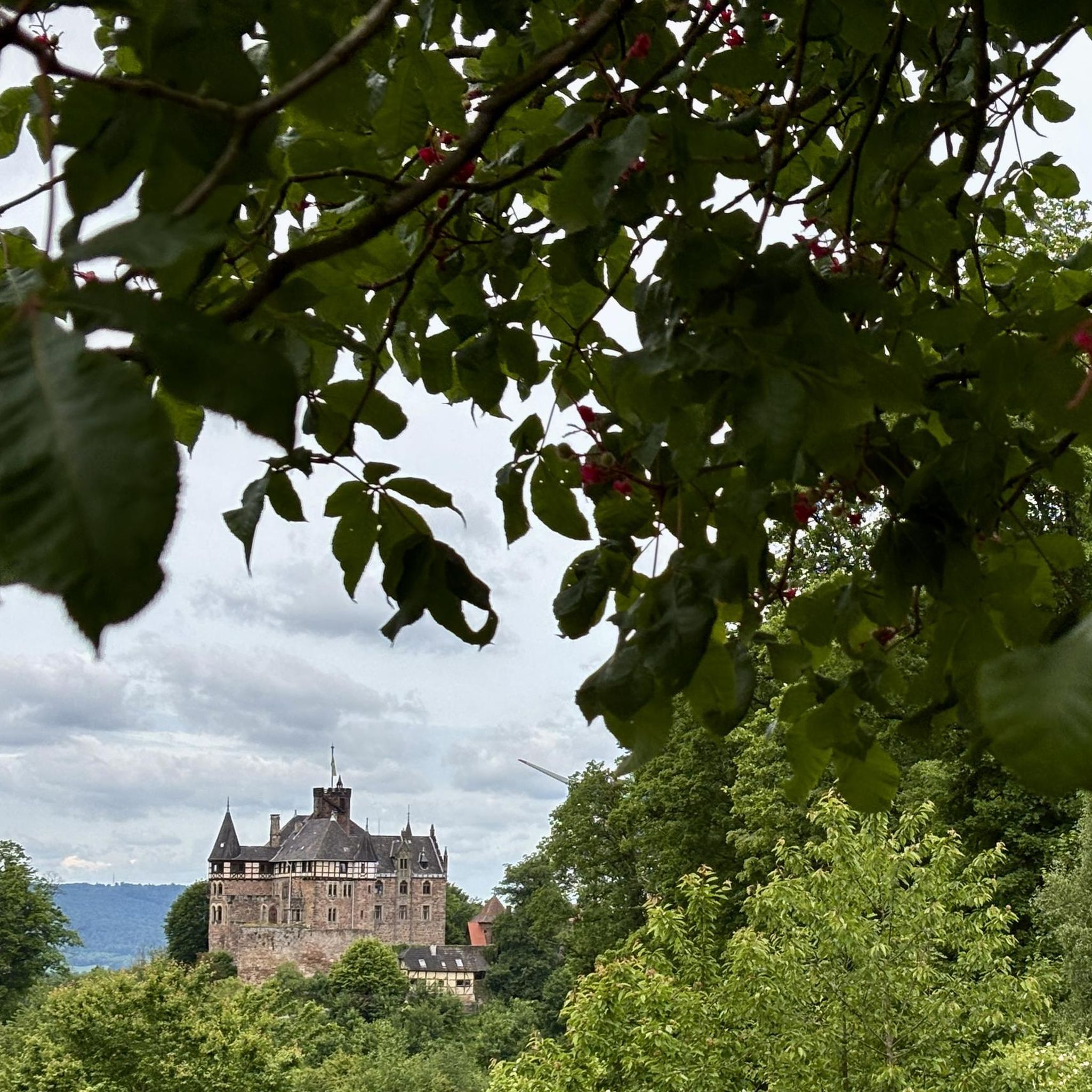
In 1073, the castle already exists; the first known lord was Guillaume de la Rochandry at the beginning of the 12th century. The 1449 inscription on the castle attests to its reconstruction following the destruction caused by the Hundred Years War. In 1505, Jean de Sainte-Maure, lord of Jonzac, founded the Carmelite monastery on the remains of an old chapel dedicated to Saint Nicolas. The cloister was built in 1657. The young Louis XIV, the Queen Mother and Mazarin stayed at the castle in 1659. The castle remained at Sainte-Maure until the end of the 17th century, then passed through marriage to Espardes de Lussan, which transformed the fortress in beautiful stately home with neat ornamentation and guard until the Revolution. Currently the north wing of the castle houses the buildings of the Town Hall (restored in the 19th century), and the south wing, those of the sub-prefecture. The cloister was restored between 1976 and 1978, and now houses a cultural center, with exhibition halls and an archaeological museum. The towers, postern and fountain in the basement date from the 12th century. Of the old feudal castle, only the postern and an isolated tower remain, connected to the main body by a large hall. The moat in front of the drawbridge was filled was filled in the 19th century. It was reopened at the beginning of the 21st century. The imposing gatehouse is marked 1549 and therefore dates from the 16th century, a period of work including the north-west tower, while the south-west tower, of a smaller diameter, is from the 17th century. The towers flanking the postern have retained their defenses. At each, the loopholes have been retained or enlarged. Stone stairs serve each floor and access the walkway. This passage seems to have been discovered, as evidenced by the gargoyles. The crenellation includes machicolations with archers in the middle of the merlons. The slate roofs are high pepperboxes on the towers, and a curious set with two sides connecting two pepperboxes for the gatehouse The fountain located in the basement of the sub-prefecture, has a niche and a niche frame decorated with sculptures imitating stalactites. Carved mask. The fountain was probably built by Léon de Sainte-Maure, Count of Jonzac, who enlarged and embellished the castle in the middle of the 12th century. In a former courtyard of the castle, a theater was built in the 19th century. It is a round building with approximately 300 seats.
0
0
The Seugne crosses a single department, in this case that of Charente-Maritime, watering thirty-six communes and seven cantons. The Seugne has its source in the canton of Montlieu-la-Garde, then crosses the cantons of Montendre, Jonzac, Saint-Genis-de-Saintonge, Pons, Gémozac and, finally, confluences in the canton of Saintes-Est. The Seugne has eighteen tributaries or referenced arms. The old forms of the name Seugne are flumen Soenna around 1100, Sonye in 1280, la Soyngna in 1322, la Soyngnhe in 1354, aqua Soynnie in 1363, Souaigne in 1494. The current pronunciations, Seugne and Souègne, are based on a medieval form Soïgne, which the scribes of the 13th and 14th centuries had difficulty transcribing. According to Duguet, a more recent spelling, Seuigne was misread and interpreted Sévigne in the 19th century.
0
0

The Moulin de la Baine dates from the 17th century. You will now find a restaurant and a magnificent view of the Charente.
0
0

Beautiful french village with a fun climb to the top!
0
0
Frequently Asked Questions
What is the general terrain like for road cycling around Neuillac?
The region around Neuillac features a relatively gentle topography, with altitudes ranging from 28 to 66 meters. This means you'll encounter a landscape of rolling hills and plains, offering varied yet not overly challenging terrain suitable for road cyclists. The routes often pass through picturesque vineyards and are close to forests like Forêt de Pons and Forêt de la Lande, providing scenic backdrops.
How many road cycling routes are available in the Neuillac area?
There are nearly 200 road cycling routes around Neuillac documented on komoot, offering a wide range of options for different skill levels and preferences. This includes routes of varying lengths and difficulties, ensuring there's something for everyone.
Are there routes suitable for beginners or those looking for an easy ride?
Yes, Neuillac offers several easy road cycling routes. For example, the Roadbike loop from Chadenac is an easy 37.3 km trail, and the Château de Favières loop from Clam is another easy option at 36.8 km. In total, there are 48 easy routes available, perfect for a relaxed ride.
What kind of landmarks and points of interest can I see along the road cycling routes?
Many routes pass by significant historical and cultural sites. You might cycle past the historic Jonzac Castle, or discover charming religious buildings like the Saint Paul Chapel and the Saint-André Church of Clion. The region is also known for its ancient pilgrim routes and architectural heritage, offering plenty of interesting stops.
Are there any family-friendly road cycling routes in Neuillac?
While specific 'family-friendly' designations aren't always explicit for road cycling, the gentle topography and numerous easy routes make many paths suitable for families with older children or those comfortable with road cycling. The 48 easy routes available provide less challenging options, often on quieter country lanes, which can be ideal for a family outing.
What do other road cyclists say about their experience in Neuillac?
The road cycling routes in Neuillac are highly regarded by the komoot community, boasting an average rating of 4.7 stars from nearly 30 reviews. Cyclists often praise the scenic vineyards, tranquil forests, and the varied countryside that connects charming villages, making for enjoyable rides.
Is it possible to find circular road cycling routes around Neuillac?
Yes, many of the road cycling routes around Neuillac are designed as loops, allowing you to start and end at the same point. Examples include the popular Saint-Sauvant, Chaniers and Chadenac loop and the Château d'Ars – Abbaye de la Frenade loop from Chadenac, which are great for exploring the region without retracing your steps.
What is the best time of year for road cycling in Neuillac?
Given the region's climate, spring and autumn are generally ideal for road cycling in Neuillac. The weather is typically mild, and the landscapes are particularly beautiful with blooming vineyards or autumnal colors. Summer can also be pleasant, though it's advisable to ride in the mornings or late afternoons to avoid the hottest parts of the day.
Are there options for longer distance road cycling routes?
Absolutely. For those seeking longer rides, Neuillac offers several routes that cover significant distances. The most popular route, the Saint-Sauvant, Chaniers and Chadenac loop, is 84.5 km long, providing a substantial challenge and a great way to explore the wider region.
Can I find cafes or places to stop for refreshments along the routes?
The region around Neuillac is dotted with charming villages and towns like Jonzac and Pons. Many routes will pass through or near these settlements, where you can typically find local cafes, bakeries, and small shops to refuel and take a break. It's always a good idea to check your route beforehand for specific stops.
What are the options for parking when cycling in Neuillac?
While specific parking facilities for cyclists aren't detailed, Neuillac and the surrounding villages generally offer public parking areas. When planning your ride, consider starting points in larger towns like Jonzac or Pons, which are likely to have more established parking options. Always check local signage for parking regulations.
Are there any advanced or difficult road cycling routes for experienced riders?
While the overall topography is gentle, there are routes that offer more challenge. The guide includes 13 difficult routes, which may feature more elevation gain or longer distances, catering to experienced road cyclists looking for a more demanding ride. These routes will still benefit from the region's scenic beauty.
Most popular attractions around Neuillac

Get inspired with the komoot mobile app


Explore more
Browse the best Road cycling routes in other regions.
