Attractions and Places To See around Pluvault - Top 19
Best attractions and places to see around Pluvault include a variety of historical sites, waterways, and charming settlements. This commune in France, often associated with Longeault, offers points of interest in its surrounding area. Visitors can explore historical landmarks and cultural sites, making it suitable for tourism and outdoor activities in the Plaine Dijonnaise. The region provides opportunities to discover local heritage and natural landscapes.
Best attractions and places to see around Pluvault
- The most popular attractions is Diversion into…
Last updated: July 7, 2026
Port of Saint-Jean-de-Losne
Highlight • Other
Tip by

Saint-Jean-de-Losne
Highlight • Settlement
Translated by Google •
Tip by

Sign up now to discover places like this
Get recommendations on the best single tracks, peaks, & plenty of other exciting outdoor places.
Sign up for free
Auxonne
Highlight • Settlement
Stroll through the streets of the city and take …
Translated by Google •
Tip by

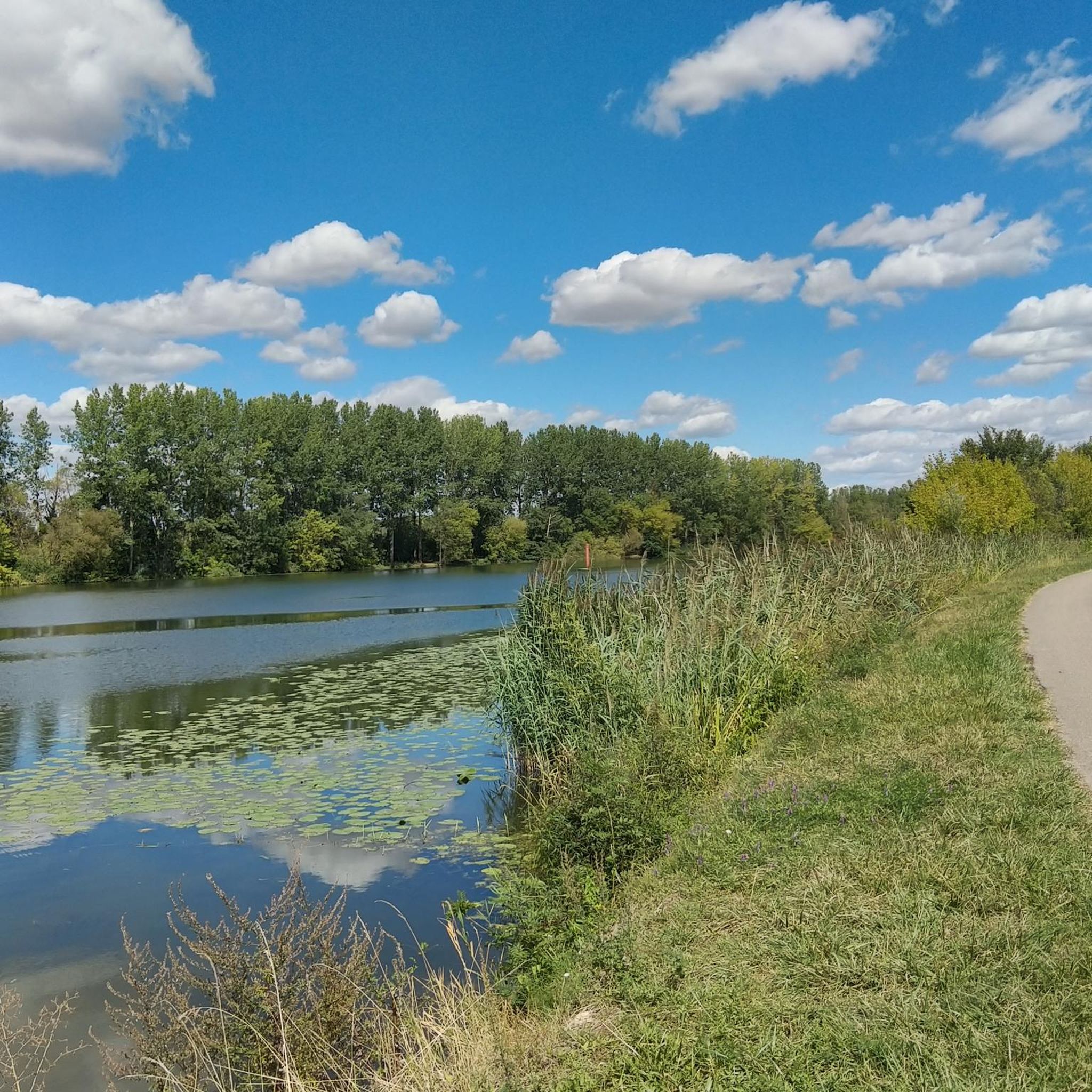
Diversion into the Saône river
Highlight • River
Translated by Google •
Tip by
Auxonne Castle
Highlight • Castle
Translated by Google •
Tip by

Sign up for free to discover even more attractions around Pluvault.
Sign up for free
Already have an account?
Start today with a free account
Your next adventure awaits.
Login or Signup





Tips from the Community

Interesting harbor, as there are many houseboats here.
0
0


Not a castle that can be visited but nice to walk or cycle through The building is used for other purposes
1
0


At lock number 20, the diversion of the Saône River, which connects to Auxonne, ends. The Auxonne Canal and its locks were built between 1839 and 1845. The Auxonne Canal has a water level that guarantees a depth of 1.60 meters, including the shallows. The locks at each end connect it to the river.
2
0
Labeled “Imperial City”, Auxonne is an old stronghold which has an important historical heritage, notably its church, its castle, its arsenal. Stroll through the streets of the city and take advantage of the many shops, bars and restaurants to take a break.
2
0

The Château d'Auxonne is an old fortified castle from the 15th century which controlled a crossing point on the nearby Saône. It was built between 1479 and 1493. It is open to the public, but check opening times before visiting.
4
0
Frequently Asked Questions
What historical sites can I explore around Pluvault?
The area around Pluvault is rich in history. You can visit Auxonne, an "Imperial City" with a significant historical heritage, including its church, castle, and arsenal. The Auxonne Castle itself is a 15th-century fortified structure. While the 19th-century Château de Pluvault is private, its historical roots date back to the 14th century, making it a notable landmark.
Are there any waterways or boating activities near Pluvault?
Yes, the region is known for its waterways. The Diversion into the Saône river is a notable feature where the Auxonne Canal connects to the Saône. The Port of Saint-Jean-de-Losne is a major boat hire base on the Saône river and a popular starting point for boating enthusiasts exploring the canals of Burgundy.
What kind of outdoor activities can I do in the Plaine Dijonnaise area?
The Plaine Dijonnaise area around Pluvault is excellent for outdoor activities. You can find numerous routes for hiking, running, and cycling. For hiking, explore trails like the 'View of Château de Longecourt loop' or 'Port of St-Jean-de-Losne loop'. Cycling options include longer routes such as 'Verdun-sur-le-Doubs – Saint-Jean-de-Losne loop'. You can find more details on these activities on the respective guide pages for hiking, running, and cycling around Pluvault.
Are there family-friendly attractions in the Pluvault area?
Yes, there are family-friendly options. The Museum of Inland Waterways 🛳️ in Saint-Jean-de-Losne offers an engaging look into the history of canal boat skippers. Additionally, the Auxonne Castle is categorized as family-friendly and provides an interesting historical site to explore.
Where can I find hiking trails near Pluvault?
There are several hiking trails available near Pluvault. You can find easy to moderate routes such as the 'Genlis Town Hall loop' (6.3 km, easy) or the 'Arboretum de la Tuilerie loop' (6.5 km, easy). For more options and detailed routes, refer to the Hiking around Pluvault guide.
What is there to see and do in Auxonne?
Auxonne, an "Imperial City," offers a rich historical experience. You can explore its church, the 15th-century Auxonne Castle, and its arsenal. Beyond historical sites, the city's streets feature various shops, bars, and restaurants, perfect for a break or a stroll.
Is there a museum dedicated to the region's waterways?
Yes, the Museum of Inland Waterways 🛳️ in Saint-Jean-de-Losne is dedicated to the history of river navigation. Housed in a 15th-century building, it tells the story of canal boat skippers and their lives on the Rhine-Rhône canal, preserving the oral history of this unique lifestyle.
What do visitors particularly enjoy about the attractions around Pluvault?
Visitors appreciate the blend of historical heritage and natural beauty. For instance, the Port of Saint-Jean-de-Losne is noted for its interesting harbor with many houseboats. Auxonne is loved for its mighty fortress, beautiful market square, and ancient streets, with its church and twisted bell tower being particularly beautiful.
What is the best time of year to visit Pluvault for outdoor activities?
While specific data isn't provided, the Bourgogne-Franche-Comté region, where Pluvault is located, generally offers pleasant conditions for outdoor activities like hiking and cycling from spring through early autumn (April to October). During these months, the weather is typically mild, making it ideal for exploring the natural landscapes and historical sites.
Are there any natural parks or significant viewpoints nearby?
While there isn't a specific 'natural park' directly within Pluvault, the surrounding Plaine Dijonnaise offers numerous opportunities to enjoy natural landscapes through its rural walks and trails. The area is conducive to exploring hidden gems and offers scenic views along its waterways and countryside paths, particularly along the Saône River and its canals.
Are there places to eat or drink near the attractions?
Yes, particularly in larger settlements. Auxonne, for example, has many shops, bars, and restaurants where you can take a break and enjoy local cuisine. The Port of Saint-Jean-de-Losne also has local cafes frequented by barge owners, offering a unique atmosphere.
Can I visit the Château de Pluvault?
The Château de Pluvault is a significant historical landmark in the area, with roots dating back to the 14th century. However, it is a private property and is not open for public visits.
Are there any easy running trails around Pluvault?
Yes, there are running trails suitable for various levels. For example, you can find moderate running loops from Beire-le-Fort or Collonges. For a comprehensive list of routes, including distances and difficulty grades, check the Running Trails around Pluvault guide.
Most popular routes around Pluvault

Get inspired with the komoot mobile app


Explore more
Still not found the Highlight you’re looking for? See guides of the top attractions in other regions:
