Top 8 Castles around Couffé
Best castles around Couffé, a commune in Loire-Atlantique, France, offers a glimpse into the region's historical architecture and cultural heritage. The area features a variety of historical sites, from medieval keeps to Renaissance buildings. While some castles are private, others provide public access or can be admired from nearby trails. Exploring these sites allows visitors to connect with centuries of local history.
Best castles around Couffé
- The most popular castles is Oudon Keep, a castle that features a medieval…
Last updated: June 29, 2026
Oudon Castle
Highlight • Castle
Translated by Google •
Tip by

Château d'Ancenis
Highlight • Castle
Translated by Google •
Tip by
Sign up now to discover places like this
Get recommendations on the best single tracks, peaks, & plenty of other exciting outdoor places.
Sign up for free
Champtoceaux Castle Gate
Highlight • Castle
Translated by Google •
Tip by

Clermont Castle
Highlight • Castle
Translated by Google •
Tip by

Oudon Keep
Highlight • Castle
Translated by Google •
Tip by

Sign up for free to discover even more castles around Couffé.
Sign up for free
Already have an account?
Start today with a free account
Your next adventure awaits.
Login or Signup
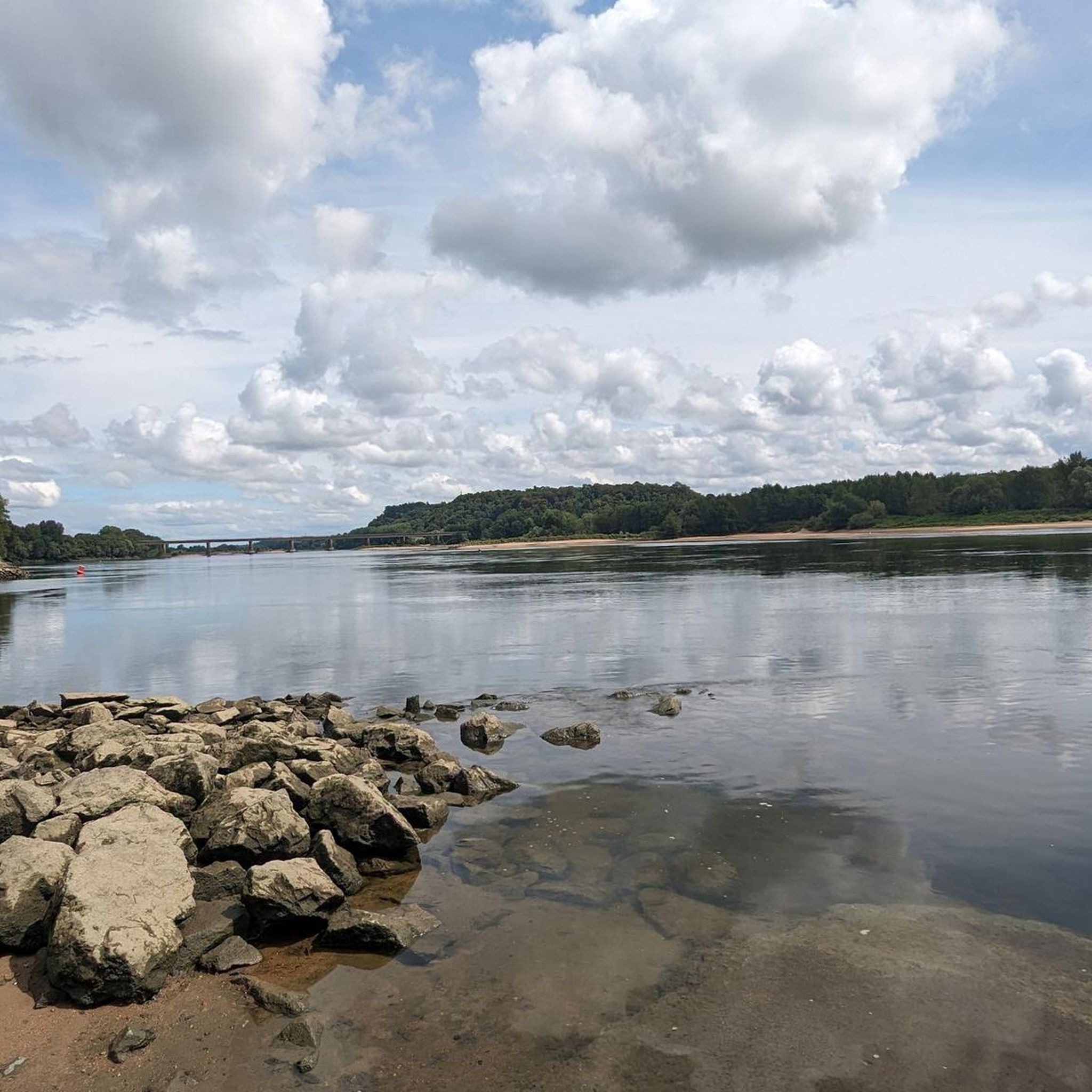

Tips from the Community

A little nostalgic detour in front of the house, in memory of this immense actor often imitated but since, never equaled..!!
0
0

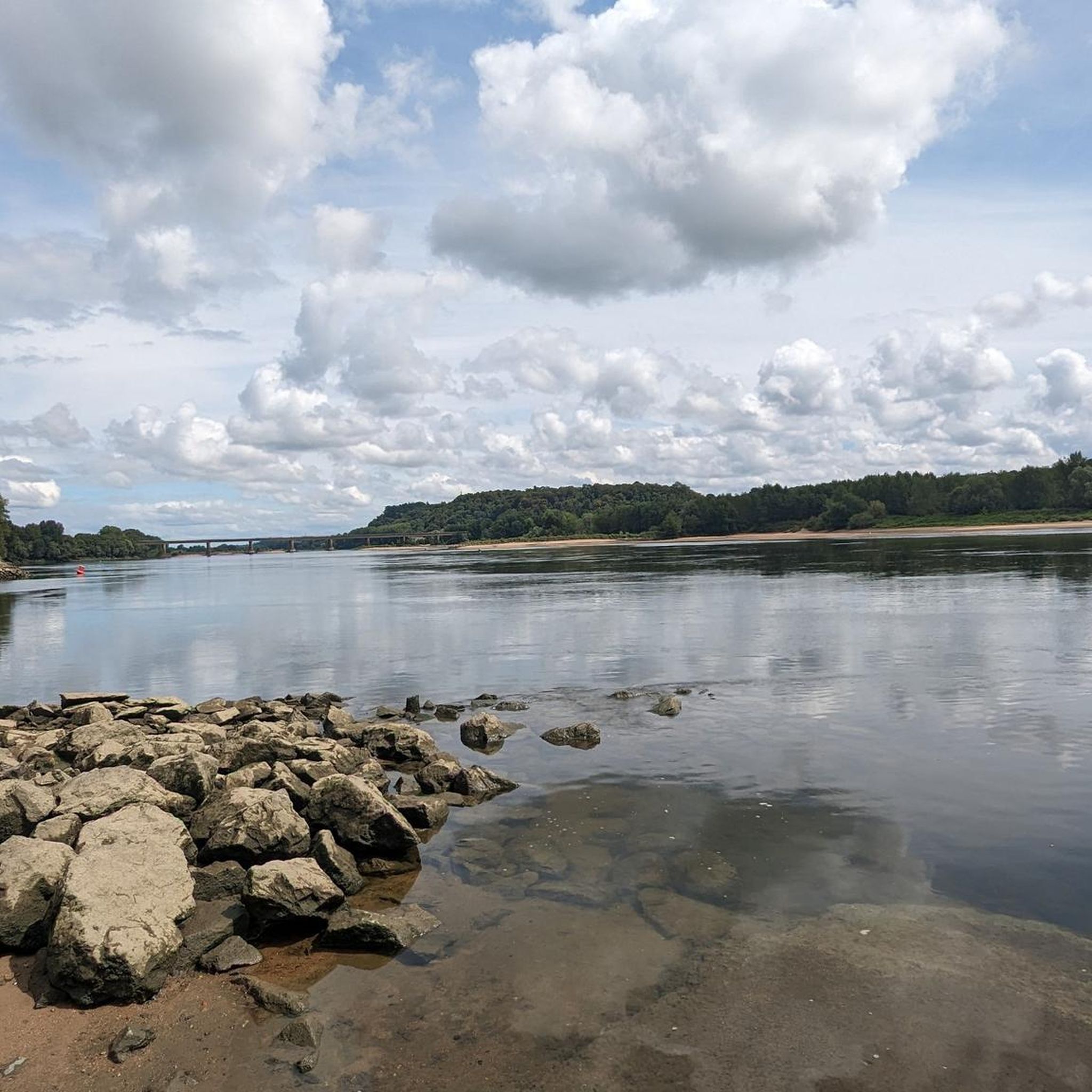
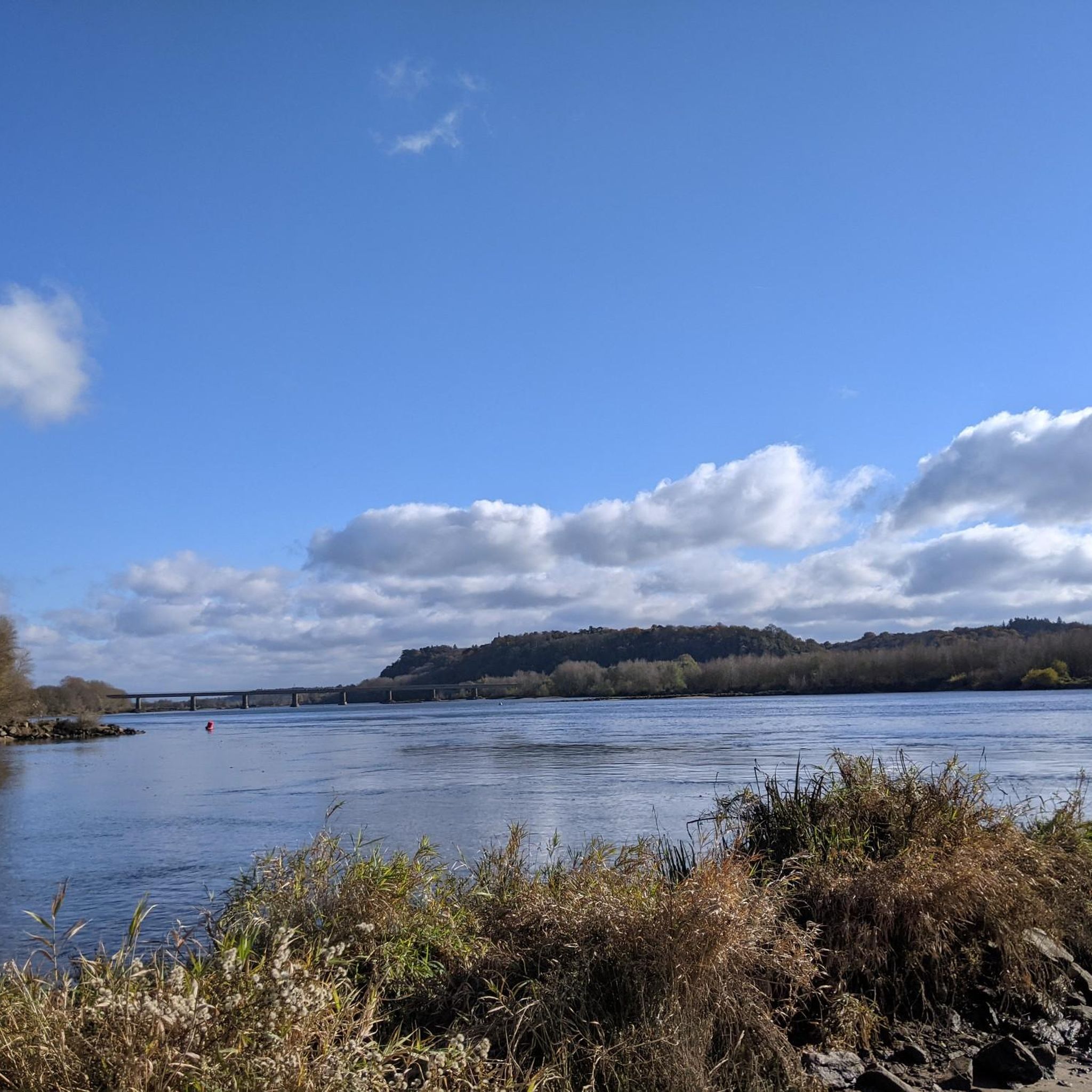
Take the time to visit. With a magnificent view of the Loire.
0
0


An ancient fortress - the tower with its black and white stones can be seen from far away
0
0
already a special tower - Château du Oudon - built in the Middle Ages - 1300-1400
0
0
A beautiful city - a good coffee opposite the castle.
0
0
As always, we went to a bar for breakfast coffee and a croissant from the boulangerie. This time not to a tabac bar, but instead in a great place - opposite the château!
0
0
Frequently Asked Questions
Which castles around Couffé are family-friendly?
Several castles in the area are suitable for families. Oudon Castle and Oudon Keep are both noted for being family-friendly, offering an engaging historical experience. The Château d'Ancenis, with its fortified walls and Renaissance additions, also welcomes families. Additionally, the Ruins of the Turmelière Manor are located within a romantic park, offering space for children to explore.
Are there any castles near Couffé that are open to the public for visits?
While some castles in the Couffé area are private, others offer public access or can be admired from nearby. Oudon Castle and Oudon Keep are accessible, allowing visitors to explore their medieval architecture. The Château d'Ancenis is also open for visits. Clermont Castle is private but its front facade can be viewed from its gates. The Ruins of the Turmelière Manor are freely accessible within a park.
What kind of historical significance do the castles around Couffé have?
The castles in the Couffé area boast rich histories. Oudon Castle is a prominent 14th-century keep, while the Château d'Ancenis dates back to 984 with later Renaissance additions. Clermont Castle is a 16th-century Renaissance building, once owned by actor Louis de Funès. The Ruins of the Turmelière Manor are significant as the birthplace of poet Joachim du Bellay. Additionally, the private Château de la Contrie is known as the birthplace of François Athanase Charette de La Contrie, a key figure in the Vendée Wars.
Are there walking or hiking trails near the castles in Couffé?
Yes, the area around Couffé offers several walking and hiking opportunities that can include castle views. For instance, you can find routes like the 'Oudon Castle – Oudon Keep loop from Couffé' which is a difficult 22.6 km running trail. The Running Trails around Couffé guide provides more options, including routes that pass by historical sites. The Château de la Villejégu, though private, can be admired during walks in its surrounding bucolic environment.
What natural features can be found near the castles?
Beyond the historical structures, the region offers interesting natural elements. Oudon Castle and Oudon Keep are situated near the Loire River, offering scenic views. The Château de la Roche, while an event venue, features a 27-hectare park and the 'Roche-Sauve,' a 370-million-year-old rock formation linked to local folklore. The Ruins of the Turmelière Manor are set within a romantic park with chestnut trees.
Can I cycle to or around the castles near Couffé?
Absolutely. The area is well-suited for cycling, with routes that incorporate castle views. For example, the 'The Loire at Oudon – Château de Clermont loop from Couffé' is a difficult 35 km cycling route. You can find more cycling options in the Cycling around Couffé guide, which includes routes passing by various historical sites and along the Loire River.
What do visitors particularly enjoy about the castles in this region?
Visitors appreciate the blend of history and scenic beauty. For Oudon Castle, many enjoy its impressive architecture and its location on the Loire, often stopping at local cafés with a view. The Oudon Keep is praised for its dungeon and surrounding canal and sculptures. The Ruins of the Turmelière Manor are valued for their peaceful setting within a romantic park and their connection to poet Joachim du Bellay.
Are there any castles that are event venues or offer accommodation?
Yes, the Château de la Roche in Couffé operates as an event venue. It offers a 150m² reception room, a 200m² covered area for outdoor events, and three gîtes that can accommodate up to 34 people, all set within a 27-hectare park.
What is the best time of year to visit the castles around Couffé?
While castles can be visited year-round, spring and autumn generally offer pleasant weather for exploring the outdoor grounds and surrounding areas. The autumn months, in particular, can provide beautiful scenery with changing foliage, making walks around sites like the Ruins of the Turmelière Manor especially enjoyable.
Are there any less crowded castles to visit near Couffé?
For a potentially less crowded experience, consider visiting the Ruins of the Turmelière Manor. While historically significant, it offers a more serene atmosphere within its romantic park compared to more prominent, fully preserved castles. The private Château de la Villejégu, though not open to the public, can be admired from a distance during quiet walks in the surrounding countryside.
Can I see examples of Renaissance architecture in the castles around Couffé?
Yes, the region features notable examples of Renaissance architecture. Clermont Castle is a magnificent 16th-century building, considered one of the few examples of Renaissance architecture from the former Duchy of Savoy. The Château d'Ancenis also features an extension built during the Renaissance period, showcasing this architectural style alongside its older fortifications.
Most popular attractions around Couffé

Get inspired with the komoot mobile app


Explore more
Looking for the best castles somewhere else? Discover other guides around Couffé:
