Attractions and Places To See around Therdonne - Top 20
Best attractions and places to see around Therdonne include a mix of historical sites and natural features within the Oise department of France. The commune itself hosts local landmarks such as La Chapelle de Secours and Le Monument aux Morts. The surrounding region offers significant cultural attractions and extensive forests. This area provides opportunities for exploring historical architecture and engaging with the natural landscape.
Best attractions and places to see around Therdonne
- The most popular attractions is Beauvais Cathedral,…
Last updated: July 1, 2026
Beauvais Cathedral
Highlight • Historical Site
Translated by Google •
Tip by

Beauvais: Südportal
Highlight • Other
Translated by Google •
Tip by

Sign up now to discover places like this
Get recommendations on the best single tracks, peaks, & plenty of other exciting outdoor places.
Sign up for free
Bresles Castle
Highlight • Other
Translated by Google •
Tip by

The Collegiate Church of Saint-Barthélemy
Highlight • Historical Site
Barthelemy, founded in 1037, was secularized during the French Revolution and converted into a residential building. After war damage and demolition, the preserved choir today reminds us of the former building.
Translated by Google •
Tip by
Saint Peter's Cathedral of Beauvais
Highlight • Religious Site
It has the highest Gothic choir in the world [1] (48.50 m) under vaulted …
Translated by Google •
Tip by

Sign up for free to discover even more attractions around Therdonne.
Sign up for free
Already have an account?
Start today with a free account
Your next adventure awaits.
Login or Signup


Tips from the Community

A wall now traces its original layout onto the ground, offering visitors a glimpse into its religious and architectural past.
1
0
The garden of the Château de Bresles, which belonged to Odet de Coligny, was famous during the Renaissance for its beauty and its canals; Queen Catherine de Medici loved to stroll there.
1
0

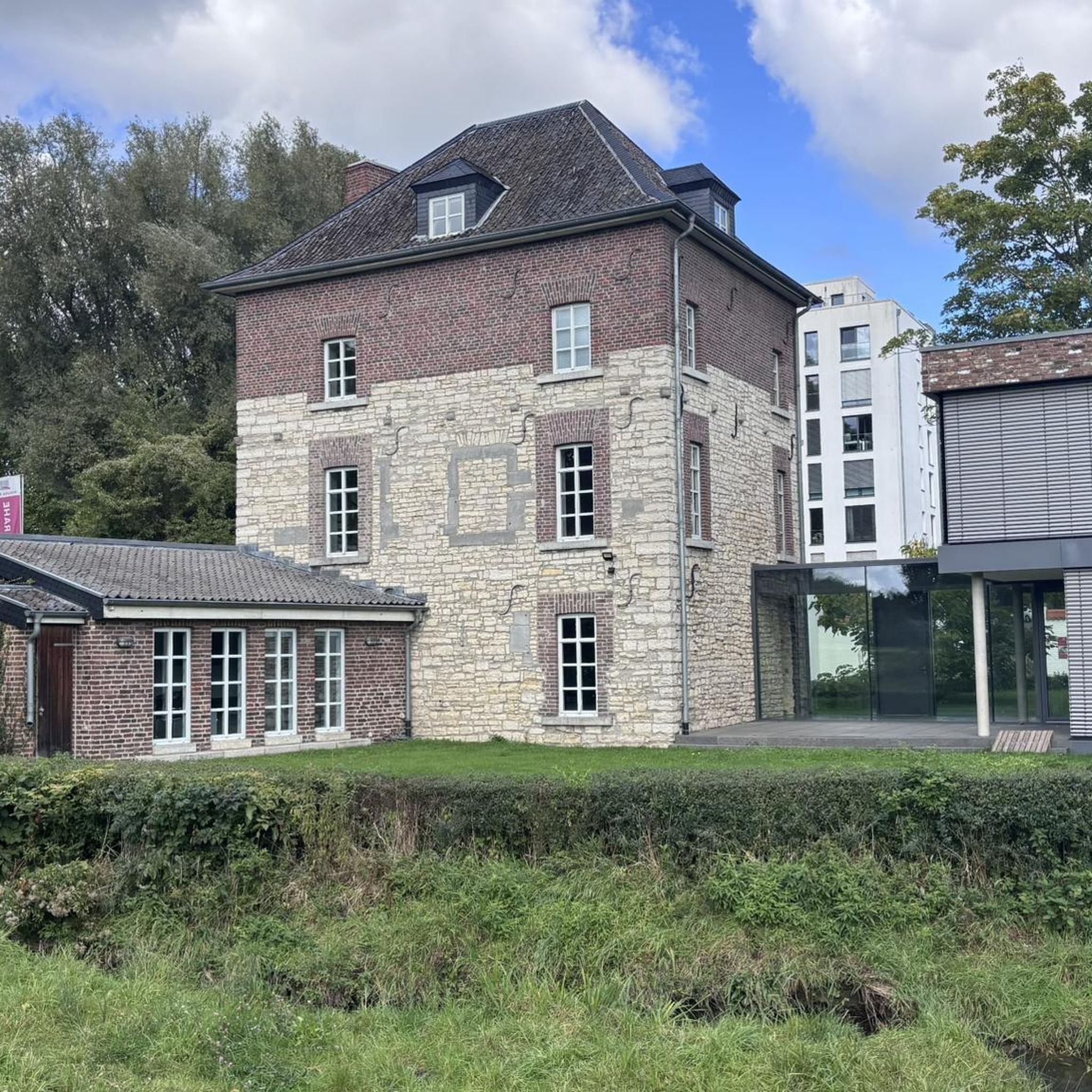
The castle of Bresles was the residence of the bishops of Beauvais, it is currently the town hall of Bresles which resides there. Only vestiges of the medieval fortress remain and the current castle was built at the beginning of the 18th century. It is composed of two wings at right angles with two floors surmounted by attics and a hipped roof. The entrance porch and the bastion surrounding the courtyard of the town hall are said to be the oldest parts.
0
0
The Cathedral of Beauvais is one of the most important Gothic churches in France 🇫🇷!
2
0

It is always nice to meet old friends again, especially when it happens unexpectedly. When you enter the wonderful but only half-finished cathedral of Beauvais, you are greeted by the famous image of St. Peter from St. Peter's Basilica. This fits with the building's claim: the highest Gothic vault, the highest church tower, the largest church in France. However, it is a Gothic Babel: the vault and tower collapsed, and that was the end of money and Gothic architecture. The cathedral is a huge torso, the nave of which is a comparatively tiny Romanesque building that stands lost in front of the huge, centuries-old temporary dividing wall that the nave was supposed to replace.
1
0
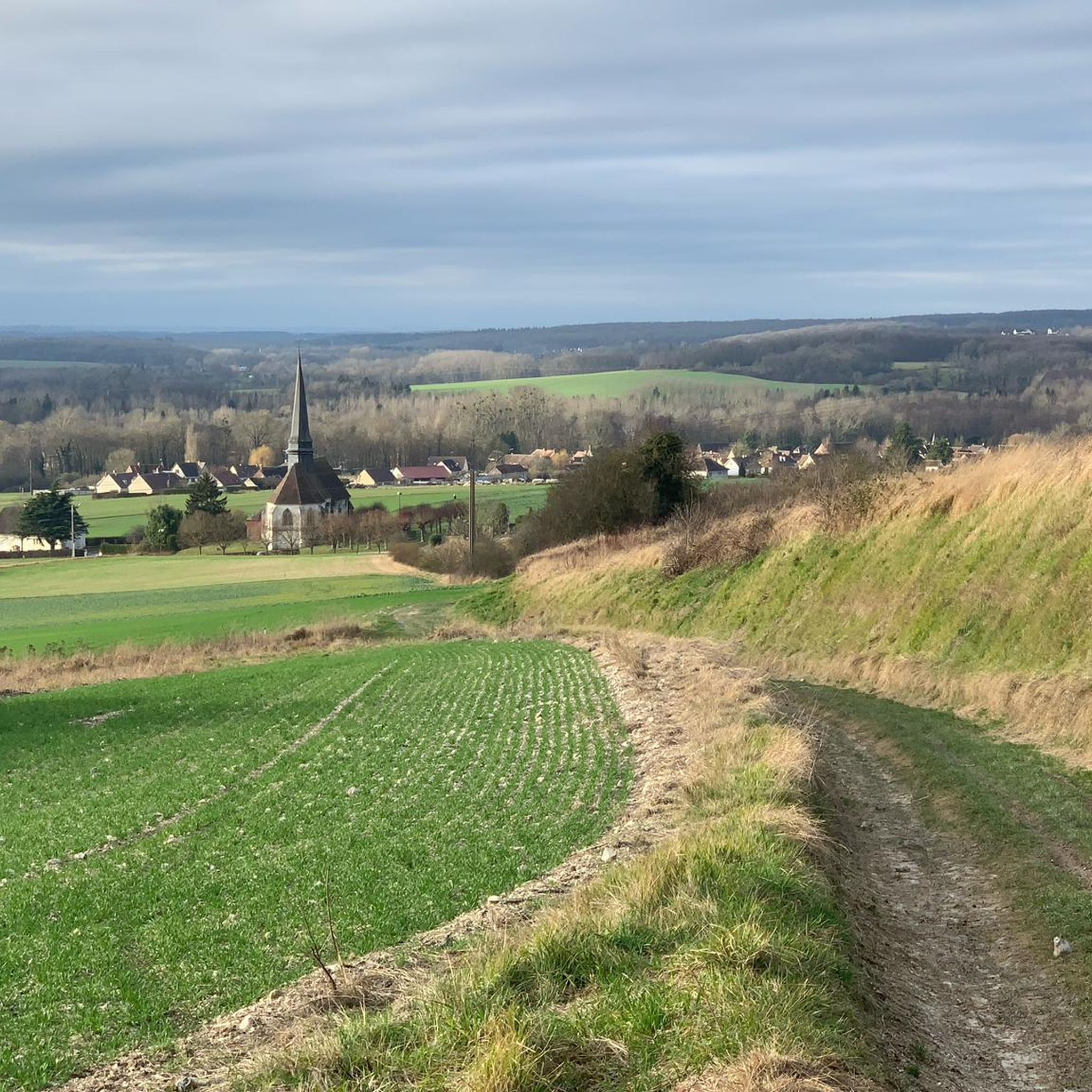
The collegiate church of Saint Barthelemy, founded in 1037, was secularized during the French Revolution and converted into a residential building. After war damage and demolition, the preserved choir today reminds us of the former building.
2
0
The cathedral beckons. Curious, you want to rush into the interior, but the entrance is worth slowing down. The huge portal rises high into the sky. There are no religious figurines here: one wonders whether this is a financial consequence of the failed construction of the tower of Beauvais or whether the iconoclastic French Revolution has struck. Instead, the tendrils hide many mythical creatures and monsters worth seeing, waiting to be discovered. A somewhat threatening fairy-tale world. Behind them are the enormous carved doors, which are unparalleled with their sculptural Gothic scenes. And finally, Peter himself welcomes you into the church. You know him: an image of the famous statue in St. Peter's Basilica, which illustrates the claim of the cathedral's builders: Amiens was supposed to have the largest church in France, but unfortunately the over-high vaults and the world's highest over-high tower collapsed and inside, massive wooden struts hold up the fragile statics. A Gothic Babel. But the cathedral also holds the record as a torso: the highest vaults are 48.5 metres high.
1
0
Beauvais Cathedral was the most ambitious cathedral building project in France. Construction began in 1247 and the aim was to build nothing less than the largest church with the highest vault. Unfortunately, construction technology was not yet advanced enough. The towering choir was finished in 1275 and partially collapsed in 1284. The vaults, which were then built with no less ambition, reached 48.5 metres and are the highest Gothic cathedral vaults ever. Instead of a nave, the highest tower in the world was built over the crossing, 153 metres high. It was completed in 1569 and was the highest building in the world for four years, then the tower collapsed too. After that, money and Gothic architecture ran out and the church remained a gigantic torso. A slated wall closes off the church behind the crossing to the planned nave; the comparatively tiny Romanesque nave still stands here. This is probably how Cologne Cathedral looked before further construction in the 19th century. You enter the church through the wonderful south façade with its magnificent carved doors, past a statue of Peter, which is a replica of Peter in St. Peter's Basilica in Rome, and are overwhelmed by the feeling of space. The vault rises infinitely high, huge, bright windows bathe the room in bright light. The blue of the windows in the chapel ring of the apse glows mysteriously. Between the enormous pillars of the transept, powerful wooden auxiliary structures support the sensitive statics (which have now held for 700 years). Interestingly, the crossing pillars are different: one pillar, which may have survived the tower's collapse, has the familiar, diversely sharply contoured Gothic appearance, three pillars have distinctly round profiles. We are lucky enough to experience a baptism service and see the church "in operation". But it is a space of peace and contemplation: only a few visitors find their way to this building, which makes it all the more impressive. And there is another marvel that amazes visitors: a tower-sized astronomical clock from the 19th century, which displays an almost incalculable variety of astronomical data on numerous, beautifully designed dials.
1
0
Frequently Asked Questions
What historical sites can I visit directly in Therdonne?
Within Therdonne itself, you can visit La Chapelle de Secours, a chapel built by Father Delamarre in the 19th century, and Le Monument aux Morts, a war memorial commemorating soldiers from World War I.
What significant cultural attractions are near Therdonne?
Beyond Therdonne, the region offers several notable cultural sites. You can explore the impressive Beauvais Cathedral, known for having the tallest choir in the world. Other nearby attractions include Bresles Castle, which now serves as the town hall, and The Collegiate Church of Saint-Barthélemy, with its preserved Gothic choir and crypt. Further afield, consider visiting the grand Chateau de Chantilly, Royaumont Abbey, or the historic town of Senlis.
Are there any impressive cathedrals or churches to see in the area?
Yes, the most prominent is the Beauvais Cathedral, an architectural marvel with the world's tallest Gothic choir. You can also visit The Collegiate Church of Saint-Barthélemy, which retains its Gothic choir and crypt, offering a glimpse into its ancient past.
What natural features can I explore near Therdonne?
The area around Therdonne is rich in natural beauty. You can visit the Plan d'eau du Canada, a local body of water, or explore the extensive woodlands of the Forêt du Parc de Saint-Quentin, Forêt de Hez-Froidmont, and the larger Forêt de Chantilly.
Are there opportunities for outdoor activities like cycling or running?
Absolutely! The region offers numerous routes for various outdoor activities. For running, you can find trails like the 'Carrière loop from Rochy-Condé' or the 'Plan d'Eau du Canada loop'. Cyclists can enjoy routes such as the 'Loop of Beauvais and Gerberoy' or the 'Avenue Verte: Boucle de Beauvais'. Gravel biking enthusiasts have options like 'Beauvais to the Memory Cycle Route'. You can find more details on these and other routes in the running, cycling, and gravel biking guides for Therdonne.
Where can I go for a walk or hike near Therdonne?
The forests surrounding Therdonne, such as the Forêt de Hez-Froidmont and Forêt du Parc de Saint-Quentin, provide excellent opportunities for walking and hiking. While specific hiking trails are not detailed in the provided data, these natural areas are generally suitable for leisurely strolls and more vigorous walks. Check the running guide for routes that can also be adapted for walking.
What family-friendly attractions are available around Therdonne?
Families can enjoy several attractions in the vicinity. The Beauvais Cathedral and The Collegiate Church of Saint-Barthélemy are both considered family-friendly historical sites. For outdoor fun, the Plan d'eau du Canada offers a pleasant setting. Additionally, Parc Saint-Paul, an amusement park, is a popular destination for families in the wider region.
Are there any dog-friendly outdoor areas near Therdonne?
Many of the natural areas around Therdonne, such as the Forêt de Hez-Froidmont and the Plan d'eau du Canada, are generally welcoming to dogs, though it's always advisable to check local regulations regarding leashes and waste disposal. These areas provide ample space for walks with your canine companion.
What is the best time to visit Therdonne and its attractions?
The best time to visit Therdonne largely depends on your preferred activities. For exploring historical sites and enjoying outdoor activities like cycling and walking, spring (April to June) and early autumn (September to October) offer pleasant weather with milder temperatures. Summer (July and August) is also popular, especially for water activities at the Plan d'eau du Canada, though it can be warmer.
Are there any local markets nearby where I can find local produce or goods?
Yes, several nearby towns host markets. You can find markets in Beauvais on Wednesdays and Saturdays, Bresles on Thursdays, and Noailles on Tuesdays. These markets are great places to experience local culture and find fresh produce or regional specialties.
Where can I find cafes or restaurants in Therdonne?
While specific establishments are not listed, Therdonne, as a commune, offers local amenities including cafes and restaurants where you can enjoy a meal or a drink. You'll find more options in larger nearby towns like Beauvais.
How can I access the attractions around Therdonne, and is parking available?
Most attractions in and around Therdonne are accessible by car, and parking is generally available, especially in larger towns like Beauvais or at specific sites like the Plan d'eau du Canada or forest entrances. Public transport options might be limited directly within Therdonne, but regional buses connect to larger towns where major attractions are located.
What do visitors enjoy most about the attractions around Therdonne?
Visitors particularly appreciate the blend of historical grandeur and natural beauty. The sheer scale and architectural detail of Beauvais Cathedral often leave a lasting impression. The historical significance of sites like Bresles Castle and The Collegiate Church of Saint-Barthélemy, combined with the serene landscapes of the surrounding forests and lakes, offer a diverse and engaging experience. The komoot community has shared over 140 photos and given more than 70 upvotes, reflecting a strong positive sentiment.
Most popular routes around Therdonne

Get inspired with the komoot mobile app


Explore more
Still not found the Highlight you’re looking for? See guides of the top attractions in other regions:
