Attractions and Places To See around Larnaud - Top 14
Attractions and places to see around Larnaud include historical sites and natural viewpoints within the Jura department of France. This small commune is notable for its archaeological heritage, specifically the significant Bronze Age deposit discovered nearby. The surrounding region offers access to a variety of cultural sites and natural features, including vineyards and scenic lookouts.
Best attractions and places to see around Larnaud
- The most popular attractions is The Conliège Hermitage, a religious building that dominates the secluded area…
Last updated: July 1, 2026
Statue of Rouget de Lisle
Highlight • Other
Translated by Google •
Tip by

Montaigu
Highlight • Settlement
Translated by Google •
Tip by

Sign up now to discover places like this
Get recommendations on the best single tracks, peaks, & plenty of other exciting outdoor places.
Sign up for free
The Conliège Hermitage
Highlight • Religious Site
Translated by Google •
Tip by

Montorient Viewpoint
Highlight • Viewpoint
Translated by Google •
Tip by
Lons-le-Saunier
Highlight • Settlement
Translated by Google •
Tip by

Sign up for free to discover even more attractions around Larnaud.
Sign up for free
Already have an account?
Start today with a free account
Your next adventure awaits.
Login or Signup
Tips from the Community

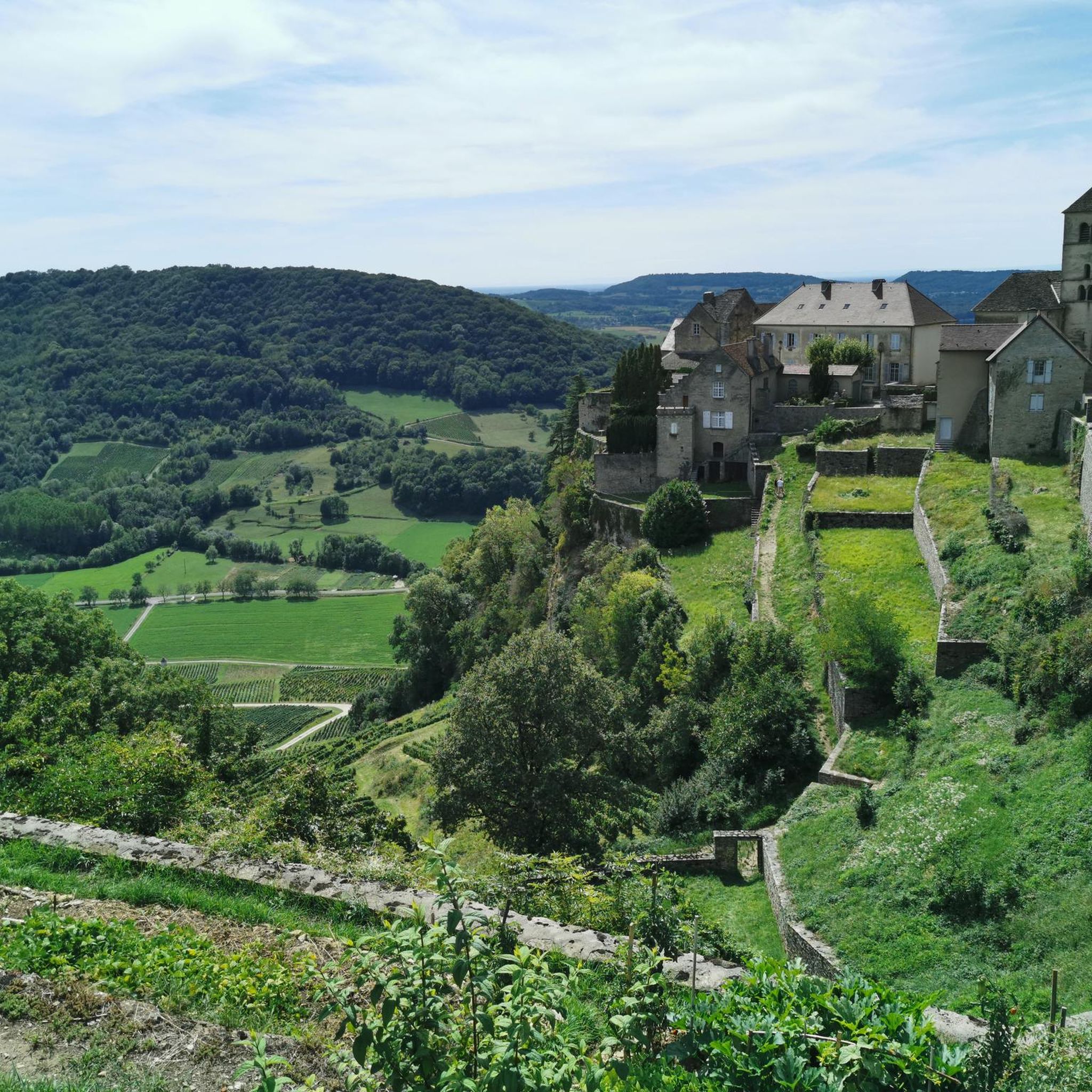
This place is from another time and truly deserves to spend a little time there, both for the panorama and for the architecture.
0
0

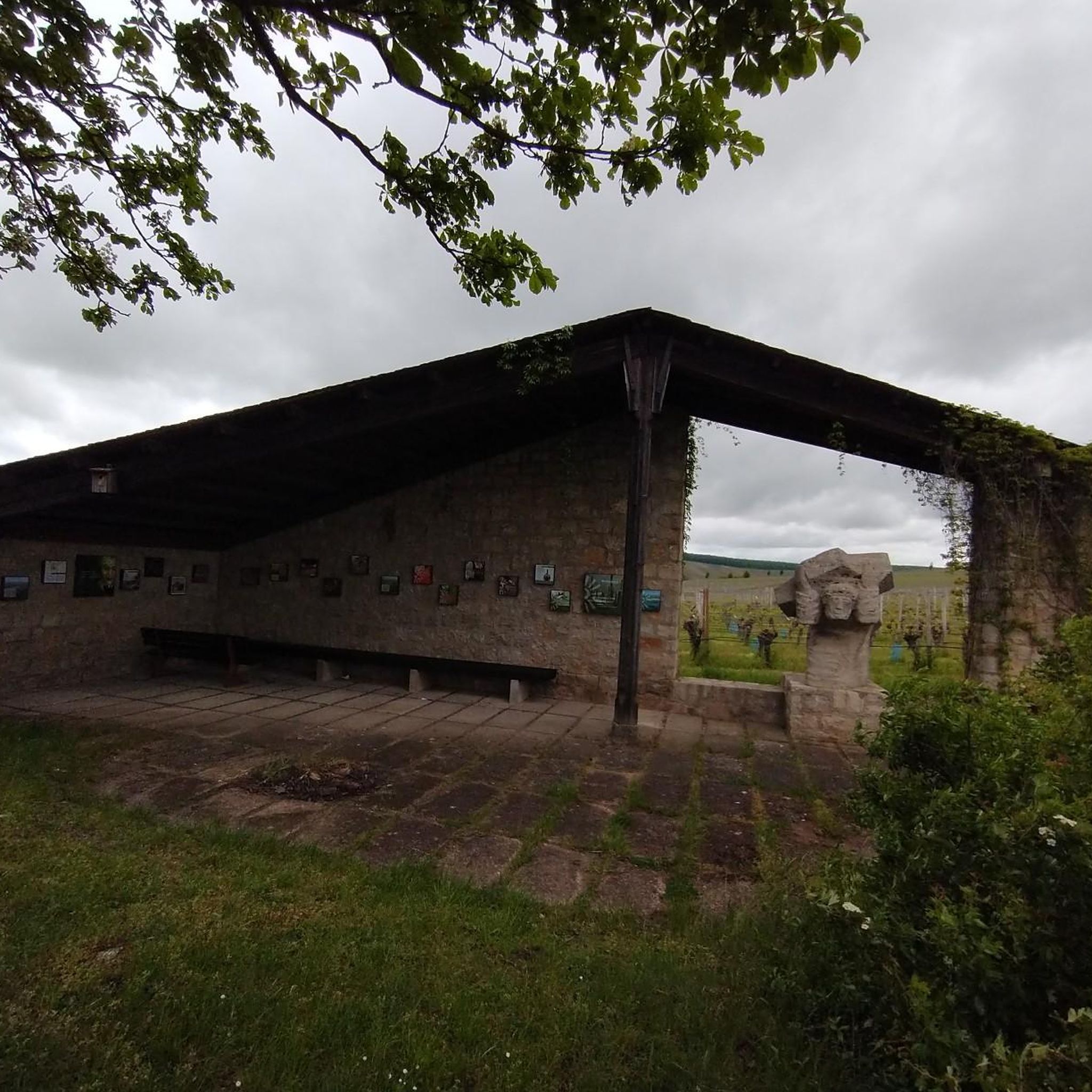
Beautiful resting place with wonderful views.
1
0
From Montaigu you have a wonderful view of Long-le-Saunier.
2
0

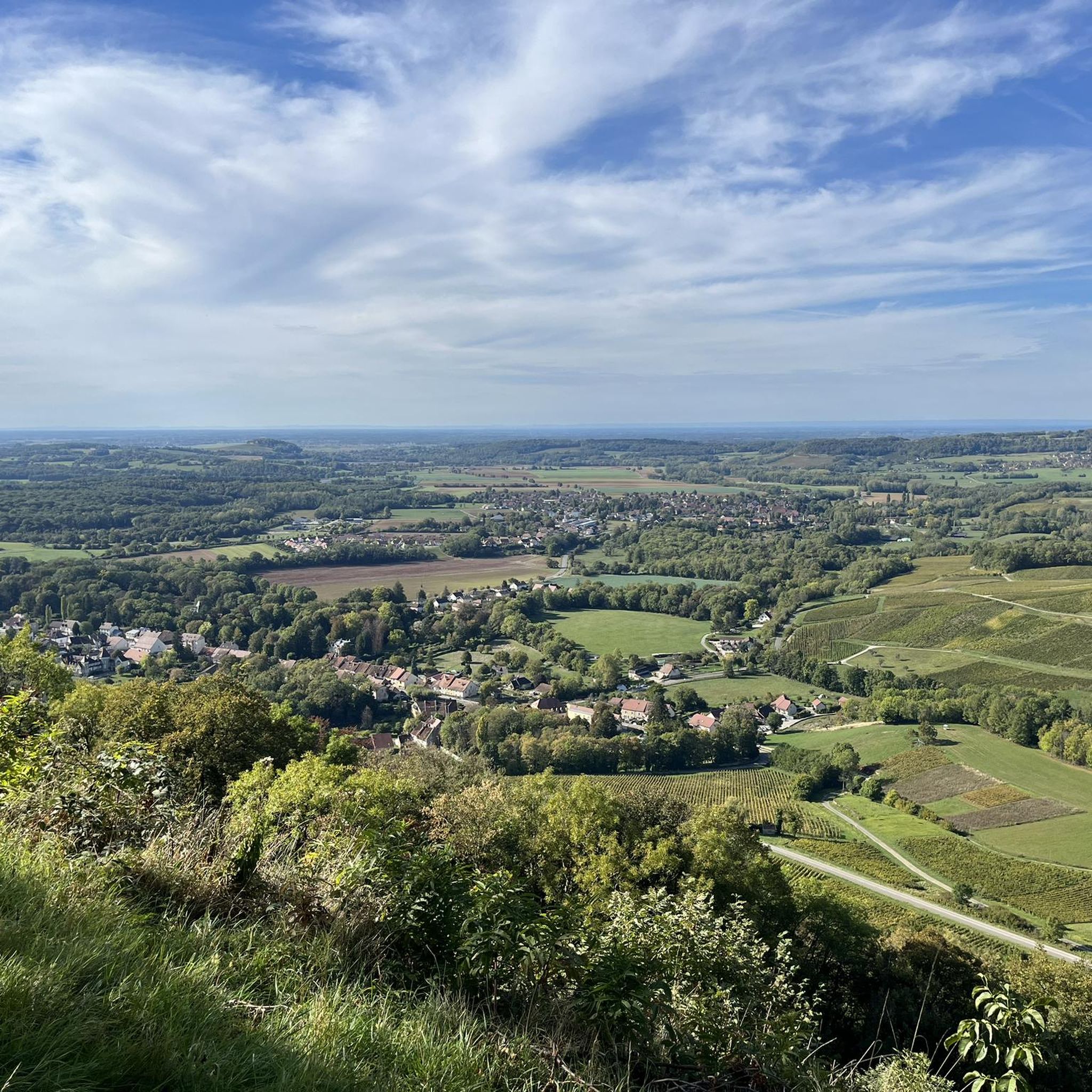
The Montorient belvedere offers an unobstructed 180 degree view. From there you can see Lons-le-Saunier. An orientation table allows you to find your bearings. It is an ideal place for a break or a picnic.
1
0
On the foothills of the first plateau of the Jura, Montaigu offers a plunging view of Lons-le-Saunier. The village has seen the growth of rouget de Lisle, composer of “La Marseillaise”. Montaigu separates and overlooks two remote valleys (Revigny and Vernantois) whose marly slopes, at the foot of the limestone cliffs, are very favorable for growing vines.
1
0
Claude Joseph Rouget de Lisle or Claude Joseph Rouget de l'Isle, born Claude Joseph Rouget (May 10, 1760 in Lons-le-Saunier – June 26, 1836 in Choisy-le-Roi)[1] was a French Composer, poet and officer. On the night of April 25-26, 1792, during the declaration of war on Austria, he wrote and composed the war song of the French Army of the Rhine, Chant de guerre pour l'armée du Rhin, in Strasbourg, Alsace, which later became a revolutionary song under the name Marseillaise. Six years after the storming of the Bastille, the Marseillaise was declared the national anthem on July 14, 1795, banned several times in the following years during the Empire and the Restoration epoch and only recognized again after the July Revolution of 1830. Source: https://de.wikipedia.org/wiki/Claude_Joseph_Rouget_de_Lisle
1
0

The Hermitage Saint-Anne de Conliège dominates the secluded area as well as the church of Saint-Etienne de Coldre and its Merovingian necropolis. It is also probably one of the oldest in the Jura.
3
0

Lons-le-Saunier is a pretty town renowned for its salt springs. It is pleasant to stroll under the arcades, to take a break at Place de la Comédie or Place de la Liberté between the water jets.
4
0
Frequently Asked Questions
What historical sites can I visit around Larnaud?
Larnaud is historically significant for its Bronze Age deposit, one of Europe's largest hoards, discovered in 1865. While the artifacts are primarily displayed at the Musée d'Archéologie Nationale in Saint-Germain-en-Laye, with some pieces in museums in Lons-le-Saunier and Besançon, the site of discovery itself is a key point of interest. Additionally, you can visit The Conliège Hermitage, a religious building considered one of the oldest in the Jura, offering both historical architecture and panoramic views. The village of Montaigu also has connections to Rouget de Lisle, composer of 'La Marseillaise'.
Are there any good viewpoints near Larnaud?
Yes, the area around Larnaud offers several scenic viewpoints. Montorient Viewpoint provides an unobstructed 180-degree view of Lons-le-Saunier and its surroundings, complete with an orientation table and picnic facilities. The village of Montaigu, situated on the foothills of the Jura plateau, also offers sweeping views of Lons-le-Saunier. Further afield in the Jura, the Pic de l'Aigle (Bec de l'Aigle) provides expansive vistas, including the Ilay gorges and, on clear days, Mont Blanc.
What natural features can I explore in the Larnaud area?
While Larnaud itself is a small commune, the broader Jura region offers impressive natural beauty. You can explore the famous Jura Vineyards, with establishments like Domaine des Berthét offering regional specialties. The Jura Mountains are also home to stunning gorges and waterfalls, such as the Gorges of the Abyss with its turquoise waters, and Le Grand Saut, the highest of the Hérisson waterfalls, plunging 60 meters.
What kind of outdoor activities can I do near Larnaud?
The region around Larnaud is excellent for various outdoor activities. You can find numerous routes for mountain biking, gravel biking, and general cycling. For detailed routes, explore the MTB Trails around Larnaud, Gravel biking around Larnaud, and Cycling around Larnaud guides.
Are there any family-friendly attractions around Larnaud?
Yes, several attractions around Larnaud are suitable for families. Montaigu is a family-friendly settlement offering views and a connection to local history. The Montorient Viewpoint is also considered family-friendly, providing a great spot for a break or a picnic with panoramic views. The broader Jura region also offers many opportunities for family outings amidst nature.
What is there to see in Lons-le-Saunier, near Larnaud?
Lons-le-Saunier, the capital of the Jura, is worth a visit. It's known for its historical salt mines, which led to its development as a spa town. It's also the birthplace of the famous Laughing Cow cheese, and you can explore its historic city center with beautiful classical buildings and pleasant pedestrian streets. It's a great place to discover local Jura cheeses like Comté, Morbier, and Mont d'Or.
What do visitors enjoy most about the attractions around Larnaud?
Visitors particularly appreciate the historical significance and panoramic views offered by sites like The Conliège Hermitage, which is described as being 'from another time' and deserving of time for both its architecture and panorama. The stunning 180-degree views from Montorient Viewpoint are also highly rated, often highlighted as an ideal spot for a break or picnic.
Can I find cultural sites or museums related to the region's history?
Beyond the archaeological significance of Larnaud itself, the broader Jura region is rich in cultural sites. You can find medieval castles, UNESCO sites, and various museums. While the Larnaud Bronze Age artifacts are mainly in museums outside the immediate area, the region also pays homage to Claude Joseph Rouget de Lisle, composer of 'La Marseillaise,' with a statue near Lons-le-Saunier.
Are there any specific villages of character to visit near Larnaud?
Yes, Montaigu is a notable village situated on the foothills of the Jura plateau, offering a plunging view of Lons-le-Saunier and known for its vine cultivation. The broader Jura Mountains also feature numerous picturesque towns and villages, many with medieval charm or unique local character.
What is the significance of the Bronze Age deposit in Larnaud?
The Larnaud Bronze Age deposit, discovered in 1865, is a collection of nearly 1,800 bronze objects, weighing 66 kg, including tools, weapons, and ornaments. It is considered one of Europe's largest Bronze Age hoards and was crucial in defining the 'Larnaudian' period of the late Bronze Age. Although the artifacts are housed in museums elsewhere, the discovery site near Larnaud remains a significant historical landmark.
Where can I experience the Jura vineyards near Larnaud?
The area around Larnaud is part of the renowned Jura wine region. You can visit local establishments like Domaine des Berthét to experience regional specialties and enjoy views of the Côtes du Jura vineyards. The marl slopes around villages like Montaigu are particularly favorable for vine cultivation.
Most popular routes around Larnaud

Get inspired with the komoot mobile app


Explore more
Still not found the Highlight you’re looking for? See guides of the top attractions in other regions:
