Attractions and Places To See around Petit-Noir - Top 5
Best attractions and places to see around Petit-Noir, a commune in the Jura department of eastern France, offers a rural landscape characterized by its natural environment and the Doubs river. This area, historically known for its marshy terrain, provides opportunities to explore its rich biodiversity. Visitors can discover cycle routes, viewpoints, and cultural sites within and near the commune.
Best attractions and places to see around Petit-Noir
- The most popular attractions is Voie Verte de la Bresse Jurassienne from Chaussin…
Last updated: July 1, 2026
Voie de la Bresse Jurassienne at Gatey
Highlight (Segment) • Cycleway
Translated by Google •
Tip by

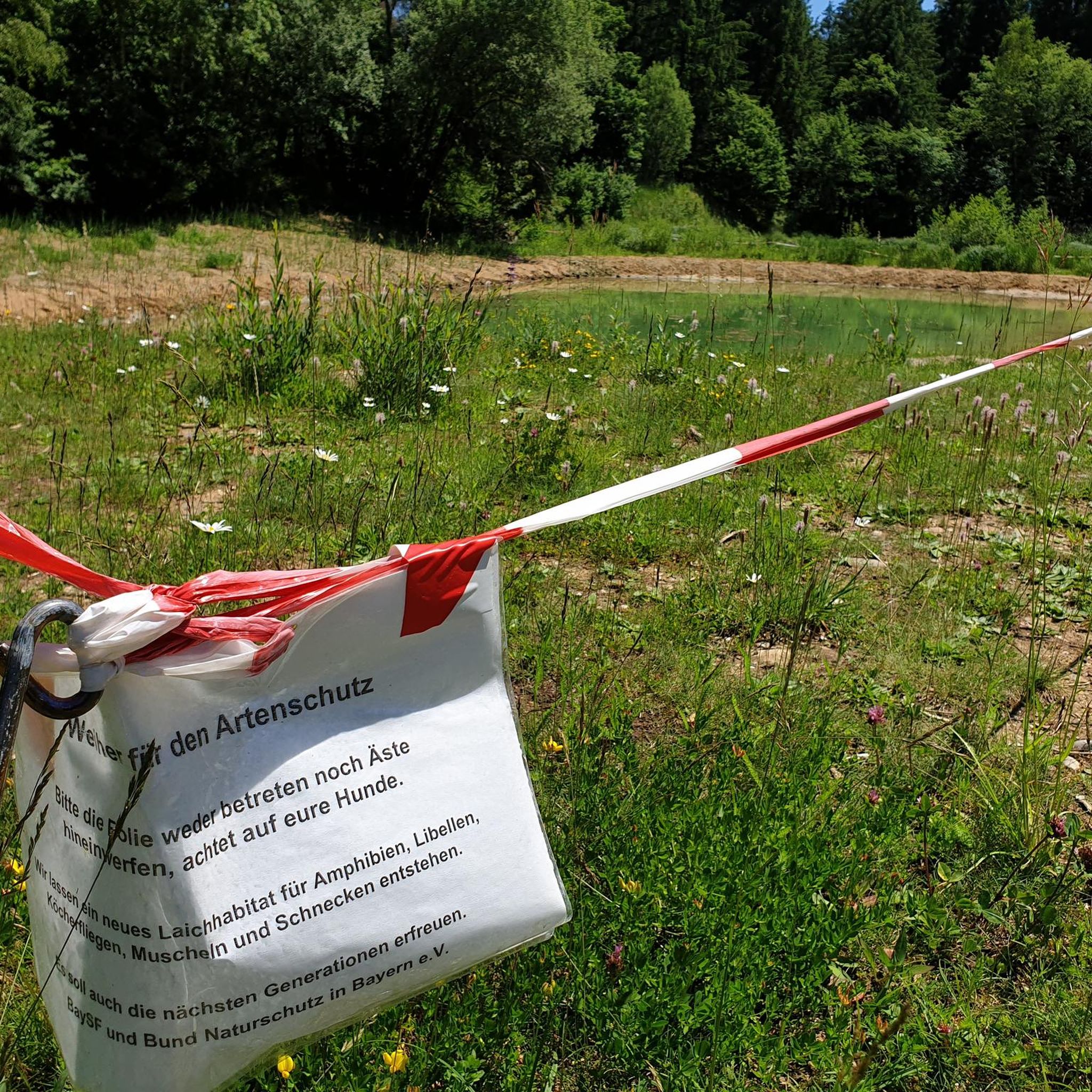
Maison des Étangs
Highlight • Rest Area
Translated by Google •
Tip by

Sign up now to discover places like this
Get recommendations on the best single tracks, peaks, & plenty of other exciting outdoor places.
Sign up for free
View of the Doubs
Highlight • Viewpoint
Translated by Google •
Tip by

Voie Verte de la Bresse Jurassienne from Chaussin to Molay
Highlight (Segment) • Other
Intersection with another old railway line, currently not a cycle path, but could become one.
Translated by Google •
Tip by

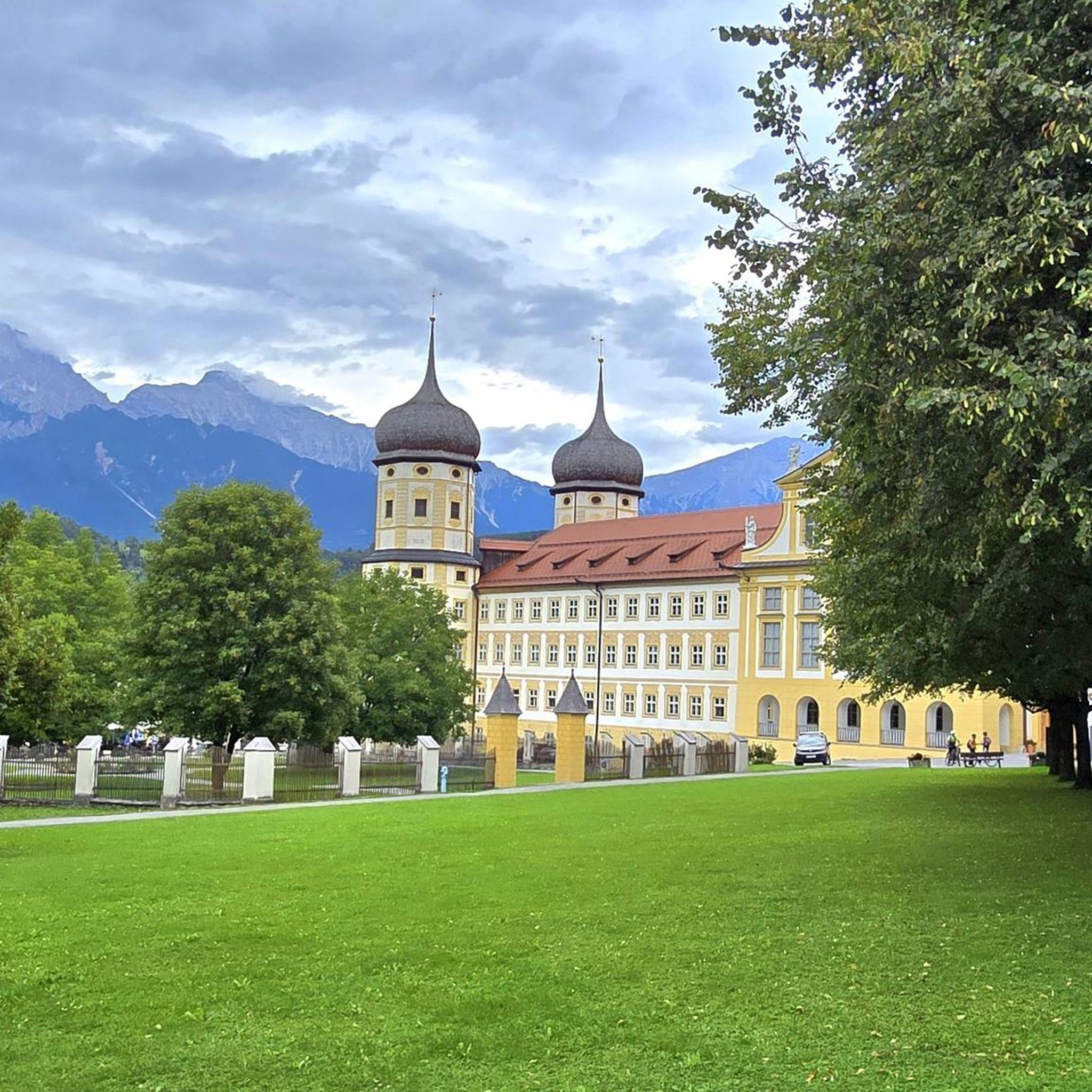
Bresse Bourguignonne Ecomuseum
Highlight • Museum
Translated by Google •
Tip by
Start today with a free account
Your next adventure awaits.
Login or Signup
Tips from the Community

The river is wide with some large fish to spot. wonderful villages to explore.
0
0

It is worth taking a moment to linger on this bridge.
1
0
Here is the information about the ecomuseum: https://www.bressenordintercom.fr/territoire-et-tourisme/ecomusee-de-la-bresse-bourguignonne/
1
0

Unfortunately, the interior is not so well preserved or has been heavily used by exhibitions. It seems a bit cluttered. The exhibitions about the region are interesting, though. Two submachine guns have also been preserved, which England dropped in large numbers from the air for the benefit of the Resistance during WWII.
1
0
The castle is very impressive, with double moat, garden and great layout. Worth a detour!!
1
0

From the Lays-sur-le-Doubs bridge, you have a beautiful view of the Doubs. This tributary of the Saône finds its source in the Jura.
1
0
The majestic Château de Pierre-de-Bresse dates from the 17th century. It also houses the Burgundian Bresse ecomuseum. We discover the life of the territory: its natural environments, its trades and traditional activities. During school holidays, the museum offers family workshops and guided tours.
2
1

The Voie de la Bresse Jurassienne connects Lons-le-Saunier to Dole. It forms the link between EuroVelo 6 and the Voie Bressane. Over 53 kilometers, this cycle route follows an old railway line through the Jura Bresse and the Finage plain.
0
0
Frequently Asked Questions
Where can I find scenic views and natural spots around Petit-Noir?
The View of the Doubs from the Lays-sur-le-Doubs bridge offers a beautiful perspective of the wide river. The area is also known for its rich biodiversity, particularly the Méandre du Mératon, which is an important ornithological site and home to various amphibians. The Doubs river itself flows through Petit-Noir, marking the last commune in the Jura department for its course.
What cycling routes are available near Petit-Noir?
You can enjoy several cycling paths, including the Voie Verte de la Bresse Jurassienne from Chaussin to Molay, a scenic asphalted railway cycle path. Another option is the Voie de la Bresse Jurassienne at Gatey, which connects Lons-le-Saunier to Dole along an old railway line. For more road cycling options, explore the Road Cycling Routes around Petit-Noir guide.
Are there any historical or cultural sites to visit near Petit-Noir?
Yes, the Bresse Bourguignonne Ecomuseum, housed in the majestic 17th-century Château de Pierre-de-Bresse, offers insights into the region's natural environments, trades, and traditional activities. Additionally, historical research indicates Roman archaeological sites in the lower Doubs valley near Petit-Noir, and the Bois Chaussemourot features an archaeological site with circular mounds.
What towns are worth visiting near Petit-Noir?
Several charming towns are within easy reach. Dole, about 21 km away, is known for its quiet atmosphere and sites like Louis Pasteur's birthplace. Château-Chalon (29 km) is famous for its wine, while Baume-les-Messieurs (34 km) boasts an abbey and unique geological formations. Arbois (33 km) offers art and history, and Salins-les-Bains (41 km) is home to a UNESCO World Heritage salt works.
Are there family-friendly attractions around Petit-Noir?
Many of the cycle paths, like the Voie de la Bresse Jurassienne at Gatey, are suitable for families. The Bresse Bourguignonne Ecomuseum at Château de Pierre-de-Bresse also offers family workshops and guided tours during school holidays. The natural areas, such as the Doubs river, provide opportunities for observing wildlife.
What do visitors enjoy most about the attractions near Petit-Noir?
Visitors particularly appreciate the scenic beauty of the Doubs river, especially from viewpoints like the Lays-sur-le-Doubs bridge. The well-maintained cycle paths, such as the Voie Verte de la Bresse Jurassienne, are also highly rated for their pleasant landscapes. The historical depth of sites like the Château de Pierre-de-Bresse and its ecomuseum also leaves a strong impression.
Are there hiking trails around Petit-Noir?
Yes, the area offers various hiking opportunities. The Maison des Étangs serves as a starting point for several hiking trails in the Bresse-Revermont Community of Communes. You can find more options, including easy and moderate routes, in the Hiking around Petit-Noir guide.
When is the best time to visit Petit-Noir for outdoor activities?
The region is ideal for outdoor activities during spring, summer, and early autumn when the weather is mild and the natural landscapes are at their most vibrant. This period is perfect for cycling, hiking, and enjoying the river views. The Méandre du Mératon is particularly interesting for ornithology during bird reproduction seasons.
Can I find places for running near Petit-Noir?
Absolutely. There are several running loops available, such as routes starting from Chaussin, Saint-Aubin, or Fretterans. You can explore more detailed options and distances in the Running Trails around Petit-Noir guide.
What is the significance of the Doubs river in Petit-Noir?
The Doubs river is a prominent natural feature, flowing through Petit-Noir and marking the last commune in the Jura department for its course. It contributes significantly to the region's rich biodiversity, supporting various bird species and amphibians, particularly in areas like the Méandre du Mératon.
Are there any unique natural areas for wildlife observation?
The Méandre du Mératon is a notable area for ornithological interest, serving as a reproduction site for the little bittern and home to other birds like grey herons and little egrets. It also hosts amphibians such as the alpine newt and natterjack toad, making it an excellent spot for wildlife observation.

Get inspired with the komoot mobile app


Explore more
Still not found the Highlight you’re looking for? See guides of the top attractions in other regions:
