The best road cycling routes around Mouthiers-Sur-Boëme
4.5
(116)
3,315
riders
652
rides
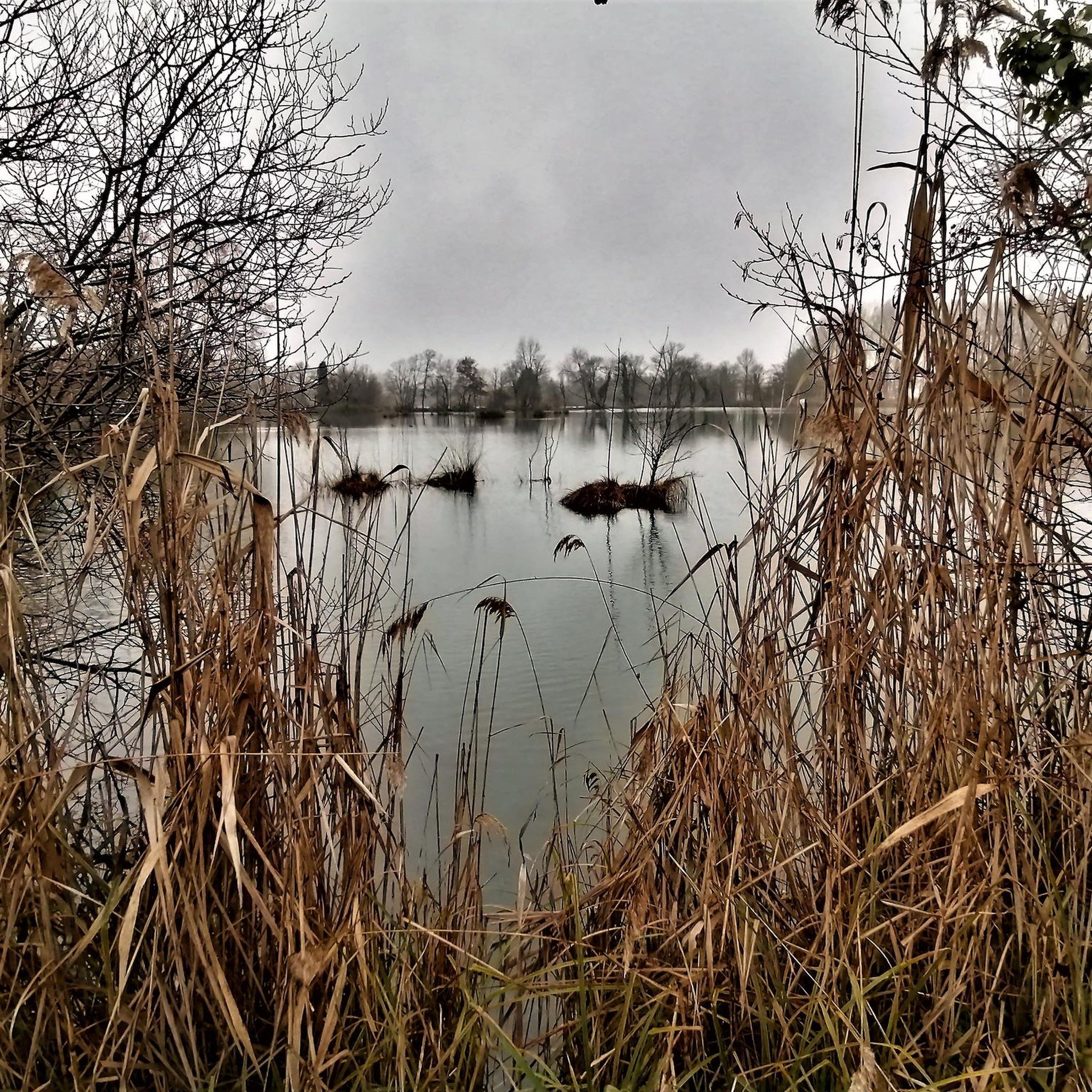
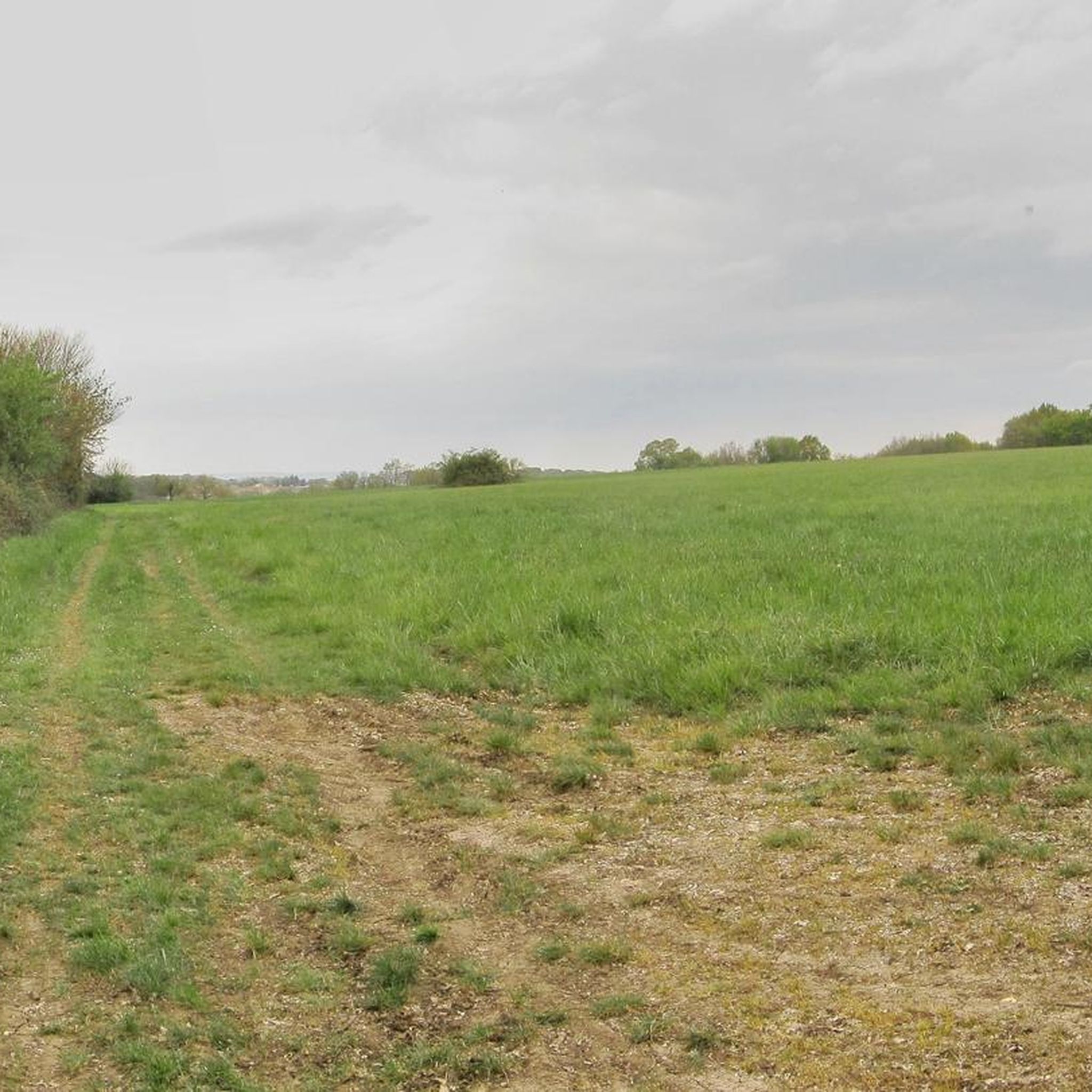
Road cycling routes around Mouthiers-Sur-Boëme traverse a rolling and varied landscape within the Charente department of France. The region features quiet countryside roads connecting scenic villages, often meandering through forests and vineyards. Cyclists encounter varied terrain, from gentle slopes in valleys to more challenging ascents in areas like the Coteaux du Montmorélien, predominantly on paved surfaces.
Best road cycling routes around Mouthiers-Sur-Boëme
- The most popular road cycling route is Le Pontaroux from Mouthiers-sur-Boëme through the forest – loop, a…
Last updated: August 30, 2026
2
riders
71.7km
03:48
840m
840m
Cycle a moderate 44.5-mile (71.7 km) loop through the forests and rolling landscapes around Mouthiers-sur-Boëme, gaining 2750 feet (838 metr
15
riders
22.4km
01:00
190m
190m
Easy road ride. Great for any fitness level. Mostly well-paved surfaces and easy to ride.

Sign up for free
7
riders
Moderate road ride. Good fitness required. Some segments of this route may be unpaved and difficult to ride.
4
riders
47.8km
02:13
500m
510m
Moderate road ride. Good fitness required. Some segments of this route may be unpaved and difficult to ride.
9
riders
42.8km
01:58
400m
400m
Moderate road ride. Good fitness required. Some segments of this route may be unpaved and difficult to ride.
Get access to more routes and recommendations from other explorers.
Sign up for free
Already have an account?
Our route recommendations are based on thousands of hikes, rides, and runs completed by other people on komoot.
Start today with a free account
Your next adventure awaits.
Login or Signup

Tips from the Community

The Abbey of Notre-Dame de La Couronne is an exceptional monumental complex, composed of the remains of the old abbey church and the convent buildings. A major building representing the introduction of Gothic in Angoumois at the end of the 12th century. In the 12th century, the Abbey of Notre-Dame de la Couronne was founded (from 1118, laying of the first stone). The work was carried out quickly and on March 12, 1122, the monks (of the regular order of Saint Augustine) settled in the presence of Bishop Girard de Blay and the Count of Angoulême. From its creation, the abbey was a great success: a new church was built at the end of the 12th century (choir and nave: 1171-1194; the end of the work was slowed down by wars, famines, etc.): it was dedicated in 1201, in the presence of the Archbishop of Bordeaux. The convent buildings were also renewed at the end of the 12th and beginning of the 13th century: cloisters, dormitory, refectory, infirmary, etc. A surrounding wall surrounded the abbey. During the 13th century, the furnishings were enriched, the Saint-Nicolas chapel was built and the bell tower was built. During the Hundred Years' War, the monks were dispersed and the bell tower collapsed (1450). At the end of the 15th century, the abbey was reborn: part of the collapsed church was rebuilt, a new abbey building was built (the work was completed after 1514). The Wars of Religion affected the abbey again: it was pillaged in 1562, part of its furniture was burned. The convent buildings were restored in 1571. At the beginning of the 17th century, the abbey, which now had only eight monks, was united with the Jesuit order; it was then placed under the obedience of the congregation of Sainte-Geneviève in 1644. In the 18th century, a final campaign of works (1750-1778) transformed the convent buildings. During the Revolution, the abbey became national property. It was sold in 1807, used as a quarry and was gradually dismantled and divided into several properties. This religious establishment is now in ruins and inaccessible to the public. But it is possible to imagine it thanks to a virtual reality tour with the Legendr application. Municipal website: https://www.lacouronne.fr/abbaye-notre-dame 3D reconstruction: https://www.rendr.fr/portfolio/reconstitution-3d-abbaye-notre-dame-la-couronne Heritage of Charente: https://patrimoine16.lacharente.fr/sites-du-departement/la-couronne/
0
0

Magnificent little Charentais village, with a small church and its garden
0
0

It was originally a Benedictine abbey from the 11th century. The abbey experienced the horrors of the 100 Years' War in the 14th and 15th centuries, then those of the religious wars which marked the 16th century. Seized as national property during the Revolution, the building was reborn when it fell into the hands of a new owner at the end of the 1980s who opened it to the public.
0
0
This thousand-year-old castle overlooks the surrounding plains. From its heights, beautiful panoramas pass before our eyes. It is an ancient citadel. Many activities are offered all year round. You can also visit the castle to discover more about its history. More information on https://www.chateaudevilleboislavalette.com/.
0
0

The extraordinary history of this grandiose residence began in 1924, in the heart of a small 19th century manor (to the left of the current façade): the troubadour castel of La Mercerie was then acquired by Alphonse and Raymond Réthoré. From then on, the two brothers, dreaming of the great Versailles, devoted all their resources to enlarging and embellishing the building. The work undertaken is commensurate with the ambition that drives it. Outside, colonnades and balusters in white stone soon extend the first building. the cut stone increases the gigantism and the rigor of a facade with a perfect rhythm. Inside, nothing is too beautiful for La Mercerie, Raymond brings back from his travels furniture and paintings, chandeliers and precious woods, marbles from Italy, azulejos from Portugal etc. He returns from Italy with a painter sculptor who will carry out on the spot the most monumental decorations with the assistance of the inhabitants of the country. The treasures are piling up, but 30 years of work will not be enough to complete the colossal project. The collections are dispersed during auctions in June 1987. When the two brothers died, the castle fell into oblivion, until the mobilization of the inhabitants of the town, who decided to found an association to safeguard this unique and prestigious heritage. The Béruges room, the central living room, the Vernet living room, the vestibule, the mahogany gallery and the large Azulejos gallery, each more impressive than the last, now fully conquers the visitor eager for cultural discoveries. A short tour of the belvedere of the castle allows you to admire it from the height. In the park of the castle, the rose garden and the arboretum can be visited by little train. The little train is random due to the health context and will be reserved for people with reduced mobility and children, and mainly on Sundays.
0
0

Pretty castle in height after a climb from Angoulême
1
0

beautiful and steep forest road
0
0
Its dazzling white stone facade extends over 220 meters in length, in the middle of a 50 Ha green setting. Some rare and remarkable trees adorn the walk through the park.
2
0
Frequently Asked Questions
What kind of terrain can I expect on road cycling routes around Mouthiers-sur-Boëme?
The region offers a rolling and varied landscape. You'll find quiet countryside roads, stretches through forests and vineyards, and gentle slopes in valleys. Areas like the Coteaux du Montmorélien present more challenging ascents and descents, all predominantly on paved surfaces.
Are there road cycling routes suitable for beginners or those looking for an easier ride?
Yes, there are options for various ability levels. For an easier ride, consider routes like the Roadbike loop from Vœuil-et-Giget, which is 13.7 miles (22.1 km) and provides a pleasant ride through tranquil countryside.
What historical landmarks can I see along road cycling routes near Mouthiers-sur-Boëme?
Many routes offer opportunities to see historical sites. You might pass by the 12th-century Church of Saint Hilaire, the 19th-century Château de la Rochandry, or the impressive Viaduc des Coutaubières. The Château de la Mercerie – Villebois-Lavalette Castle loop from Les Erableaux is a great option for incorporating historical sights.
Are there any natural attractions or scenic viewpoints accessible by road bike?
Absolutely. The region features diverse natural beauty, including the Boëme Valley, peat bogs of the Grande Prairie de Mouthiers-sur-Boëme, and the striking limestone cliffs of the Vallée des Eaux Claires. Routes often traverse forests and vineyards, offering picturesque views.
How many road cycling routes are available in the Mouthiers-sur-Boëme area?
There are over 600 road cycling routes available around Mouthiers-sur-Boëme, catering to various fitness levels from easy to difficult. This extensive network ensures plenty of options for exploration.
What do other road cyclists enjoy most about cycling in Mouthiers-sur-Boëme?
The area is highly rated by the komoot community, with an average score of 4.5 stars from over 100 reviews. Cyclists often praise the rolling hills, quiet countryside roads, and the diverse scenery that includes vineyards and forests.
Are there any circular road cycling routes in the region?
Yes, many routes are designed as loops, allowing you to start and finish in the same location. An example is Le Pontaroux from Mouthiers-sur-Boëme through the forest – loop, a moderate 44.5-mile (71.7 km) trail.
Can I find family-friendly road cycling routes around Mouthiers-sur-Boëme?
Yes, the region offers several easy routes suitable for families. These often feature mostly paved surfaces and traverse tranquil countryside, providing a pleasant experience for all ages. Look for routes categorized as 'easy' for the most family-friendly options.
What is the best time of year for road cycling in Mouthiers-sur-Boëme?
The region's climate generally makes spring and autumn ideal for road cycling, offering pleasant temperatures and beautiful scenery as the vineyards change color. Summer can also be enjoyable, especially when routes pass through shaded forest sections.
Are there any specific routes that pass by castles or châteaux?
Yes, several routes incorporate historical châteaux. For instance, the Castle – Château de la Rochandry loop from Les Erableaux is a moderate 41.1-mile (66.1 km) route that takes you past the Château de la Rochandry.
Where can I find more information about cycling in the broader South Charente region?
For additional cycling information and routes in the wider South Charente area, including details on shared-use lanes and greenways, you can visit the local tourism website: sudcharentetourisme.fr.
Are there options for longer road cycling routes in the area?
Yes, for those seeking longer rides, routes like Le Pontaroux from Mouthiers-sur-Boëme through the forest – loop (44.5 miles / 71.7 km) or the Château de la Mercerie – Villebois-Lavalette Castle loop from Les Erableaux (40.4 miles / 65.1 km) provide substantial distances with varied terrain.
Most popular routes around Mouthiers-Sur-Boëme
Most popular attractions around Mouthiers-Sur-Boëme

Get inspired with the komoot mobile app


Explore more
Browse the best Road cycling routes in other regions.
