Attractions and Places To See around Préporché - Top 20
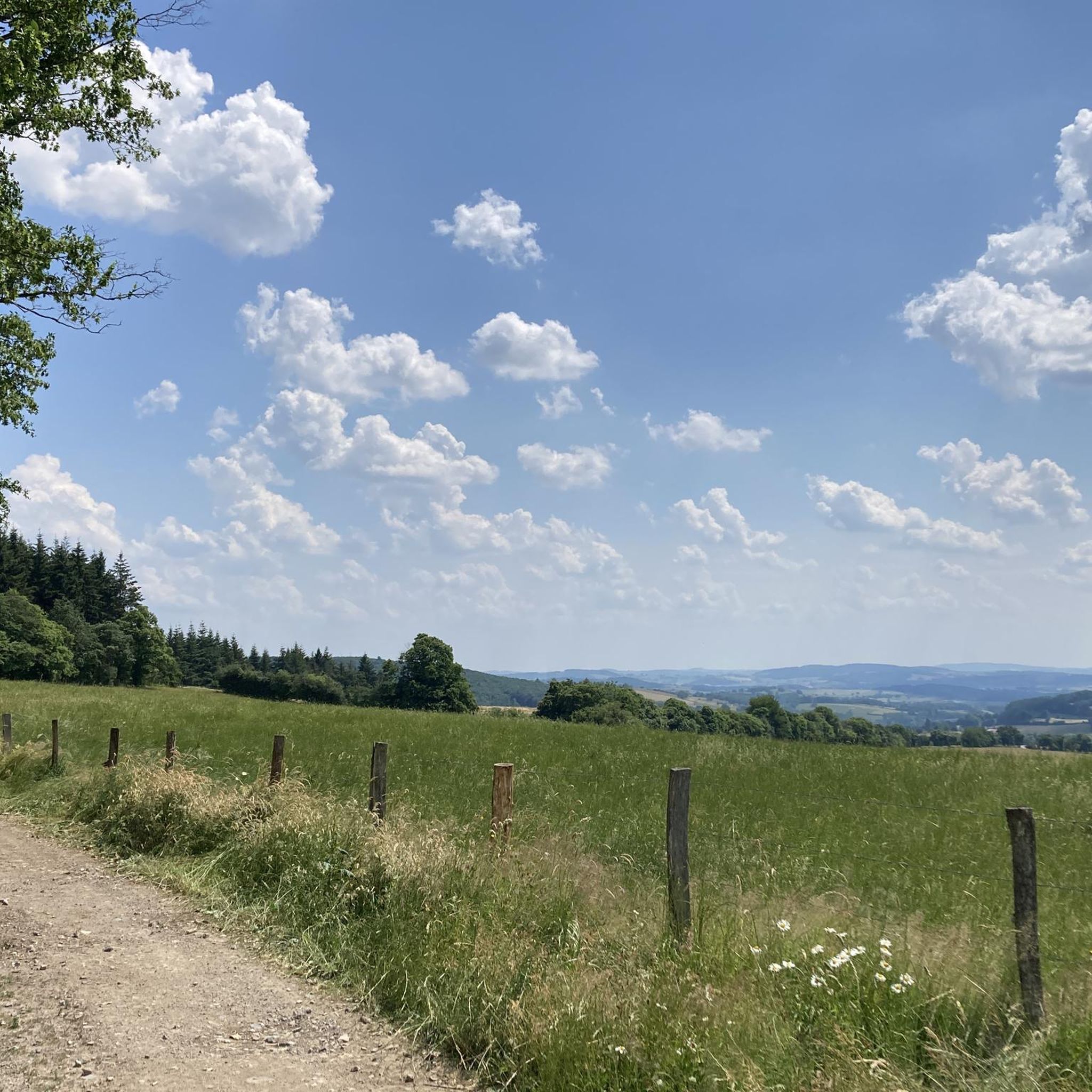
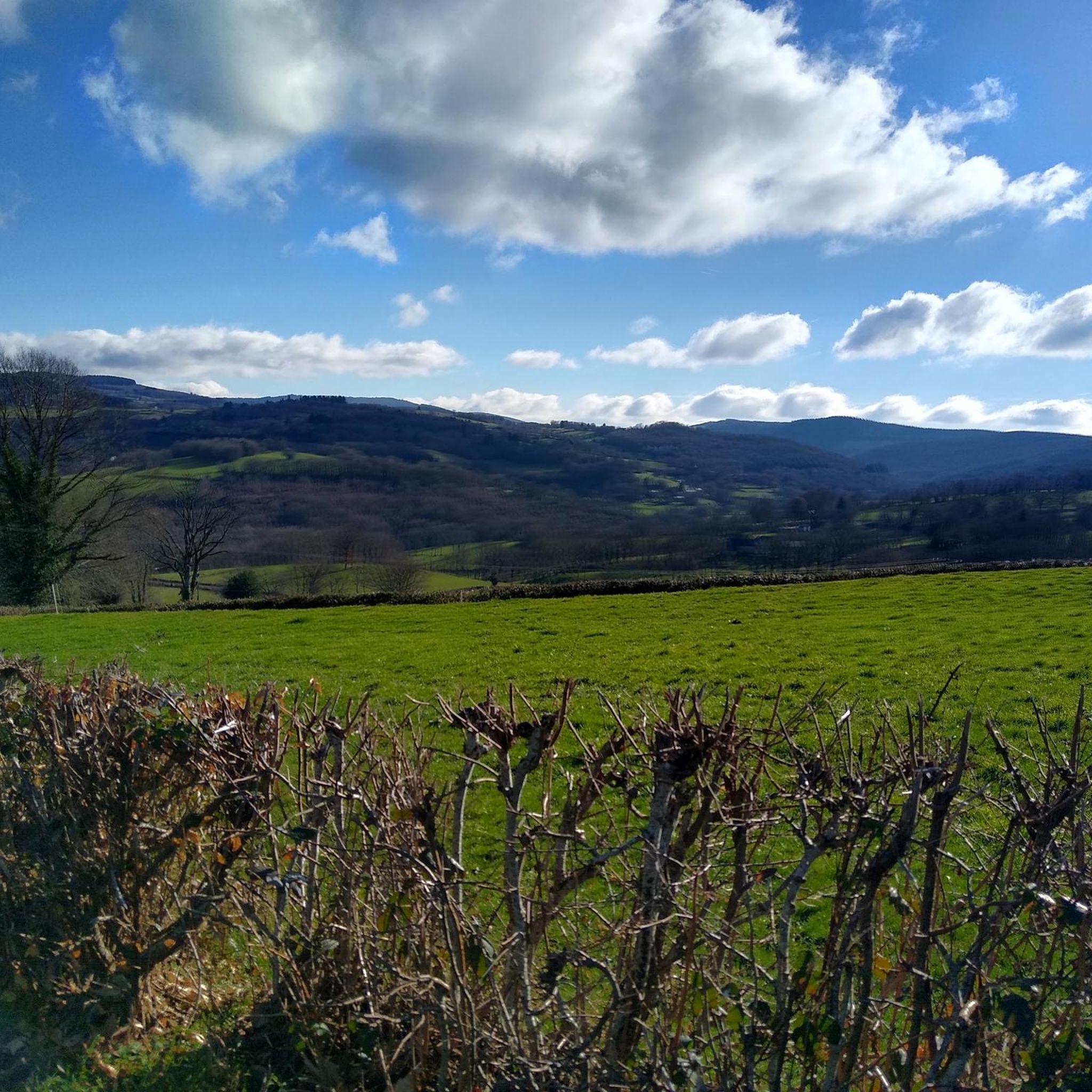
Best attractions and places to see around Préporché include a blend of historical sites and natural features within the Morvan Regional Natural Park. This commune offers diverse panoramic views and numerous walking opportunities. Visitors can explore ancient churches, significant natural areas, and historical landmarks that reflect the region's heritage. The area is characterized by green, wooded hills and rivers, providing a varied landscape for exploration.
Best attractions and places to see around Préporché
- The most popular attractions is Mount Beuvray…
Last updated: August 16, 2026
Eglise romane de Préporché
Highlight • Religious Site
Translated by Google •
Tip by

Mount Beuvray
Highlight • Summit
Translated by Google •
Tip by

Sign up now to discover places like this
Get recommendations on the best single tracks, peaks, & plenty of other exciting outdoor places.
Sign up for free
Dragne Waterfall
Highlight • Waterfall
Tip by

Dragne waterfall
Highlight • Waterfall
Translated by Google •
Tip by

View of Château de la Roche
Highlight • Other
Translated by Google •
Tip by

Sign up for free to discover even more attractions around Préporché.
Sign up for free
Already have an account?
Start today with a free account
Your next adventure awaits.
Login or Signup
Tips from the Community

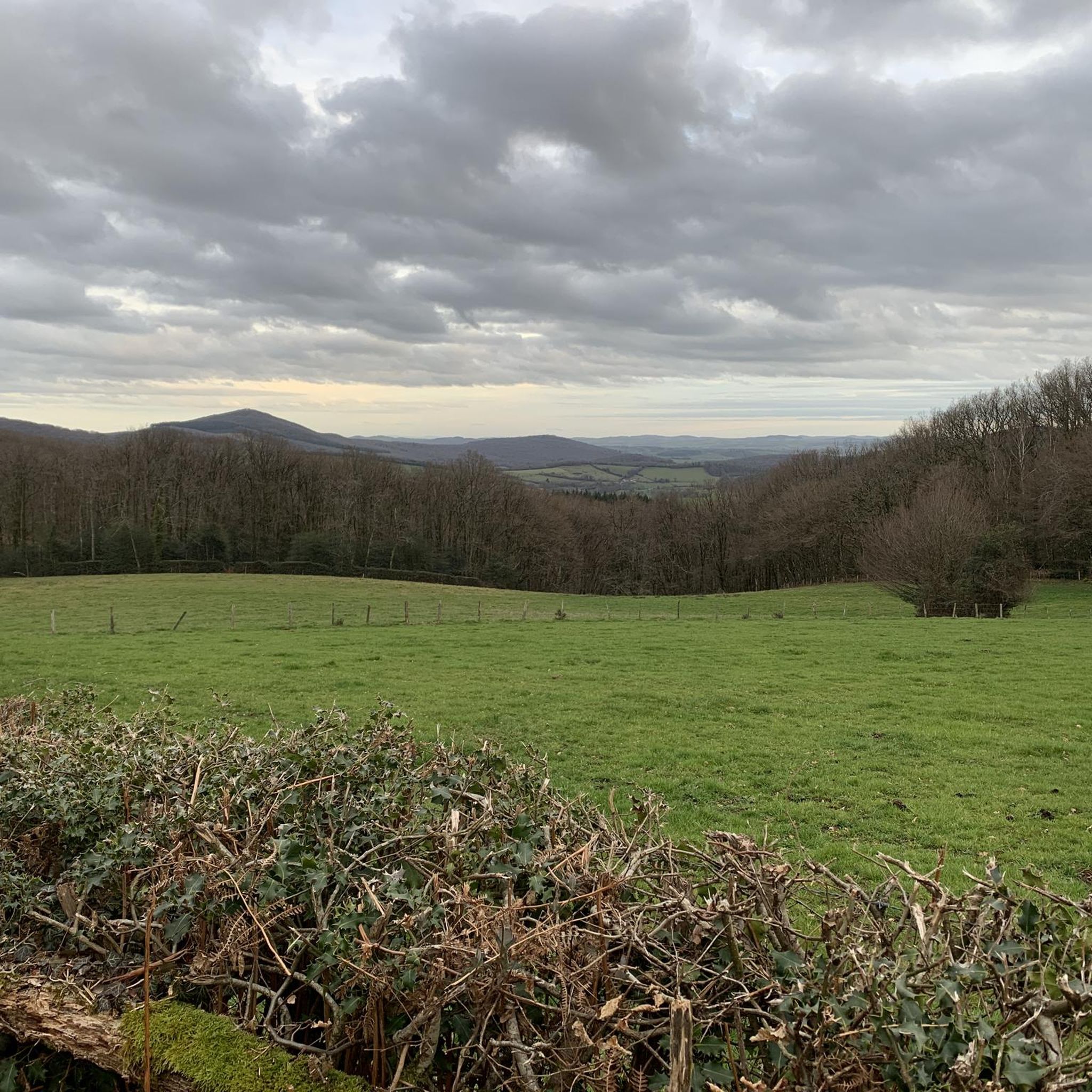
nice forest path, passing over the summit of Mont Beuvray (821m)
0
0

Located on a granite promontory, the Château de la Roche is a listed historical monument. Built in the 12th century, it overlooks the village of Larochemillay.
0
0

Literally sent into the woods, no paths in the woods. Went back
0
0
Trail past the waterfall is essentially blocked by many fallen trees. I would recommend the alternative trail from Villapourcon of about 11 km.
1
0

After the waterfall, the path is no longer easy to follow. There must have been a storm; a pile of fallen trees are lying around, and the path is no longer recognizable. It gets better again after crossing the small river.
3
0

Beautiful, recommended walk. Small problem: the indicated right turn at km 6.44 is a non-accessible private road. Simply continue and turn right at km 7.32 to find the proposed road again after +/- 150 m (uphill).
2
0

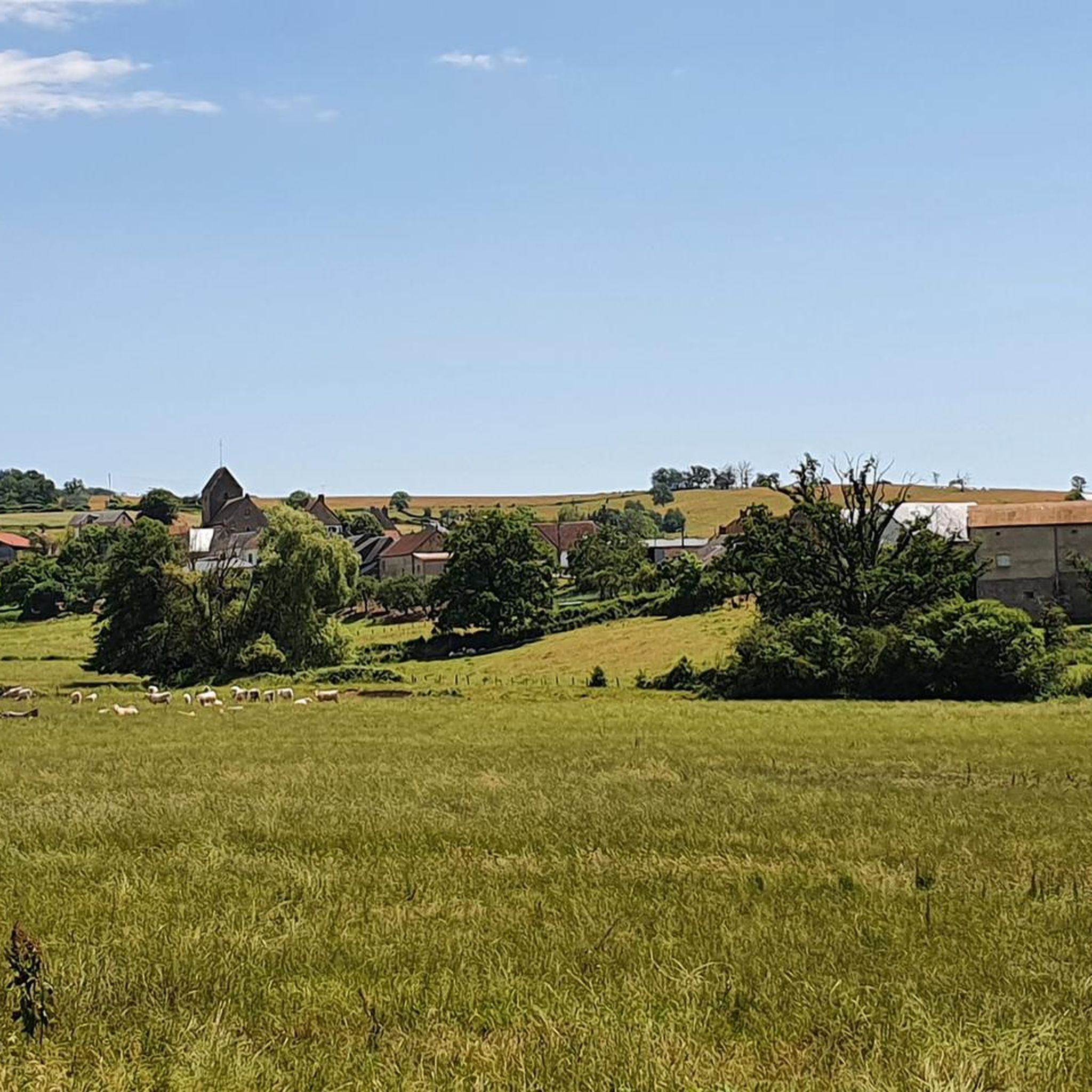
Small picoresque stone village. There was once a bakery, today only a local art workshop/gallery serves as a tourist point.
0
0

The church of Préporché is placed under the name of Saint-Pierre, it dates from the 12th century, in a massive Romanesque style. Victim of the wars of religion, destroyed by the Huguenots in 1570, it was rebuilt in the 16th century. The building has a barlong plan and is completed by a square chapel. In 1872 the church was restored, the Romanesque facade was destroyed in 1920, it was rebuilt set back for road reasons. It is pierced with modern windows. The church is coated with Morvan granite and pink sandstone. The bell tower is rectangular in plan, it is imposing, its roof is gabled, it has a single bay on its four sides. It has a wooden statue of Saint Peter from the 14th century. Magnificent contemporary stained glass windows are to be discovered, eight stained glass windows, created by the artist Isabel Michel in 2000, their theme is the seasons, the nights, the burning bush and the angel of Saint Peter. Statue of Saint Peter, in wood covered with gray wash, traces of polychromy, it dates from the 14th century. The church would have been built at the end of the 11th century. We find some features from this period in the facade and the west gable, with its Romanesque portal with jambs decorated with a simple column. The building was restored in the 16th and 19th centuries. The apse has a flat bottom. The square bell tower is covered with a gable roof. Inside there is a beautiful 18th century altar, a rustic wooden gallery and a polychrome wooden statue of Saint Peter from the 14th century. Saint Peter and Saint Paul: They cannot be separated. They are the two pillars of the Roman Church, it is the Church of Peter and Paul, the Church of direct witnesses who shared the life of the Lord. Isabel Michel, victorious painter in the competition organized by the municipality, chose the theme of the four seasons to illustrate the stained glass windows of the church with the help of master glassmaker Guy Méliava.
0
0
Frequently Asked Questions
What natural attractions can I explore around Préporché?
The region offers several natural highlights. You can visit Dragne Waterfall, where the Dragne river tumbles over rocks. Another significant natural area is Mount Beuvray, a summit in the Morvan massif known for its rare species and historical significance. The Sources of the Yonne are also a beautiful spot to explore.
Are there historical or cultural sites to visit in Préporché?
Yes, Préporché is rich in history. The Eglise romane de Préporché, a 12th-century Romanesque church, features contemporary stained-glass windows and a 14th-century wooden statue of Saint Peter. Other notable historical landmarks include the Bâtiment des Panné-Garriaux, dating from the 16th and 17th centuries, and the Domaine des Morillons, established in the early 18th century.
What kind of hiking trails are available near Préporché?
Préporché is known for its diverse walking opportunities. The Morvan Regional Natural Park offers numerous trails, including the marked Circuit balisé de l'étang Boiré, an 11 km trail. You can find more detailed hiking routes and their difficulties in the Hiking around Préporché guide, which includes moderate loops like the 'Eglise romane de Préporché – Préporché Church loop from Tussy'.
Are there any family-friendly activities or walks in the area?
Many of the natural trails and historical sites can be enjoyed by families. The general area within the Morvan Regional Natural Park provides picturesque views and opportunities for leisurely walks. For specific family-friendly walks, exploring the less challenging sections of the marked circuits or visiting the spa town of Saint-Honoré-les-Bains, just 2 km away, offers parks and leisure activities suitable for all ages.
What are the best viewpoints around Préporché?
Préporché is renowned for its diverse panoramic views, especially within the Morvan Regional Natural Park. The area offers picturesque views of the Morvan and Nivernais regions from various points. While specific named viewpoints are not detailed, exploring the higher elevations and marked trails will lead to scenic vistas.
Can I find cycling routes near Préporché?
Yes, the region is suitable for cycling. You can find various road cycling routes, such as the 'Saint-Honoré-les-Bains and Vandenesse Castle Loop,' which is an easy option. For more adventurous riders, there are also MTB trails available. Explore detailed routes in the Road Cycling Routes around Préporché guide and the MTB Trails around Préporché guide.
What is the best time to visit Préporché attractions?
The Morvan Regional Natural Park, where Préporché is located, is characterized by green, wooded hills, making it pleasant during spring, summer, and early autumn for outdoor activities and enjoying the natural beauty. The stained-glass windows of the Eglise romane de Préporché, depicting the four seasons, suggest that the church offers a unique experience year-round.
Are there any nearby towns with additional services or attractions?
Yes, just 2 km from Préporché is Saint-Honoré-les-Bains, a spa town offering a park, casino, leisure activities, restaurants, and shops. Moulins-Engilbert, located 8 km away, also provides additional services and shops, along with historical sites like the Old Castle and the Prieuré de Commagny.
What should I know about visiting Dragne Waterfall?
The Dragne Waterfall is a beautiful natural spot. However, visitors should be aware that the direct trail past the waterfall can sometimes be blocked by fallen trees. An alternative 11 km trail to the waterfall starts from Villapourcon, which is often recommended for easier access.
Is Préporché suitable for dog-friendly walks?
The natural environment of the Morvan Regional Natural Park, with its numerous walking trails and rivers like the Donjon and Dragne, generally offers good opportunities for dog-friendly walks. It's always advisable to keep dogs on a leash, especially in protected natural areas like Mont Beuvray, which is a ZNIEFF and Natura 2000 site.
What makes Mount Beuvray a significant attraction?
Mount Beuvray is significant for both its natural and historical aspects. It culminates at 821 meters in the Morvan massif and is a recognized natural area (ZNIEFF and Natura 2000) home to rare and protected species. Historically, it was the ancient capital of the Gallic Aedui people, and at its base, you can find the Gallo-Roman history museum of Bibracte.
Are there any hidden gems or less-known spots worth discovering?
Beyond the main highlights, the region is dotted with charming historical structures like the Old Schoolhouse (Maison d'école), built around 1846 on the site of a former fortified house. Exploring the smaller villages and unmarked paths within the Morvan Regional Natural Park can also lead to discovering tranquil spots and local insights.
Most popular attractions around Préporché

Get inspired with the komoot mobile app


Explore more
Still not found the Highlight you’re looking for? See guides of the top attractions in other regions:
