The best walks and hikes around Saint-Honoré-Les-Bains
4.1
(259)
1,013
hikers
22
hikes
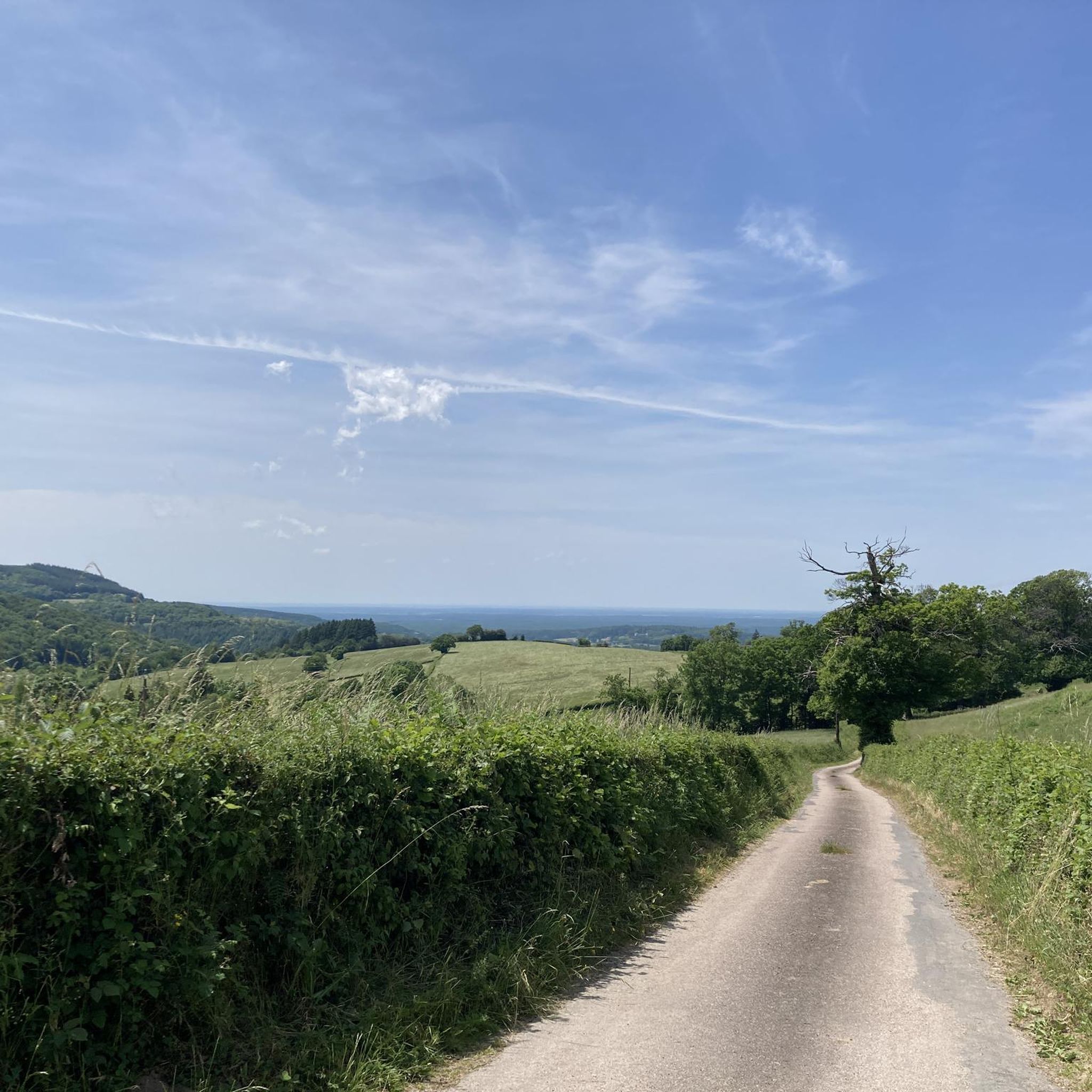
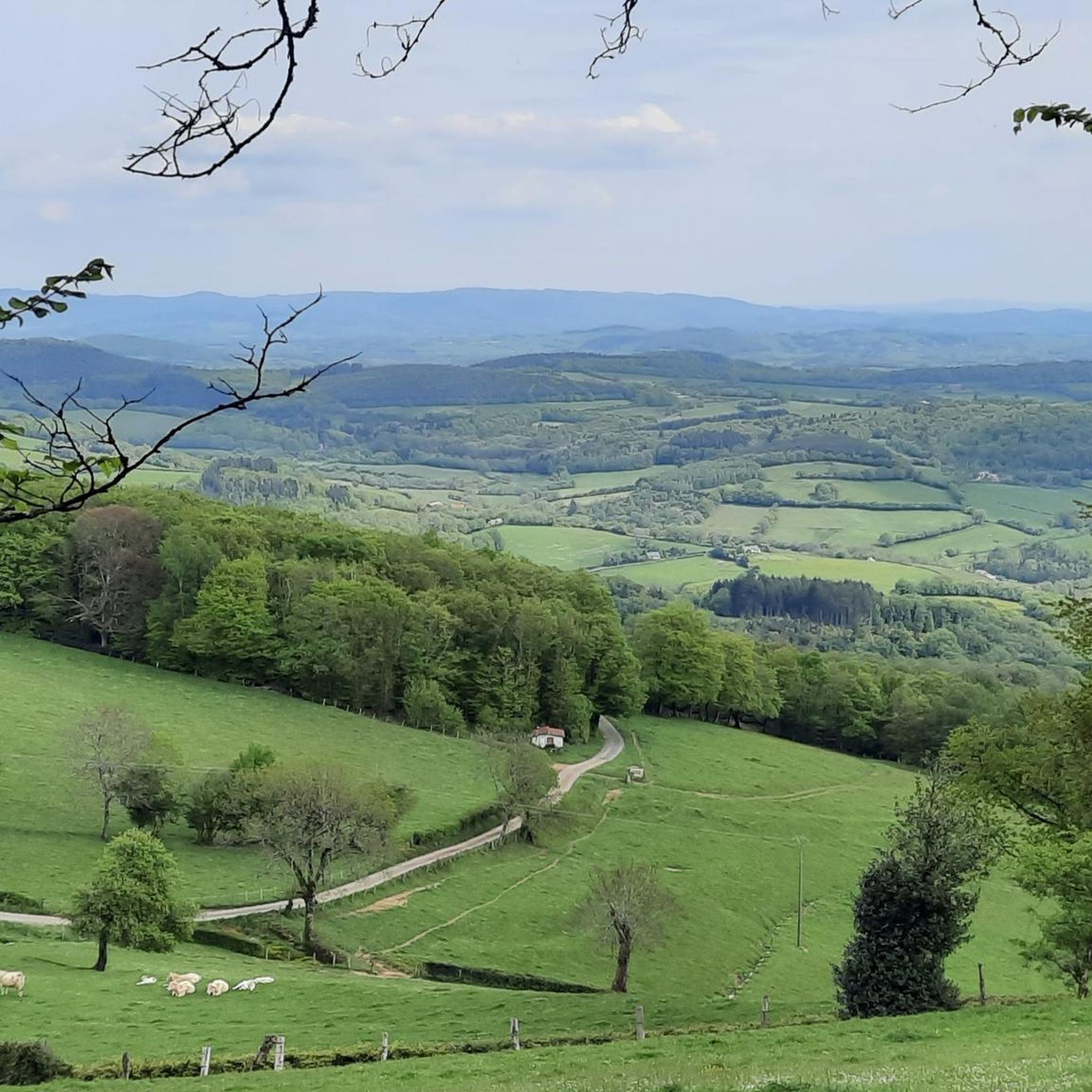
Hiking around Saint-Honoré-Les-Bains offers access to the diverse landscapes of the Morvan Regional Natural Park. The region is characterized by rolling hills, dense forests, and lush valleys, with granite formations and tranquil lakes. Trails often feature varied terrain, including shaded paths and open vistas, providing a range of experiences for hikers.
Best hiking trails around Saint-Honoré-Les-Bains
- The most popular hiking route is Château de Vandenesse et les thermes de Saint-Honoré-les-Bains — boucle depuis Saint-Honoré-les-Bains, a 12.1 miles (19.5 km)…
Last updated: June 25, 2026
1.0
(1)
3
hikers
Hard hike. Very good fitness required. Easily-accessible paths. Suitable for all skill levels.
4.6
(5)
27
hikers
8.51km
02:23
170m
170m
Moderate hike. Good fitness required. Easily-accessible paths. Suitable for all skill levels.

Sign up for free
4.5
(6)
24
hikers
Moderate hike. Good fitness required. Easily-accessible paths. Suitable for all skill levels.
4.5
(8)
15
hikers
7.86km
02:14
170m
170m
Moderate hike. Good fitness required. Easily-accessible paths. Suitable for all skill levels.
4.0
(3)
16
hikers
Moderate hike. Good fitness required. Easily-accessible paths. Suitable for all skill levels.
Get access to more routes and recommendations from other explorers.
Sign up for free
Already have an account?
Our route recommendations are based on thousands of hikes, rides, and runs completed by other people on komoot.
Start today with a free account
Your next adventure awaits.
Login or Signup
Tips from the Community

The photo does not correspond to the St Honoré thermal baths but to the old Morvan hotel with the restaurant of the current casino in the glass roof.
0
0

We did this tour at the end of April, 10 degrees and rain. Good shoes are recommended.
1
0

You will notice that most castles are located in strategic defensive positions, which is not the case with this castle. But the region around the castle is crossed by the Dragne river which served as a natural defense on one side. The castle is privately owned, but can be admired from the main road.
0
0

Small picoresque stone village. There was once a bakery, today only a local art workshop/gallery serves as a tourist point.
0
0
Nièvre spa resort, pretty town center where there are many shops, cafes and restaurants.
0
0

The church of Préporché is placed under the name of Saint-Pierre, it dates from the 12th century, in a massive Romanesque style. Victim of the wars of religion, destroyed by the Huguenots in 1570, it was rebuilt in the 16th century. The building has a barlong plan and is completed by a square chapel. In 1872 the church was restored, the Romanesque facade was destroyed in 1920, it was rebuilt set back for road reasons. It is pierced with modern windows. The church is coated with Morvan granite and pink sandstone. The bell tower is rectangular in plan, it is imposing, its roof is gabled, it has a single bay on its four sides. It has a wooden statue of Saint Peter from the 14th century. Magnificent contemporary stained glass windows are to be discovered, eight stained glass windows, created by the artist Isabel Michel in 2000, their theme is the seasons, the nights, the burning bush and the angel of Saint Peter. Statue of Saint Peter, in wood covered with gray wash, traces of polychromy, it dates from the 14th century. The church would have been built at the end of the 11th century. We find some features from this period in the facade and the west gable, with its Romanesque portal with jambs decorated with a simple column. The building was restored in the 16th and 19th centuries. The apse has a flat bottom. The square bell tower is covered with a gable roof. Inside there is a beautiful 18th century altar, a rustic wooden gallery and a polychrome wooden statue of Saint Peter from the 14th century. Saint Peter and Saint Paul: They cannot be separated. They are the two pillars of the Roman Church, it is the Church of Peter and Paul, the Church of direct witnesses who shared the life of the Lord. Isabel Michel, victorious painter in the competition organized by the municipality, chose the theme of the four seasons to illustrate the stained glass windows of the church with the help of master glassmaker Guy Méliava.
0
0

Endless distant view to the west.
0
0
The Romans built the original spring there and this small town became a very important city. However, nothing remains of this city. The city was eventually sacked and left in ruins by barbarian invasions in the 5th century. In the 11th century, monks used the remains of Roman buildings to build their priory. The source itself was covered by a pond created by the monks. In summer, when the water level dropped, silt and mud were used by local peasants to cure rheumatism and skin problems. The baths were rediscovered in the 18th century when the dam was destroyed by a storm and the resulting flood exposed the springs below.
2
0
Frequently Asked Questions
What kind of terrain can I expect on hikes around Saint-Honoré-Les-Bains?
The hiking trails around Saint-Honoré-Les-Bains offer a diverse range of landscapes within the Morvan Regional Natural Park. You'll find rolling hills, dense forests, and lush valleys. The terrain is primarily mountainous with granite formations, providing varied paths from shaded forest tracks to open vistas. Routes can range from leisurely walks to more demanding treks with moderate elevation changes.
Are there easy hiking options suitable for beginners or families?
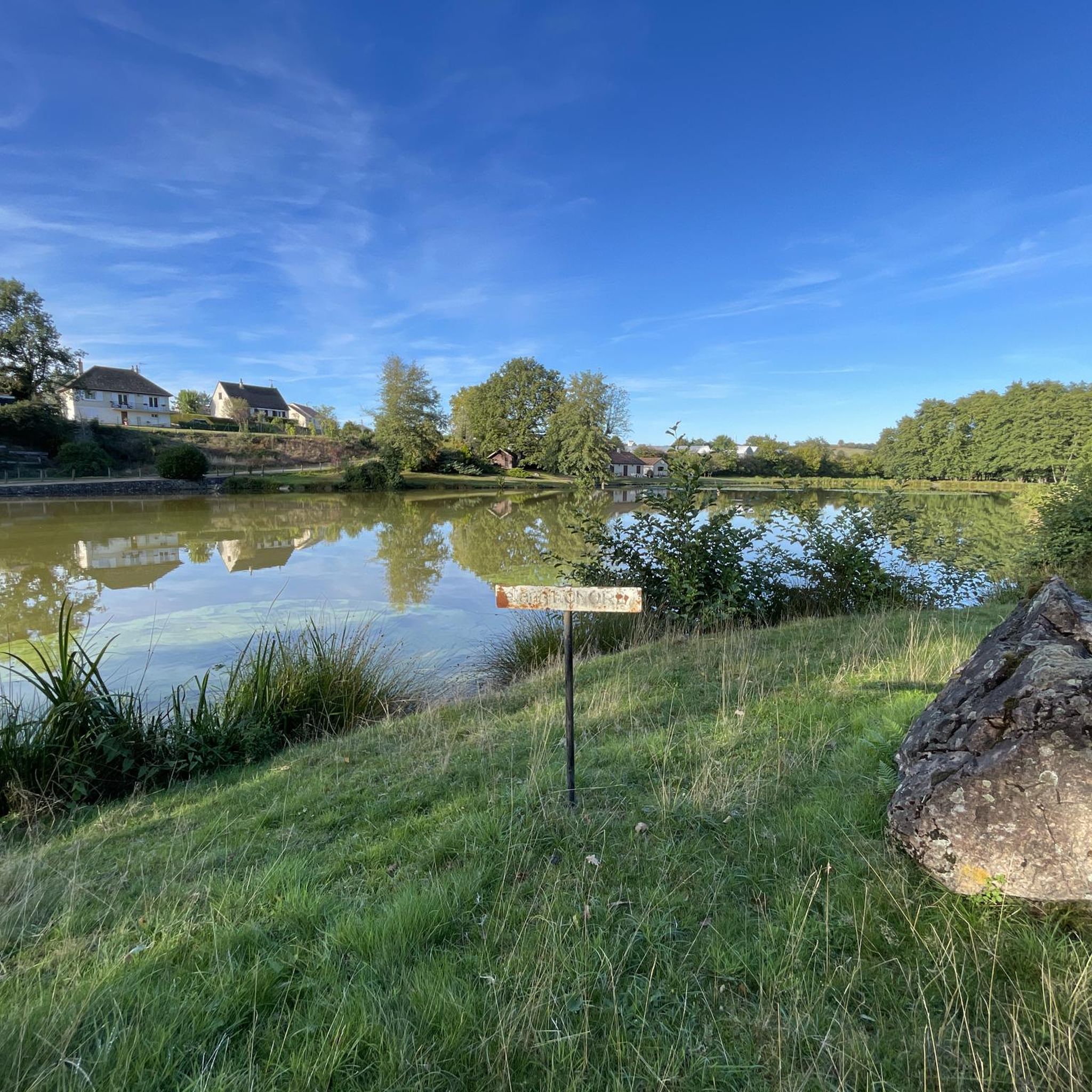
Yes, the region offers several easy hiking options perfect for beginners or families. Out of the 19 routes available, 7 are classified as easy. These trails typically feature gentler slopes and shorter distances, allowing everyone to enjoy the natural beauty of the Morvan. For example, many paths around the communal pond in Saint-Honoré-Les-Bains provide tranquil settings for walks.
What natural landmarks or attractions can I discover on the trails?
While hiking, you can discover several natural and historical landmarks. The region is known for its lakes, such as Lac des Settons, and significant peaks like Mont Beuvray and Haut-Folin. You might also encounter unique geological formations like the 'Pierre qui Croule'. For a specific natural highlight, consider visiting the Dragne Waterfall or the Sources of the Yonne.
Can I bring my dog on the hiking trails in this region?
The Morvan Regional Natural Park generally welcomes dogs on trails, provided they are kept under control, ideally on a leash, to protect wildlife and respect other hikers. Always check specific trail regulations or local signage, especially in nature reserves or protected areas, as rules can vary.
Are there any circular hiking routes available?
Yes, many of the trails around Saint-Honoré-Les-Bains are circular, allowing you to start and end at the same point. A popular moderate circular route is the Saint-Honoré-les-Bains – Eglise romane de Préporché loop from Saint-Honoré-les-Bains, which covers about 9.7 km through the countryside. Another option is the Eglise romane de Préporché – Préporché Church loop from Tussy, a moderate 8.6 km path.
What is the best time of year to go hiking near Saint-Honoré-Les-Bains?
The best time to hike near Saint-Honoré-Les-Bains is typically from spring through autumn (April to October). During these months, the weather is generally mild and pleasant, with lush greenery in spring and vibrant colors in autumn. Summer offers longer daylight hours, though some trails might be busier. Winter hiking is possible but requires appropriate gear for potentially colder and wetter conditions, and some higher elevation paths might be less accessible.
Where can I find parking for trailheads around Saint-Honoré-Les-Bains?
Parking is generally available at or near the starting points of many trails, especially in and around Saint-Honoré-Les-Bains itself and in the smaller villages within the Morvan Regional Natural Park. Look for designated parking areas near churches, town centers, or popular trail access points. Specific parking information is often detailed on individual route descriptions.
What historical sites can I visit while hiking in the Morvan?
The Morvan region is rich in history. You can hike to the ancient Celtic city of Bibracte on Mont Beuvray, which features an archaeological site and museum. The area also boasts Romanesque churches, such as the Eglise romane de Préporché, and remnants of Roman heritage in Saint-Honoré-Les-Bains itself. The Château de la Roche, a 12th-century monument, also offers historical interest and scenic views.
How many hiking routes are available in total around Saint-Honoré-Les-Bains?
There are 19 hiking routes available around Saint-Honoré-Les-Bains, catering to various skill levels. These include 7 easy routes, 11 moderate routes, and 1 difficult route, ensuring there's a suitable path for almost every hiker.
What do other hikers say about the trails in Saint-Honoré-Les-Bains?
The trails in Saint-Honoré-Les-Bains are highly rated by the komoot community, with an average score of 4.1 stars from over 200 reviews. Hikers often praise the varied terrain, the peaceful atmosphere of the Morvan Regional Natural Park, and the well-maintained paths that lead through dense forests and offer picturesque views of the rolling hills and valleys.
Are there any specific trails that offer great viewpoints?
Many trails in the Morvan Regional Natural Park offer rewarding viewpoints due to its mountainous terrain. Hikes to peaks like Mont Beuvray (821 m) provide exceptional panoramic vistas. While specific viewpoint trails are not listed in the guide, the diverse landscape ensures many opportunities for scenic overlooks, particularly on routes that ascend hills or traverse open areas.
Can I combine hiking with other activities in Saint-Honoré-Les-Bains?
Absolutely. Saint-Honoré-Les-Bains is known as a spa town, making it ideal for combining active hiking with relaxation. You can enjoy the local thermal baths, which even offer a 'hiking cure.' The town's charming Belle Époque architecture also provides a pleasant backdrop for leisurely strolls after your hikes.
Are there any long-distance hiking trails that pass through the area?
Yes, Saint-Honoré-Les-Bains is situated within the Morvan Regional Natural Park, which is traversed by significant long-distance trails. The GRP Tour du Morvan, a substantial 220 km loop, encircles the park and its lakes. Additionally, the GR13 (Sentier de Grande Randonnée 13) passes through the park, covering approximately 140 km within its boundaries, offering challenging options for experienced hikers. For more information on the GRP Tour du Morvan, you can visit Burgundy Tourism.
Most popular routes around Saint-Honoré-Les-Bains
Most popular attractions around Saint-Honoré-Les-Bains

Get inspired with the komoot mobile app


Explore more
Browse the best Hikes in other regions.
