Attractions and Places To See around Crépon - Top 20
Best attractions and places to see around Crépon, a small Norman village in France, offer a gateway to significant historical and cultural experiences. The area is particularly known for its D-Day landing sites and well-preserved coastal defenses. Visitors can explore a region characterized by its scenic coastlines, cliffside areas, and broad sandy beaches. Crépon serves as a central point for discovering the rich history and natural beauty of Normandy.
Best attractions and places to see around Crépon
- The most popular attractions is Longues-sur-Mer Battery, a historical site that features an impressive, well-preserved part of the Atlantic Wall. Four of the gun turrets with cannons are still preserved, offering a tangible link to World War II history.
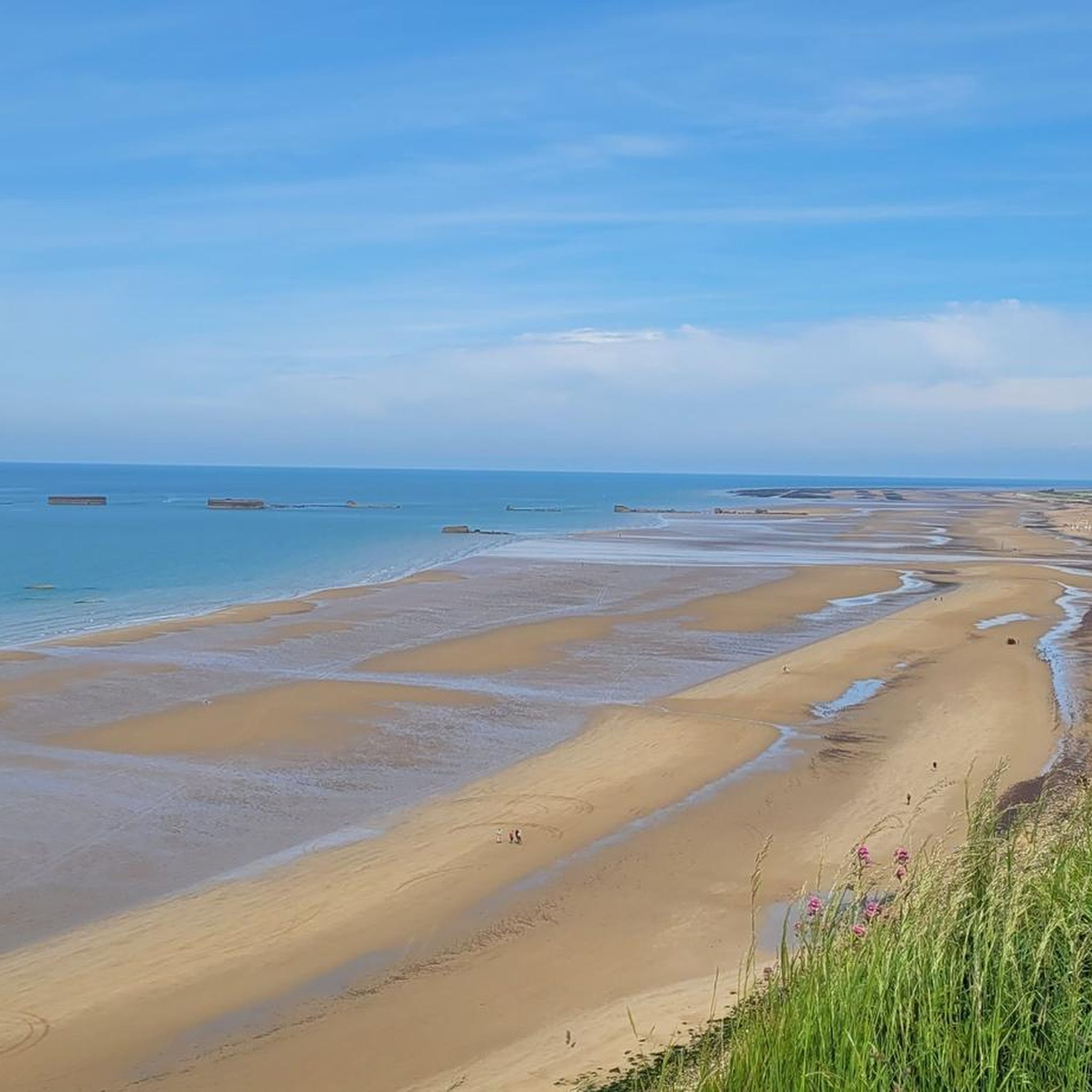
- Another must-see spot is Gold Beach - Arromanches, a beach and historical site. This location was one of the five D-Day landing sites on June 6, 1944, and features a museum providing insights into the invasion.
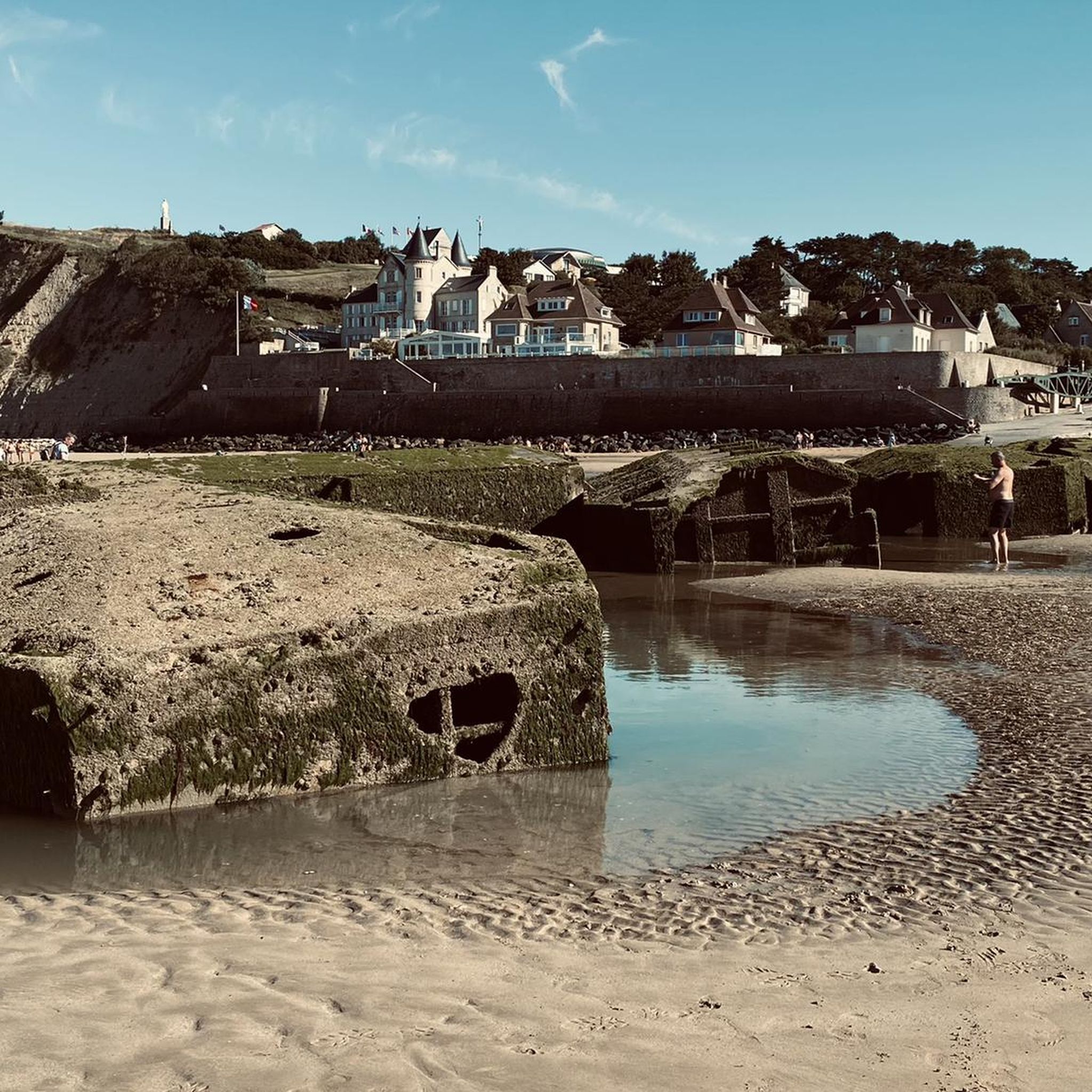
- Visitors also love Arromanches-les-Bains, a settlement famous for its role in the D-Day landings. The bay still shows remnants of the Mulberry artificial harbor, which was crucial for supplying Allied troops.
- Crépon is known for its D-Day historical sites, coastal landscapes, and cultural institutions in the wider area. The region offers a variety of attractions to see and explore, from military history to charming villages.
- The attractions around Crépon are appreciated by the komoot community, with 326 upvotes and 115 photos shared by visitors.
Last updated: July 6, 2026
Batteries des Longues
Highlight • Other
Translated by Google •
Tip by

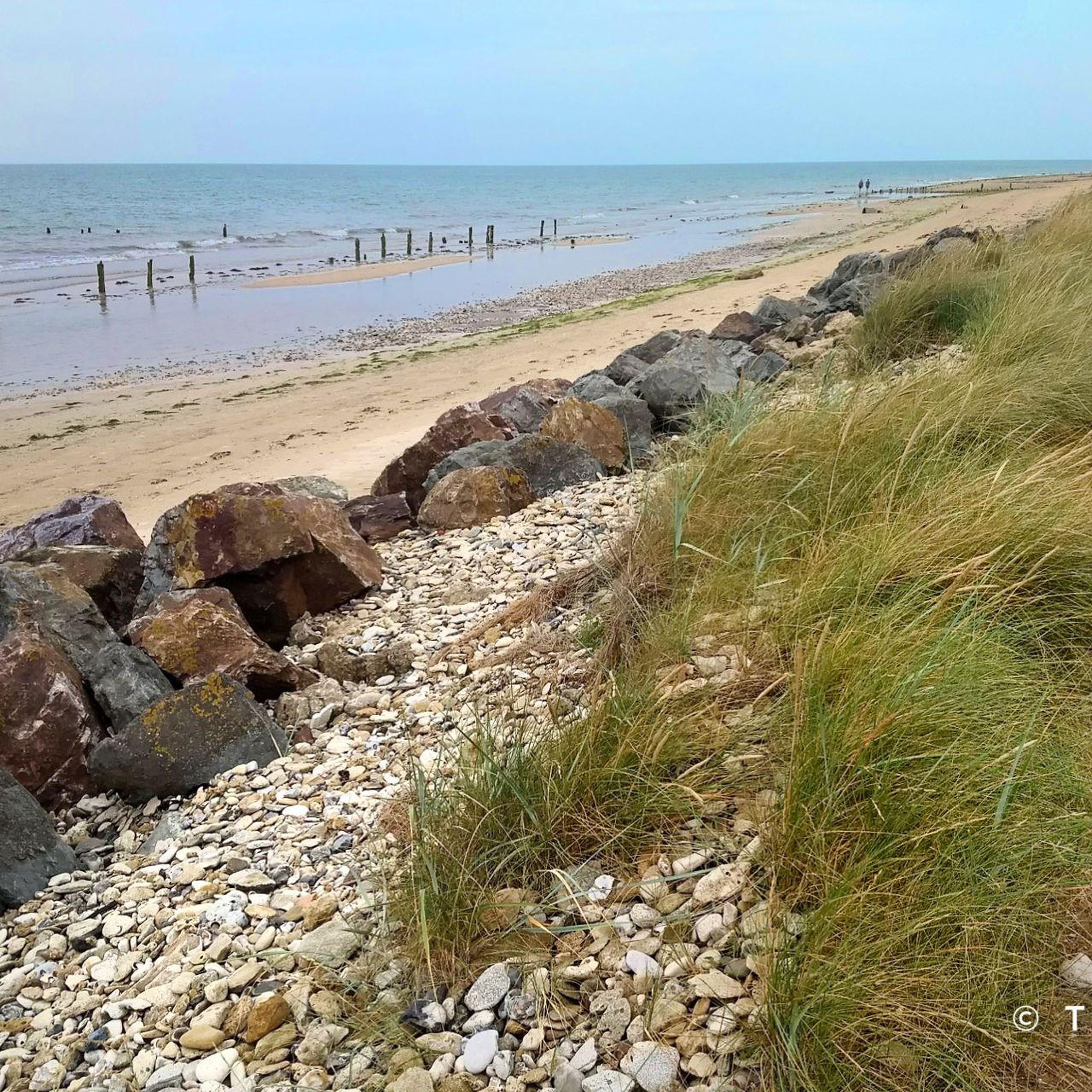
Gold Beach - Arromanches
Highlight • Beach
Tip by

Sign up now to discover places like this
Get recommendations on the best single tracks, peaks, & plenty of other exciting outdoor places.
Sign up for free
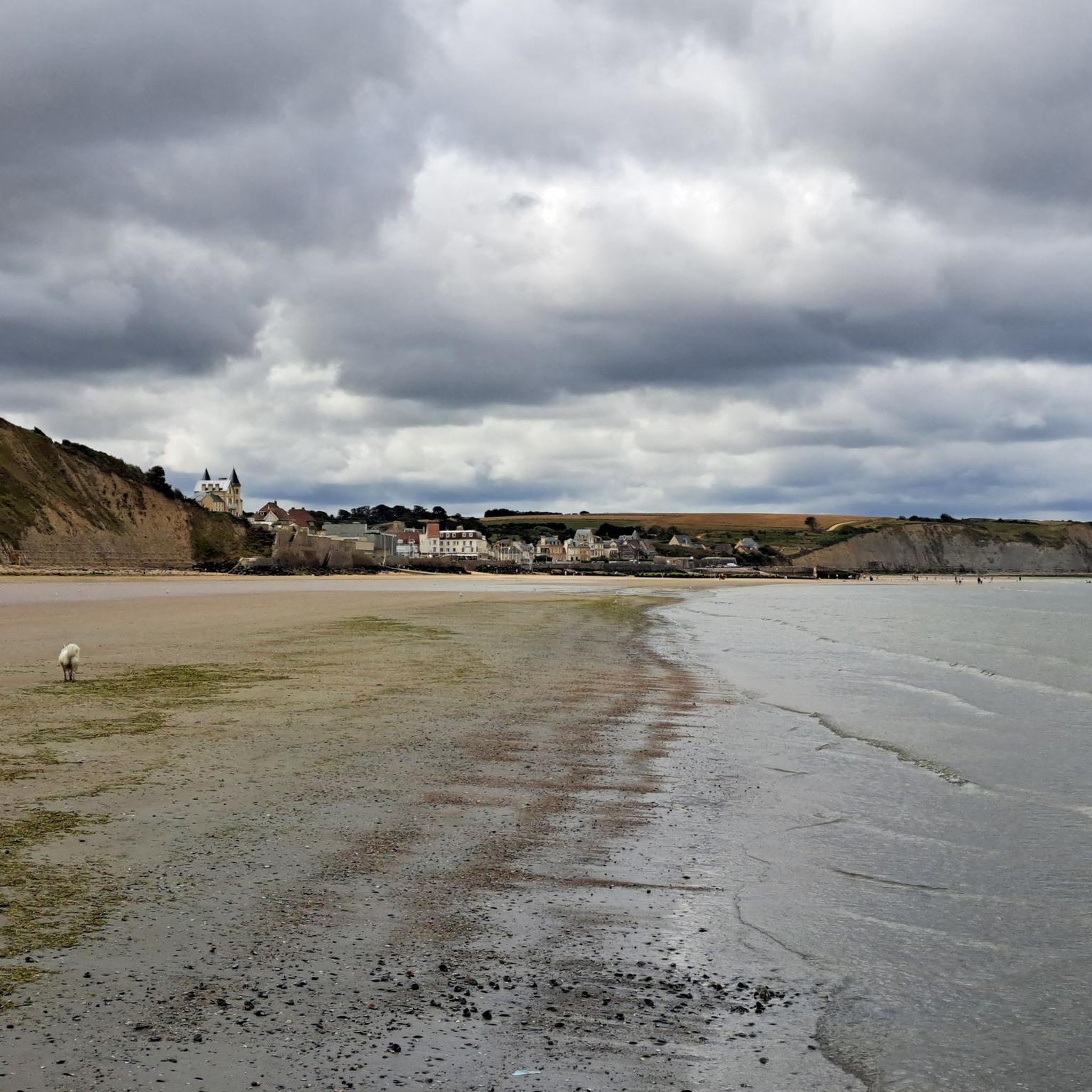
Arromanches-les-Bains
Highlight • Settlement
You can observe the ancient barges up close only at low tide. At high tide, take the opportunity to visit the pretty village and its museums.
Translated by Google •
Tip by

Bunker 3 - Artillery battlements stand
Highlight • Other
Translated by Google •
Tip by

Longues-sur-Mer Battery
Highlight • Historical Site
Translated by Google •
Tip by

Sign up for free to discover even more attractions around Crépon.
Sign up for free
Already have an account?
Start today with a free account
Your next adventure awaits.
Login or Signup

Tips from the Community

The still well-preserved bunkers of the Atlantic Wall.
5
0
The coastal battery in Longes-sur-Mer is one of the best preserved in Normandy. The bunkers and trenches are still accessible.
5
0
These pontoons, made of concrete, were brought here from England and used to build a port to supply the Allies with men, weapons and equipment.
5
0

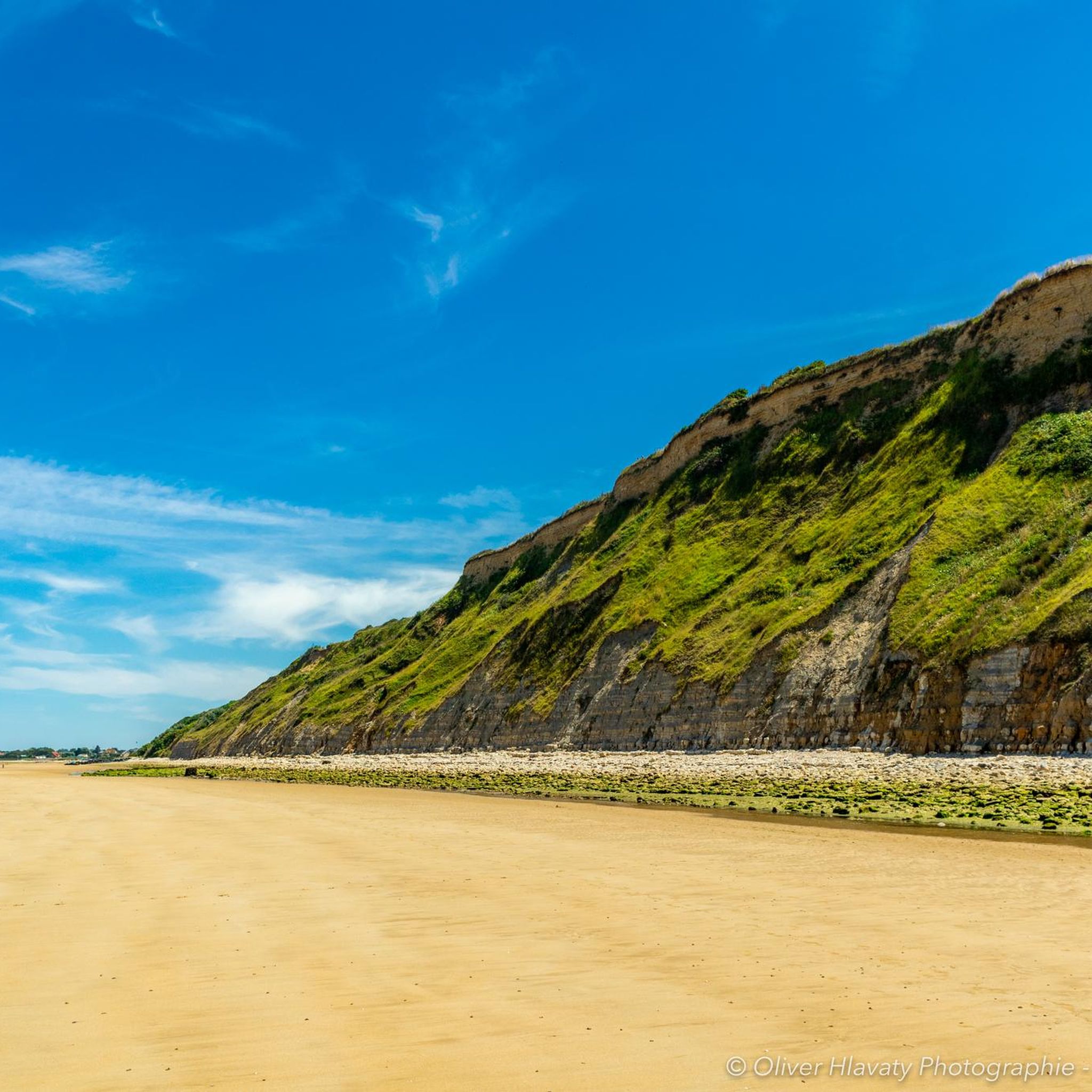
The battery in Longues-sur-Mer is considered one of the best-preserved in France. Located on a 60-meter-high cliff between Omaha Beach and Gold Beach, it was positioned directly opposite the Allied fleet. It is the only battery whose guns are still in place. You can move around freely and walk into anything.
0
0

This part of the beaches and Arromanche is truly magnificent, and the historical side of the landing adds to the charm of this small seaside resort. Frankly, from Ouistreham to Omaha Beach, I really enjoyed this gravel hike, which will remain etched in my memory. If you are in this area, on foot, by bike, I invite you to come and stroll around here.
1
0

Four of the gun turrets with cannons are still preserved. They were initially bombed unsuccessfully during the invasion in 1944 and then knocked out by warships a day later. This again shows the senselessness of war.
5
0
The picturesque coastal town is marked by the remains of D-Dax. Here the British celebrate the success of their troops.
3
1

The museum is definitely worth a visit. Very informative, with lots of models and a good audio guide. You can learn a lot about the preparation and the course of D-Day, which was the beginning of the liberation of France and an important step in the liberation of Europe from the Nazis.
1
0
Frequently Asked Questions
What are the main historical attractions related to D-Day near Crépon?
The area around Crépon is rich in D-Day history. You can explore the well-preserved Longues-sur-Mer Battery, a German coastal battery with its original cannons. Another significant site is Arromanches-les-Bains, famous for the remnants of its Mulberry artificial harbor, crucial for Allied supplies. Additionally, Gold Beach - Arromanches was one of the five D-Day landing sites and features a museum.
Are there any family-friendly attractions around Crépon?
Yes, several D-Day related sites are suitable for families. The Longues-sur-Mer Battery offers an engaging historical experience with its preserved bunkers and cannons. Gold Beach - Arromanches is also listed as family-friendly and includes a museum that provides insights into the invasion. The Arromanches 360° Circular Cinema offers an immersive experience for all ages.
What cultural sites can I visit near Crépon beyond D-Day history?
Beyond the D-Day sites, the region offers significant cultural attractions. The Bayeux Tapestry Museum houses the renowned tapestry depicting the Norman Conquest of England. You can also visit the impressive Bayeux Cathedral, a Roman Catholic church rebuilt in the Gothic style, or explore the Château de Cruelly for a glimpse into older historical architecture.
What outdoor activities can I do near Crépon?
The area around Crépon is excellent for outdoor activities. You can find numerous routes for cycling and running. For instance, there are several running trails like the 'La Seulles loop from Ver-sur-Mer' or the 'Château des Planches loop from Ponts sur Seulles'. Cycling enthusiasts can enjoy routes such as the 'Historic Center of Bayeux – Landing Beaches 06/06 loop from Crépon' or the 'D-Day Museum – View of Arromanches loop from Graye-sur-Mer'. You can find more details on these activities in the Running Trails around Crépon and Cycling around Crépon guides.
Are there any natural features or scenic coastal areas to explore?
While specific natural reserves aren't highlighted, the region of Normandy is known for its scenic coastlines and bocage landscapes. The coastal areas around sites like Longues-sur-Mer Battery offer picturesque cliffside views. The general area also features broad sandy beaches, such as Gold Beach - Arromanches, perfect for walks and enjoying the sea air.
What do visitors enjoy most about the D-Day sites near Crépon?
Visitors often highlight the poignant and moving experience of seeing the historical sites up close. Many appreciate the well-preserved nature of places like the Longues-sur-Mer Battery, where the original cannons are still intact. The ability to clearly see the remnants of the Mulberry artificial harbor at Arromanches-les-Bains, especially at low tide, is also a frequently mentioned highlight, offering a tangible link to the past.
What is the best time of year to visit Crépon and its attractions?
The best time to visit Crépon and the D-Day beaches in Normandy is generally during the spring (April-May) and early autumn (September-October). During these periods, the weather is typically mild and pleasant for exploring, and the crowds are usually smaller than in the peak summer months. Summer (June-August) offers warmer weather but can be busier.
Are there any hidden gems or less-known attractions near Crépon?
While the major D-Day sites are well-known, exploring the charming villages surrounding Crépon can reveal hidden architectural and cultural interests. Additionally, the various local churches and cathedrals, beyond the prominent Bayeux Cathedral, offer unique insights into regional history and architecture. Keep an eye out for local markets and smaller museums that might not be as widely publicized.
Can I find places to eat or drink near the attractions?
Yes, you can find cafes and restaurants in the vicinity of many attractions. For example, near the Batteries des Longues (part of the Longues-sur-Mer Battery complex), there's a small cafe called Le Chalet Gourmand. The village of Arromanches-les-Bains also offers various options for dining and refreshments.
Is public transport available to reach attractions near Crépon?
While Crépon itself is a small village, public transport options exist to connect to larger towns and some key attractions in the wider area. However, for maximum flexibility in exploring the D-Day beaches and other historical sites, renting a car is often recommended. Some local bus services might connect major towns like Bayeux to certain D-Day sites, but schedules can be limited.
Are there any dog-friendly places or trails near Crépon?
Many outdoor areas, including coastal paths and some walking trails, are generally dog-friendly, provided dogs are kept on a leash. While specific dog-friendly attractions are not detailed, exploring the scenic coastlines and bocage landscapes around Crépon offers opportunities for walks with your dog. Always check local signage for specific restrictions at historical sites or beaches.
How long should I allocate to visit the main D-Day attractions?
To thoroughly experience the main D-Day attractions like the Longues-sur-Mer Battery, Arromanches-les-Bains, and Gold Beach - Arromanches, it's recommended to allocate at least a full day. If you plan to visit museums like the D-Day Museum, Bayeux Tapestry Museum, or Caen Memorial Museum, you might need two to three days to comfortably explore the region's rich history.
Most popular attractions around Crépon

Get inspired with the komoot mobile app


Explore more
Still not found the Highlight you’re looking for? See guides of the top attractions in other regions:
