The best road cycling routes around Cruzy
4.5
(134)
2,087
riders
152
rides
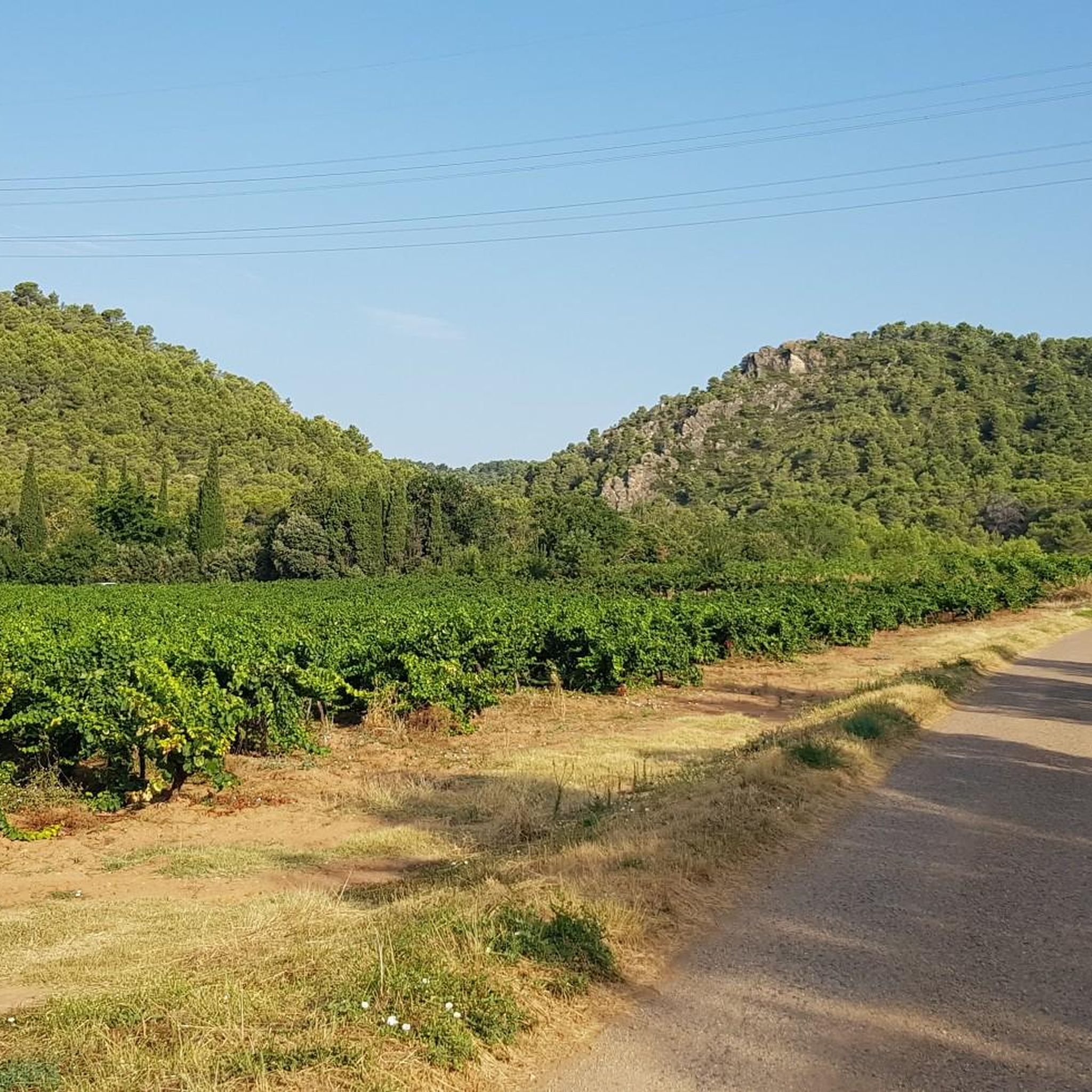
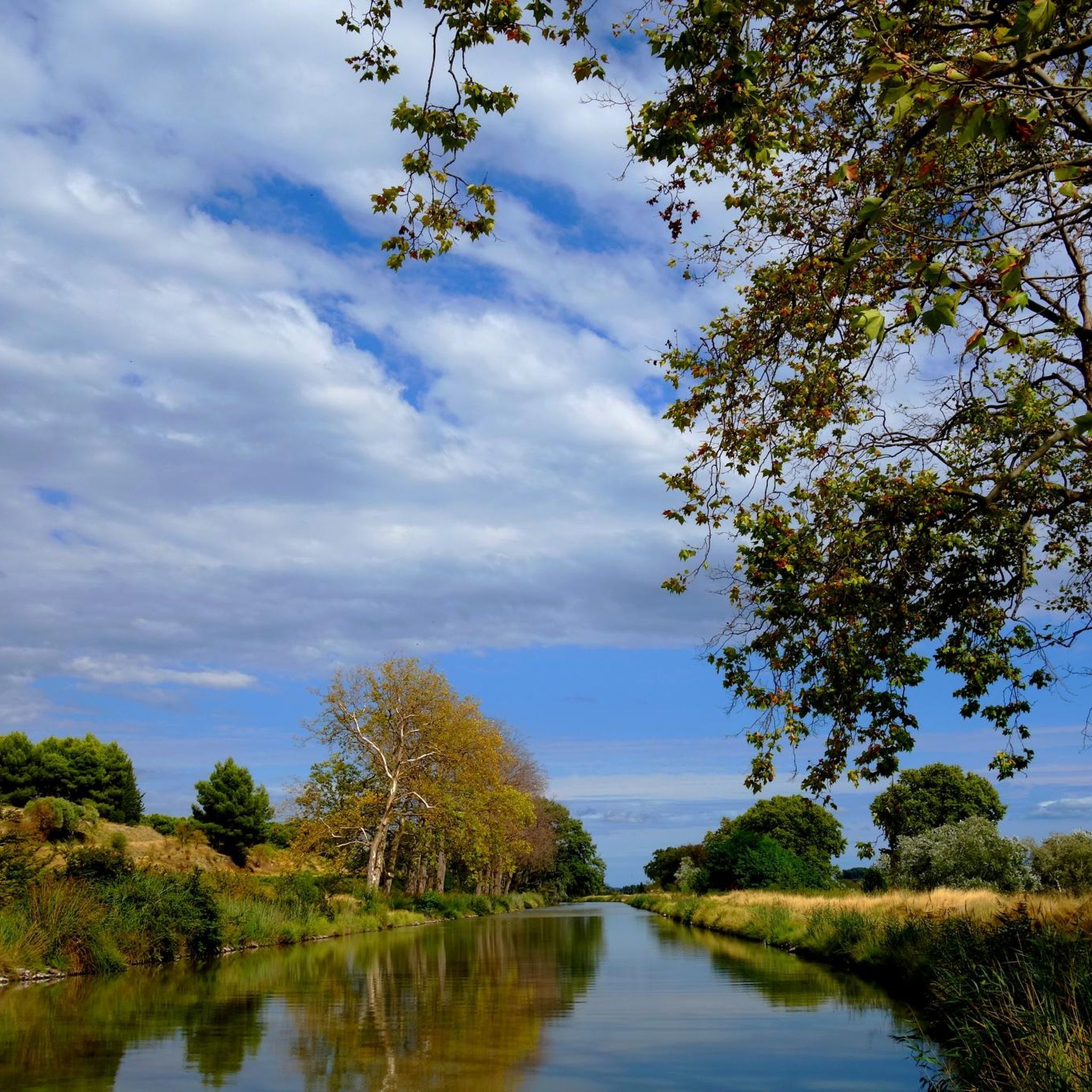
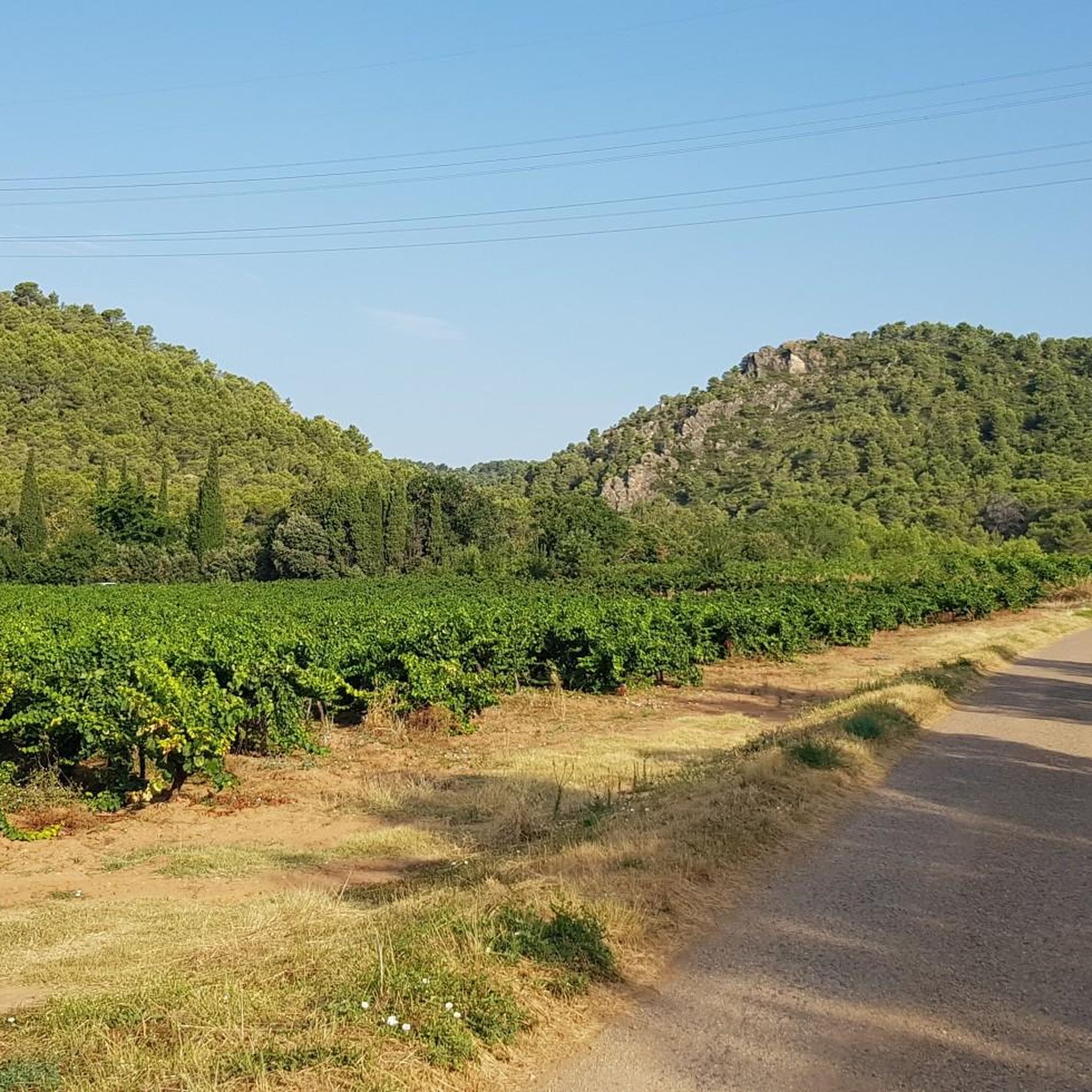
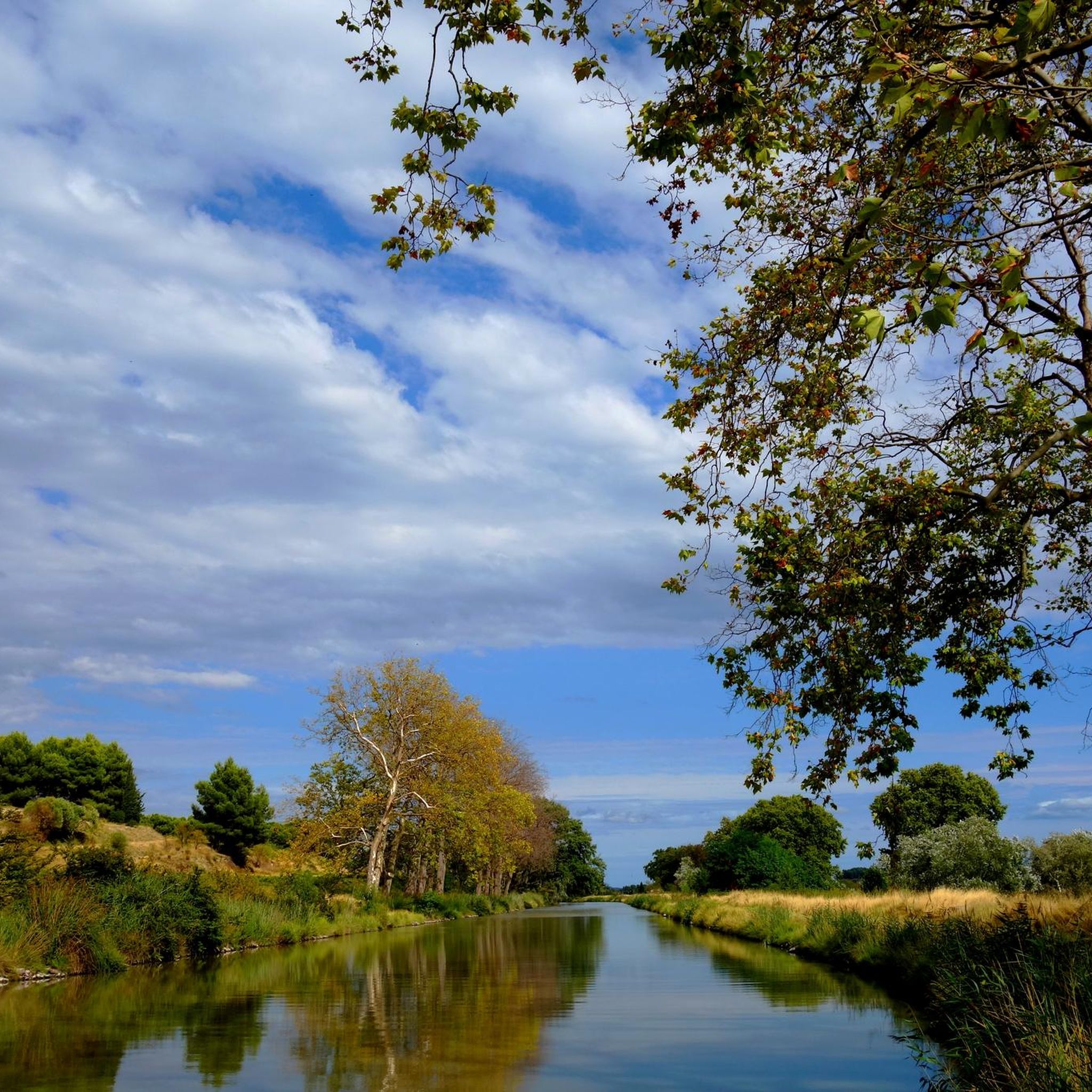
Road cycling around Cruzy offers routes through the picturesque Minervois Wine Region, characterized by extensive vineyards and rolling hills. The area provides access to quiet country roads connecting traditional French villages. Cyclists can also explore the historic Canal du Midi, a UNESCO World Heritage site, which features flat, tree-lined pathways. The terrain varies from gentle canal-side rides to more challenging routes through the Hérault department's diverse landscape.
Best road cycling routes around Cruzy
- The most popular road cycling route is…
Last updated: November 5, 2026
5.0
(7)
92
riders
63.2km
03:02
890m
890m
Moderate road ride. Good fitness required. Mostly well-paved surfaces and easy to ride.
3.0
(1)
21
riders
36.5km
01:43
480m
470m
Moderate road ride. Good fitness required. Mostly well-paved surfaces and easy to ride.

5.0
(1)
19
riders
Moderate road ride. Good fitness required. Mostly well-paved surfaces and easy to ride.
5.0
(1)
16
riders
50.4km
02:11
420m
420m
Moderate road ride. Good fitness required. Mostly well-paved surfaces and easy to ride.
16
riders
63.9km
03:06
900m
900m
Hard road ride. Very good fitness required. Mostly well-paved surfaces and easy to ride.
Get access to more routes and recommendations from other explorers.
Already have an account?
Our route recommendations are based on thousands of hikes, rides, and runs completed by other people on komoot.
Start today with a free account
Your next adventure awaits.

Tips from the Community

This route is fine if you’re just on a bike though some may find earlier sections narrow and difficult to navigate due to mooring ropes across the path. We did it with our dog trailer and found some sections precarious and too narrow for the trailer tbh.
0
0

Paraza is a wine-growing village in the Minervois region of the Aude, rich in its history dating back beyond the Roman period. It is marked by the construction of the Canal du Midi, during which Pierre Paul Riquet resided at the Château de Paraza during the works on the Canal and the Pont canal du Répudre.
0
0
Typical wine village on the Canal du Midi, dominated by its double castle, one intended for winemaking and the other serving as a residence. The latter was built in the 18th century on the ruins of a 12th-century castle. This large building with a square tower overlooking the plain with beautiful Italian terraced gardens is extended on its right by its "winegrower's folly", a 19th-century model of its kind opening its doors to the Canal du Midi.
0
0

In the heart of old Creissan, a heritage site unfolds, telling more than a thousand years of history. The Saint-Martin church, mentioned as early as the 10th century, belonged to the powerful chapter of the Saint-Just cathedral in Narbonne, which held lordship over the village for several centuries. It was solemnly consecrated in 1132, during a religious assembly bringing together several bishops, an exceptional event that testifies to the village's importance in the Middle Ages. This modest Romanesque church retains the characteristics of 12th-century Languedoc religious architecture: a single nave covered by a barrel vault and a semi-dome apse. More unusually, the remains of an old well are visible within the building. A short walk away, the castle of Creissan recalls the other facet of medieval power: that of the lords who administered the territory alongside the religious authorities. Together, the Saint-Martin church and the old castle form the historic heart of the village.
2
0
In the heart of the village of Quarante stands the church of Sainte-Marie, the former abbey church of a powerful Benedictine monastery founded in the 10th century. For nearly a thousand years, the abbey has marked the religious and economic history of the Minervois. The current church preserves the traces of this long history, with Romanesque elements from the 12th century associated with Gothic transformations carried out in the Middle Ages.
2
0
In the heart of old Montouliers lies a heritage site that bears witness to the village's importance in the Middle Ages. The church of Saint-Baudile, whose existence is attested as early as the 10th century under the name Sanctus Baudelius de Monte Olerio, was rebuilt and enlarged over the centuries, mainly between the 12th and 14th centuries. Inside, the building houses a remarkable 14th-century polychrome stone statue of Saint Baudile, classified as a Historic Monument in 1975. Just opposite are the remains of the castrum of Monte Olerio, the old fortified castle around which the medieval village was organized. This grouping around a fortified place, a church, and a few dwellings then formed the defensive and religious heart of the community.
2
0
The church of the Nativity of Saint John the Baptist bears witness to the gradual shift of the religious heart of Saint-Jean-de-Minervois. For centuries, parish life was linked to the Saint-Jean de Dieuvaille chapel, now nicknamed "the church of the Hole", isolated in a canyon between the hamlets of Gimios and Barroubio. At the beginning of the 18th century, the current village became the new center of the community, around this current parish church.
2
0
Much more than a simple village church, Notre-Dame-de-l'Assomption was originally the chapel of the seigniorial castle of Villespassans. Built between the 12th and 16th centuries, it has the particularity of housing two superimposed naves, testifying to the different phases of its evolution. Its massive square tower, built of dressed stone, still dominates the heart of the old medieval village, where remains of the ramparts also still exist. Villespassans developed on a ridge of Hettangian dolomites, limestone rocks about 200 million years old that mark the early Jurassic period. These extensive terrains offer a solid base on which the village was established and partly explain its dominant position in the landscape. Nicknamed the "village of a thousand and one stones", Villespassans is also renowned for its remarkable dry stone heritage: *capitelles*, low walls, dolmens, and old agricultural constructions dot the surroundings.
2
0
Frequently Asked Questions
How many road cycling routes are available around Cruzy?
There are over 150 road cycling routes around Cruzy, offering a wide variety of options for different skill levels. You'll find everything from easy rides to more challenging ascents through the region's diverse landscape.
What kind of terrain can I expect when road cycling near Cruzy?
Road cycling around Cruzy is characterized by routes through the picturesque Minervois Wine Region, featuring extensive vineyards and rolling hills. You'll also find quiet country roads connecting traditional French villages, and flat, tree-lined pathways along the historic Canal du Midi.
Are there any easy or family-friendly road cycling routes in the Cruzy area?
Yes, Cruzy offers a good selection of easier routes. There are 34 routes classified as easy, and 92 as moderate, making it possible to find suitable options for various fitness levels. While specific family-friendly routes are not detailed, the flat sections along the Canal du Midi are generally well-suited for leisurely rides.
Can I cycle along the Canal du Midi near Cruzy?
Absolutely. The Canal du Midi, a UNESCO World Heritage site, is a significant draw for cyclists in the region. It provides flat and picturesque pathways ideal for leisurely bike rides. A popular route that includes a section of the canal is the Canal du Midi Capestang – Fontaine de Cazedarries loop from Quarante.
What are some scenic highlights or landmarks to look out for on road cycling routes?
The region around Cruzy is rich in scenic beauty and historical sites. You can expect routes traversing extensive vineyards in the Minervois Wine Region. Notable attractions nearby include the tranquil The Port of Somail, the Junction of the Canal du Midi and the Canal de la Robine, and the historic Gailhousty Lock and Spillway. Many routes also pass through charming traditional French villages.
Are there circular road cycling routes available around Cruzy?
Yes, many of the road cycling routes around Cruzy are designed as loops, allowing you to start and finish in the same location. Examples include the Roadbike loop from Quarante and the more challenging Giant Bicycle Sculpture – Minerve loop from Quarante.
What is the best time of year for road cycling in Cruzy?
While specific best seasons are not detailed, the Hérault department generally offers pleasant cycling conditions for much of the year. Spring and autumn typically provide mild temperatures and beautiful scenery, ideal for exploring the vineyards and countryside. Summers can be warm, so early morning or late afternoon rides might be preferable.
How do other cyclists rate the road cycling routes in Cruzy?
The road cycling routes in Cruzy are highly rated by the komoot community, with an average score of 4.7 stars from over 100 reviews. Cyclists often praise the varied terrain, the picturesque vineyards, and the historic charm of the Canal du Midi and surrounding villages.
Are there options for more challenging road cycling routes near Cruzy?
Yes, for experienced cyclists seeking a challenge, there are 33 routes classified as difficult. These routes often feature more significant elevation gains and longer distances, such as the Giant Bicycle Sculpture – Minerve loop from Quarante, which covers 47.6 miles (76.5 km) with over 1100 meters of elevation gain.
What kind of natural features can I expect to see along the routes?
Beyond the extensive vineyards of the Minervois Wine Region, you'll encounter the tranquil waters and tree-lined banks of the Canal du Midi. The diverse natural elements of the Hérault department contribute to the overall beauty, with routes often passing through green spaces and offering serene environments.
Are there any routes that specifically explore the Minervois wine region?
Many routes around Cruzy naturally traverse the heart of the Minervois Wine Region, offering cyclists views of extensive vineyards. The Château de Sériège – Beautiful, peaceful spot! loop from Quarante is an example of a route that takes you through this picturesque wine country.
How long do road cycling routes around Cruzy typically take to complete?
The duration varies significantly based on the route's distance and difficulty. For instance, a moderate route like the Roadbike loop from Quarante (24.6 miles / 39.7 km) typically takes around 1 hour 52 minutes, while a more difficult and longer route could take several hours.
Most popular attractions around Cruzy

Get inspired with the komoot mobile app


Explore more
Browse the best Road cycling routes in other regions.
