The best road cycling routes around Saint-Priest
4.4
(48)
1,220
riders
101
rides
Road cycling routes around Saint-Priest offer varied terrain suitable for different skill levels, from urban paths to more challenging rides with significant elevation gains. The region, part of the Auvergne-Rhône-Alpes, provides a diverse backdrop for cycling adventures, including rural landscapes, proximity to urban areas like Lyon, and scenic views along rivers. Cyclists can find routes that incorporate both natural features and local landmarks. The area is characterized by a mix of flat sections and rolling hills, with some routes featuring…
Last updated: May 24, 2026
4.7
(6)
169
riders
72.5km
03:20
760m
760m
Moderate road ride. Good fitness required. Mostly well-paved surfaces and easy to ride.
4.7
(9)
78
riders
Moderate road ride. Good fitness required. Mostly well-paved surfaces and easy to ride.

Sign up for free
4.5
(2)
64
riders
78.1km
03:35
700m
700m
Moderate road ride. Good fitness required. Mostly well-paved surfaces and easy to ride.
4.0
(3)
61
riders
38.1km
01:50
290m
290m
Moderate road ride. Great for any fitness level. Some segments of this route may be unpaved and difficult to ride.
48
riders
Hard road ride. Very good fitness required. Some segments of this route may be unpaved and difficult to ride.
Get access to more routes and recommendations from other explorers.
Sign up for free
Already have an account?
Our route recommendations are based on thousands of hikes, rides, and runs completed by other people on komoot.
Start today with a free account
Your next adventure awaits.
Login or Signup
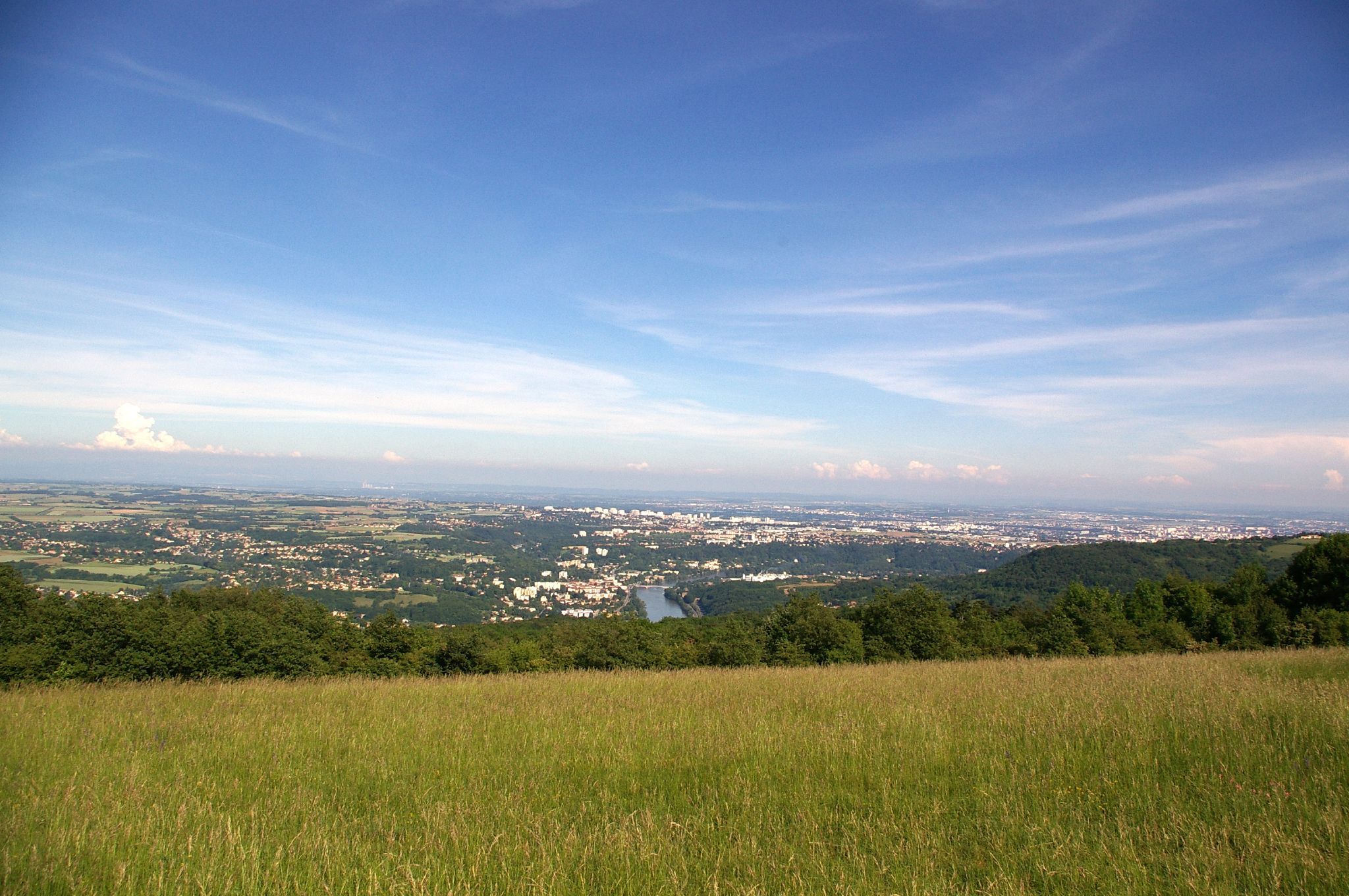
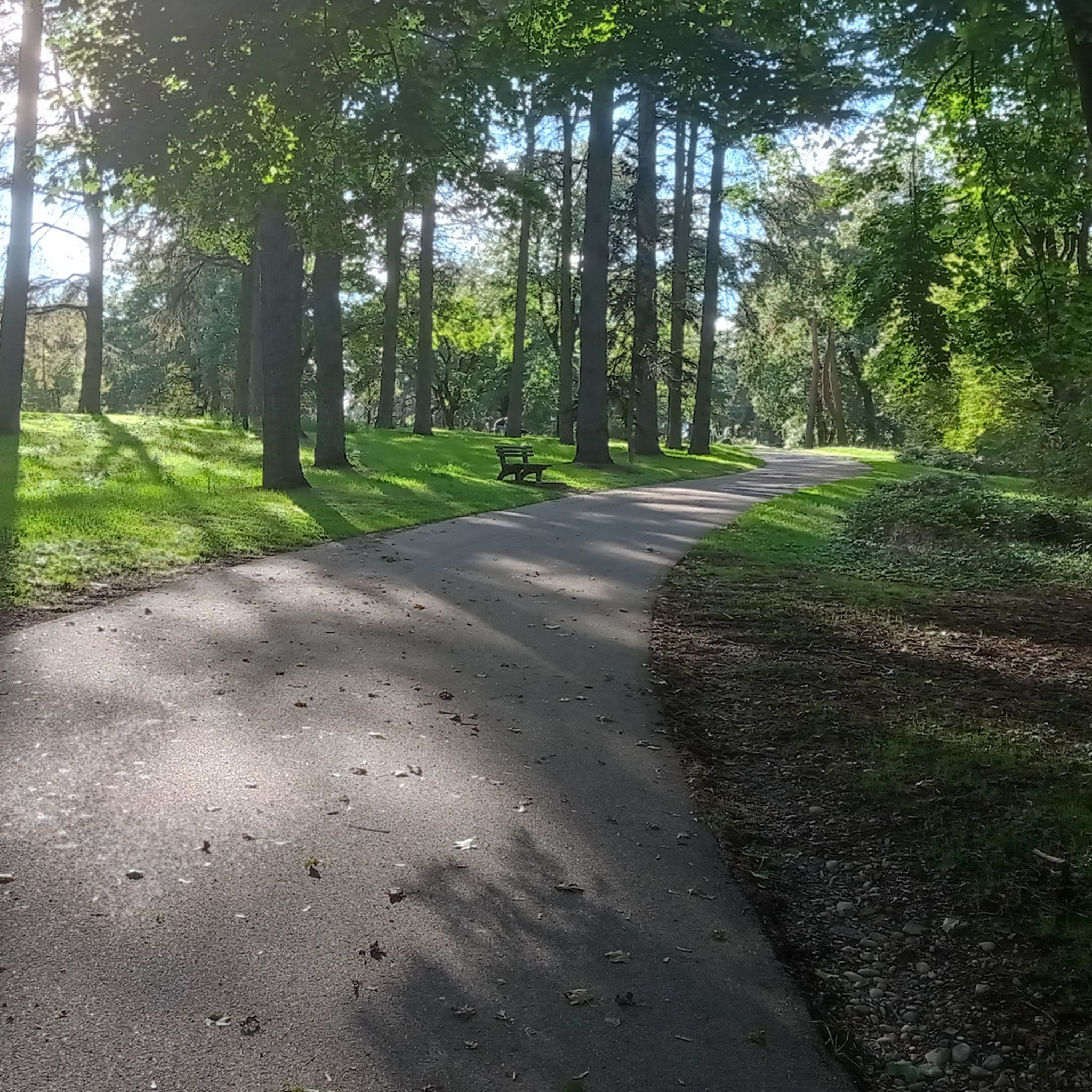
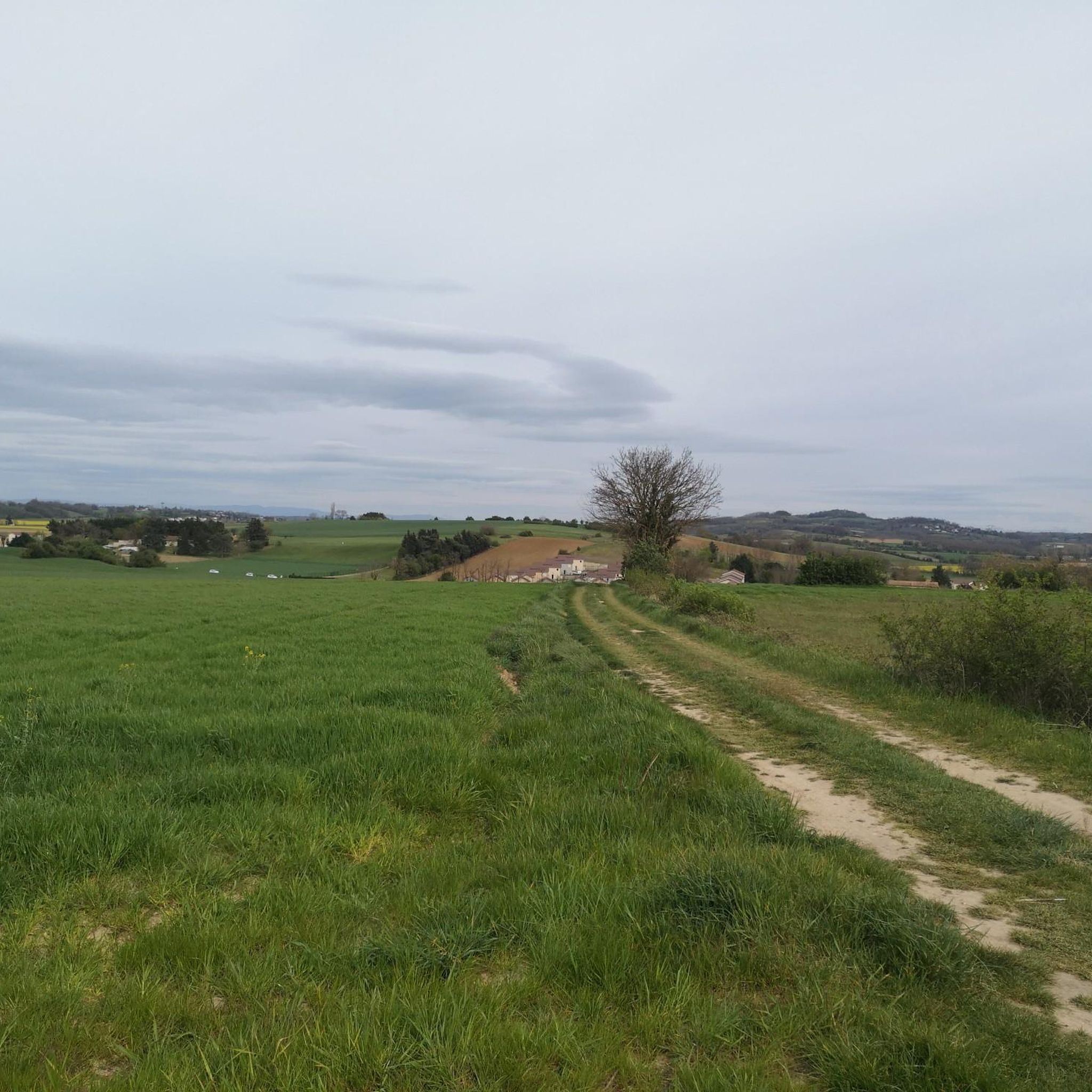
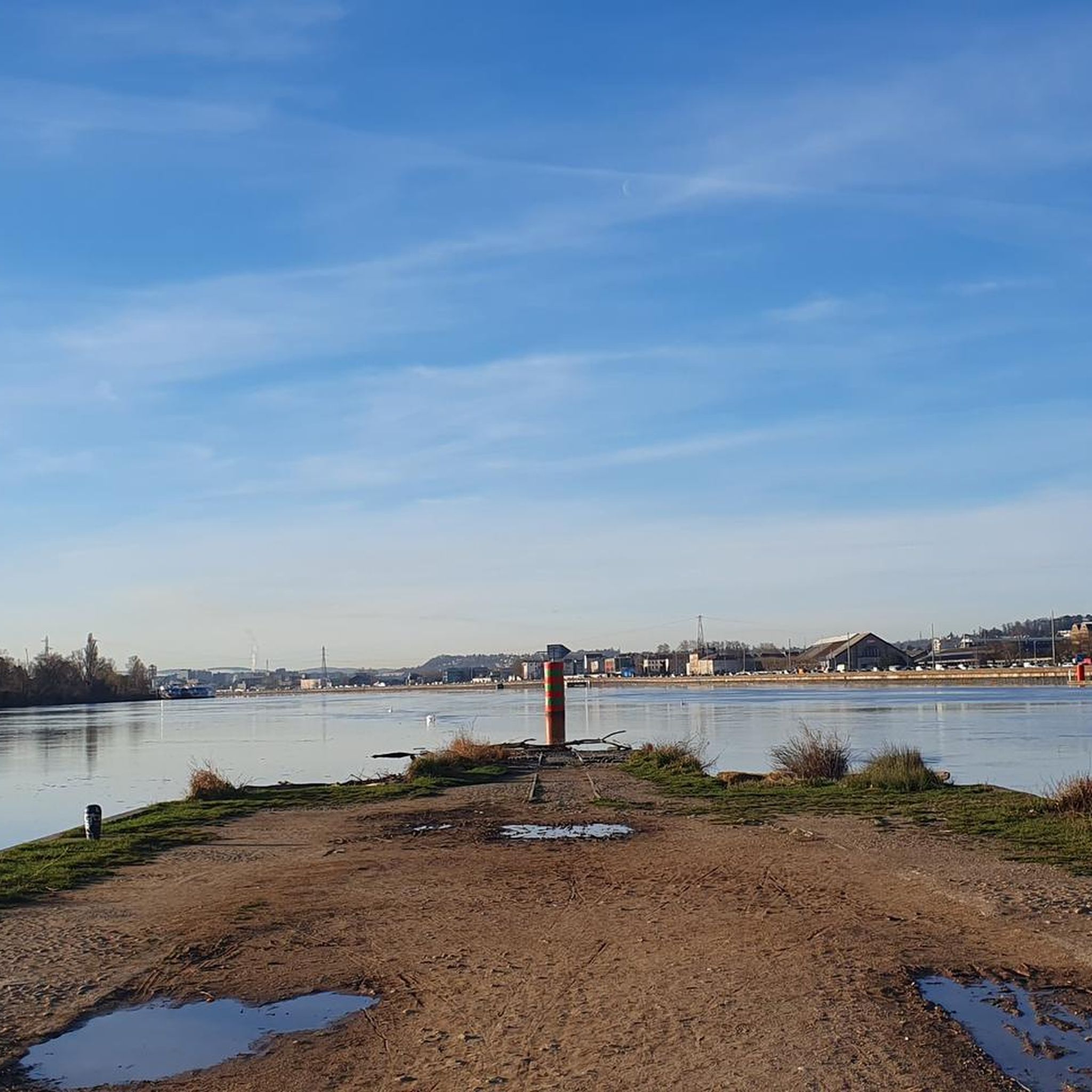
Other adventures around Saint-Priest

Tips from the Community

The small sacred monument that the biker encounters here is designed somewhat differently than many other wayside crosses. The most common material is wood or stone, but here, metal has been used. The longitudinal beam is unusually long, so that it rises above the fields, visible from afar. The two ends of the crossbeam and the upper end of the longitudinal beam are adorned with an additional decorative element. But regardless of material and design, all crosses have one thing in common: For the faithful observer, they are a sign of the death of Jesus Christ, but at the same time, they always point beyond that to the resurrection.
0
0

Beautiful little town, quite touristy, but worth the detour
0
0

I really like this pass, I have done it several times, it is not slow but effective, especially on a certain side where there is a firecracker xD
0
0

The Bienassis fortified house, built by the Vallin family at the end of the 14th century, was organized around an enclosed courtyard and included a pavilion surrounded by watchtower turrets. The current building was completed in 1897 for Casimir Gournet, who wanted to give the old feudal residence the appearance of a medieval castle. Alphonse de Lamartine made several stays in Bienassis with his friend Nicolas Prosper Guichard, between 1804 and 1808. The castle, built of limestone rubble, consists of an L-shaped building covered with a long-pitched roof covered with mechanical tiles extended to the south by a high quadrangular tower with a porch in the work. The north wing has four levels of elevation: three cellars on the basement floor, a square floor and an attic floor. The tower rises on three levels: a ground floor with ribbed vaults and two square floors, the buildings are crowned with false machicolation. The corner turrets are covered with conical slate roofs. The stained glass windows of the ground floor living room are decorated with two bust-length women and two bust-length men in rondels. The coat of arms of the Joubert de Montlevon family can be found on one of the windows of the first living room on the ground floor. In the library, two shields with scrolling scroll motifs, a shield decorated with three female heads, a shield decorated with a passing griffin, and a shield decorated with two hammers with the initials C G for Casimir Gournet adorn the windows. Source: Châteaux de France
0
0
Magnificent and immense pond, dominated by Château Saint-Julien, also called Château Saint-Jullin.
0
0
This 19th century wash house is remarkable for its size and the quality of its workmanship. Located on the side of the road, it measures more than 11 m. long and shelters a vast basin fed by the waters of the Amby. Its imposing framework supports a slate roof. This washhouse was built in 1873 by Pierre Chatelard, mason, Pierre Marin, master stonemason and Benoît Reynaud, carpenter. Source: balconies of Dauphiné Tourisme
0
0
Optevoz has been occupied since the Bronze Age. In the 19th century, limestone mining and agriculture were the main activities. At this time, the village became a place of stay for many painters seduced by the light and the landscapes (in particular the Vanne d'Optevoz represented in numerous paintings). Source: Optevoz website
0
0
The Delphinal Castle (12th century), from the top of its strategic promontory, bears witness to the development of the city: construction of imposing fortified gates (14th century), a majestic market hall (15th century), a convent of Augustins leaning against the ramparts (14th-19th century) then its cloister (16th century)... So many vestiges which are the visible traces of a past where Crémieu had military, economic and religious importance. The medieval city of Crémieu is classified as a ZPPAUP (Urban and Landscape Architectural Heritage Protection Zone). Source: Isère Tourism
1
0
Frequently Asked Questions
What kind of terrain can I expect on road cycling routes around Saint-Priest?
Road cycling around Saint-Priest offers a varied landscape. You'll find a mix of flat sections, rolling hills, and some routes with notable ascents, particularly as you venture further from the urban areas. The region is part of the Auvergne-Rhône-Alpes, providing diverse backdrops from rural fields to river views.
How many road cycling routes are available in the Saint-Priest area?
There are over 100 road cycling routes available around Saint-Priest, catering to various skill levels. This includes a good selection of moderate and challenging options, ensuring there's something for every road cyclist.
Are there routes suitable for beginners or those looking for an easier ride?
Yes, Saint-Priest offers routes suitable for beginners. While many routes are moderate, there are at least 4 easier options available. These typically feature less elevation gain and shorter distances, perfect for a relaxed ride.
What are some challenging road cycling routes for experienced riders?
For experienced riders seeking a challenge, Saint-Priest has over 25 difficult routes. One notable option is the Chateau de Chapeau Cornu – Crémieu, medieval town loop from Saint-Priest, which covers over 126 km and features significant elevation gain, taking you through varied landscapes and past historic sites.
What do other road cyclists enjoy most about the routes in Saint-Priest?
The road cycling routes in Saint-Priest are highly rated by the komoot community, with an average score of 4.5 stars from over 40 reviews. Cyclists often praise the varied terrain, which includes scenic river views, rolling hills, and agricultural landscapes, offering a balanced and engaging experience.
Are there any scenic viewpoints or natural features to see along the routes?
Absolutely. Many routes offer scenic views, particularly along the Rhône river. You can also find routes that pass by natural features like the Mallard Promenade — Blue Waters Lake, a popular spot with small islands. The region's diverse natural settings include farms and pastures, providing picturesque backdrops for your ride.
Can I incorporate visits to landmarks or attractions into my road cycling trip?
Yes, Saint-Priest's proximity to Lyon allows for rides that can include iconic landmarks. You might cycle near Feyssine Park or even utilize the Croix-Rousse Tunnel (Cycle path) for urban traversal. For a cultural detour, the Basilica of Fourvière, perched on a hill overlooking Lyon, offers panoramic city views.
Are there any circular road cycling routes available?
Yes, many of the routes around Saint-Priest are circular, offering convenient starting and ending points. For example, the View of the Rhône – Régis Cross loop from Saint-Priest and the Bonnefamille ponds – A travers champs loop from Saint-Priest are popular circular options that allow you to return to your starting point without retracing your path.
What is the best time of year for road cycling in Saint-Priest?
The Auvergne-Rhône-Alpes region generally offers pleasant cycling conditions from spring through autumn. Summer provides long daylight hours, while spring and autumn offer milder temperatures and beautiful scenery. It's always advisable to check local weather forecasts closer to your planned visit.
Are there any family-friendly road cycling paths in Saint-Priest?
While many road cycling routes are designed for individual or group rides, some of the easier, flatter sections or dedicated cycle paths, like those found in urban parks such as Feyssine Park, can be suitable for families. Always check the route's difficulty and terrain to ensure it matches your family's comfort level.
What is the typical duration of road cycling routes in the area?
The duration of routes varies significantly. You can find shorter rides, like the Vers le col de Bel Air – Bel Air Pass loop from Saint-Priest which takes around 1 hour 50 minutes, to much longer, more demanding circuits such as the Chateau de Chapeau Cornu – Crémieu, medieval town loop from Saint-Priest, which can take over 6 hours to complete.
Most popular routes around Saint-Priest
Most popular attractions around Saint-Priest

Get inspired with the komoot mobile app


Explore more
Browse the best Road cycling routes in other regions.
