Attractions and Places To See around Guzargues - Top 20
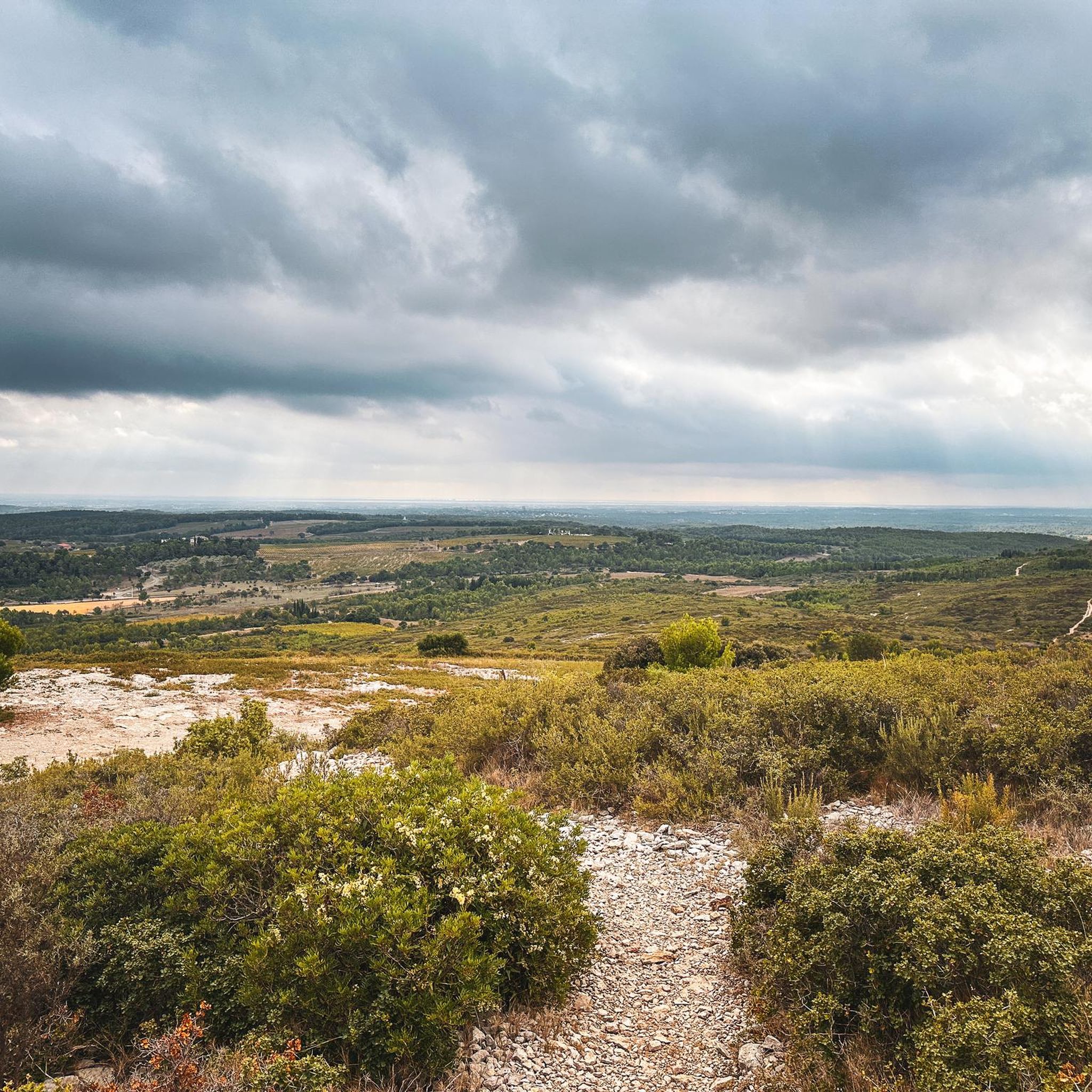
Attractions and places to see around Guzargues offer a blend of historical landmarks and natural features within the rural Languedoc region. The village, dating back to 922, features a preserved heritage with traditional stone houses and ancient structures. The surrounding landscape is characterized by vineyards, scrublands, and natural water sources like the Cadoule and Salaison. Visitors can explore a variety of Guzargues landmarks, viewpoints, and natural features.
Best attractions and places to see around Guzargues
- The most popular attractions is…
Last updated: May 26, 2026
Summitof Saint-Loup
Highlight • Summit
Translated by Google •
Tip by

Castries Aqueduct
Highlight • Monument
Translated by Google •
Tip by

Sign up now to discover places like this
Get recommendations on the best single tracks, peaks, & plenty of other exciting outdoor places.
Sign up for free
Castries Aqueduct
Highlight • Historical Site
Translated by Google •
Tip by
Hortus Summit
Highlight • Summit
Translated by Google •
Tip by

Lake Cécélès
Highlight • Lake
A path goes around, very narrow, prefer the feet to the bike.
Translated by Google •
Tip by

Sign up for free to discover even more attractions around Guzargues.
Sign up for free
Already have an account?
Start today with a free account
Your next adventure awaits.
Login or Signup

Tips from the Community


Adorable little lake where it's good to have a picnic and swim before getting back on the road!
0
0

Beautiful aqueduct built to supply the park and gardens with water.
0
0


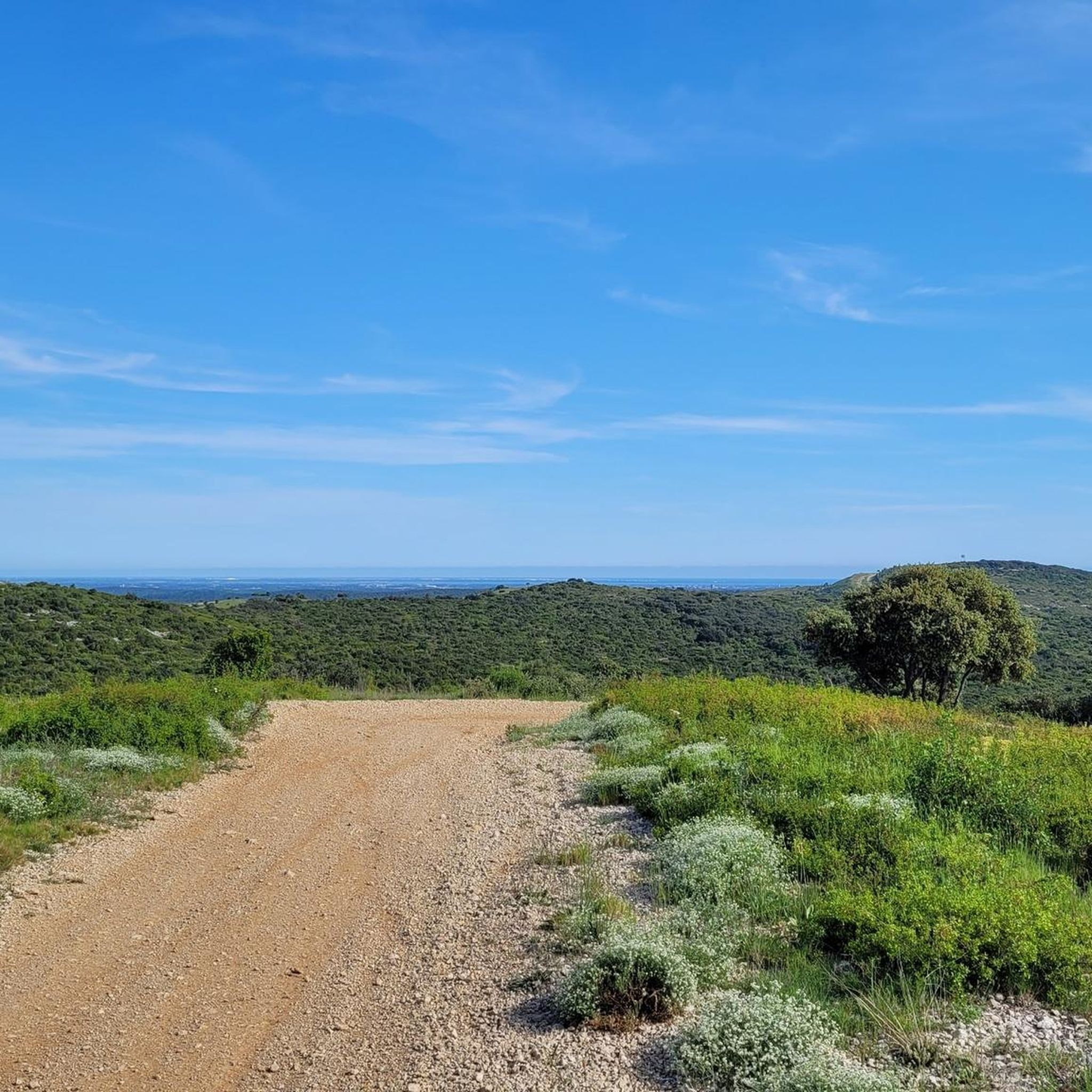
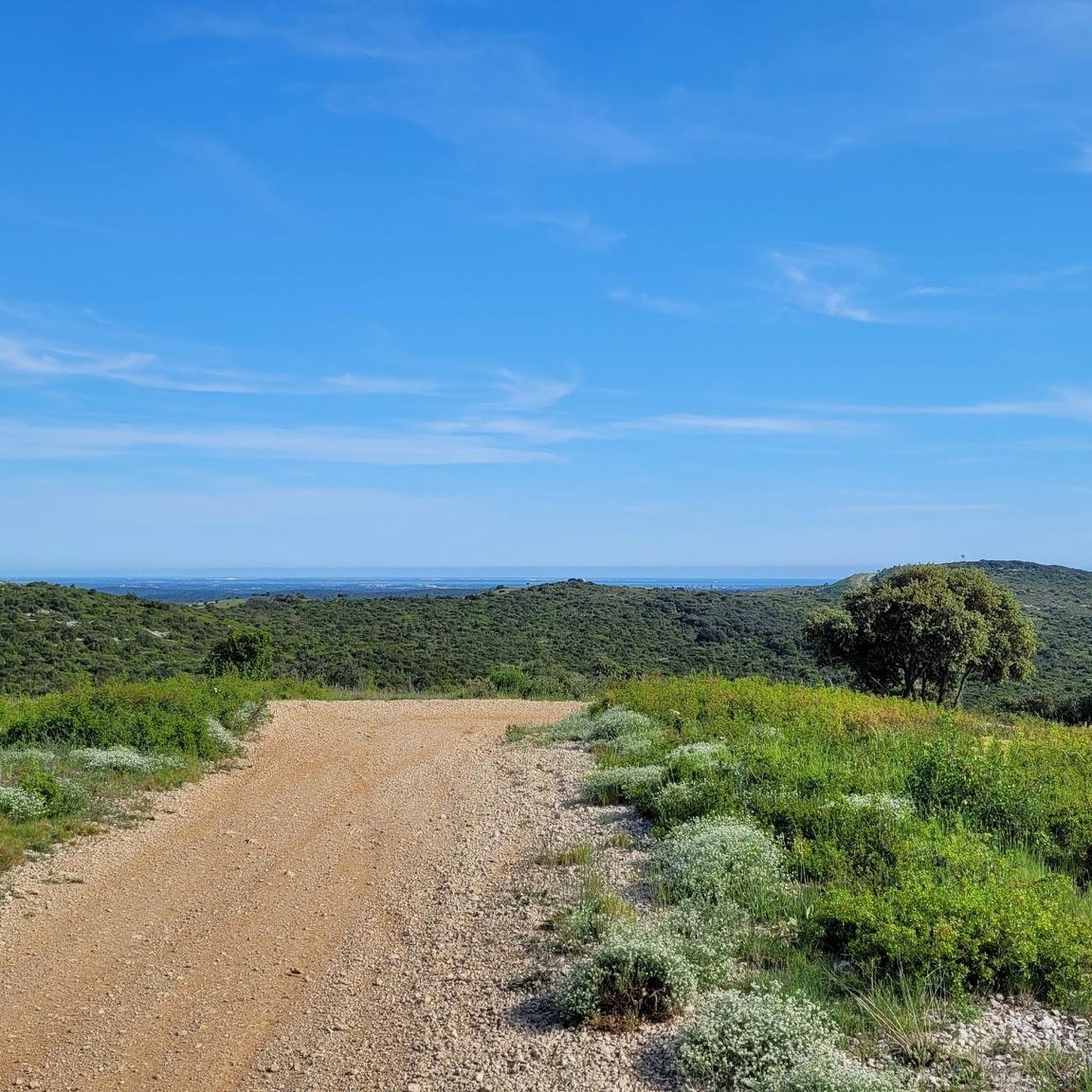
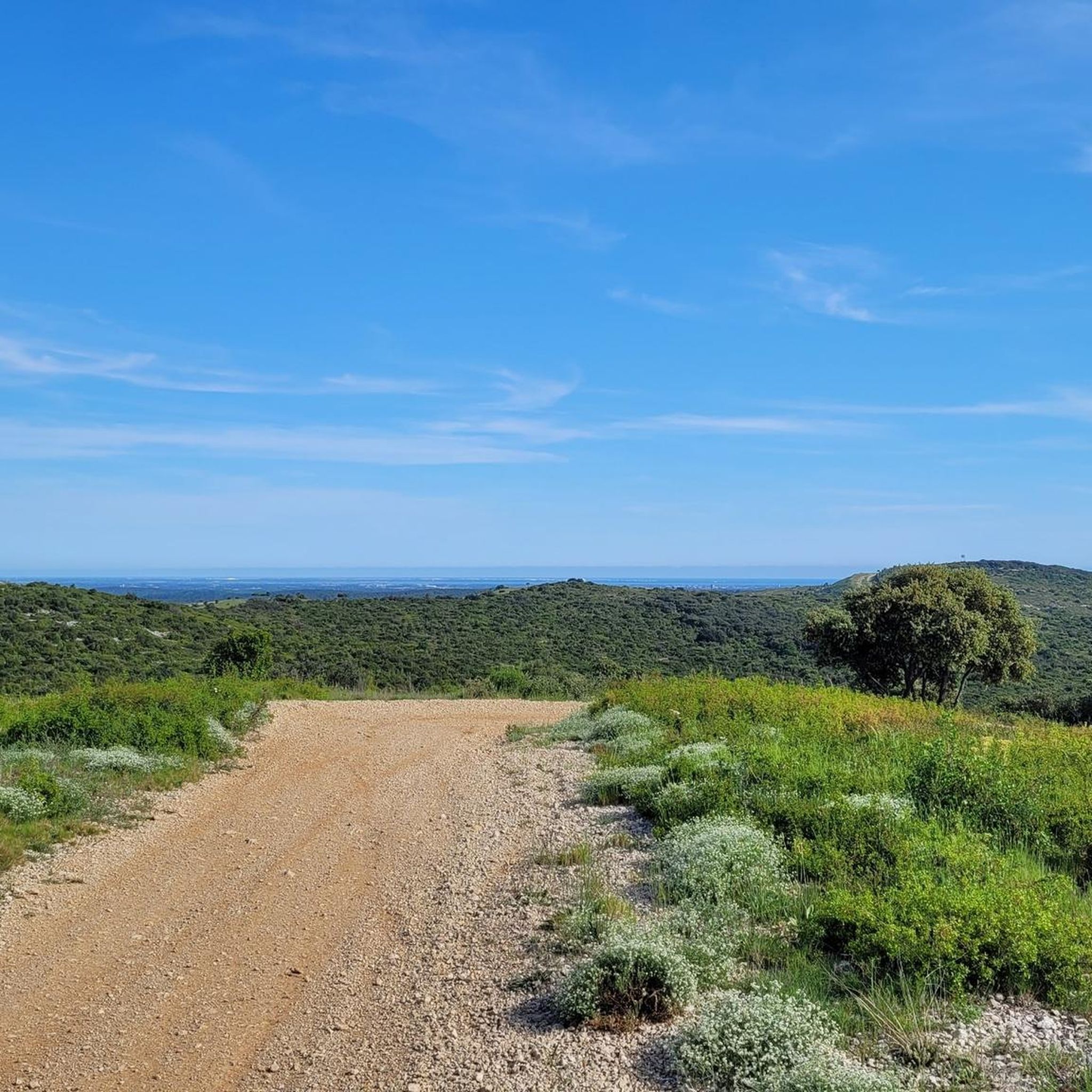
A very beautiful route, the only drawback being that it's extremely popular, being close to Montpellier. There are several variations ranging from 7 to 25 km.
0
2

This path is complicated, difficult level
1
0

The Castries Aqueduct winds through the bush landscape and offers beautiful walks in the hinterland.
9
0
The aqueduct is 6,822 meters long and has a gradient of only 3 meters. Pierre Paul Riquet had drawn up plans for a colossal aqueduct that could lead to the Chateau de Castries, the waters of the Fongrand spring northwest of the village of Castries, in 1676.
9
1
Frequently Asked Questions
What historical sites can I explore in Guzargues?
Guzargues boasts a rich history, with several notable sites. You can visit the Saint-Michel Church, a prominent 12th-century Romanesque building featuring a Roman apse and tympanum. Wander through the village alleys to discover the restored Communal Oven (Four à Pain), traditional stone houses, fountains, and wells. Evidence of ancient habitation, including Roman and Visigothic tombs, can also be found.
Are there any unique cultural traditions in Guzargues?
Yes, Guzargues has a unique local tradition called "Lous Pledaïres." This custom, revived by the municipality, involves the community gathering for a large common meal after resolving disputes, showcasing a distinctive aspect of local heritage.
What natural landscapes characterize the Guzargues area?
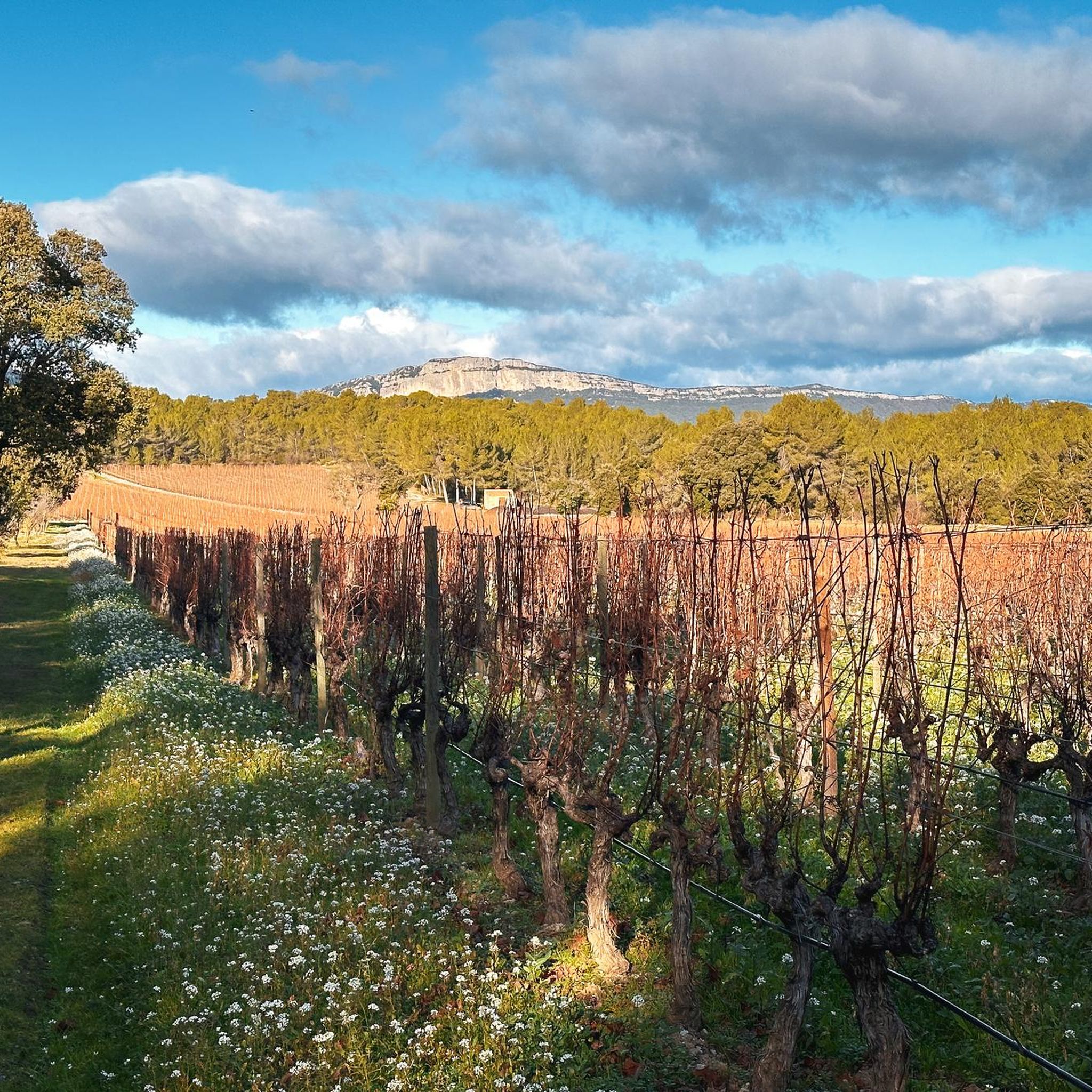
The Guzargues area is known for its picturesque natural landscapes. It is situated in the heart of the renowned Pic Saint-Loup appellation, surrounded by extensive vineyards. The region also features preserved natural scrublands and is home to the natural water sources of the Cadoule and Salaison.
Where can I find panoramic views around Guzargues?
For breathtaking panoramic views, consider hiking to the Summit of Saint-Loup, which offers expansive vistas of the surrounding area. Another excellent spot is the Hortus Summit, providing magnificent 360-degree views from the sea to the Cévennes and the neighboring Pic Saint-Loup.
Is there a lake or water body for relaxation near Guzargues?
Yes, Lake Cécélès is a beautiful spot near Guzargues, ideal for relaxation and photography. A path goes around the lake, though it can be narrow. Please note that access to the lake may be subject to a charge during the summer season.
What outdoor activities can I do near these attractions?
The area around Guzargues offers a variety of outdoor activities. You can explore numerous cycling routes, including road cycling and touring bicycle options. For runners, there are several running trails available. For more details on routes, you can check the Road Cycling Routes around Guzargues, Cycling around Guzargues, and Running Trails around Guzargues guides.
Are there family-friendly attractions around Guzargues?
Yes, the Castries Aqueduct is considered family-friendly and offers beautiful walks through the bush landscape. Its historical significance and scenic paths make it suitable for all ages.
What is the Castries Aqueduct and why is it significant?
The Castries Aqueduct is a significant man-made monument and the most important hydraulic work carried out in France for an individual. Built by Pierre-Paul Riquet, the engineer behind the Canal du Midi, it was designed to bring water to the park of Castries castle. It winds through the landscape for almost 7 km and offers picturesque walking opportunities.
What is the best time to visit Guzargues for outdoor activities?
The Languedoc-Roussillon region, where Guzargues is located, experiences hot summers. For hiking and other outdoor activities, spring and autumn generally offer more pleasant temperatures. If visiting in summer, it's advisable to plan activities for early mornings or late afternoons to avoid the midday heat.
Are there any easy hiking trails near Guzargues suitable for beginners?
While some trails in the region can be challenging, there are easier options available. For instance, some sections around the Castries Aqueduct are suitable for leisurely walks. For specific easy cycling routes, you can explore the Cycling around Guzargues guide, which lists routes with 'easy' difficulty grades, such as the 'Ascent on the Ridge loop from Montaud'.
What do visitors enjoy most about the attractions around Guzargues?
Visitors particularly appreciate the blend of historical charm and natural beauty. The expansive views from summits like Summit of Saint-Loup and Hortus Summit are highly praised. The historical significance and scenic walks along the Castries Aqueduct are also very popular, offering a tranquil experience amidst impressive architecture.
Are there any specific viewpoints of the Castries Aqueduct?
Yes, there is a dedicated View of the Castries aqueduct highlight. This spot allows you to appreciate the impressive arches of the aqueduct unfolding majestically, offering superb photo opportunities and a sense of tranquility amidst its historical structure.
Most popular routes around Guzargues
Most popular attractions around Guzargues

Get inspired with the komoot mobile app


Explore more
Still not found the Highlight you’re looking for? See guides of the top attractions in other regions:
